



 76767 08888

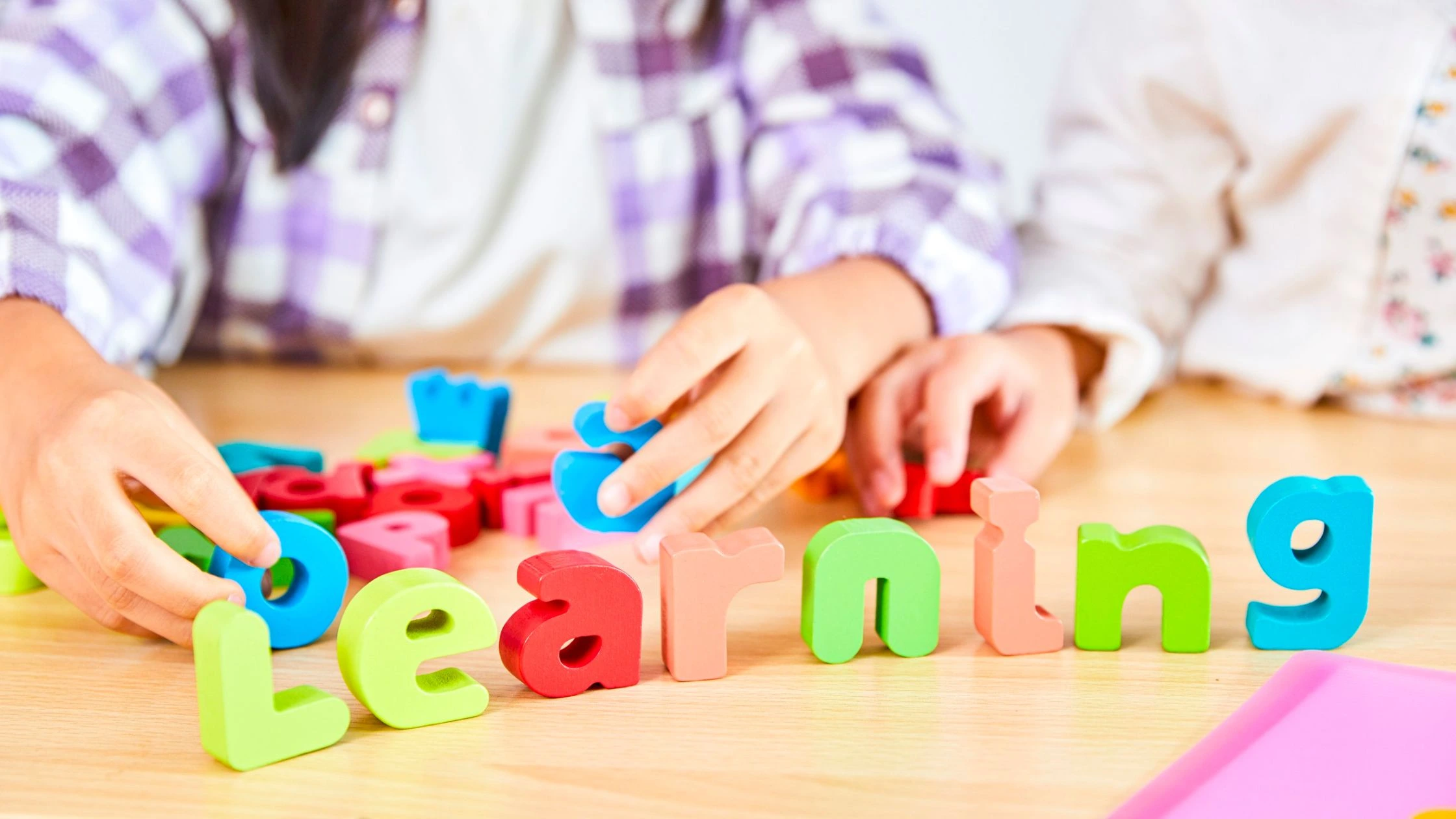


One of the most important decisions to make in your child’s early years is choosing the right preschool program. A preschool plays a vital role in laying the foundation for your little one’s social, emotional, physical, and cognitive development. It is where they take their first steps into the world outside their home and learn to explore, communicate, and discover.
In India, preschools are as diverse as our culture, ranging from informal community-run centres to well-established, curriculum-driven institutions. Understanding the different types of preschool programs available can help you make an informed choice that suits your child’s needs and your family’s lifestyle.
What Does Preschool Mean in India?
Before we learn about the different types of preschools, let’s first talk about what people consider a preschool here.
In India, the term “preschool” is used quite broadly. Anything that comes before formal primary education (Class 1) is often considered a part of preschool. This includes:
- Playgroup (2 to 3 years)
- Nursery (3 to 4 years)
- Lower Kindergarten (LKG) (4 to 5 years)
- Upper Kindergarten (UKG) (5 to 6 years)
Each of these stages prepares children for the structure and expectations of primary school. Also, the age brackets aren’t set in stone, rather, they offer a rough guide to when your child should begin each level.
Types of Preschool Programs in India
India’s diverse educational landscape offers a variety of preschool programs tailored to different needs and cultural contexts. Below is an overview of the different types of preschool programs available across India:
1. Day Care Centres
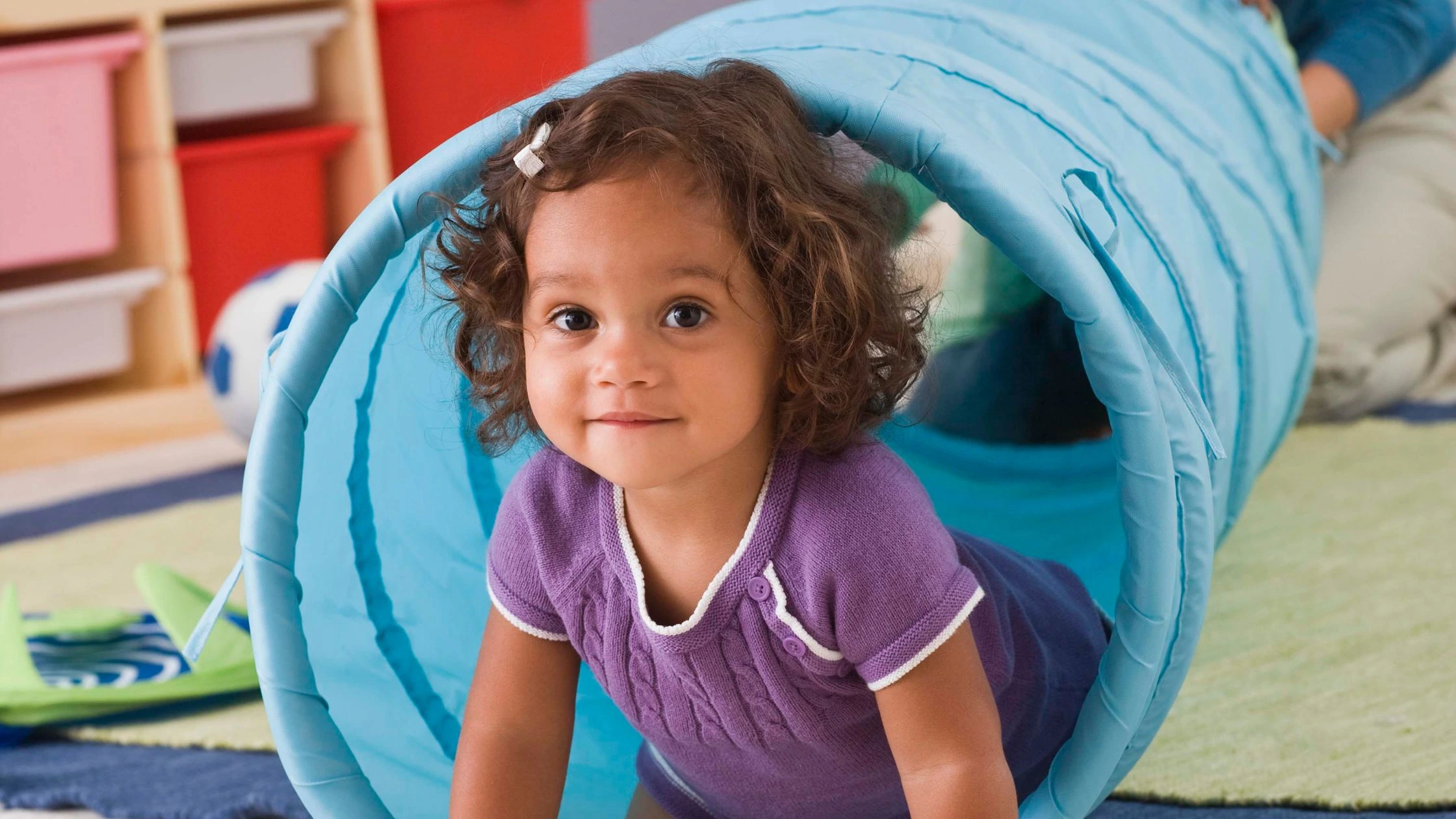
Day care provides a safe and nurturing environment where children are cared for during the day. These centres often combine caregiving with basic learning activities to help children develop social and cognitive skills. Children between 2 and 5 years are enrolled, and no strict curriculum is followed. Instead, the play-way method is used to conduct activities suited to each child’s age and developmental level. There are no examinations, and feeding may also be arranged within the centre. Day care primarily supports working parents who need a reliable and engaging space for their child while they are at work.
2. Anganwadi Centres
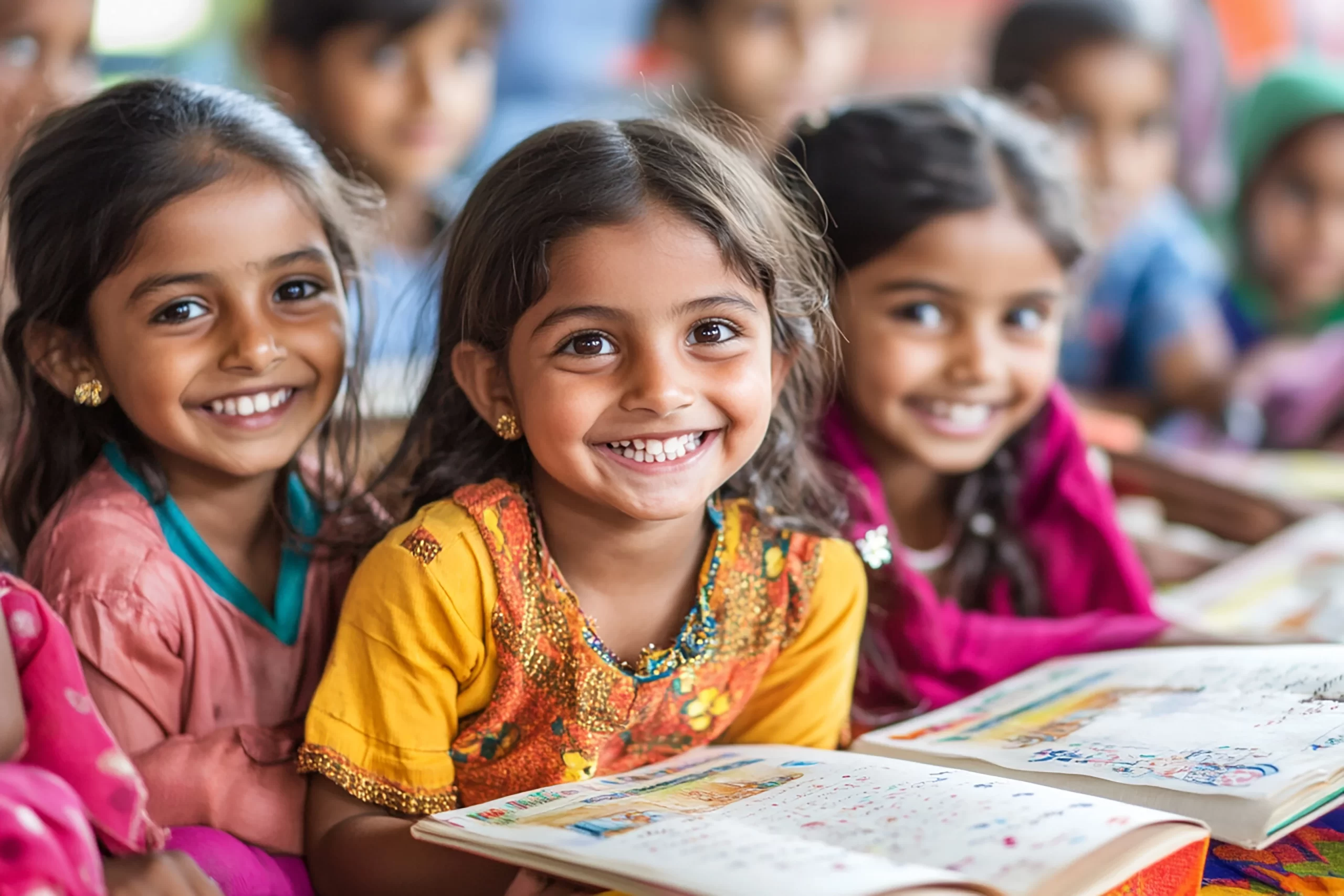
Anganwadi centres are a government initiative under the Integrated Child Development Services (ICDS) scheme. These centres focus on holistic child development, including nutrition, health, and early education, primarily targeting children from low-income families in rural areas. In addition to education, these centres provide supplementary nutrition and health check-ups, ensuring the overall well-being of children. In Anganwadis, non-formal education is provided to preschool-age children for about three hours a day. Children learn through songs, stories, and simple activities, and no rigid curriculum is followed. Anganwadis also serve as community support systems, empowering mothers through awareness programs on child health and development.
3. Balwadis
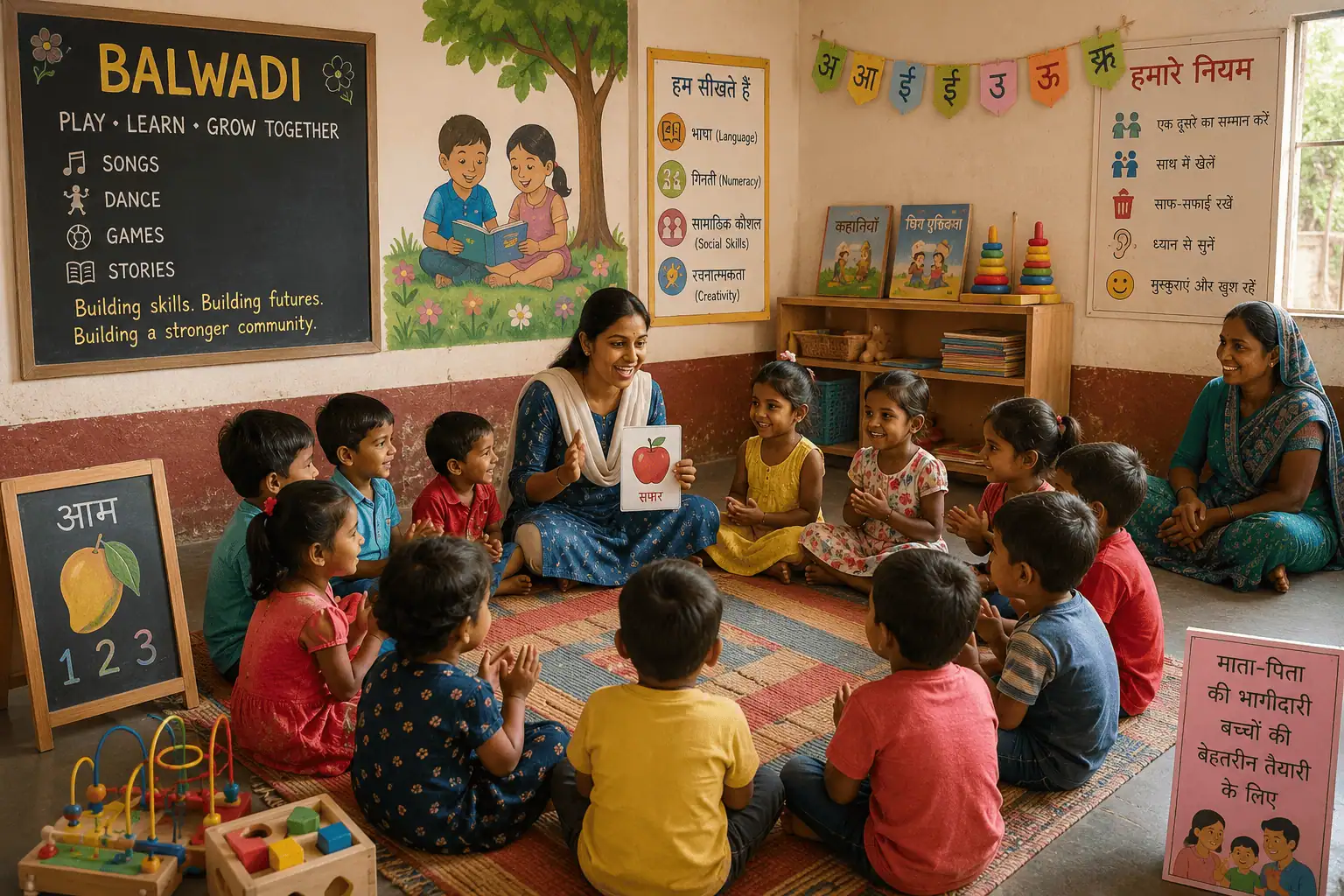
Balwadis are community-based early education centres catering to underprivileged children. They incorporate programs such as dance, song, games, etc., to promote social skills among kids. Their focus is on developing basic literacy, numeracy, and social skills through engaging activities like songs, stories, and games. The aim of Balwadis is to prepare children for formal schooling while promoting social equity. Often supported by NGOs or local governments, these centres also involve parents in the learning process, creating a strong foundation for children’s growth within their communities.
4. Play Schools
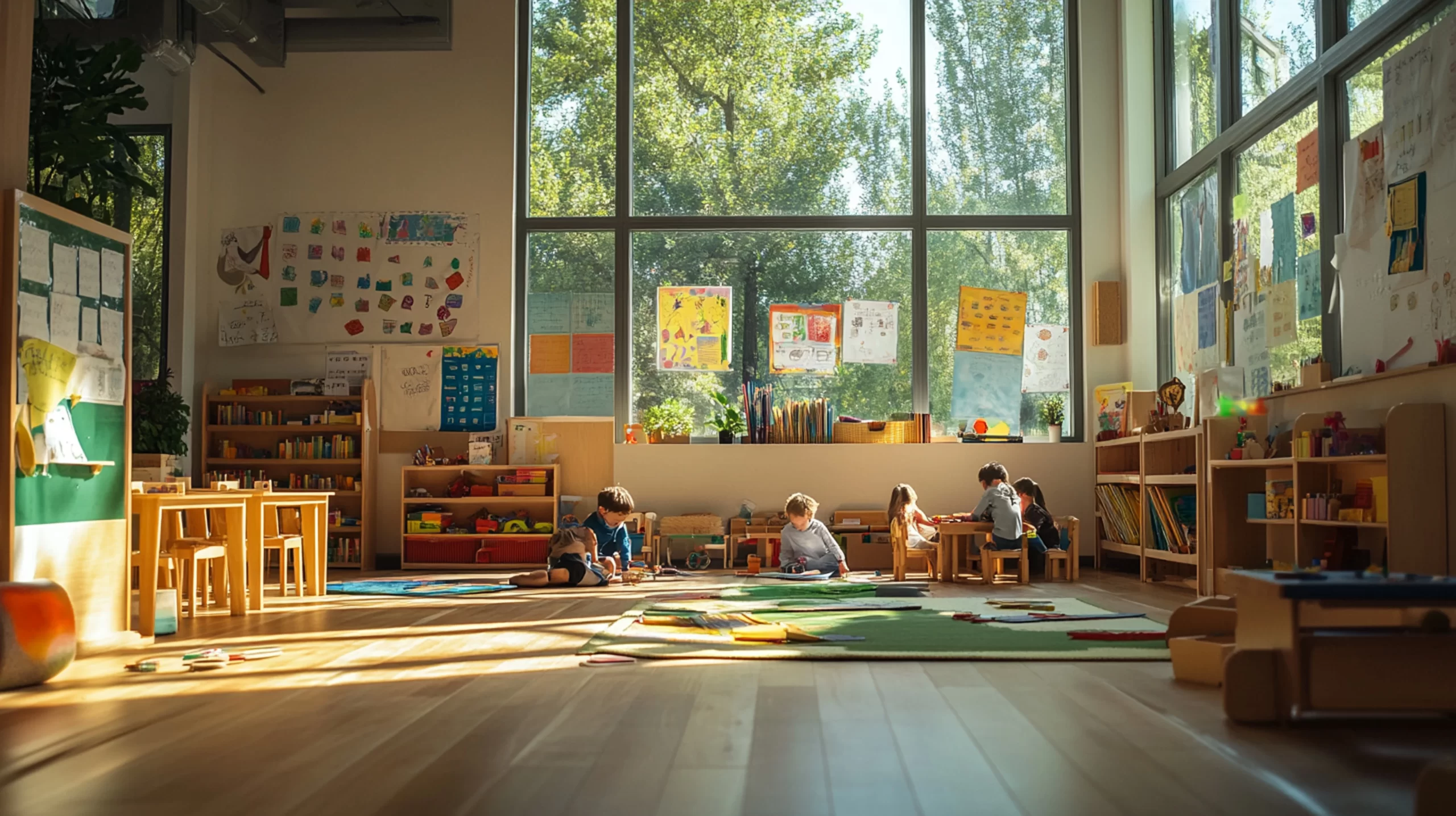
One of the most popular types of preschool programs in India is playschools. These are play-based informal learning environments where children learn through activities. These schools use games, music, art, and storytelling to stimulate creativity and build social skills, making them an excellent choice for introducing children to structured settings.
5. Nursery Schools/Kindergarten
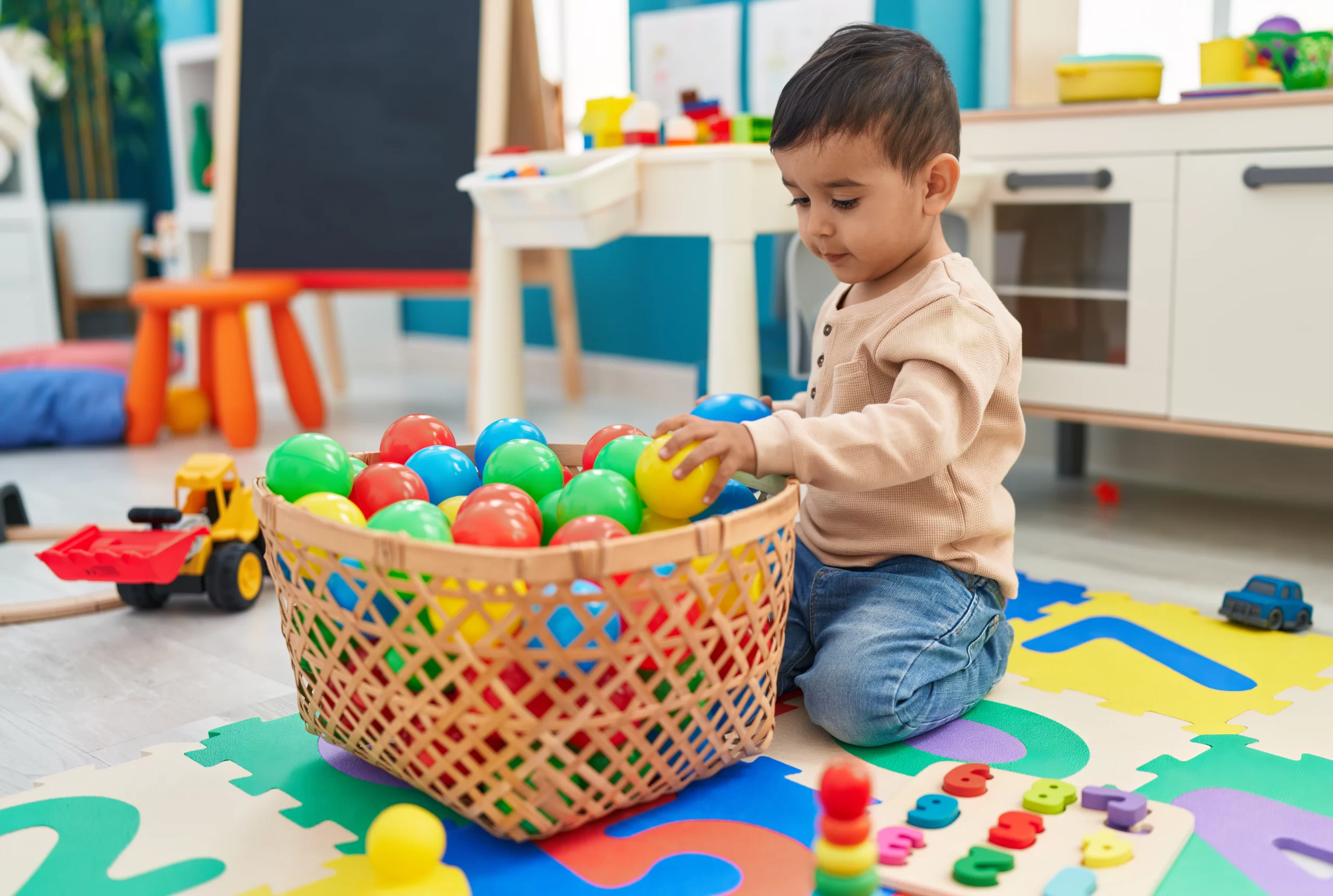
Nursery schools or kindergartens focus on preparing children for primary school. They primarily focuses on providing structured education to students between the ages of 3 to 6 years. The curriculum strikes a balance between academics, play, and social development, introducing foundational concepts in literacy and numeracy alongside creative activities. These schools also focus on developing life skills like self-discipline, responsibility, and teamwork, which are crucial for a smooth transition to formal education.
6. Crèche/Preschool
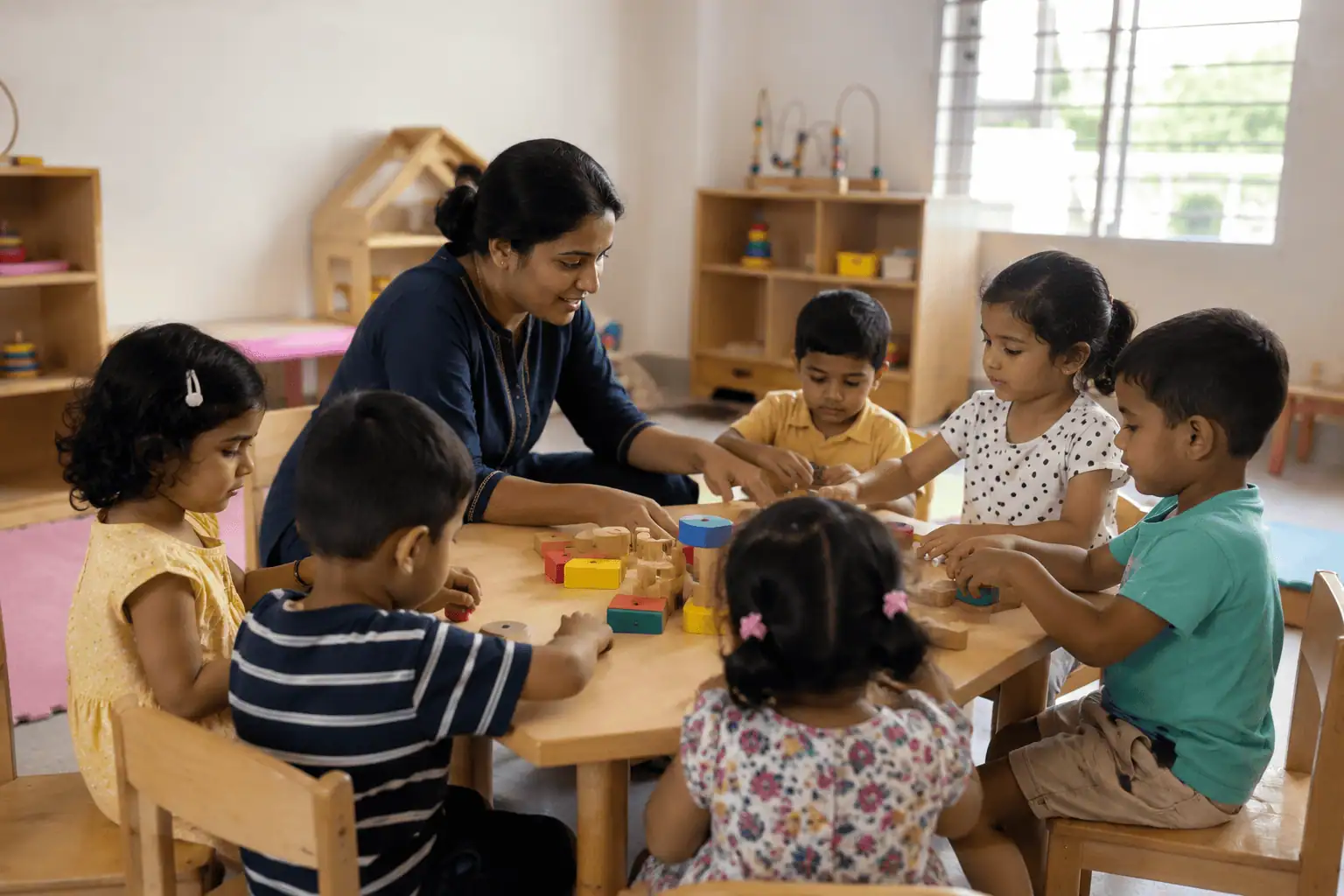
Crèches combine extended daycare with structured preschool activities, catering to the needs of working parents. These programs focus on building essential skills while ensuring a safe and engaging environment for children. With flexible hours and a focus on holistic development, crèches provide a seamless blend of caregiving and education, making them an ideal choice for modern families. It provides support to kids, including basic care, meals, nutrition, etc. The main aim of Creche is to ensure the safety and well-being of children, which gives flexibility to parents to manage their work and family responsibilities.
7. Montessori
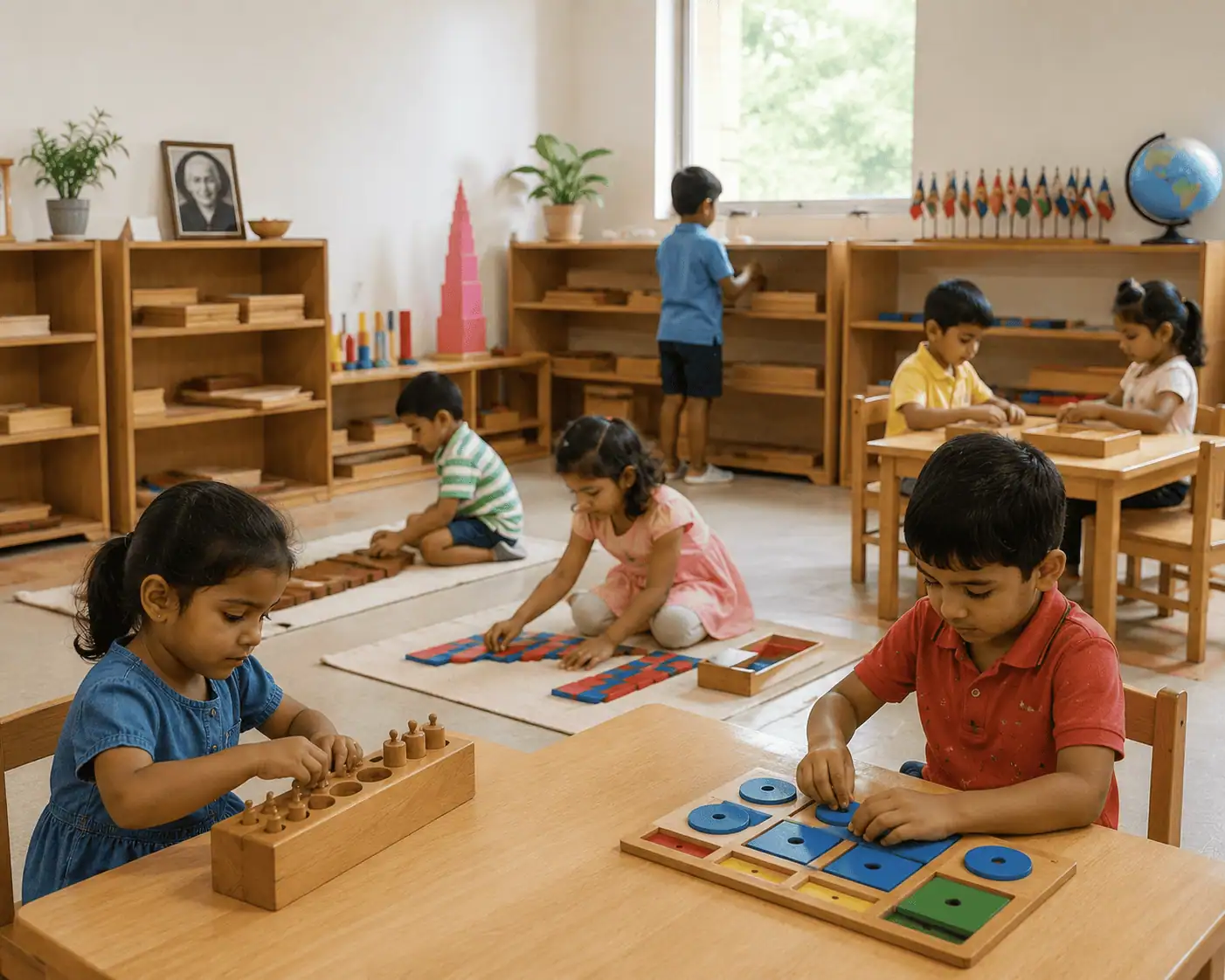
Montessori education, founded by Dr. Maria Montessori, is a child-centred approach focused on hands-on learning, independence, and mixed-age classrooms. Children choose activities based on their interests, building confidence, responsibility, and a love for learning, while teachers act as guides rather than traditional instructors.
Classrooms are open, flexible, and equipped with purposeful materials that encourage exploration and real-world understanding. The curriculum spans five core areas: practical life, sensorial, math, language, and cultural studies, and promotes global awareness, social responsibility, and positive conflict resolution. Montessori supports holistic development from infancy through adolescence, nurturing self-motivated and lifelong learners.
What’s the Best Type of Preschool Program?
The “best” preschool program really depends on your child’s personality, needs, and family routine. Some children thrive in play-based environments, while others may respond well to more structured learning. Factors such as location, language of instruction, class size, teacher qualifications, and safety should also be considered.
It’s also worth checking if the preschool aligns with your values. A good preschool program type nurtures curiosity, builds confidence, and encourages independence, not just academic performance.
How KLAY’s Thoughtfully Designed Preschool Curriculum Supports Child Development
At KLAY Preschool, the focus is on creating a comprehensive and engaging curriculum that meets the diverse needs of children. Here are the key benefits of KLAY’s approach to early education:
Holistic Development
The preschool curriculum at KLAY is designed to promote all-round development, encompassing physical, cognitive, emotional, and social growth. Through activities like sensory play, storytelling, and group exercises, children develop critical thinking, fine motor skills, and emotional resilience.
School Readiness
KLAY’s curriculum prepares children for the transition to formal schooling by focusing on foundational skills in literacy, numeracy, and problem-solving. The emphasis on structure and routine ensures that children are ready for the challenges of primary school.
Individualised Learning
Recognizing that each child is unique, KLAY’s curriculum offers personalized learning experiences. Activities are tailored to suit individual interests and abilities, ensuring every child feels valued and supported.
Engaging and Stimulating Learning Environment
KLAY’s classrooms are designed to be vibrant and inviting, encouraging exploration and creativity. With a mix of indoor and outdoor activities, children are constantly stimulated to learn through play and discovery.
Social and Emotional Development
Through collaborative activities and guided interactions, KLAY helps children build essential social skills. Emotional intelligence is nurtured through activities that teach empathy, communication, and teamwork, preparing children for real-world interactions.
The preschool curriculum requirements go beyond academics to encompass the overall well-being and growth of a child. A thoughtfully designed curriculum ensures that children not only excel academically but also grow into well-rounded individuals. Programs like KLAY’s align with international standards while being tailored to meet the needs of Indian children and families.
Final Thoughts
India offers a wide variety of types of preschool programs, each catering to different needs, communities, and educational philosophies. Whether you’re looking at a local Balwadi, an urban play school, or a structured kindergarten, understanding the options and analysing your needs can help you make the best choice for your child.
By familiarising yourself with the different types of preschools, you’re taking a thoughtful step towards shaping your child’s early learning journey.










Subscribe to our newsletter
[contact-form-7 id="12706" title="Newsletter Form for post page"]Our Related Blogs
Yoga Benefits, Activities, and Poses for Preschoolers
For preschoolers, yoga isn’t about perfection but about giggles and benefits. So, are you curious how a simple stretch can support a child’s focus, flexibility, and emotional well-being? Let’s roll...
Year-End Reflection and Goal Setting for Children
Parenting is a journey filled with the brightest moments and valuable lessons, both for us and our children. As the year draws to a close, it’s the perfect time to...
Work-Life Balance Solutions for Parents in Emerald Hills Rd, Sector 65, Gurugram: The KLAY Daycare Advantage
Finding the perfect balance between professional commitments and parenting is a challenge for many working families in Gurugram. Parents in Emerald Hills Rd, Sector 65, especially, look for childcare solutions...