



 76767 08888

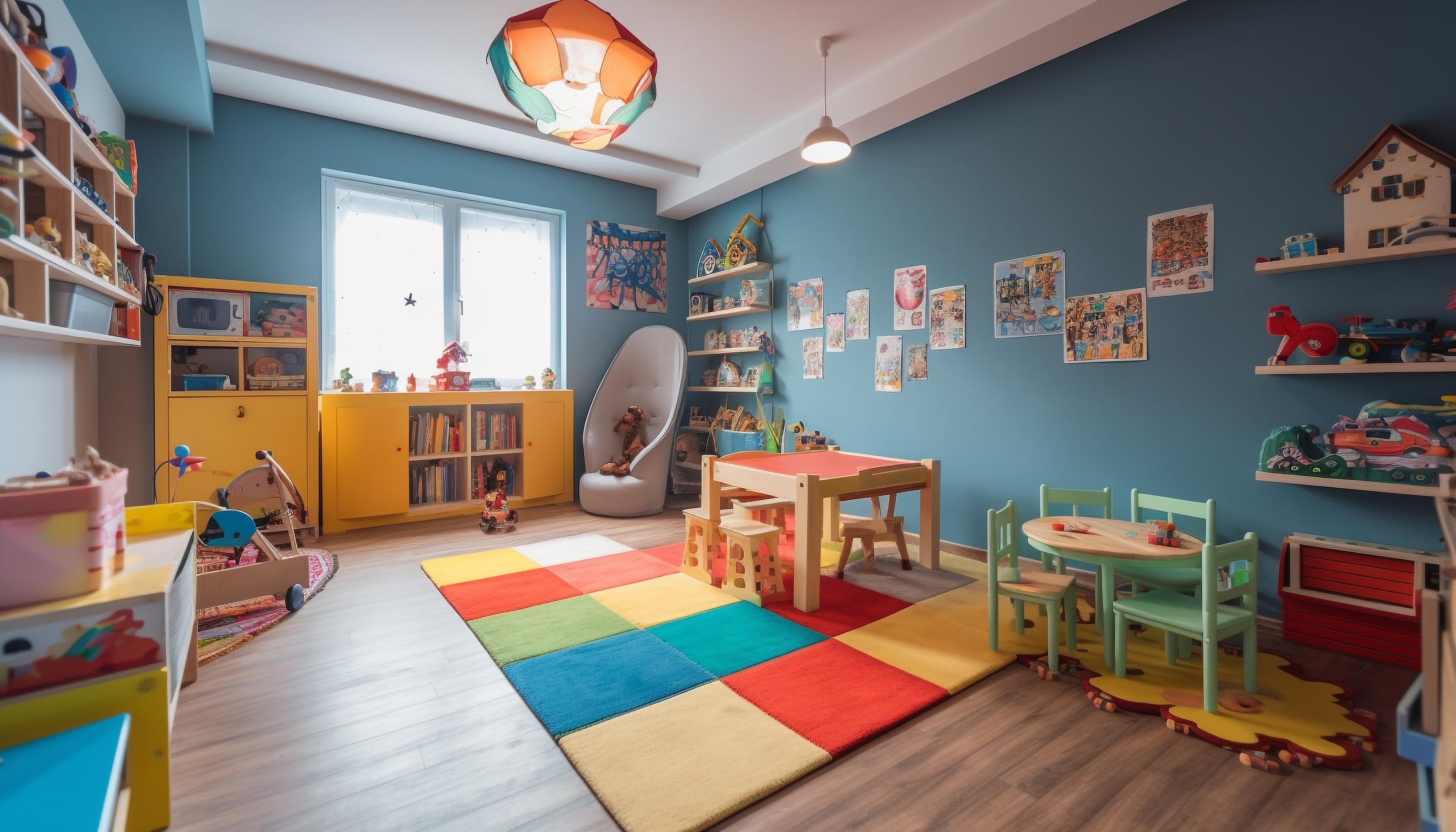


A preschool is an early childhood learning program for children between the ages of 3 and 6 that prepares them for formal schooling through play, exploration, and structured activities.
Preschools are your child’s first introduction to structured learning. Preschool education in India is getting the spotlight it deserves, especially with the National Education Policy (NEP) 2020 emphasising the crucial role of early childhood learning. The policy highlights ages 3 to 8 as the most vital years for cognitive and social development. As a result, more parents are realising just how much these formative years influence their child’s future academic success and overall growth.
But what is preschool and how will it shape your child’s foundational development? This guide is the perfect answer to your queries.
What is Preschool?
A preschool is a place for kids before they start primary school. Preschool is an educational program designed for kids between the ages of 3 and 6 years. It focuses on play-based learning, social development, and basic academic skills in a structured yet nurturing environment.
Why is Preschool Important?
Preschool kids are introduced to a formal educational setting mixed with playtime. This helps them unintentionally learn important skills. But what is the importance of a preschool? Below are some benefits of preschool learning for kids:
- Foundational Cognitive Skills: Preschool lays the foundation for early learning. Kids start recognising letters, numbers, and even basic problem-solving without even realising they are learning.
- Essential Developmental Skills: This is where kids learn to share, take turns, work in teams, and understand emotions. These social-emotional skills help them grow into becoming great little humans.
- Physical Skill Development: From holding a pencil to running around the playground, preschool helps kids develop both fine motor skills (small movements) and gross motor skills (big movements).
- Creative Expression: Whether it is messy finger painting, singing nursery rhymes, or making up stories, preschool gives kids the space to explore their creativity in the best ways.
To read the importance in detail, learn our guide: Importance of Preschool Education
NEP 2020 and the Growing Focus on Preschool Education
The importance of preschool has grown even further with the introduction of the National Education Policy (NEP) 2020. Instead of viewing preschool as an optional step before school, the policy recognises it as the starting point of a child’s learning journey.
NEP 2020 introduced a new 5+3+3+4 education structure, replacing the older system. The first stage, known as the Foundational Stage, covers children between 3 and 8 years of age, including three years of preschool and the first two years of primary school. This change reflects what child development experts have long believed. The early years play a major role in shaping how children think, communicate, and learn.
Research also shows that more than 85% of a child’s brain develops before the age of six. During this time, children are naturally curious, eager to explore, and quick to absorb new experiences. A quality preschool gives them the right environment to develop language, creativity, problem solving, social skills, and emotional confidence through meaningful play and everyday interactions.
Rather than introducing formal academics too early, NEP 2020 encourages activity based and play based learning that makes education enjoyable while helping children build a strong foundation for future learning. This is why choosing the right preschool has become more important than ever for parents across India.
Is your little one ready for preschool?
Every child develops at their own pace. Use our preschool readiness checklist to understand whether your child is prepared for this exciting first step. Explore the Preschool Readiness Checklist
What Do Kids Learn at Preschool?

Preschool is not just about ABCs and 123s. This is the place where little minds start exploring, questioning, and growing in a fun, structured way. Here’s what happens:
- Math Skills: Counting, sorting, shapes, and basic patterns are introduced through games, songs, and hands-on activities. No pressure, just fun!
- Play-Based Learning: Kids learn best when they play! From pretend play to building blocks, every activity teaches problem-solving, creativity, and social skills.
- Storytelling: Stories spark imagination, improve vocabulary, and help kids understand emotions and the world around them. Bonus: It builds early literacy skills!
- Hands-on Activities: Think about arts, crafts, puzzles, and experiments. These activities keep your child’s little hands busy and little brains engaged.
- Multi-Sensory Learning: Learning through sensory play, such as touch, sound, movement, and visuals, makes concepts stick better and keeps kids excited to explore.
- Outdoor Learning: Running, jumping, and nature walks help develop motor skills, teamwork, and a love for the outdoors. Preschool is helping kids learn beyond four walls!
- Positive Reinforcement: Encouragement, praise, and rewards boost confidence and help kids develop a lifelong love for learning.
What is the Right Preschool Age?
Most preschools accept kids between the ages of 3 till 6 years. However, the right age for preschool can vary depending on your preschooler’s developmental readiness, communication skills, and family’s work schedule.
Ask yourself:
- Is your child comfortable being away from you for a few hours?
- Are they able to follow simple instructions?
- Are they socially ready to play and interact with other kids?
- Can they eat snacks alone?
- Are they potty trained?
Learn more in our detailed guide: Right Preschool Age in India
What are the Different Types of Preschools in India?
You can find different types of preschools in India, including:
- Nursery: Typically for kids aged 2 to 4, focusing on basic learning through play, storytelling, and fun preschool activities.
- Kindergarten: A structured early education program (LKG & UKG) that preps kids (4-6 years) for primary school with foundational literacy and numeracy.
- Playschools/Play Centres: Informal learning spaces for toddlers (1.5–3 years) with an emphasis on play-based development and social skills.
- Anganwadi: Government-run centres in India providing preschool education, nutrition, and healthcare for children in rural and low-income areas.
- Balwadi: Community-based preschools offering basic education to underprivileged kids, often run by NGOs or local bodies.
- Crèche: More of a daycare setup for working parents, ensuring kids (from infants to 5 years) are cared for and engaged while parents are at work.
To know the different types and their methodology, read our guide: Different Types of Preschools in India
Popular Preschool Methodologies in India
Choosing the right preschool means understanding different educational approaches. Here’s a concise overview of the most popular methodologies in India to help you make an informed decision:
-
Montessori Method
- Approach: Children learn at their own pace through hands-on activities in a structured environment. Classrooms are designed for independence, with teachers guiding rather than instructing.
- Best for: Parents who value problem-solving and want to foster independence early.
-
Waldorf Method
- Approach: Focus on a holistic mix of academics, arts, music, and play. Early learning is creative and pressure-free, emphasizing imagination and emotional development. Teachers stay with the same group for several years.
- Best for: Families seeking a creative, play-based environment without early academic pressure.
-
Reggio Emilia Approach
- Approach: Encourages exploration and learning through projects driven by children’s interests. Teachers document learning with photos and notes, supporting self-expression in many forms.
- Best for: Inquisitive children who thrive on hands-on, collaborative experiences.
-
Playway Method
- Approach: Learning centres on play—storytelling, music, games, and role play. The curriculum is flexible, making lessons engaging and enjoyable.
- Best for: Parents wanting a joyful, stress-free early learning experience that builds social and cognitive skills.
-
Bank Street Method
- Approach: The Bank Street method encourages children to learn by doing rather than simply listening. Activities like puzzles, building blocks, experiments, role play, sorting games, and simple challenges are designed to help children think independently. Instead of immediately giving answers, teachers encourage children to explore different ways to solve a problem. This approach strengthens logical thinking, observation, decision-making, and problem-solving skills while keeping learning enjoyable and practical.
- Best for: Children who enjoy exploring, experimenting, and learning through real-life experiences
- Approach: The Bank Street method encourages children to learn by doing rather than simply listening. Activities like puzzles, building blocks, experiments, role play, sorting games, and simple challenges are designed to help children think independently. Instead of immediately giving answers, teachers encourage children to explore different ways to solve a problem. This approach strengthens logical thinking, observation, decision-making, and problem-solving skills while keeping learning enjoyable and practical.
-
HighScope Curriculum
- Approach: The HighScope curriculum follows a simple “Plan, Do, Review” routine. Children first decide what they want to do, then carry out the activity, and finally talk about what they learned. This process helps children become more independent while improving planning, communication, and decision-making skills. Teachers actively participate by asking questions and encouraging children to reflect on their experiences rather than simply giving instructions.
- Best for: Parents looking for a balanced preschool program that combines independent learning with teacher guidance.
- Approach: The HighScope curriculum follows a simple “Plan, Do, Review” routine. Children first decide what they want to do, then carry out the activity, and finally talk about what they learned. This process helps children become more independent while improving planning, communication, and decision-making skills. Teachers actively participate by asking questions and encouraging children to reflect on their experiences rather than simply giving instructions.
These methodologies offer distinct learning environments, allowing you to choose one that fits your child’s personality and your family’s values.
Confused Between Nursery, Preschool, and Kindergarten?
Many parents use these terms interchangeably, but they serve different purposes in a child’s early education journey. Understanding the differences can help you choose the right program at the right age.
Compare Nursery, Preschool, and Kindergarten
How to Choose the Right Preschool for My Child?
Choosing a preschool is about much more than finding a school close to home. The right environment should support your child’s overall growth while making learning enjoyable. Before making a decision, use this checklist to compare different preschools.
☐ Preschool Curriculum: Look for a well-rounded curriculum that balances academics, play, and social skills to set a strong foundation.
☐ Character Development: A good preschool nurtures values like kindness, sharing, and responsibility through everyday activities.
☐ Nurturing Environment: Kids thrive in a warm, welcoming space where teachers are caring and encourage curiosity.
☐ Engaging Learning: Interactive, hands-on activities keep little ones excited about learning and help them grasp concepts better.
☐ Hygiene and Safety Standards: Clean classrooms, secure premises, and proper health protocols ensure your child’s well-being.
☐ Teacher Qualifications: Experienced and trained teachers make a big difference in how effectively children learn and grow.
☐ Parent Involvement: Schools that encourage parent participation create a stronger support system for a child’s development.
☐ Location Convenience: A preschool close to home or work makes drop-offs and pick-ups stress-free while keeping your child nearby.
Learn more in our detailed guide: Choose the Right Preschool for Your Child: A Parent’s Guide
Common Preschool Myths, Explained
Many parents hear conflicting opinions about preschool. Some believe children should start as early as possible, while others think it is unnecessary. Let’s clear up some common misconceptions.
-
Myth 1: Preschool Is Just Glorified Babysitting
Reality: Preschool is much more than supervised childcare. Every activity, from storytelling and building blocks to outdoor play and singing, is planned with a learning purpose. Children develop communication skills, emotional awareness, creativity, and problem-solving while having fun.
-
Myth 2: Preschool Alone Determines Academic Success
Reality: Preschool can give children a strong start, but it is only one part of their learning journey. Family support, positive experiences at home, curiosity, and continued encouragement all play an equally important role in long-term academic success.
-
Myth 3: Preschool Should Focus Mainly on Reading and Worksheets
Reality: Young children learn best through play and exploration. Activities like painting, role play, singing, puzzles, outdoor games, and hands-on projects help develop language, fine motor skills, listening, attention, and social confidence much more effectively than early worksheets alone.
-
Myth 4: Preschool Only Means More Colds and Infections
Reality: It is true that children may catch more common illnesses during their first few months because they are exposed to other children. However, this exposure gradually helps strengthen their immune system, and many children experience fewer common illnesses once they begin formal schooling.
-
Myth 5: Children Must Be Fully Potty Trained Before Joining Preschool
Reality: Many preschools understand that toilet training is still a work in progress for young children. While every school has its own policy, several programs support children during this transition and are prepared to handle occasional accidents with patience and care.
Nurture Your Little One to Create, Imagine, and Do with KLAY!
At Klay Preschool, we do more than just teach. We lay the groundwork for essential life skills that prepare children for the future. Our curriculum is not just about academics, but it is also designed to nurture well-rounded development, ensuring kids grow cognitively, emotionally, socially, and physically.
KLAY’s Preschool Program nurtures every part of your child’s growth in a fun learning environment.
FAQs
1. What is The Definition of Preschool?
Preschool is an early childhood educational program for children aged 2 to 6, focusing on learning through play and social interaction under the guidance of trained professionals. Preschool prepares children for formal schooling by fostering cognitive, emotional, and social development. It helps them build confidence, communication skills, and a foundation for academic learning.
2. When Should My Child Start Preschool?
Most experts recommend that children start preschool between the ages of 2 to 4 years, with many preschools accepting children around age 3. However, readiness can vary based on individual developmental factors such as emotional maturity and social skills
3. How can I help my child get the most out of preschool?
Encourage a consistent routine, talk about their day, engage in learning activities at home, foster social skills, and maintain open communication with teachers. A positive attitude and active involvement in their learning journey will help them thrive.
4. How is preschool different from nursery and kindergarten?
Preschool is a broad term for early childhood education before primary school. Nursery focuses on play-based learning for toddlers aged 2 to 3 years. Kindergarten (LKG & UKG) is more structured, preparing kids (4–6 years) for formal schooling with early literacy and numeracy skills.
5. How can I prepare my kid for preschool?
Preparing your kid for preschool requires planning. Start by establishing a routine, encouraging independence (like eating and dressing), socialising with other kids, reading together, and introducing basic concepts through play. Visiting the preschool with your kid beforehand can also help ease the transition.
6. What will my child need for preschool?
Following are the few important things your child will need for preschool:
- Backpack
- Water bottle
- Lunchbox/snacks
- An extra set of clothes
- Comfortable shoes
- School supplies (if required)
7. What to do if my child has separation anxiety?
Separation anxiety is common. Ease the transition by starting with short separations, creating a goodbye routine, and reassuring your child that you will be back. Stay calm and positive, and avoid lingering during drop-offs. Most kids adjust with time and consistency.
8. Which class comes under preschool?
Preschool typically includes Playgroup, Nursery, and sometimes Lower Kindergarten (LKG). These classes focus on early learning, social skills, and school readiness before formal schooling begins.
9. What is the difference between preschool and daycare?
Preschool focuses on structured early learning and school readiness for children aged 2 to 6 years, with set hours. Daycare is a program that focuses on childcare and supervision of children when the parents are working. It can either be a full-day care or half-day care, including meals and naps, catering to working parents, with a mix of play and basic learning.
10. What should my child know before preschool?
Before preschool, your child should be comfortable with basic skills like following simple instructions, recognising their name, using the toilet, eating independently, and socialising with peers. Basic communication and motor skills also help with a smooth transition.
11. How Much Does Preschool Cost in India?
Preschool fees vary depending on the city, curriculum, facilities, and school brand. In most cases, annual fees can range anywhere between ₹30,000 and ₹2,00,000 or more. It is always a good idea to compare what is included in the fee, such as meals, transport, learning materials, and extracurricular activities, before making a decision.
12. What Does a Typical Preschool Day Look Like?
A typical preschool day includes free play, circle time, storytelling, music, art and craft, outdoor activities, snack breaks, and simple learning sessions focused on numbers, letters, shapes, and language. The schedule is designed to balance structured learning with plenty of opportunities for play, exploration, and social interaction.







Subscribe to our newsletter
[contact-form-7 id="12706" title="Newsletter Form for post page"]Our Related Blogs
Yoga Benefits, Activities, and Poses for Preschoolers
For preschoolers, yoga isn’t about perfection but about giggles and benefits. So, are you curious how a simple stretch can support a child’s focus, flexibility, and emotional well-being? Let’s roll...
Year-End Reflection and Goal Setting for Children
Parenting is a journey filled with the brightest moments and valuable lessons, both for us and our children. As the year draws to a close, it’s the perfect time to...
Work-Life Balance Solutions for Parents in Emerald Hills Rd, Sector 65, Gurugram: The KLAY Daycare Advantage
Finding the perfect balance between professional commitments and parenting is a challenge for many working families in Gurugram. Parents in Emerald Hills Rd, Sector 65, especially, look for childcare solutions...