



 76767 08888

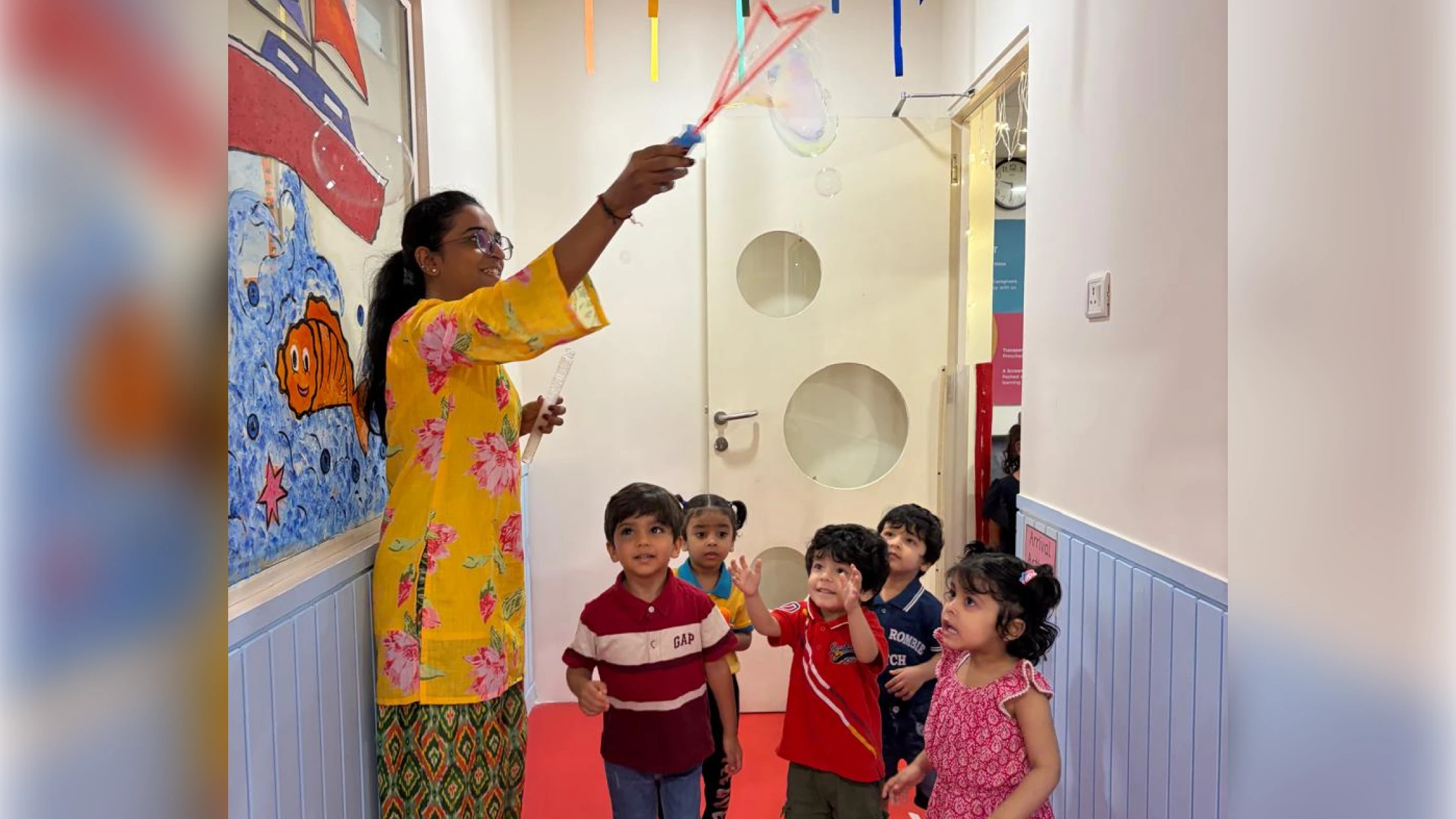


Deciding when to enrol your child in preschool is one of the biggest decisions you’ll make as a parent. While some families are eager to begin their child’s early learning journey, others prefer to wait, hoping their child will be more independent or emotionally ready. But does delaying preschool make a difference?
Before exploring the effects, it’s important to understand what preschool actually is and why it matters. Preschool is much more than a place where children learn letters and numbers. It is a carefully designed environment that nurtures social, emotional, cognitive, and physical development through play and exploration. Read more about what preschool actually is and why it matters here.
What is the ideal age to start preschool?
While every child develops at their own pace, early childhood experts generally recommend the ideal age to start preschool between 2.5 and 3 years, when children naturally begin showing curiosity about the world around them and become more independent.
A typical preschool structure like KLAY includes:
- Infant: 5-15 Months
- Jr toddler: 15- 24 months
- Senior toddler: 2- 3 years
- Pre K: 3- 4 years
- K1:4- 5 years
- K2: 5- 6 years
To learn more about choosing the ideal age to start preschool, read our guide.
Why do some parents delay preschool admission?
Every family has different reasons for postponing preschool, and many of them are completely understandable.
- Separation anxiety: Parents often worry that their child may find it difficult to stay away from them.
- Health and immunity: Some families feel that waiting may reduce frequent illnesses during the early years.
- Preference for learning at home: Parents may believe they can teach essential skills and concepts before formal preschool begins.
- School admission planning: Some choose to delay preschool to align with future primary school admissions or age cut-offs.
What are the effects of delaying preschool entry?
Slower development of social skills
One of the biggest benefits of preschool is daily interaction with peers. Through group play, children learn to share, cooperate, take turns, solve conflicts, and build friendships. These social-emotional skills in preschoolers play an important role in helping children become confident learners. Learn more here.
Limited opportunities to develop communication skills
Preschool exposes children to conversations with teachers and classmates every day. Singing songs, storytelling, role play, and collaborative activities encourage children to express themselves and build vocabulary. These experiences strengthen communication skills in preschoolers, preparing them for future learning. Read more.
Reduced exposure to physical development activities
A quality preschool includes activities that support both large and small muscle development. Outdoor play, climbing, balancing, running, and movement games build gross motor skills activities for children, while puzzles, drawing, threading beads, and craft activities improve fine motor skills activities for preschoolers. Explore more:
Difficulty adjusting to structured routines
Preschool gently introduces children to daily routines such as circle time, snack breaks, play sessions, and group activities. Children who enter much later may initially find it more challenging to adapt to structured schedules and classroom expectations.
Are there any benefits to delaying preschool?
To present a balanced perspective, it’s worth recognising that delaying preschool may have some advantages for certain children.
Possible benefits include:
- More quality family bonding time.
- Greater emotional maturity before entering a classroom.
- A slower transition into structured learning.
However, these benefits largely depend on whether children continue receiving rich learning opportunities, social interactions, play experiences, and developmental stimulation at home.
What matters most: The quality of early learning
Rather than focusing only on the starting age, parents should pay close attention to the quality of their child’s early learning experiences.
A good preschool offers:
- A play-based curriculum.
- Nurturing and responsive teachers.
- A safe and stimulating learning environment.
- Opportunities for creativity, exploration, and discovery.
- A strong focus on emotional, social, physical, and cognitive development.
At KLAY, every learning experience is designed to support children at their own pace. Through developmentally appropriate practices, experiential learning, small teacher-child ratios, and a holistic approach to child development, children build the confidence and skills they need for lifelong learning.
Signs your child may be ready for preschool
Every child is unique, but some common signs indicate preschool readiness:
- Shows curiosity about other children.
- Enjoys exploring new places and environments.
- Can follow simple instructions.
- Uses basic words and sentences to communicate.
- Enjoys stories, music, pretend play, and interactive activities.
Remember that children don’t need to master every skill before starting preschool, they continue developing these abilities through everyday learning experiences.
How KLAY supports children during the preschool transition
Starting preschool is a significant milestone, and a smooth transition can make all the difference.
At KLAY, children are welcomed through a gradual settling process that helps them become comfortable at their own pace. Our nurturing teachers create warm, trusting relationships while play-based learning encourages children to explore with confidence. Structured daily routines provide a sense of security, while activities focused on social and emotional development help children build friendships and adjust naturally to their new environment.
If you’re preparing for this milestone, read our guide.
Conclusion
Every child develops differently, and there is no single “perfect” age to begin preschool. However, delaying preschool may reduce valuable opportunities for social interaction, communication, and early developmental learning. The key is not simply when your child starts, but where they begin their learning journey.
A nurturing, play-based preschool environment like KLAY helps children develop confidence, curiosity, independence, and essential life skills, laying a strong foundation for future success both inside and outside the classroom.










Subscribe to our newsletter
[contact-form-7 id="12706" title="Newsletter Form for post page"]Our Related Blogs
Yoga Benefits, Activities, and Poses for Preschoolers
For preschoolers, yoga isn’t about perfection but about giggles and benefits. So, are you curious how a simple stretch can support a child’s focus, flexibility, and emotional well-being? Let’s roll...
Year-End Reflection and Goal Setting for Children
Parenting is a journey filled with the brightest moments and valuable lessons, both for us and our children. As the year draws to a close, it’s the perfect time to...
Work-Life Balance Solutions for Parents in Emerald Hills Rd, Sector 65, Gurugram: The KLAY Daycare Advantage
Finding the perfect balance between professional commitments and parenting is a challenge for many working families in Gurugram. Parents in Emerald Hills Rd, Sector 65, especially, look for childcare solutions...