



 76767 08888

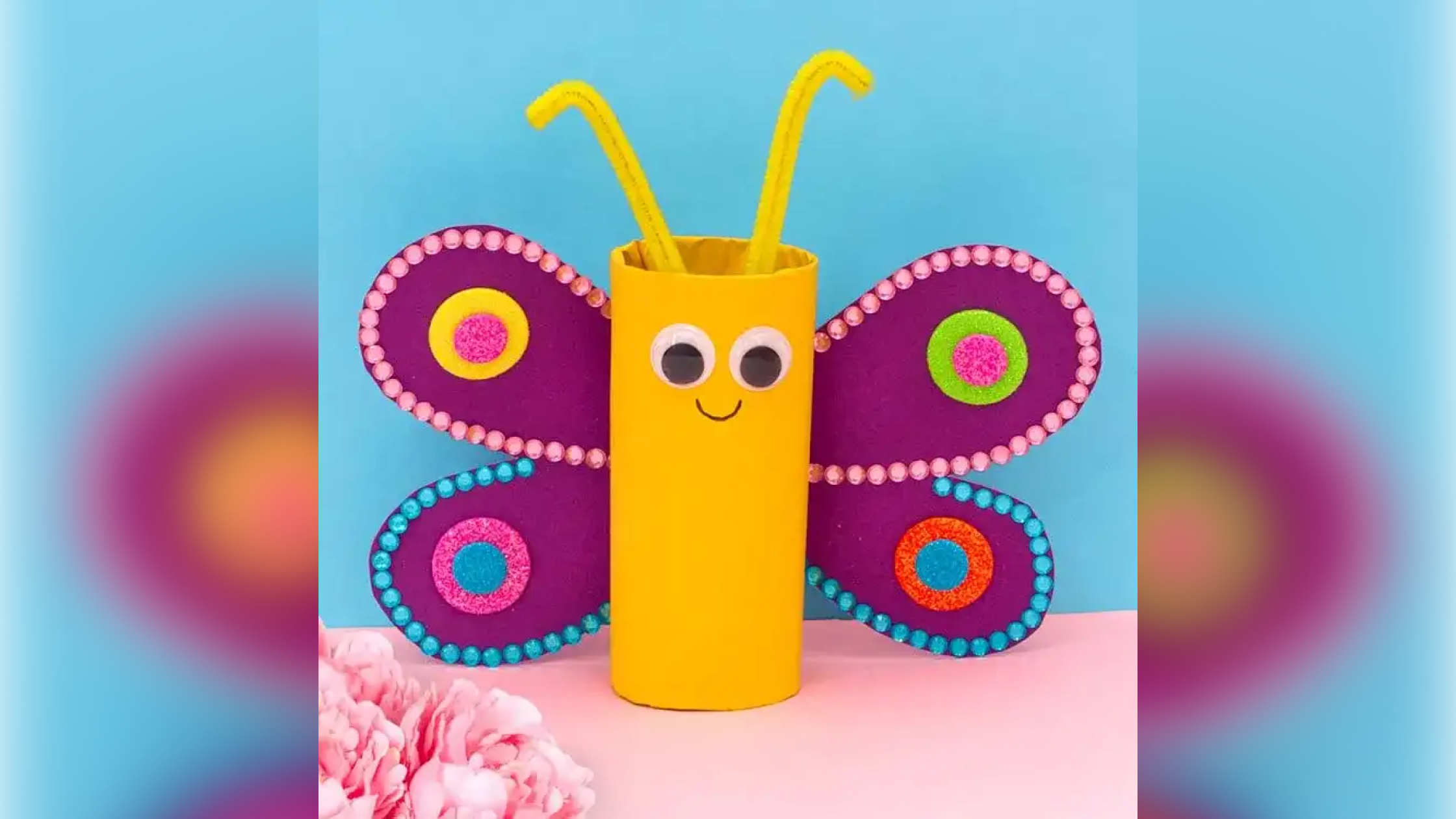


Have you ever given your child an empty cardboard box, only to find that it becomes a house, a car, a rocket, or somehow all three? Before you recycle that box, turn it into an opportunity for play-based learning with these simple cardboard activities for preschoolers that make learning feel like fun.
Why cardboard activities are great for preschoolers
Cardboards are inexpensive, easy to find and wonderfully open-ended, making them a great material for children to explore, create and learn.
- Creativity: Children can turn a simple box into almost anything they imagine, giving them the freedom to create without a fixed outcome.
- Fine motor skills: Drawing, sticking, tearing, threading and decorating help strengthen the small muscles in their hands and fingers.
- Hand-eye coordination: Activities such as threading, sorting and matching encourage children to coordinate what they see with how they move their hands.
- Communication: Pretend play and storytelling encourage children to express ideas, describe what they are doing, and interact with others.
- Problem-solving: Building, sorting and creating structures give children opportunities to try, make changes, and find solutions.
- Pretend play: A box can become a shop, kitchen, bus or home, allowing children to recreate familiar experiences and invent new ones.
- Early literacy: Matching letters, creating stories and labeling pretend-play spaces can introduce children to letters, sounds, and new vocabulary.
- Early numeracy: Sorting, counting and matching numbers with objects make early mathematical concepts more tangible.
- Sustainable habits: Reusing cardboard can help children see how everyday materials can be given a new purpose instead of being thrown away.
15 cardboard activities for preschoolers
The beauty of cardboard activities for preschoolers is that they do not need to look perfect. Let your child decide what to make, ask questions along the way, and follow their imagination.
1. Cardboard playhouse
A large cardboard box can quickly become a little home, café, shop or anything your child imagines.
What you’ll need: Large cardboard box, washable markers, masking tape, stickers and child-safe paint, if desired.
How to do it: An adult can cut out the door and windows. Let your child decorate the box freely, then add cushions, blankets, or soft toys. Encourage them to decide who lives there and what happens inside.
Skills developed: Imagination, communication, creativity, and social skills.
2. Cardboard car or bus
Turn a large box into a car or bus and let your child take imaginary passengers on adventures.
What you’ll need: Large cardboard box, paper plates, tape and markers.
How to do it: Draw windows and wheels, add a steering wheel, and create pretend tickets. Ask, “Where are we going?” or “Who are we picking up?”
Skills developed: Imagination, language, and social interaction.
3. Puppet theatre
A cardboard box can become a little stage for stories starring your child’s favourite characters.
What you’ll need: Medium cardboard box, craft sticks, paper, glue and crayons.
How to do it: An adult can cut out a stage opening. Help your child make simple puppets using paper and craft sticks. Then let them create their own story.
Skills developed: Language, storytelling, confidence, and creativity.
4. Pretend kitchen
Create a kitchen from cardboard boxes and let your child recreate everyday cooking and mealtime routines.
What you’ll need: Cardboard boxes, bottle caps, markers, and toy utensils.
How to do it: Draw stove burners and an oven and attach bottle caps as pretend knobs. Encourage your child to “cook” meals, take orders, or prepare food for their toys.
Skills developed: Imagination, communication, cooperation and vocabulary.
5. Shape sorting box
Turn a cardboard box into a simple shape sorter to introduce early mathematical concepts.
What you’ll need: Cardboard box, cardboard shapes and a marker.
How to do it: Cut openings that match the shapes. Ask your child to find the correct opening for each circle, square, or triangle.
Skills developed: Shape recognition, fine motor skills, and problem-solving.
6. Feed the hungry animal
Make a friendly cardboard animal with a big open mouth and invite your child to feed it.
Cut out an animal’s face on a box and create paper fruits, pom-poms or coloured counters as food. Ask, “Can you feed the bear three apples?” or “Which fruit should we give the rabbit?”
Skills developed: Fine motor skills, counting, hand-eye coordination and language.
7. Colour sorting station
Create different coloured compartments on a piece of cardboard and let your child sort everyday objects into them.
You can use safe household objects such as large blocks, paper shapes, or toys. Ask your child to explain why each object belongs to a particular group.
Skills developed: Colour recognition, sorting, and observation.
8. Alphabet letter match
Cut out large cardboard letters and pair them with pictures or familiar objects.
For example, place B next to a picture of a ball and C next to a picture of a cat. You can also ask your child to find something around the room that starts with a particular sound.
Skills developed: Letter recognition, vocabulary, and memory.
9. Number match board
Create cardboard number cards from 1 to 10 and invite your child to match each number with the correct quantity of objects.
For example, place five buttons or large counters next to number 5. Keep counting aloud together as your child matches each group.
Skills developed: Counting, number recognition, and observation.
10. Nature collage board
Take cardboard outdoors and invite your child to collect safe natural materials such as fallen leaves, flowers, grass, and twigs. Then bring them together to create a collage. This can also complement other outdoor activities for preschoolers.
Let your child decide how to arrange the materials and talk about their colours, textures, and shapes.
Skills developed: Creativity, observation, and sensory exploration.
11. Sticker art board
Give your child a piece of cardboard and let them decorate it with stickers, stamps, or washable colours.
There is no picture to copy and no “right” way to do it. Ask them to tell you about their artwork or turn it into a character, garden, or imaginary place.
Skills developed: Pincer grip, creativity and hand-eye coordination.
12. Cardboard threading board
Punch large holes around the edge of a sturdy piece of cardboard and provide yarn or thick shoelaces for children to thread through.
Start with a few holes and gradually add more as your child becomes comfortable. They can create simple patterns while threading.
Skills developed: Fine motor skills, bilateral coordination, and concentration.
13. Cardboard building challenge
Give your child cardboard boxes and tubes and challenge them to build a tower, bridge, castle, or another structure.
Instead of showing them exactly how to build it, ask questions such as, “What could make your tower stronger?” or “How can we make the bridge longer?”
Skills developed: Problem-solving, spatial awareness, and creativity.
14. Treasure discovery box
Decorate a cardboard box and fill it with safe natural objects and familiar household items.
Invite your child to explore, sort, and describe what they find. Ask questions such as, “Which one feels rough?” or “Can you find two things that are the same shape?”
Skills developed: Sensory exploration, vocabulary and observation.
15. Cardboard art easel
Fold or join pieces of sturdy cardboard to create a simple tabletop easel.
Let your child draw, paint or display their artwork on it. You could even turn it into a mini art gallery and ask your child to “exhibit” their favourite creations.
Skills developed: Creativity, self-expression and fine motor skills.
Safety tips for cardboard activities
A little preparation can help keep cardboard activities for preschoolers safe and enjoyable.
- Always supervise children when cardboard needs to be cut.
- Use child-safe scissors and non-toxic glue and paints.
- Remove staples, loose tape, and sharp or rough edges before giving cardboard to children.
- Clean recycled boxes before using them for play.
- Avoid small loose parts that may be unsuitable for younger children.
- Check homemade toys regularly for damage or loose pieces.
FAQs on cardboard activities for preschoolers
1. Are cardboard activities safe for preschoolers?
Yes, cardboard activities for preschoolers can be safe when adults prepare the materials appropriately and supervise activities that involve cutting, glue, or small objects.
2. What age is suitable for cardboard crafts?
Cardboard crafts can be adapted for different ages. The activities in this guide are designed with children aged 3–5 years in mind.
3. How do cardboard activities support child development?
They provide opportunities to practise creativity, fine motor skills, communication, problem-solving, coordination, early literacy, and numeracy through hands-on play.
4. What skills can preschoolers learn through cardboard play?
Children can develop imagination, communication, fine motor skills, hand-eye coordination, problem-solving, counting, sorting, vocabulary, and social skills.
5. Can cardboard activities be used indoors?
Absolutely. Most cardboard activities are ideal for indoor play, especially on rainy days or when children need a screen-free activity at home.
6. How can I make cardboard play more engaging?
Follow your child’s interests and let them lead. Add storytelling, counting, songs, questions, and pretend-play scenarios to extend the activity. Most importantly, focus on exploration rather than making the finished creation perfect.










Subscribe to our newsletter
[contact-form-7 id="12706" title="Newsletter Form for post page"]Our Related Blogs
Yoga Benefits, Activities, and Poses for Preschoolers
For preschoolers, yoga isn’t about perfection but about giggles and benefits. So, are you curious how a simple stretch can support a child’s focus, flexibility, and emotional well-being? Let’s roll...
Year-End Reflection and Goal Setting for Children
Parenting is a journey filled with the brightest moments and valuable lessons, both for us and our children. As the year draws to a close, it’s the perfect time to...
Work-Life Balance Solutions for Parents in Emerald Hills Rd, Sector 65, Gurugram: The KLAY Daycare Advantage
Finding the perfect balance between professional commitments and parenting is a challenge for many working families in Gurugram. Parents in Emerald Hills Rd, Sector 65, especially, look for childcare solutions...