



 76767 08888

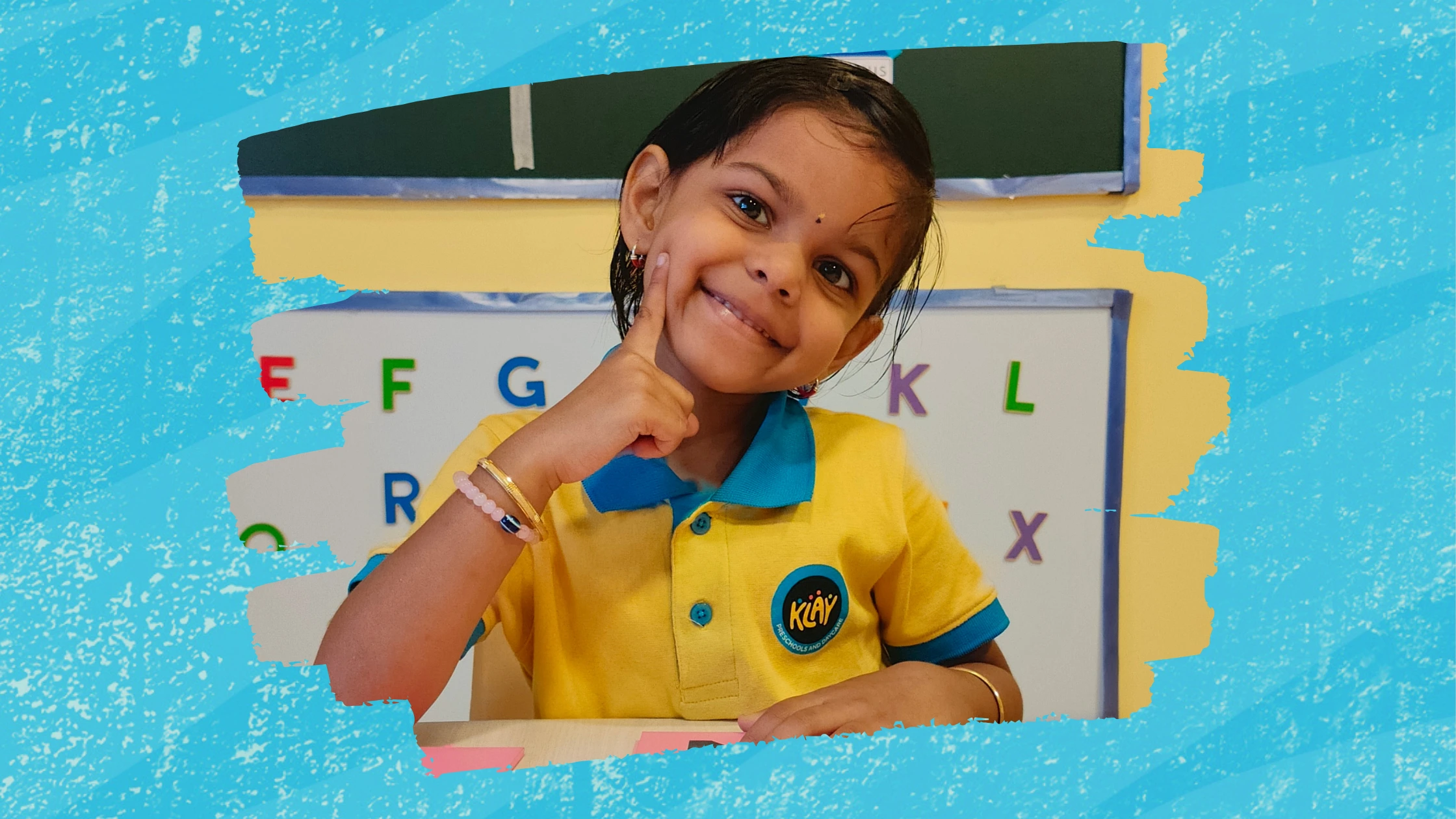


Sometimes when you ask your little one, “Did you make any friends today?” or “What did you learn in school?”, all you get is a head wobble saying no. As a concerned parent, you may wonder, “Is my child not learning social skills or just not comfortable in school yet?
At a young age, it is difficult for students to express what they are experiencing as their brains are still developing. To be comfortable and participate socially, children need to feel emotionally safe. Being emotionally secure directly impacts early childhood brain development, shaping how they learn and grow.
What is emotional safety for children?
Emotional safety for children is when they feel accepted, heard, loved, understood, and have no fear of judgment.
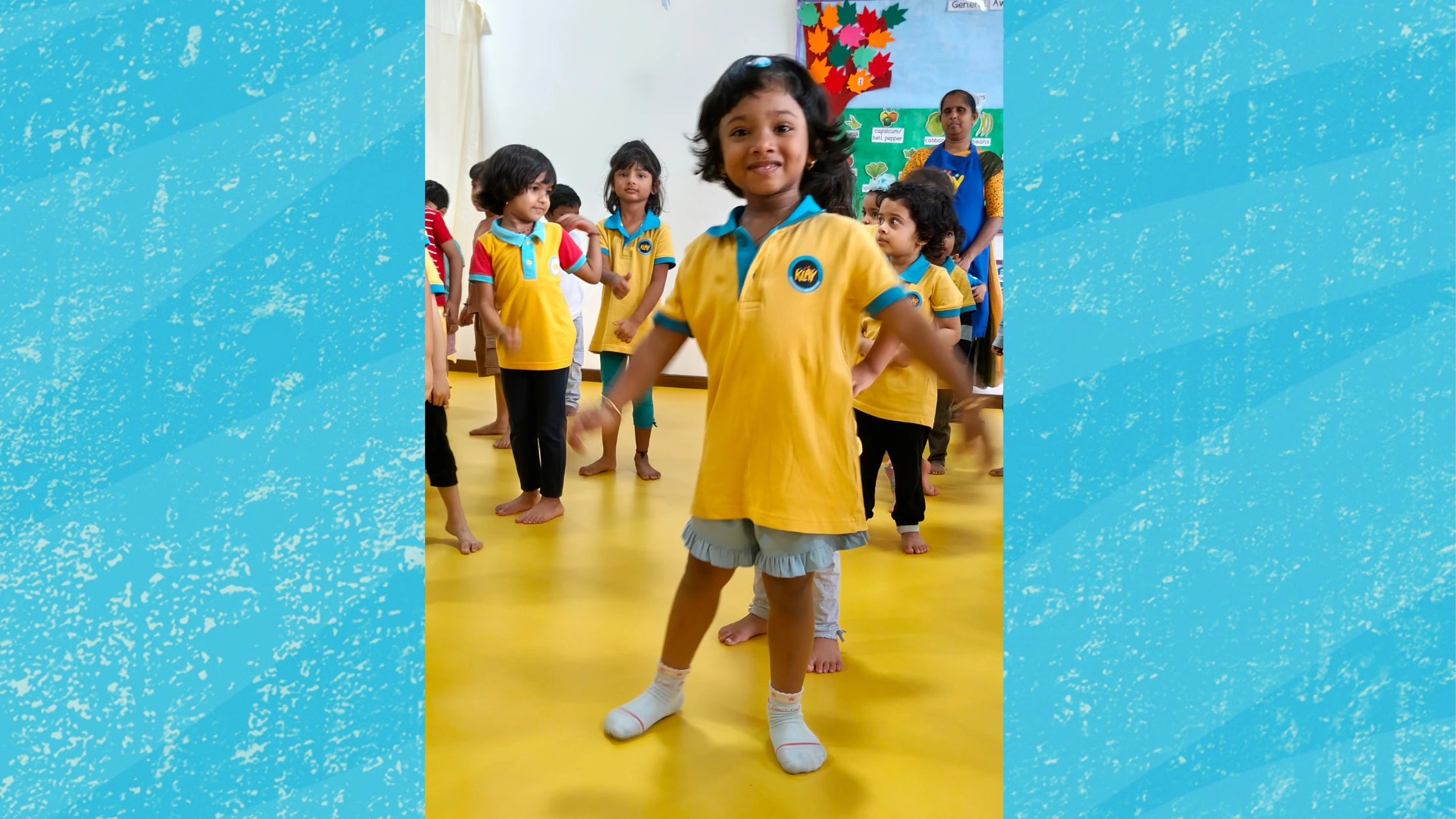
When children feel emotionally safe:
- They will be dramatic, loud, and silly without the fear of getting judged.
- They will approach new situations or people with curiosity.
- They will have strong communication skills.
- They will independently explore on their own without reassurance.
In a school setting, this stems from the warm, responsive nature of teachers and classrooms.
Why emotional safety matters for the brain
During early childhood brain development, the brain forms connections that shape learning ability, memory, movement, emotional, and social regulation.
When children are emotionally safe, their brains are in a receptive state, which means they can readily absorb new information. Therefore, they are more likely to ask questions, play with others, and participate in activities.
When children feel emotionally unsafe, their brains go into protective mode. Learning slows down in this state. This is one of the brain development stages in early childhood, which proves that emotional safety is foundational.
How emotional safety supports learning
A safe environment helps children to:
- Build confidence: An emotionally safe child will try a new activity or challenge and talk to new people without fear of doing it wrong.
- Develop communication skills: A child who feels heard will share their thoughts, ideas, and opinions openly.
- Build strong social skills: A child who is accepted will try to make friends with his peers, make new friends, and engage with teachers.
- Handle challenges: A child who is happily supported by teachers will try challenges again instead of giving up.
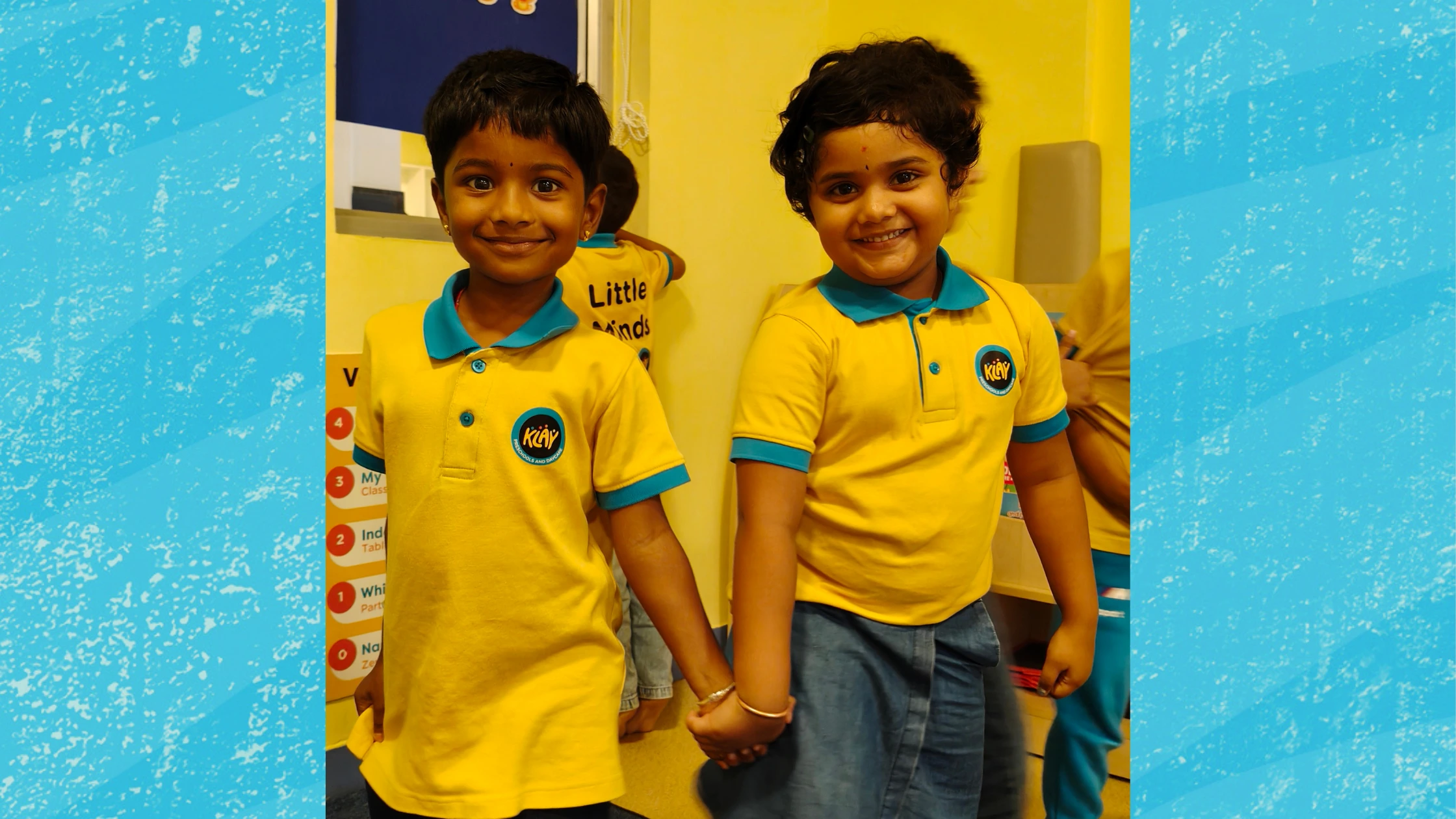
Emotional safety is non-negotiable for brain development for preschoolers, where learning is not just about academics but about their overall development. When children are happy, they naturally become more curious, independent, and engaged, which is a sign of brain development in children.
How KLAY creates an emotionally safe learning environment
At KLAY preschools, emotional safety is a primary part of the KLAY curriculum. It is intentionally incorporated into everyday learning in KLAY preschools. KLAY’s science-led curriculum, KLAYEdge, focuses on the overall development of children to make sure that they are supported at each developmental stage.
Below are the ways KLAY nurtures emotional safety:
1. Warm and responsive educators
KLAY teachers are trained to notice and understand each child’s unique needs. Teachers are trained to listen, validate emotions, and gently guide children. This brings a sense of belongingness in children.
2. Structured routines
KLAY has structured routines that make the children feel less anxious as they can predict what comes next. Familiarity and predictability bring confidence in children.
3. Play-based learning
KLAY believes in play-based learning, which is Emilia Reggio-based. At KLAY, play is used as a tool for exploration, discovery, and curiosity. Children learn best through play, as there is no pressure.
4. Socio-emotional development
The classroom activities are based on the KLAYEdge curriculum that is specifically designed to teach sharing, communication, empathy, logical thinking, and problem-solving. All these lessons are essential in early childhood brain development.
5. Safe space to express
Teachers at KLAY encourage children to speak up, ask questions, express themselves, and even make mistakes. This practice helps children to be at ease and, hence, associate learning with positivity.
Final thoughts
Emotional safety plays a very important role in shaping crucial role in shaping early childhood brain development. A positive classroom environment reduces stress in children and helps them to feel relaxed so that their brains adopt faster cognitive processing and motor skills. A stable and affectionate relationship with classmates and teachers in schools also helps them to manage emotions and focus on learning.
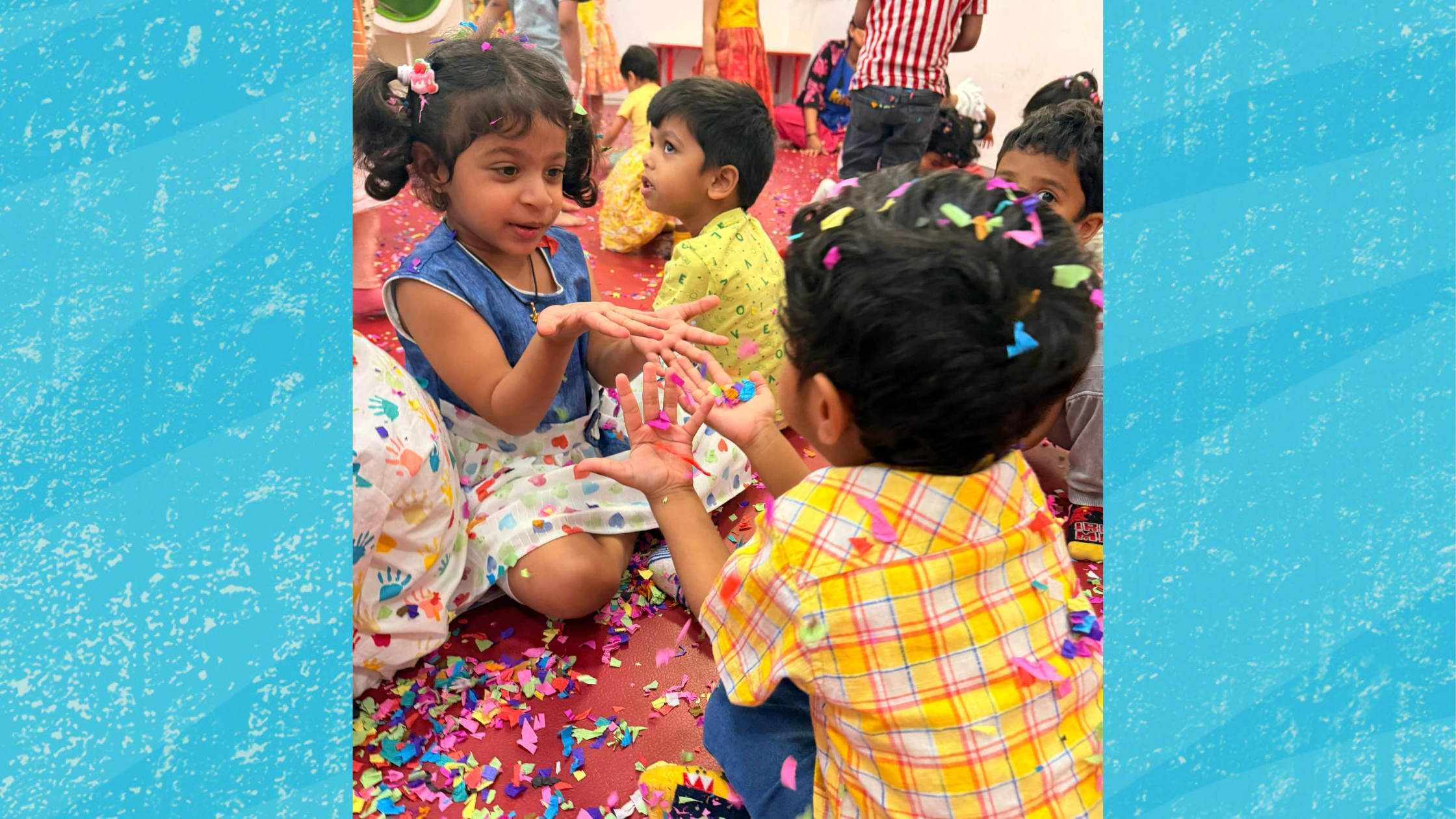
Therefore, choosing a preschool becomes one of the most important decisions as a parent. Curriculum and infrastructure matters, but the way your child feels in that environment matters more.
KLAY creates a safe and nurturing space where children feel loved, supported, and emotionally validated. KLAY ensures every child builds a strong foundation for lifelong learning.
FAQs
1. Why is emotional security important in school?
Emotional safety helps children concentrate better during learning. This supports better memory, communication, mood, and confidence.
2. How does emotional safety affect early childhood brain development?
When children feel safe, their brains are active to receive more information. This helps them to soak up their lessons, improve their attention, and memory.
3. How can I tell if my child feels emotionally safe at school?
When your child shows their willingness to go to school and talks about their day and friends coming back from school, it shows that they are happy going to school.
4. What makes KLAY different from other schools?
Unlike other school curricula, KLAYEdge focuses on not just academics but also on emotional, social, and physical well-being. This ensures that the children at KLAY are not just mainstream school-ready but future-ready as well.










Subscribe to our newsletter
[contact-form-7 id="12706" title="Newsletter Form for post page"]Our Related Blogs
Yoga Benefits, Activities, and Poses for Preschoolers
For preschoolers, yoga isn’t about perfection but about giggles and benefits. So, are you curious how a simple stretch can support a child’s focus, flexibility, and emotional well-being? Let’s roll...
Year-End Reflection and Goal Setting for Children
Parenting is a journey filled with the brightest moments and valuable lessons, both for us and our children. As the year draws to a close, it’s the perfect time to...
Work-Life Balance Solutions for Parents in Emerald Hills Rd, Sector 65, Gurugram: The KLAY Daycare Advantage
Finding the perfect balance between professional commitments and parenting is a challenge for many working families in Gurugram. Parents in Emerald Hills Rd, Sector 65, especially, look for childcare solutions...