



 76767 08888

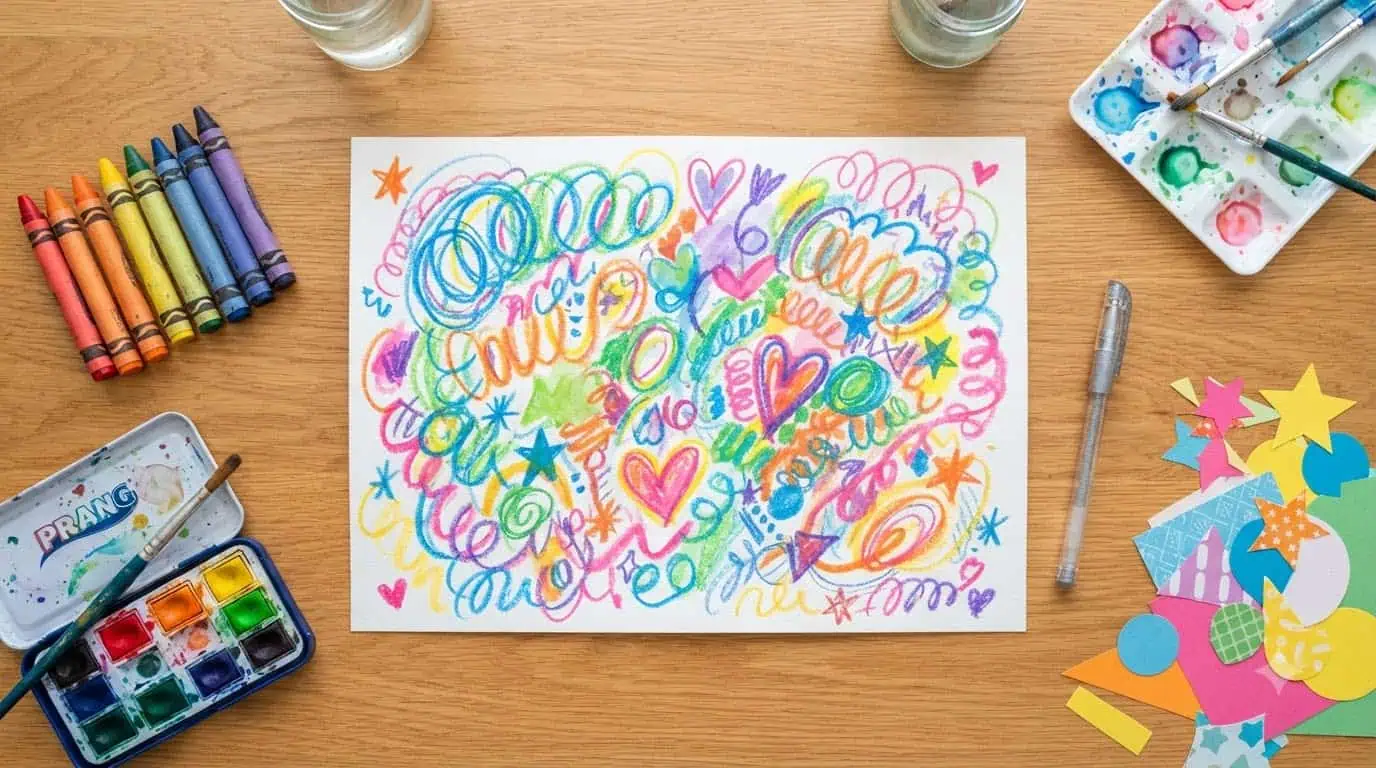


Most children start making random marks on paper long before they learn to write their first letter. Those little scribbles may not seem like much, but they are an important part of growing up. Every swirl, line, and loop helps children learn something new. In this blog, we’ll explore what scribble art is, the different stages of scribbling, fun activities you can try at home or in the classroom, and how this simple activity supports your child’s overall development.
What is Scribble Art?
Scribble art is a creative form of drawing where children make free, unplanned lines, loops, curves, and shapes. There are no rules or perfect outcomes. Children simply explore what their hands can create. Over time, these simple scribbles begin to turn into recognisable drawings, making scribble art an important first step in artistic expression and early writing.
The Stages of Scribbling in Early Childhood Development
Let’s take a closer look at the different stages of scribbling in early childhood development.
-
Uncontrolled Scribbling
This stage usually begins between 12 and 18 months. Children move their entire arm while making marks across the page without much control. They enjoy the movement more than the drawing itself. At this stage, they are discovering that their actions can leave marks on paper.
-
Controlled Scribbling
As children develop better hand control, their scribbles become more intentional. They start making circles, lines, and repeated patterns. They may even stop and start drawing in different areas of the page instead of moving randomly across it.
-
Named Scribbling
Around the age of three, something interesting begins to happen. A child may point to a scribble and proudly say, “This is Mommy” or “That’s my dog.” Even if the drawing does not resemble the object, they start connecting their marks with ideas and stories. This is an important step in developing imagination and communication.
-
Pictures of Objects or People (3 to 5 Years)
Children gradually begin drawing simple people, animals, houses, flowers, and everyday objects. Their pictures may still look basic, but they now draw with a purpose. Details become more noticeable, and they often enjoy explaining their artwork to others.
-
Letter and Word Practice
As children prepare for school, scribbles slowly give way to letter-like shapes and simple words. They practice writing their names, copying letters, and experimenting with symbols. These early attempts help build confidence before formal handwriting begins.
The Different Types of Scribbling
There are many ways children can enjoy scribble art.
-
Doodling
Doodling involves drawing random lines, shapes, and patterns without planning the final result. It encourages children to relax and create freely.
-
Zentangle
Zentangle uses simple, repeated patterns inside different shapes. Older children often enjoy this activity because it improves focus while allowing plenty of creativity.
-
Blind Contour Drawing
In this activity, children draw an object without looking at the paper. The results are often funny, but the exercise helps improve observation skills.
-
Continuous Line Drawing
The challenge is to draw without lifting the pencil from the paper. It helps children think ahead while improving hand control.
-
Chiaroscuro
Older children can experiment with light and dark shading to create depth. This introduces basic art concepts simply and enjoyably.
Simple Scribble Art Activities
Here are some easy scribble art activities you can try with children.
-
Turn Scribbles into Animals
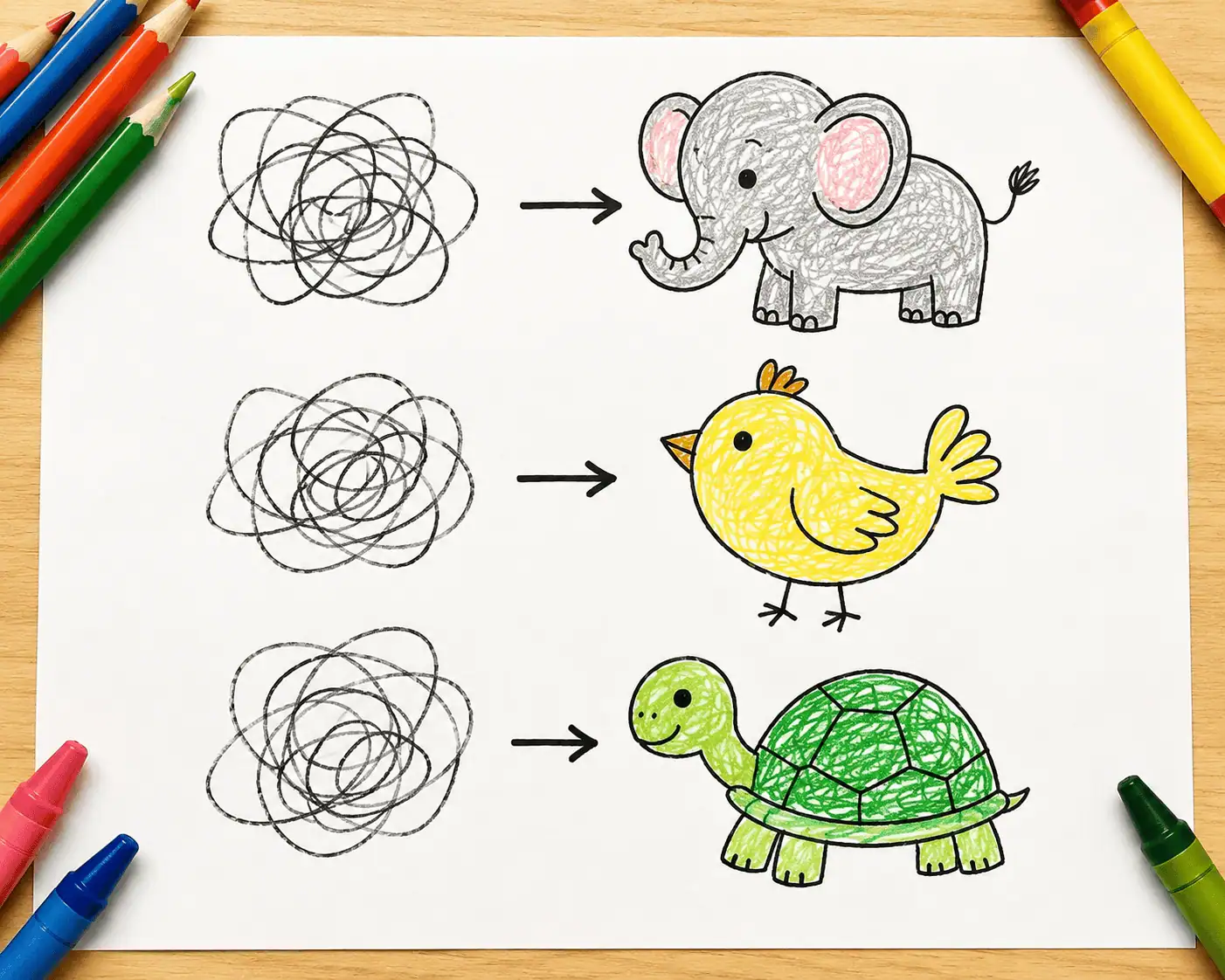
How to do it: Draw random scribbles on paper. Ask children to look closely for hidden shapes and turn them into animals, birds, or objects using extra lines and colours.
Skills Developed: Observation, creativity, imagination.
-
Swirling Loop Doodles
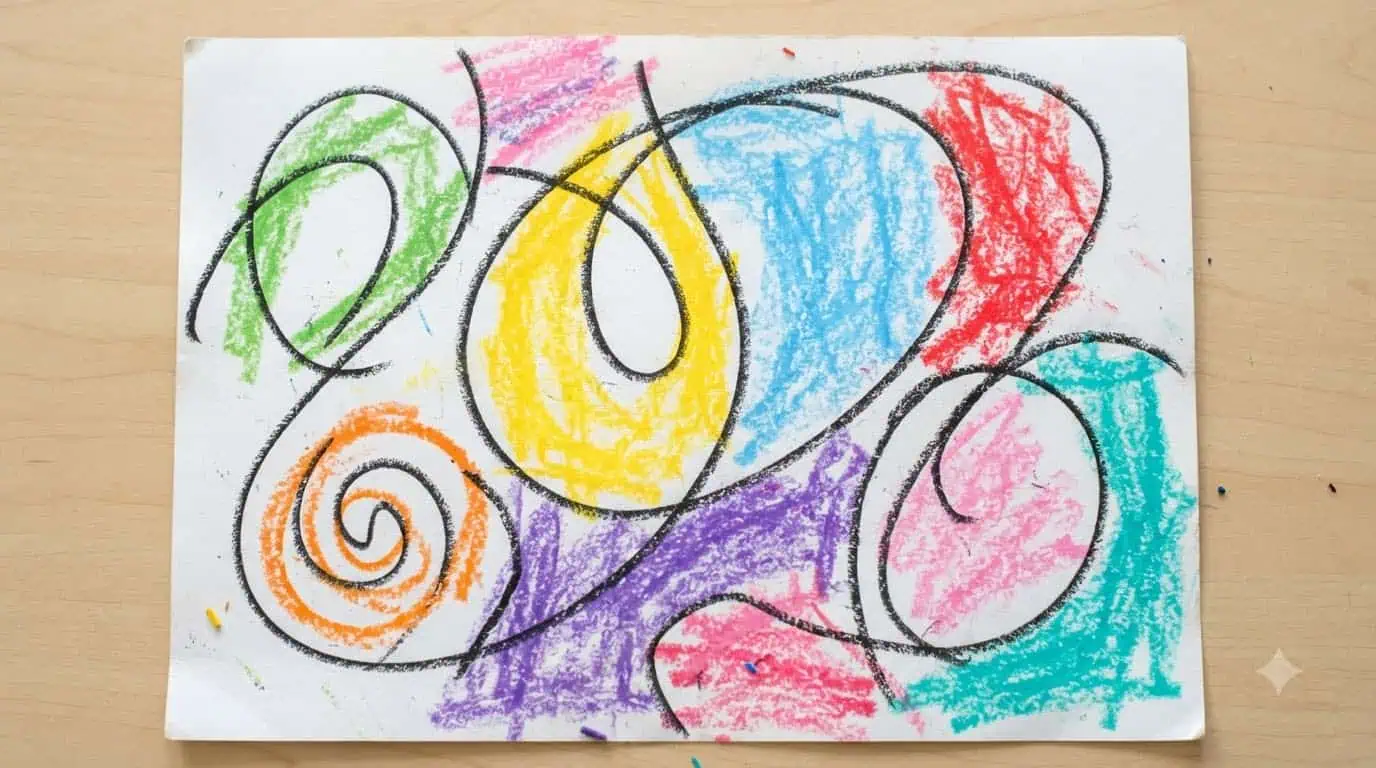
How to do it: Fill the page with large looping patterns that overlap each other. Children can colour each section differently or decorate them with small designs.
Skills Developed: Pencil control, pattern recognition, fine motor skills.
-
Scribble Chasey
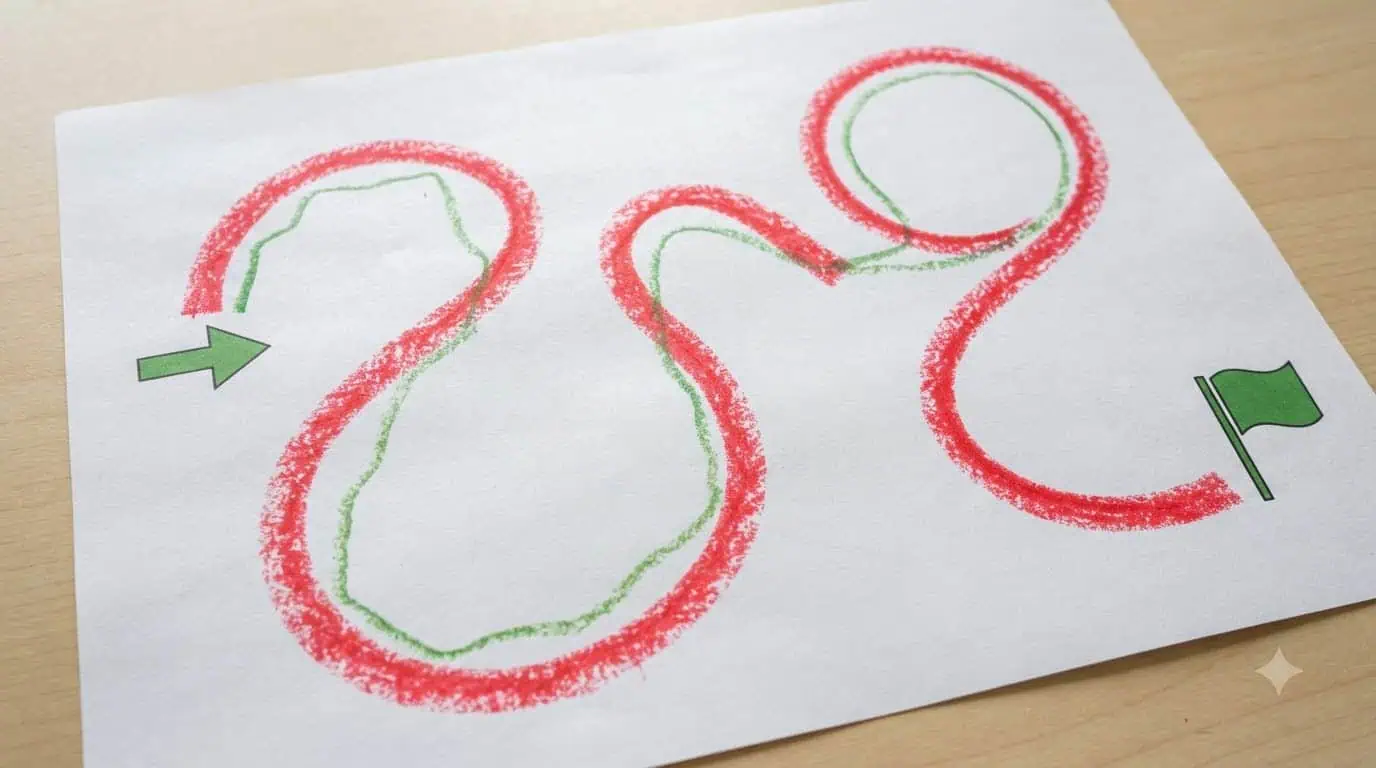
How to do it: Draw a long winding scribble across the paper. Ask your child to trace the line slowly without moving outside it. You can make the path twist, curl, or zigzag to increase the challenge. Older children can race against a timer or compete with friends.
Skills Developed: Hand-eye coordination, focus, pencil control.
-
Scribble Guessing Game
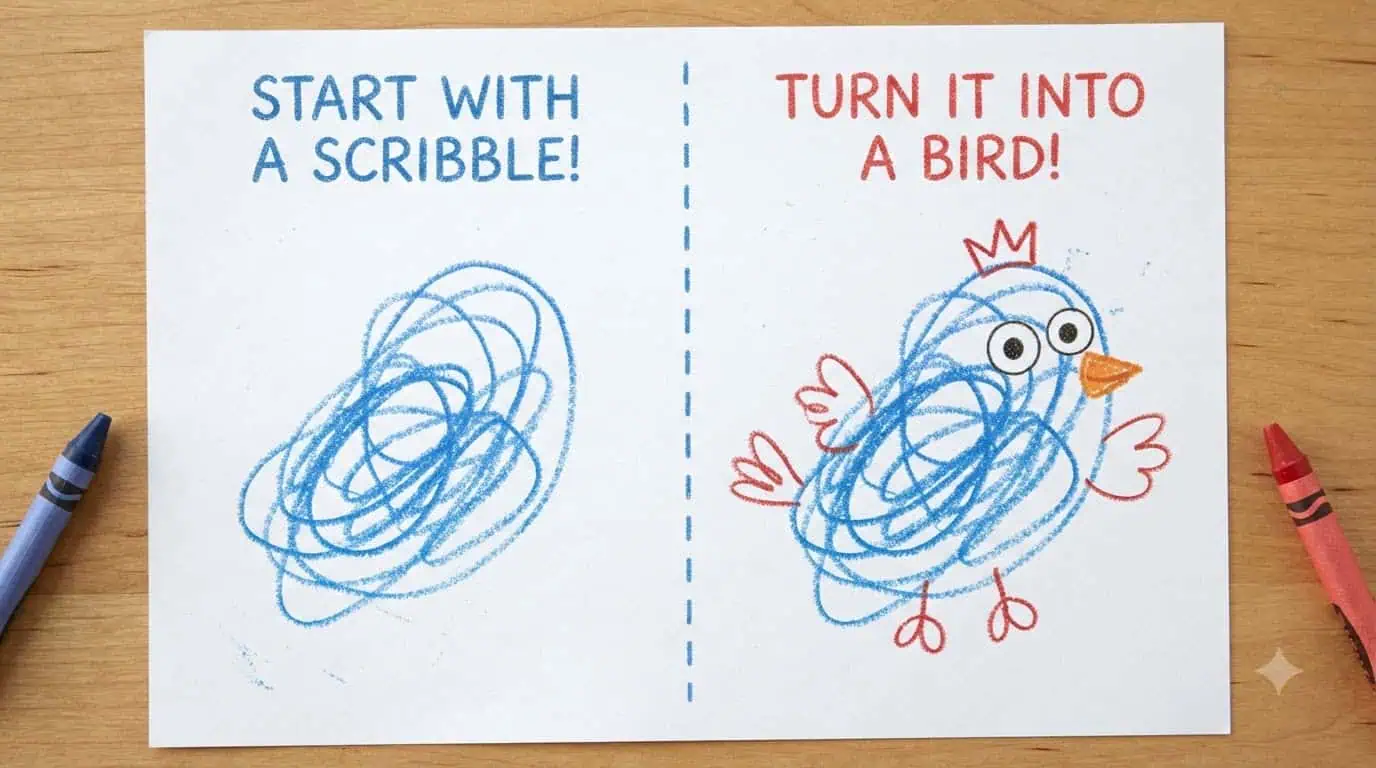
How to do it: One child makes a random scribble while another player studies it carefully and guesses what it could become. After sharing ideas, the artist adds details to complete the drawing. Sometimes one scribble may inspire several different answers, making the activity even more enjoyable.
Skills Developed: Creative thinking, communication, imagination.
-
Scribble Monsters
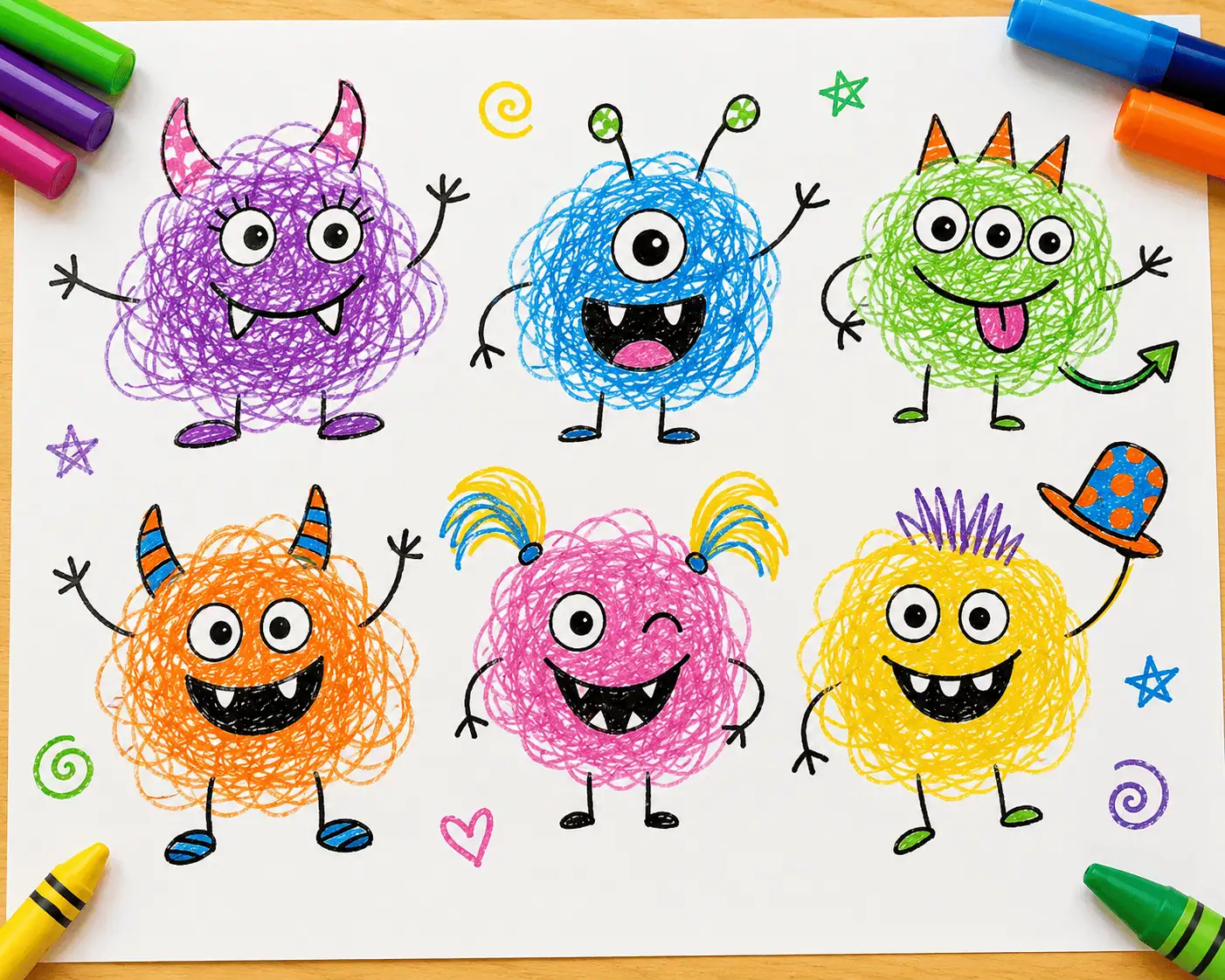
How to do it: Invite children to make large, messy scribbles anywhere on the page. Then ask them to transform those shapes into funny monsters by adding eyes, mouths, horns, arms, tails, hats, or colourful hair. Every monster can have its own name and personality.
Skills Developed: Creativity, storytelling, confidence.
-
Continuous Line Drawing
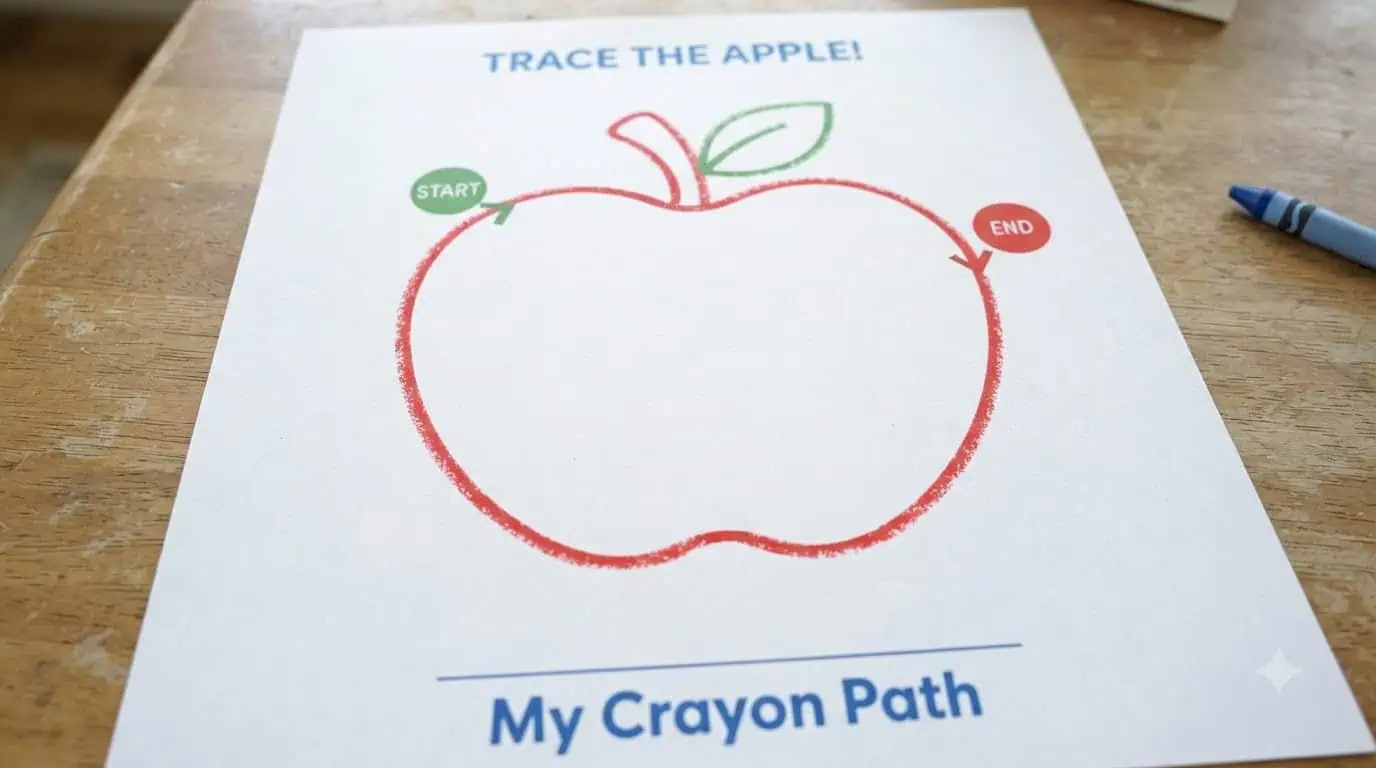
How to do it: Choose a simple object like a fruit or toy and draw it without lifting the pencil until the picture is complete.
Skills Developed: Observation, concentration, hand control.
-
Partner Scribble Challenge
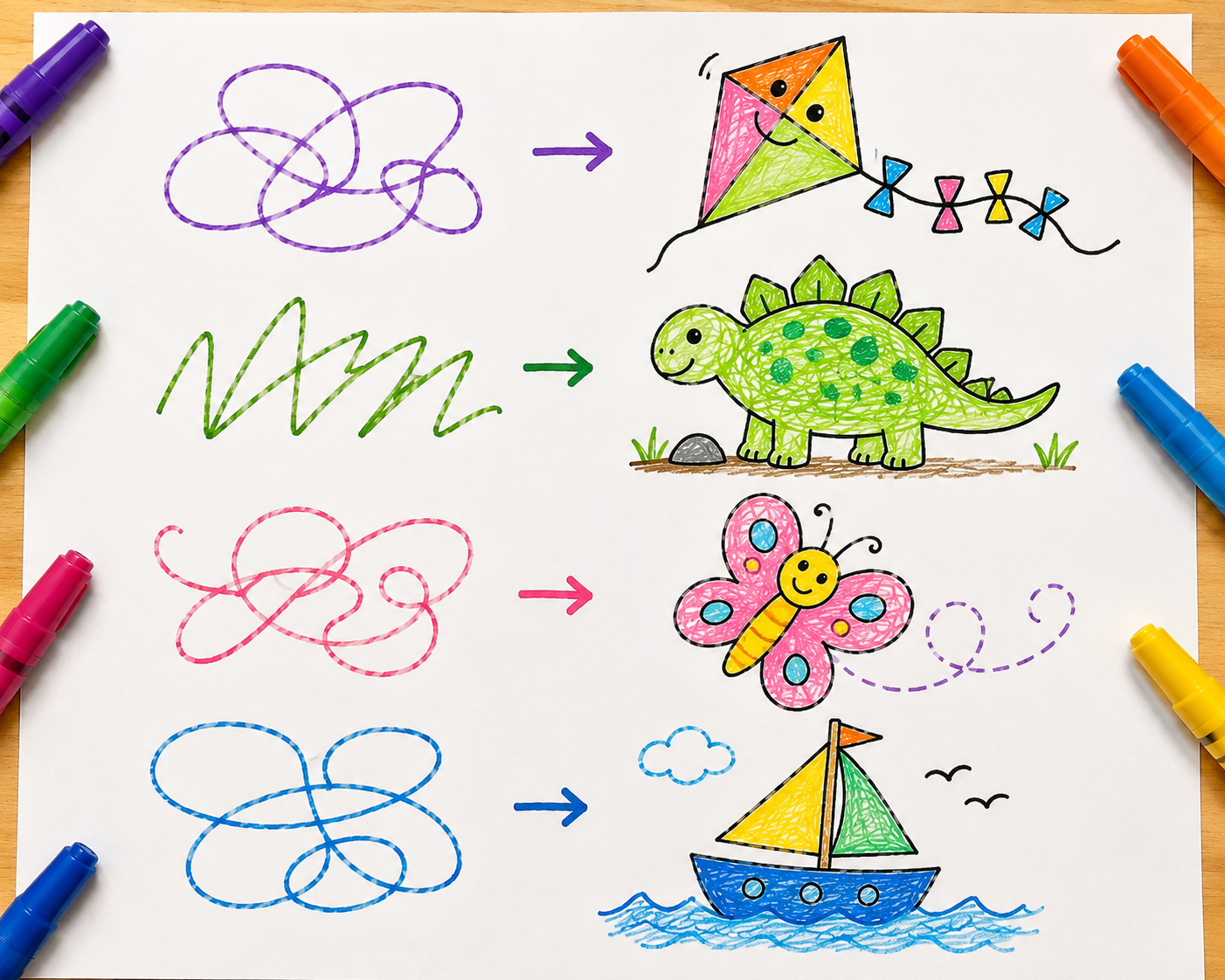
How to do it: One child starts a scribble, then passes the paper to a partner who finishes it by turning it into a complete drawing.
Skills Developed: Teamwork, creativity, flexibility.
-
Wax Resist Scribbles
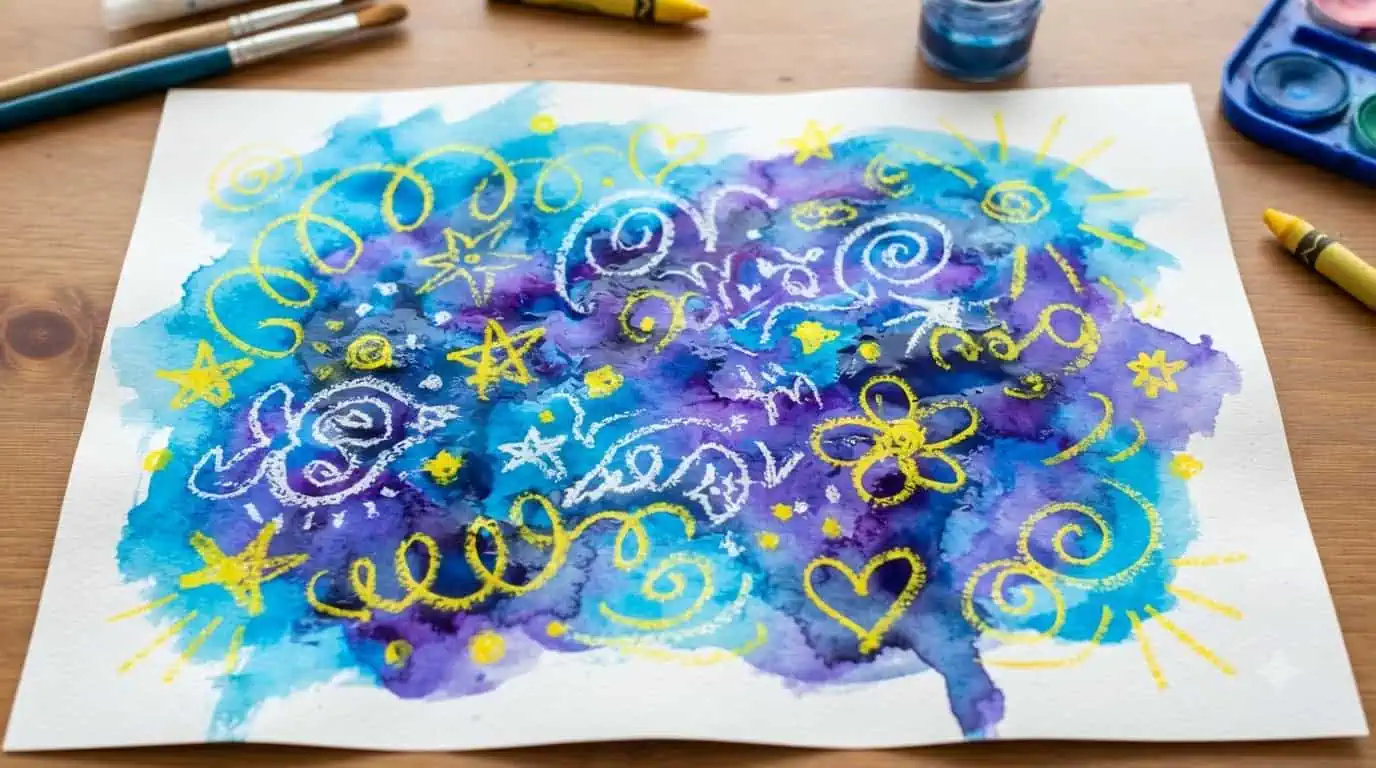
How to do it: Using a white or yellow crayon, ask children to draw patterns, loops, or secret pictures on white paper. The marks will be difficult to see at first. Next, let them paint over the page using watercolours. As the paint spreads, the wax resists the colour, revealing the hidden scribbles underneath. Children are often amazed by the final result.
Skills Developed: Curiosity, creativity, colour exploration.
-
Paper Patchwork Lines
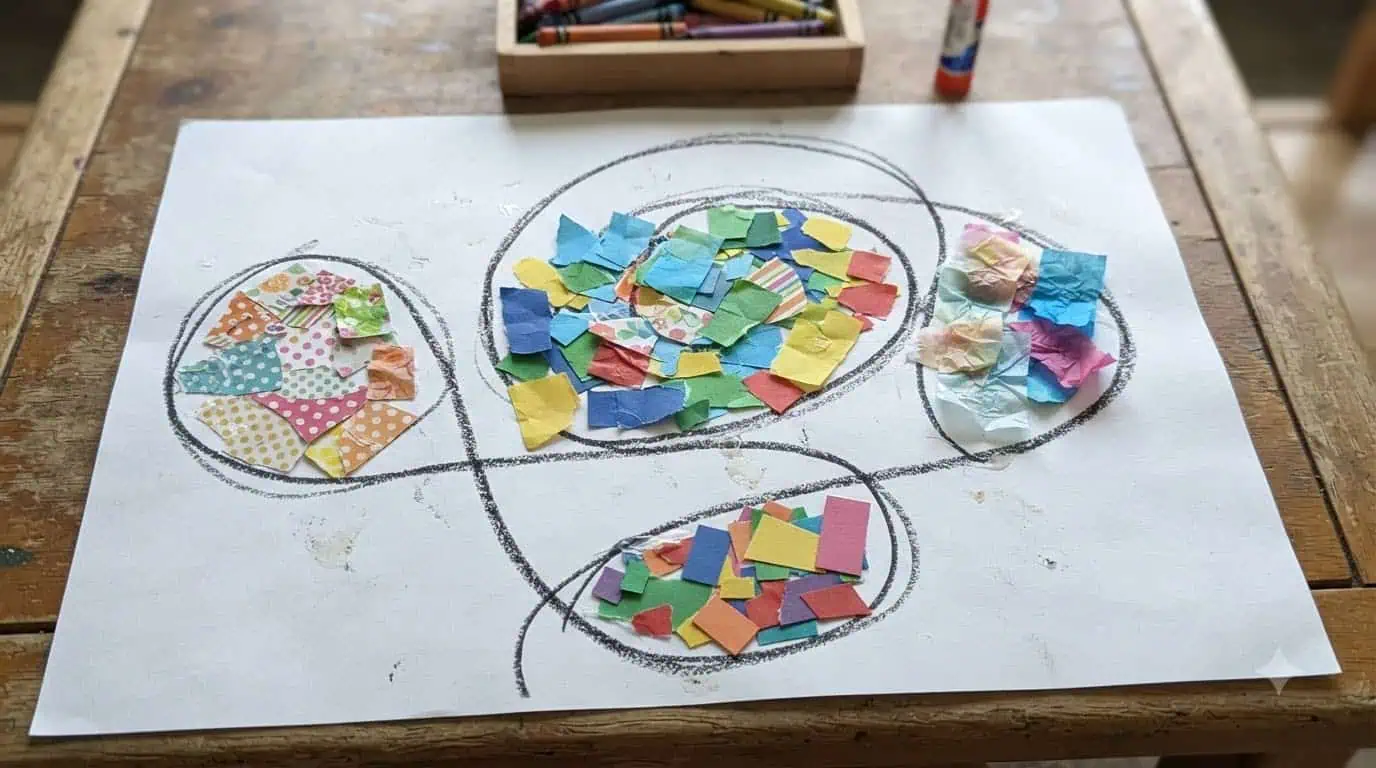
How to do it: Draw a large swirling scribble and fill each section using colourful paper pieces, tissue paper, or newspaper cut-outs.
Skills Developed: Fine motor skills, planning, creativity.
-
Scribble Scrape Painting
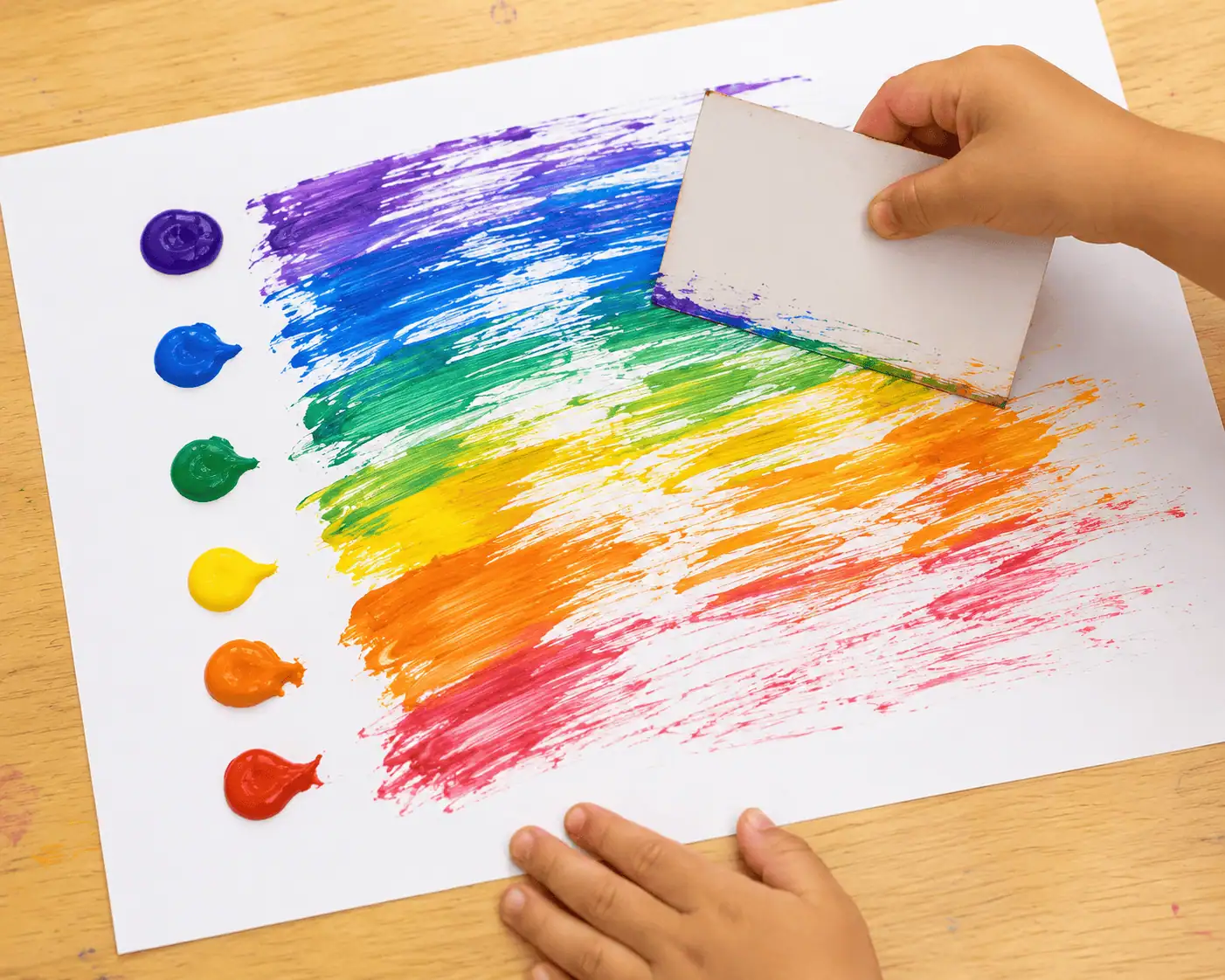
How to do it: Place small drops of paint on paper, cover them with a card, and drag it across the page to create textured patterns.
Skills Developed: Sensory exploration, experimentation, creativity.
-
Glitter Pen Doodles
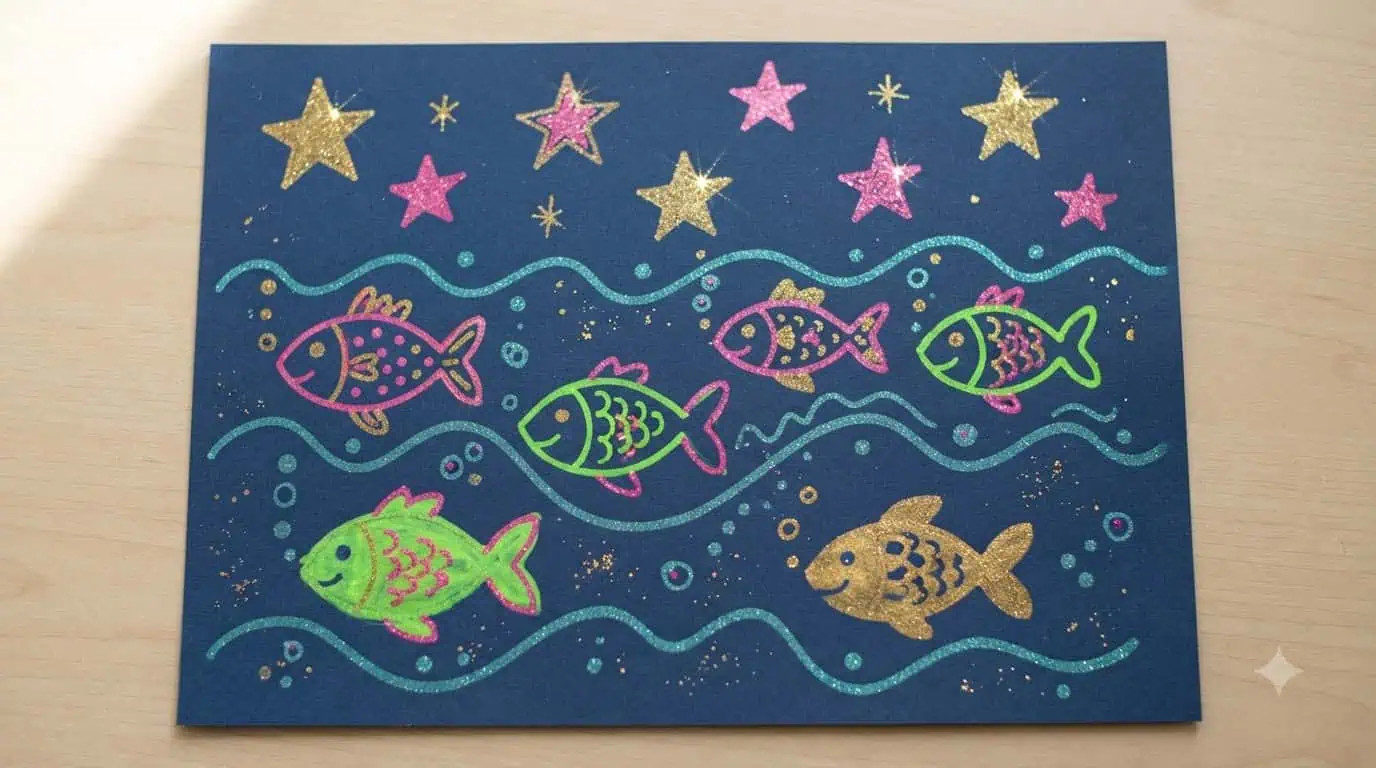
How to do it: Use glitter pens on dark paper to create stars, underwater scenes, or colourful abstract designs.
Skills Developed: Artistic expression, confidence, colour awareness.
-
Button and Thread Art
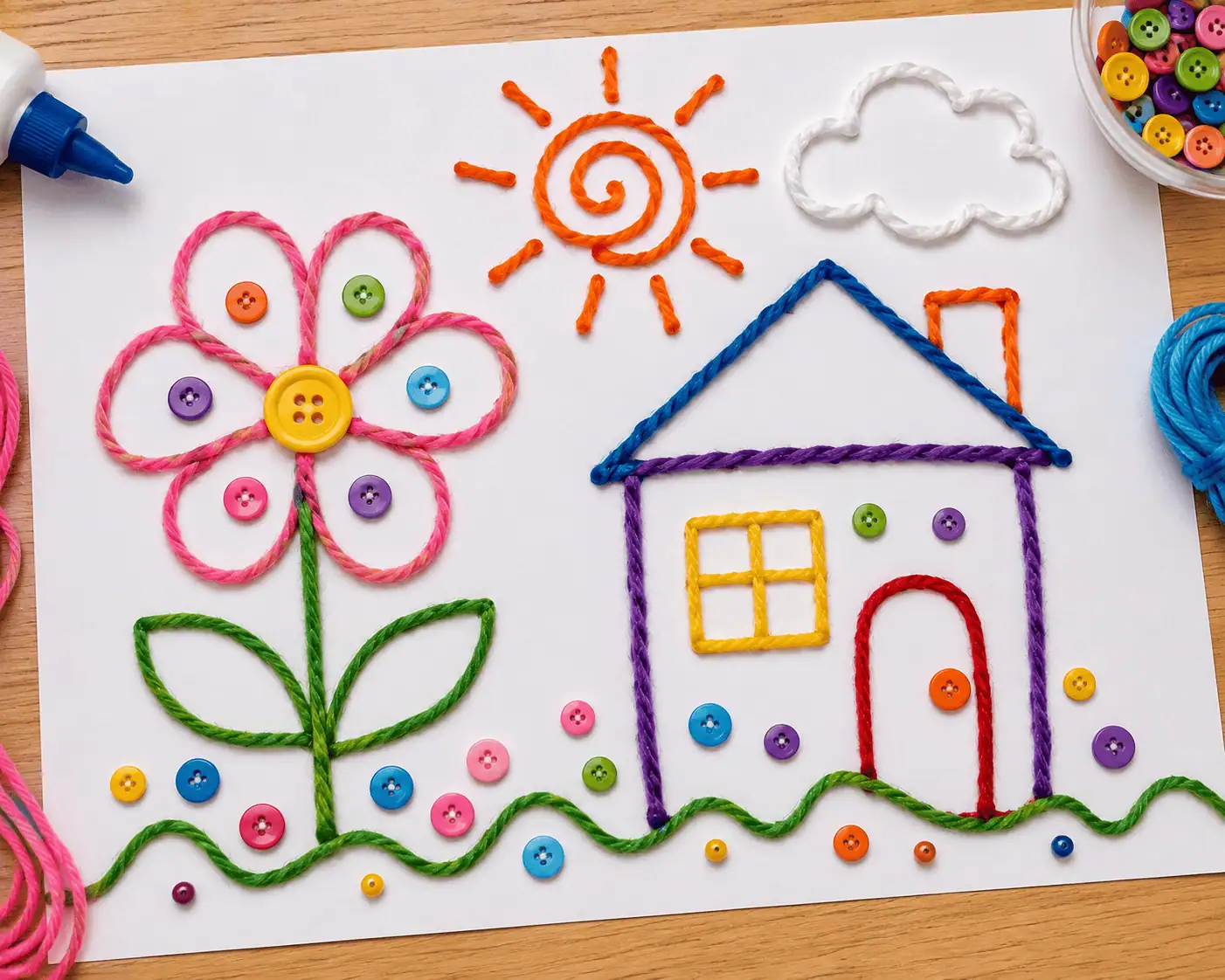
How to do it: Draw thick scribble lines using fabric glue. Stick yarn along the lines and decorate empty spaces with buttons or beads.
Skills Developed: Fine motor control, patience, sensory development.
-
Scribble Mandalas for Older Kids
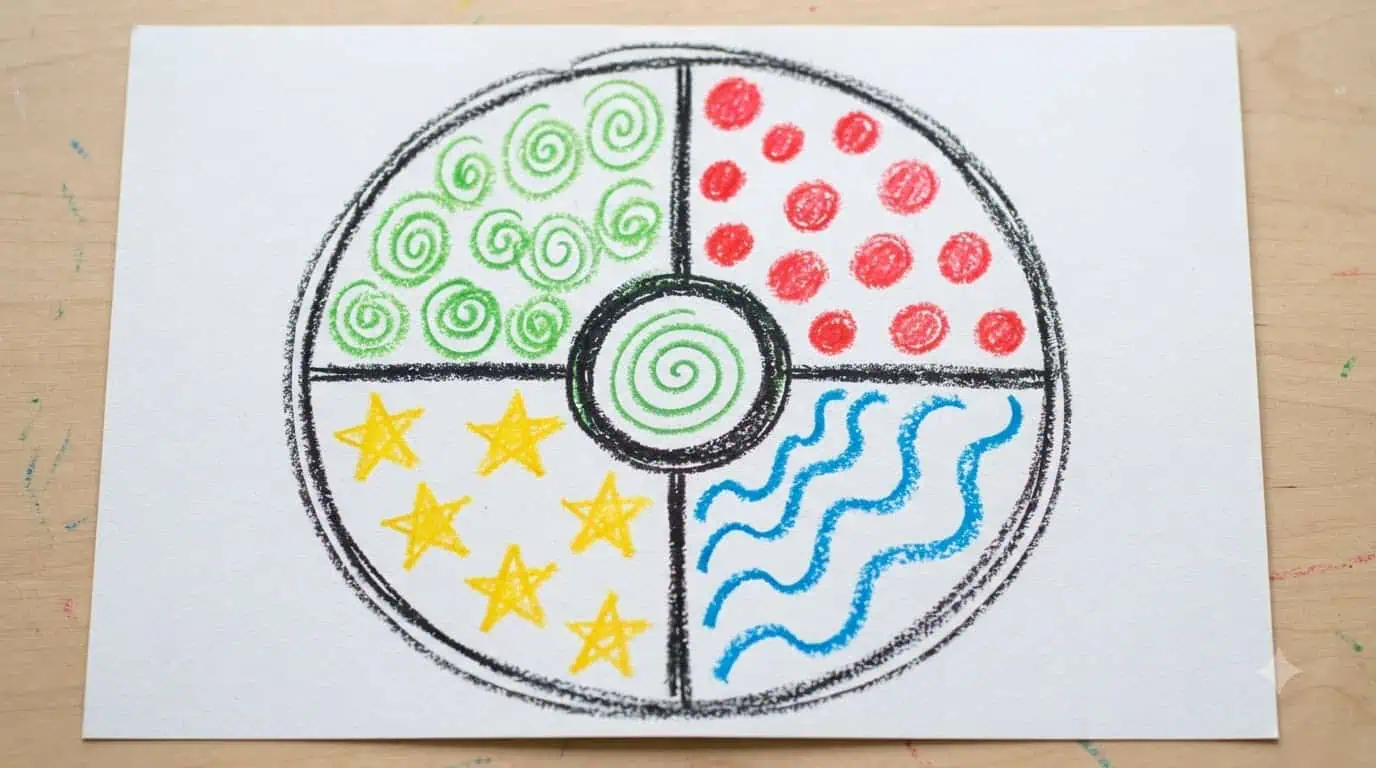
How to do it: Draw a large circle and divide it into sections. Fill each space with repeating lines, dots, swirls, and simple patterns.
Skills Developed: Concentration, creativity, pattern recognition.
Benefits of Scribble Art for Child Development
Here’s a closer look at how scribble art supports children’s growth.
-
Improves Fine Motor Skills and Hand-Eye Coordination
Every scribble strengthens the small muscles in a child’s hands and fingers. These movements prepare children for writing, cutting with scissors, buttoning clothes, and many other everyday tasks.
-
Encourages Creativity and Imagination
Scribble art gives children complete freedom to create without worrying about making mistakes. A simple line can become a dragon, a rocket, or an underwater world depending on their imagination.
-
Boosts Children’s Thinking Skills
As children decide what to draw and how to complete their pictures, they practise planning, decision-making, and visual thinking. These experiences support overall cognitive development.
-
Supports Emotional Expression
Young children cannot always explain how they feel through words. Drawing gives them another way to express excitement, frustration, happiness, or curiosity in a safe and enjoyable environment.
-
Develops Spatial Awareness, Concentration, and Problem Solving
Children learn how shapes fit together, where to place objects, and how to complete their ideas. At the same time, they improve focus by staying engaged with an activity from beginning to end.
-
Builds Pre-Writing Skills
Before children write letters, they learn to control lines, curves, circles, and different strokes. Scribbling helps build the foundation for writing by strengthening pencil grip and improving movement control.
How Parents and Teachers Can Encourage Scribble Art
Here are a few simple ways to make scribble art a regular part of learning.
-
Create a Judgment-Free Environment
Let children explore without worrying about making perfect drawings. Celebrate their effort rather than the final result.
-
Give Them Freedom
Offer different art materials and allow children to decide what they want to create. Open-ended activities often lead to the most creative ideas.
-
Use Open-Ended Prompts
Instead of asking children to copy a picture, try prompts like, “What do you see in these scribbles?” or “Can you turn these lines into something surprising?”
-
Praise Their Efforts
Positive encouragement builds confidence. Display their artwork at home or in the classroom to show that their creativity is valued.
How KLAY Preschools & Daycare Encourages Scribble Art
At KLAY Preschools & Daycare, creative expression is an important part of early childhood learning. Through age-appropriate art activities like scribbling, painting, colouring, and open-ended drawing, children are encouraged to explore ideas freely while developing essential developmental skills.
KLAY’s play-based learning approach ensures that scribble art is more than just a fun activity. It helps children:
- Strengthen fine motor skills and pencil grip through regular art experiences.
- Build creativity and imagination by exploring colours, patterns, and shapes without fear of making mistakes.
- Develop concentration and problem-solving skills as they experiment with different materials and techniques.
- Improve communication by encouraging children to talk about their drawings, share stories, and express their emotions.
- Gain confidence by celebrating every child’s unique artwork rather than focusing on perfect results.
With thoughtfully designed learning spaces, engaging art materials, and experienced educators, KLAY creates an environment where children feel comfortable experimenting, creating, and learning at their own pace. Activities like scribble art lay the foundation for later skills such as writing, drawing, and creative thinking while making learning enjoyable every day.
Closing Thoughts
Scribble art may look simple, but it plays a big role in your child’s early learning journey. From building fine motor skills to encouraging imagination and self-expression, every scribble helps children grow in different ways. Whether you’re a parent or a teacher, giving children the freedom to explore through art can turn a blank sheet of paper into a space filled with learning, confidence, and creativity.
Frequently Asked Questions (FAQs)
At what age should children start scribbling?
Most children begin scribbling between 12 and 18 months as they develop better hand control.
How does scribbling help child development?
It improves fine motor skills, hand-eye coordination, creativity, concentration, and early writing skills.
What materials are best for scribble art?
Washable crayons, thick markers, coloured pencils, chalk, finger paints, and large sheets of paper are all good choices.
Can scribble art improve writing skills?
Yes. Scribbling strengthens pencil grip, hand control, and coordination, which are important for learning to write.
Are scribble activities suitable for classrooms?
Yes. They work well for individual work, small groups, or whole-class activities while supporting creativity and early learning.
How can parents encourage creative drawing at home?
Keep art materials within easy reach, create a dedicated drawing space, and praise children’s creativity instead of focusing on perfect results.
How can you encourage children to scribble?
Offer plenty of paper and simple drawing tools, let children draw freely every day, and avoid correcting or directing every picture they create.










Subscribe to our newsletter
[contact-form-7 id="12706" title="Newsletter Form for post page"]Our Related Blogs
Yoga Benefits, Activities, and Poses for Preschoolers
For preschoolers, yoga isn’t about perfection but about giggles and benefits. So, are you curious how a simple stretch can support a child’s focus, flexibility, and emotional well-being? Let’s roll...
Year-End Reflection and Goal Setting for Children
Parenting is a journey filled with the brightest moments and valuable lessons, both for us and our children. As the year draws to a close, it’s the perfect time to...
Work-Life Balance Solutions for Parents in Emerald Hills Rd, Sector 65, Gurugram: The KLAY Daycare Advantage
Finding the perfect balance between professional commitments and parenting is a challenge for many working families in Gurugram. Parents in Emerald Hills Rd, Sector 65, especially, look for childcare solutions...