



 76767 08888



Key Takeaways for Parents:
- The role of a preschool teacher goes far beyond teaching basic concepts and includes emotional, social, and developmental support.
- Preschool teachers shape early learning through play, observation, and purposeful routines rather than relying only on direct instruction.
- Strong communication, classroom structure, and emotional guidance are central to early childhood education.
- A preschool teacher positively influences a child’s confidence, readiness, and long-term love for learning.
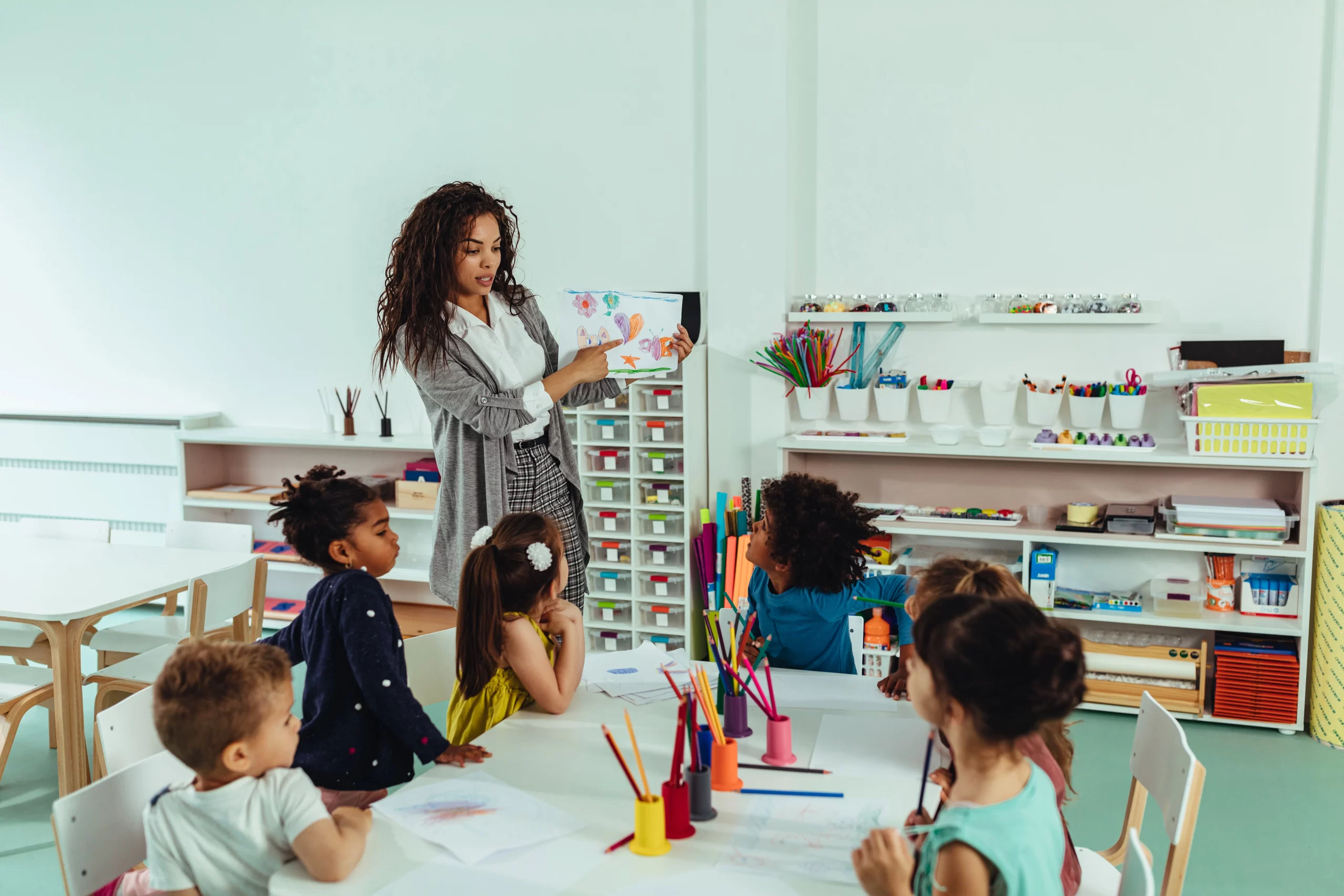
Preschool teachers play a defining role in a child’s earliest learning experiences. At a stage when children are forming habits, emotional responses, and social understanding, the teacher becomes a guide, nurturer, and role model. The role of a preschool teacher is not limited to teaching numbers or letters. It involves creating a safe, engaging environment where children feel confident to explore, express, and grow.
The Role of a Preschool Teacher: What Does a Preschool Teacher Do?
A preschool teacher supports children’s learning and development during their early years through structured play, observation, and guidance. They help children build foundational skills while ensuring emotional well-being, safety, and positive social behaviour. The role of a preschool teacher is a combination of teaching, caregiving, and providing continuous support for each child’s unique developmental journey.
What Are the Responsibilities of a Preschool Teacher?
If you teach preschoolers, you’re more than just a teacher. You also act as a caregiver and a solid support system who guides children through their early education. Here are some of the main responsibilities:
-
Guiding Learning Through Play & Exploration
One of the most important aspects of the role of preschool teacher is facilitating learning through age-appropriate, play-based activities. So, as a preschool teacher, the focus is on guiding kids through exploration, thoughtful questions, and curiosity rather than direct instruction. This approach helps them learn naturally while remaining actively engaged.
-
Supporting Emotional Growth & Well-Being
Preschool teachers help children recognise and manage their emotions. By offering reassurance, encouragement, and consistency, teachers build emotional resilience and confidence. This emotional nurturing supports children as they learn to interact with peers and navigate new experiences.
-
Planning Appropriate Activities
Preschool teachers focus on designing lesson plans that align properly with children’s developmental needs. These activities are supposed to support their language, motor, cognitive, and social growth. This thorough and thoughtful planning ensures learning remains structured while still allowing flexibility and creativity.
-
Observing Each Child’s Progress
Observation is a critical part of early childhood education, and one of the main roles of a preschool teacher is to closely observe children to understand their interests, strengths, and areas that may need support. These observations guide activity planning and help ensure no child is overlooked.
-
Communicating Properly with Parents
Parents of preschoolers need to be regularly updated about their child’s progress. This effective communication channel between a teacher and a parent strengthens the home-school connection.
As a preschool teacher, it’s your responsibility to share your observations, suggestions, and updates with the parents to support consistent learning and behaviour at home. This communication builds trust and reinforces development.
-
Modelling Positive Behaviour & Social Skills
Preschoolers are at an impressionable age where they learn everything by watching adults around them. Teachers should demonstrate patience, kindness, empathy, and respectful communication. Through these everyday interactions, children learn how to behave in group settings and develop healthy social habits.
-
Creating a Safe & Structured Classroom Environment
Classroom management is a key part of the role of a preschool teacher. Teachers need to establish routines, set clear expectations, and maintain a calm environment for preschoolers to thrive. Having this set structure helps preschoolers feel secure and supports better focus and behaviour.
Related Read: Preschool Classroom Management Strategies -
Encouraging Creativity & Motivation
Preschool teachers help children nurture their imagination and self-expression through storytelling, art, music, and play. Encouraging their creativity helps them explore ideas freely and builds confidence in their abilities.
-
Ensuring Care, Hygiene, & Safety
Beyond teaching, preschool teachers are responsible for children’s physical well-being. This includes maintaining hygiene, ensuring comfort, and responding calmly to emergencies.
-
Supporting Holistic Development
The role of a preschool teacher also includes supporting all aspects of child development. Teachers play an important role in encouraging growth in language, motor skills, cognition, and social interaction. This holistic approach ensures balanced development rather than a narrow academic focus.
-
Using Stories & Routines to Build Engagement
Storytelling is a huge part of preschool as it helps children stay engaged and understand routines. As a preschool teacher, you’re expected to use stories and familiar patterns to introduce concepts, transitions, and expectations in a gentle and effective way.
-
Reflecting, Learning, & Improving Practice
Preschool teachers have to continuously reflect on their methods and stay informed about early childhood education practices. This ongoing learning helps them improve classroom experiences and adapt to children’s changing needs.
Importance of a Preschool Teacher: Why These Responsibilities Matter
The role of a preschool teacher is very important in early childhood education and often goes beyond the recognition teachers receive. Preschool teachers directly influence a child’s readiness for school and life beyond the classroom. Through supportive guidance, children develop confidence, emotional awareness, and a positive attitude towards learning. Over time, this foundation supports their academic readiness, social competence, and long-term engagement with education.
Common Challenges Preschool Teachers Navigate Daily
Preschool teachers manage several challenges as part of their role, including:
- Balancing the needs of children with different learning styles and developmental levels.
- Managing emotional labour while supporting children and communicating with parents.
- Adapting activities to ensure inclusivity and engagement for every child.
These challenges highlight the need for strong institutional support and professional recognition.
Conclusion: Recognising the Value of Preschool Teachers
The role of a preschool teacher is complex, demanding, and deeply impactful. From guiding learning through play to nurturing emotional growth and ensuring safety, preschool teachers shape a child’s earliest experiences of education. Recognising and supporting this role is essential for building strong foundations for lifelong learning and development!











Subscribe to our newsletter
[contact-form-7 id="12706" title="Newsletter Form for post page"]Our Related Blogs
Winter’s in the air. Make a Khichdi of it!
Winter’s In The Air. Make a Khichdi Of It! With the northern winds playing a peek-a-boo on chilly mornings, it is time to keep your little ones warm with loads...
Why Patience Is A Key Teaching Skill In Early Years At KLAY, Kanakapura Road
When parents think about what makes a great early years teacher, qualities like warmth, creativity, and care often come to mind. But there is one skill that quietly shapes every meaningful learning...
Why KLAY Golf Course Road Could Be Your Best Preschool Choice?
Choosing the right preschool is one of the first big steps in your parenting journey. Between managing work, home, and family life, finding a safe yet dedicated learning place for...