



 76767 08888

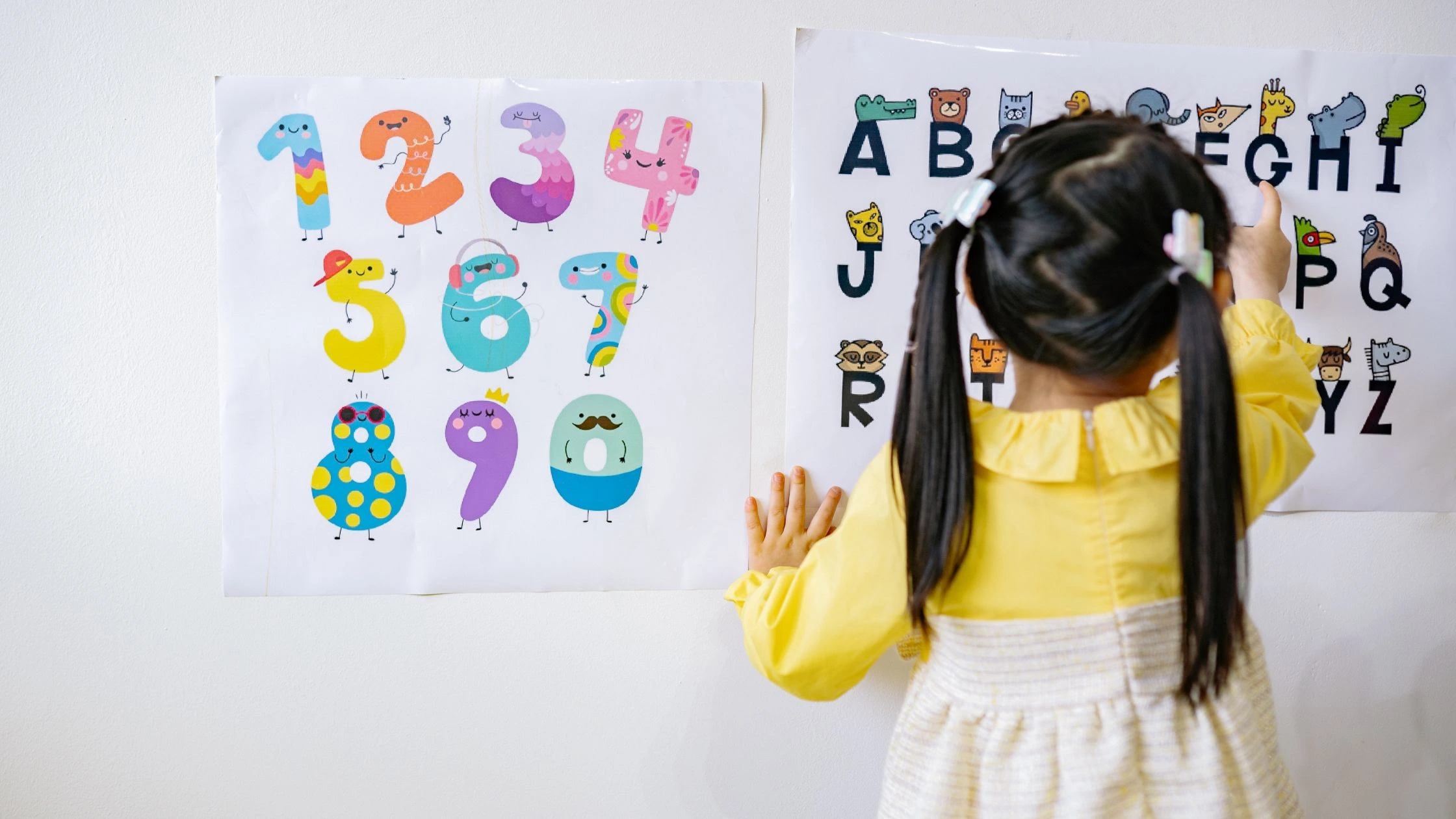


The early years of childhood are filled with curiosity, exploration, and new experiences. As children begin to interact with others and discover the world around them, the right learning environment can play an important role in shaping their development. Preschool provides opportunities for children to learn through play, build relationships, develop new skills, and gradually become more independent.
From social and emotional growth to communication, creativity, and early learning, preschool experiences can lay a strong foundation for the years ahead.
Here are 10 reasons why preschool is important for your child.
What is Preschool Education?
Preschool education is more than just academics. It is a structured learning experience designed for children, typically between the ages of 2 to 6 years, before they begin formal schooling. Unlike traditional education that emphasizes rote learning, preschool education prioritizes holistic development—nurturing a child’s cognitive, emotional, social, and physical growth. Through age-appropriate activities like storytelling, art, music, and hands-on exploration, preschool helps children build foundational skills such as communication, problem-solving, creativity, and teamwork. It focuses on creating a nurturing and stimulating environment where children can explore, learn, and develop essential skills through play, interaction, and guided activities.
Why Preschool Education Is Important
Understanding the importance of preschool Education shows how these early experiences create confident, capable, and curious learners, ready to thrive in school and beyond. Preschool is a nurturing space where children experience growth in real terms.
1. Fostering Social and Emotional Growth
Preschool provides a safe and nurturing environment where children begin to form meaningful friendships and develop social-emotional skills through everyday interactions. They practice sharing toys, taking turns, and resolving conflicts through guided activities. Children also learn to identify and express their feelings, develop empathy for others, and build resilience as they adapt to new situations. These foundational experiences foster a sense of belonging and emotional well-being while preparing children to build healthy relationships in the future.
2. Cognitive and Language Development
Preschool stimulates a child’s natural curiosity through interactive play and problem-solving activities. Teachers design experiences that challenge children to think critically, encouraging them to observe, compare, and make connections. Storytelling, songs, and conversations expand their vocabulary and comprehension, making communication more meaningful. These activities form the cornerstone of early cognitive development, illustrating the importance of academic preschool in shaping a child’s ability to understand and process the world around them.
3. Enhanced Communication Skills
Effective communication skills are built through daily interactions and structured group activities. Children learn to articulate their thoughts, ask questions, and engage in active listening. Non-verbal communication, like interpreting body language and facial expressions, is also encouraged, helping children develop emotional intelligence. These skills are crucial for fostering self-expression and collaboration, demonstrating why preschool education is important for creating confident communicators.
4. Motor Skill Development
Preschool activities are designed to enhance both fine and gross motor skills through a mix of play and structured tasks. Activities like cutting with scissors, threading beads, and drawing refine fine motor skills & gross motor skills, while outdoor games, climbing, and running improve physical coordination and strength. This holistic approach to physical development lays the foundation for a healthy and active lifestyle, underscoring the importance of preschool education in nurturing physical growth alongside cognitive skills.
5. Encouraging Curiosity and Creativity
Preschools are a hub of discovery where children are encouraged to ask questions, experiment, and explore. Creative activities like painting, building blocks, and imaginative play allow children to express themselves freely and think outside the box. Teachers foster an environment that values curiosity, turning everyday moments into opportunities for innovation. This focus on exploration helps children develop a lifelong love for learning and creativity.
6. Promoting Individuality and Independence
Preschool encourages children to step out of their comfort zones and take on tasks independently, such as dressing themselves, tidying up after activities, or choosing their playtime tasks. These small responsibilities help children build confidence, resilience, and a sense of achievement. Additionally, they learn to make choices that reflect their preferences, fostering a strong sense of individuality. The importance of academic preschool lies in shaping children into self-reliant and confident learners.
7. Prepares Children for Kindergarten
Preschool acts as a bridge between the nurturing environment of home and the structured world of kindergarten. Children are introduced to routines, classroom etiquette, and early academic concepts in a playful yet structured manner. They learn to follow instructions, work collaboratively, and build the stamina required for more formal schooling. This preparation eases their transition to kindergarten, illustrating why preschool education is important for future academic success.
8. Boosting Pre-Literacy Foundations
Through activities like storytime, rhyming games, and alphabet puzzles, preschools ignite a passion for reading and writing. Children develop skills such as letter recognition, phonics, and an understanding of how books and stories work. These early literacy experiences are essential for building a strong foundation in reading, showing how the importance of preschool extends to shaping a child’s academic journey.
9. Helps Develop Self-Regulation Skills
Preschool introduces routines and structured activities that teach children how to manage their emotions and behaviors. They learn patience while waiting their turn, practice focusing on tasks, and adapt to transitions between activities. These experiences equip children with the ability to handle challenges, solve conflicts, and make thoughtful decisions, reinforcing the importance of preschool education in building life skills.
10. Teaches Decision-Making Ability
Preschool empowers children to make choices and understand the consequences of their actions in a safe and supportive environment. Whether it’s selecting an activity, deciding how to solve a puzzle, or resolving a disagreement, children learn the basics of decision-making. These experiences nurture critical thinking and problem-solving skills, showcasing why preschool education is important for developing confident, independent thinkers.
How to Choose the Right Preschool
Choosing the right preschool can make a meaningful difference to your child’s early learning experience. When evaluating a preschool, look for:
- A play-based, child-centred curriculum rather than an emphasis on rote learning
- Qualified, warm, and attentive teachers who understand young children’s needs
- A healthy child-to-teacher ratio that allows for individual attention
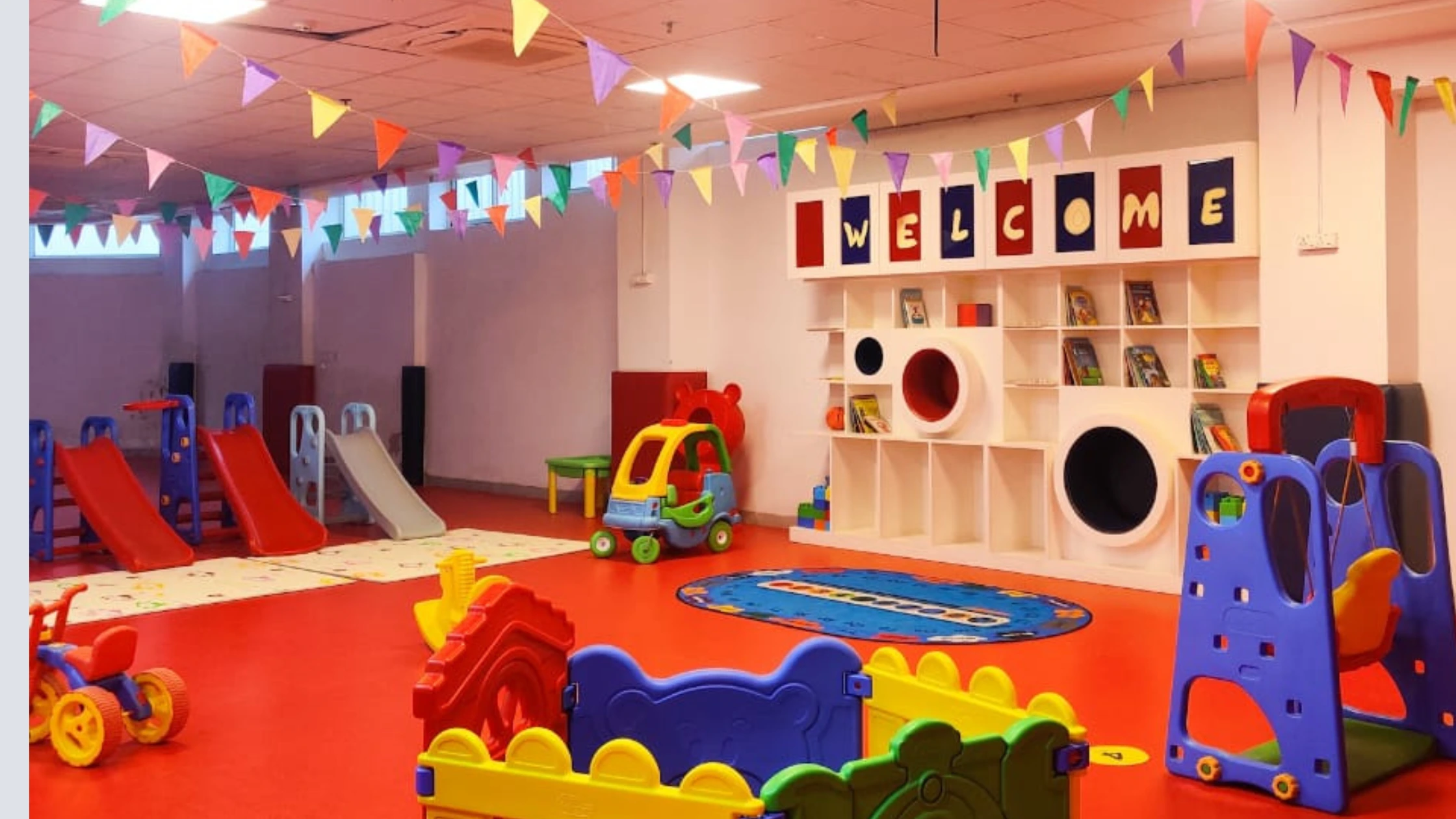
- Clean, safe, and stimulating learning spaces
- Open and regular communication between teachers and parents
- A balanced approach to early academics, creativity, play, and physical activity
Role of Parents in Preschool Education:
Parents play a crucial role in reinforcing the importance of preschool education, acting as co-educators and creating a seamless bridge between learning at school and home. Their involvement significantly enhances a child’s preschool experience and promotes their overall development.
1. Communication
Maintaining consistent and open communication with teachers is key to understanding a child’s progress and addressing their needs. When parents stay informed, they can better support their child’s journey, further emphasizing why preschool education is important.
2. Extend Learning at Home
Reinforcing classroom activities at home creates a consistent learning environment. Parents can encourage early reading, art, and play, aligning with the importance of academic preschool in nurturing skills beyond the classroom.
3. Celebrate Achievements
Acknowledging small wins, such as learning a new word or completing a craft, boosts a child’s confidence and motivation. This shared joy highlights the importance of preschool education in building a positive mindset and fostering a love for learning.
Parents and preschool educators working together create a nurturing environment that empowers children to grow, thrive, and excel during these foundational years.
Conclusion
Early years of a child are extremely important as they set the foundation for a child’s academic, emotional, and social development. Preschool equips children to navigate the challenges of formal schooling and beyond setting the stage for a lifetime of learning, confidence, and success. Parents, as active partners in this journey, play a vital role in reinforcing these lessons and nurturing their child’s growth. Together, educators and parents create an environment where children thrive by fostering curiosity, creativity, and essential life skills.
At KLAY Preschools and Daycare, we turn this philosophy into action. Our programs are designed to amplify the vital partnership between educators and families, ensuring that the foundation built in preschool—through purposeful play, social exploration, and skill-based learning—aligns seamlessly with your child’s unique journey. With curated activities that spark curiosity, and adaptive curricula to nurture confidence, KLAY empowers you to reinforce those lessons at home. Together, we don’t just prepare children for school; we equip them to embrace lifelong learning with joy and resilience.
Book a tour today!
FAQs:
-
What is the right age to start preschool?
Most children are ready to start preschool between 2.5 and 3 years of age, although readiness can vary based on their emotional, social, and developmental needs.
-
Why is preschool important for early childhood education?
Preschool supports children during their early developmental years by helping them build communication, social, emotional, and self-regulation skills while developing confidence and independence.
-
Is preschool necessary for every child?
Preschool is not mandatory for every child, but it can provide valuable opportunities for structured social interaction, guided learning, and early skill development.
-
Which preschool teaching method is best?
There is no single teaching method that works best for every child. Approaches such as Montessori, Playway, Reggio Emilia, and Waldorf have different strengths, so parents can consider their child’s needs, personality, and learning preferences when choosing a preschool.
-
How does preschool prepare children for formal schooling?
Preschool introduces children to routines and a structured learning environment. They learn to follow instructions, participate in group activities, communicate with others, and develop early literacy and numeracy skills, making the transition to kindergarten smoother.
-
Does preschool education improve a child’s future academic performance?
Research suggests that high-quality preschool education can support children’s later academic and social development. Early learning experiences can contribute to foundational skills in areas such as reading and mathematics, while also supporting attention, social skills, and positive behaviour.
-
How can parents choose the right preschool?
Parents can consider factors such as the curriculum, teaching approach, teacher qualifications, safety measures, classroom environment, and child-to-teacher ratio. Visiting the preschool, speaking with teachers, and observing the learning environment can also help parents make an informed decision.










Subscribe to our newsletter
[contact-form-7 id="12706" title="Newsletter Form for post page"]Our Related Blogs
Yoga Benefits, Activities, and Poses for Preschoolers
For preschoolers, yoga isn’t about perfection but about giggles and benefits. So, are you curious how a simple stretch can support a child’s focus, flexibility, and emotional well-being? Let’s roll...
Year-End Reflection and Goal Setting for Children
Parenting is a journey filled with the brightest moments and valuable lessons, both for us and our children. As the year draws to a close, it’s the perfect time to...
Work-Life Balance Solutions for Parents in Emerald Hills Rd, Sector 65, Gurugram: The KLAY Daycare Advantage
Finding the perfect balance between professional commitments and parenting is a challenge for many working families in Gurugram. Parents in Emerald Hills Rd, Sector 65, especially, look for childcare solutions...