



 76767 08888



Key Takeaways
- Shyness in preschoolers is common and can stem from temperament or environment.
- Gentle support from teachers and parents helps shy children build confidence, social skills, and emotional security.
- Creating a warm classroom environment with predictable routines helps shy preschoolers feel safe and ready to participate.
- Small steps like one-on-one interactions, play-based activities, and positive reinforcement encourage shy children to open up.
- Consistent parent-teacher collaboration makes it easier to understand triggers, track progress, and support a child’s social growth effectively.
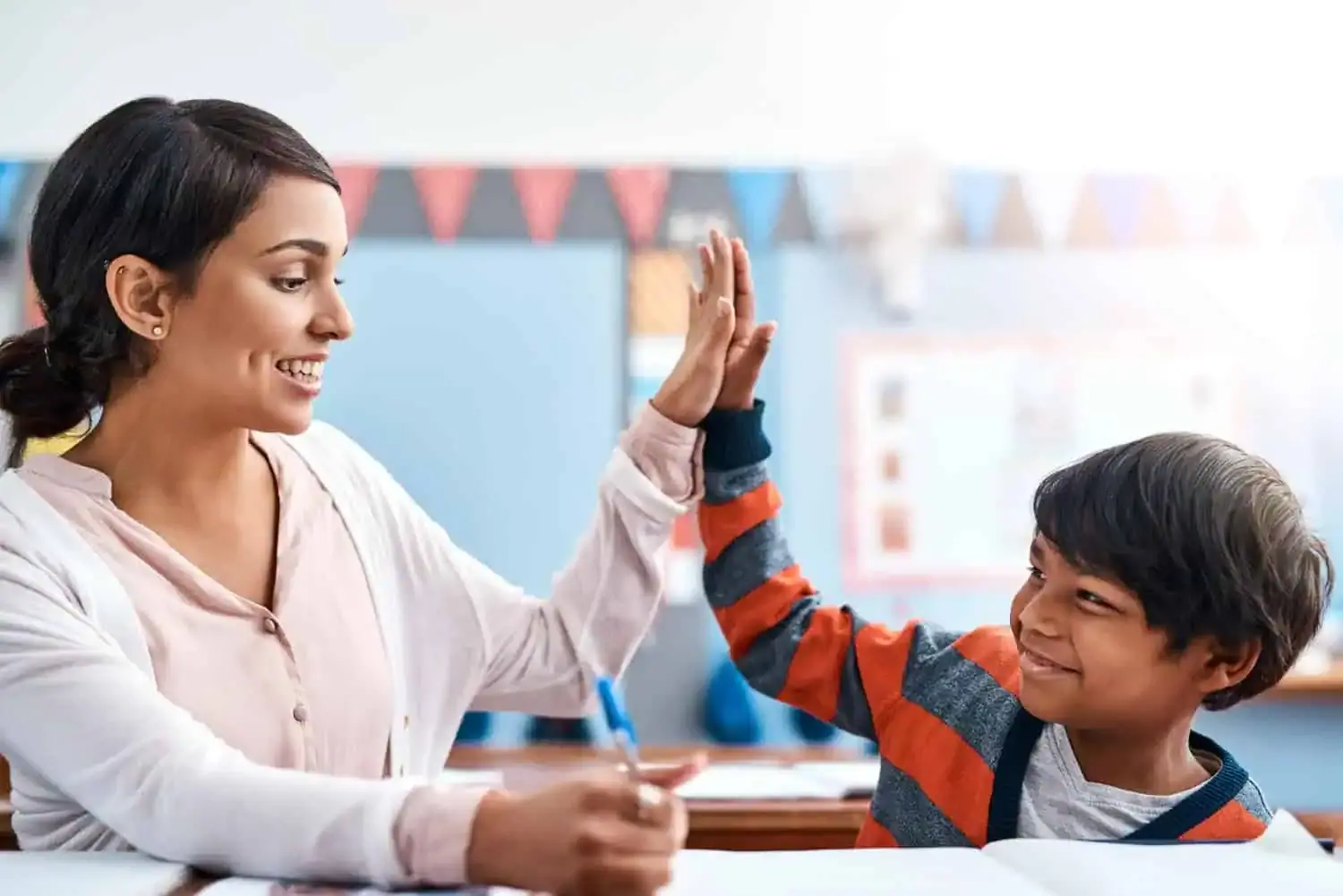
Starting preschool is exciting, but not every child may feel the same. Some might feel way too overwhelmed to come out of their shell. New faces, new routines, and unfamiliar spaces may make shy preschoolers retreat into silence or stay close to the teacher instead of joining group play. Knowing how to help a shy child open up at preschool can make a meaningful difference in that child’s confidence and emotional well-being.
Shy children are not “less social”. Sometimes they just need gentle encouragement, trust-building, and consistent emotional safety. This blog will guide preschool teachers, even parents, on how to help a shy child participate in school, build friendships, and feel more secure in the classroom.
Why a Child May Feel Shy at Preschool?
Shyness is not always about personality. Sometimes it’s influenced by timing, environment, and past experiences. Some common reasons include:
- New or overwhelming environments.
- Separation anxiety when away from familiar caregivers.
- Limited exposure to other children before joining preschool.
- Some children are naturally slow to warm up.
- Starting preschool too early or too late.
Many parents wonder whether their child’s hesitation is linked to the timing of preschool admission. When children join preschool before or after the right age, they may take longer to adjust to routines, social expectations, or new faces. Understanding the ideal preschool age helps ensure children enter school when they are developmentally ready.
What are the Signs of Shyness in Preschoolers?
Shyness in early childhood is completely natural. Many preschoolers show it through different gestures, and here’s how shyness may look in some kids:
- Avoiding eye contact
- Whispering responses or not speaking at all
- Clinging to a familiar adult
- Hesitating before joining group play
- Watching from the sidelines instead of participating
- Speaking softly or only to select people
Shyness vs Social Anxiety vs Introversion:
It’s important to differentiate between these three:
- Shyness: A child feels hesitant or nervous in social situations but warms up with proper support.
- Introversion: A child prefers calm, small-group or individual play. Introverted children may not be shy. They simply recharge differently.
- Social Anxiety: A child shows intense fear, distress, or avoidance of social settings. This requires early support and possibly professional guidance.
Importance of Early Intervention to Help a Shy Child Open Up at Preschool
With the right social experiences early on, you can help a child open up at preschool and interact with their peers effectively. The introduction of social interaction at an early stage for the child helps shape their:
- Confidence
- Emotional resilience
- Communication skills
- Independence
- Peer relationships
A warm preschool environment can help shy children slowly build these skills at a pace that feels right for them.
How to Help a Shy Child Open Up at Preschool
Preschools can be daunting for shy kids. But guided care from their teachers and a little help from their parents can make all the difference.
Here’s how teachers and parents can help a shy child open up at preschool and how KLAY provides proper guidance and warm support.
How Teachers Can Help a Shy Child Participate in Preschool:
-
Create a Safe & Warm Classroom Environment
- Build Familiarity: Teachers can greet each child by name every morning, offering warm eye contact and maintaining predictable routines. Familiarity makes shy children feel secure.
- Offer Gentle Transitions: Soft cues, visual cards, calm music, and transition songs help shy preschoolers move between activities without fear or confusion.
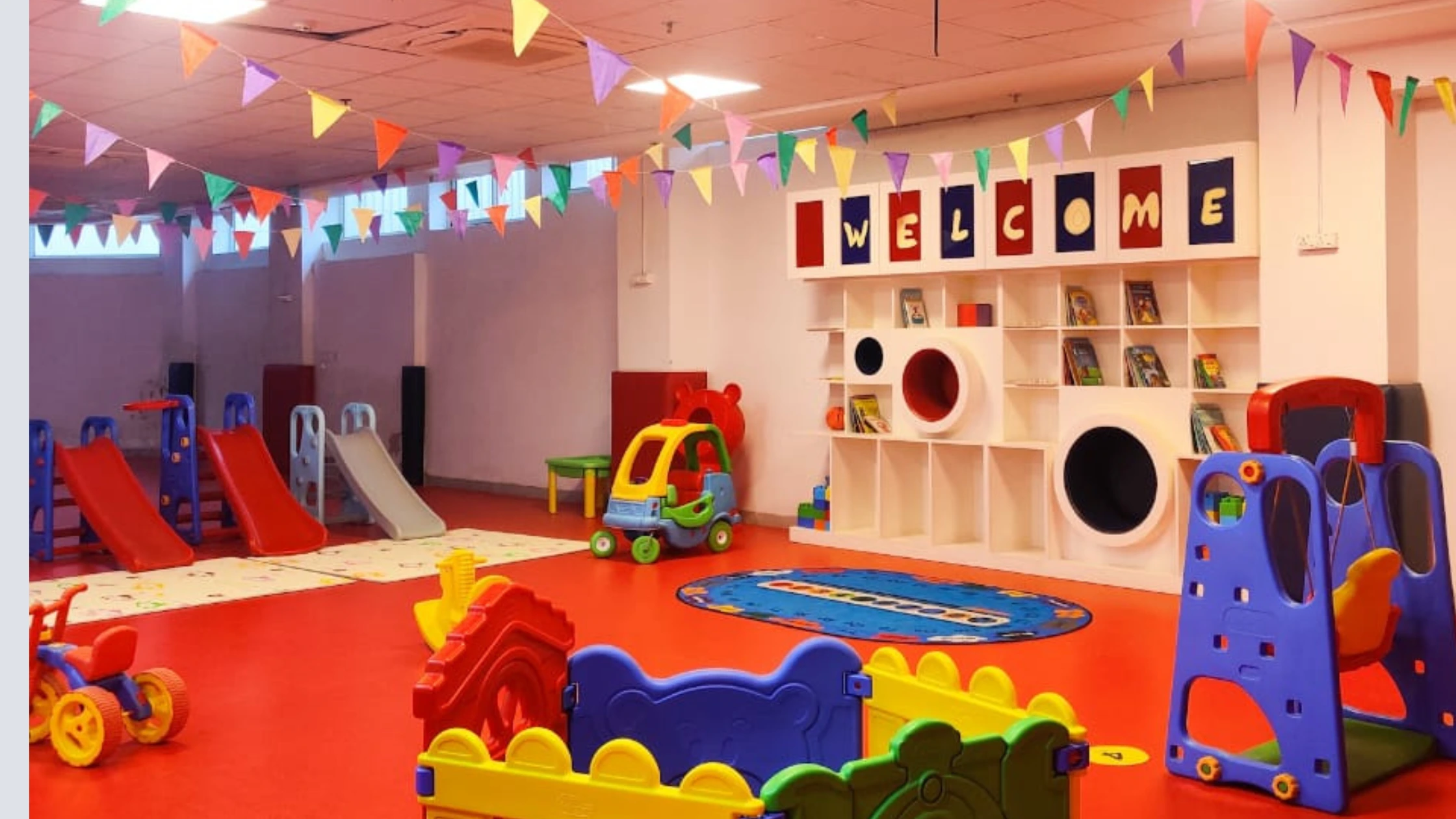
- Provide Comfort Spaces: Quiet corners with cushions, books, or sensory objects give children a place to pause, breathe, and rejoin activities when ready.
- Show Genuine Warmth: A soft reassurance, a gentle smile, or a slow-paced interaction helps build trust, especially for children who need extra comfort to navigate social spaces.
-
Build Trust & Encourage Social Connection
- Observe Comfort Zones: Dealing with a shy child in the classroom is all about pulling the right cards at the right time. It’s ideal to observe a child’s natural preferences first. Analyse what they enjoy doing the most to connect with them.
- Start With One-on-One Interactions: Approach the child gently with simple invitations: “Can I sit with you while you draw?” or “Shall we read this book together?”. These moments help shy children feel valued.
- Pair Kids Thoughtfully: Introduce the child to one empathetic, friendly classmate. Peer modelling is powerful for shy children and offers social support without pressure. If the child is already comfortable talking to one of their peers, you can pair them up so they don’t feel anxious about having to talk to other children.
- Celebrate Progress, Not Perfection: Shy kids bloom slowly, which is okay. You can celebrate their small wins by simply acknowledging them, like “You smiled back at Maya today!” or “You shared your colours with Rohan, that was lovely!”
- Promote More Play-Based Learning: One of the best ways to deal with a shy child in the classroom is through gentle, play-based social skill building. This works because play removes pressure and makes social learning enjoyable and safe.
-
Encourage Confidence & Independence
Confidence grows through gentle, everyday successes. To get a shy kid to open up at the preschool, it’s best to make them feel capable and valued.
You can try:
- Assigning them simple roles, like giving out crayons, watering plants, or leading the line.
- Acknowledging them whenever they participate in group activities or discussions.
- Avoiding labels, as labelling kids can place them in a box that hinders their social growth.
How Parents Can Support a Shy Child to Participate in School:
Just like teachers, parents also play a powerful role in helping a shy child feel comfortable, expressive, and confident. While the classroom sets the stage for social growth, home is where emotional safety begins.
Here’s how to help a shy child participate in preschool:
-
Build Emotional Safety at Home
Children who feel understood at home find it easier to handle new social situations at preschool.
Parents can try:
- Having warm, predictable routines, like morning cuddles, bedtime reading, or gentle conversations, helps children feel anchored.
- Acknowledging their feelings without pressure.
- Keeping a calm, encouraging tone when talking about school or new experiences.
-
Practise Social Skills Through Simple Home Activities
Small everyday interactions help shy children grow socially in preschools:
- Role play short conversations, like greetings, asking for a turn, and introducing themselves.
- Read books about friendships and emotions, then ask simple reflective questions: “How do you think the character felt?”
- Arrange short, low-pressure playdates with one familiar child instead of large groups.
- Encourage turn-taking games like rolling a ball, matching cards, or building blocks together.
-
Use Gentle Encouragement, Not Pressure
Shy kids don’t open up overnight, and that’s completely okay. To help them get out of their shell, as parents, you can:
- Praise their efforts and not just the outcome. For example, “It was wonderful how you initiated the conversation with your playmate today!”
- Avoid comparing them with other kids. Every child is unique and has their own ways to open up. Comparing will only deter them from socialising.
- Let them warm up at their own pace instead of forcing quick participation.
-
Share Insights With Teachers & Collaborate Regularly
Helping a shy child open up and get ready for the preschool environment is a task in itself. Parents and teachers will have to collaborate to see effective results. It’s necessary to share your child’s progress with their teachers regularly so that they know what measures to take at school.
As parents, you can share things like:
- What situations usually make your child nervous?
- What comforts the child during stressful moments?
- What are your child’s favourite activities, toys, or interests?
- Are there any new changes at home to be aware of, like moving houses or a new sibling?
Best Activities That Help Shy Preschoolers Open Up
Shy kids can benefit greatly by participating in activities with their peers. We have curated a list of some of the best activities for a shy child to help them open up:
- Circle-Time Hello Songs
- Buddy Art Time
- Role-Play Corners
- Puppet Storytelling
- Compliment Circle
- Music & Movement Games
- Show-and-Tell Game
- Feelings Chart or Emotion Sorting
When to Seek Extra Support
Shyness is normal, but if you spot any of the concerns below, it might be time to seek extra support:
- Stays withdrawn most of the time
- Shows extreme distress during drop-offs
- Avoids speaking altogether
- Struggles to make eye contact
- Has frequent meltdowns or shutdowns
- Shows regression in behaviour
Tips for Teachers to Help Shy Kids Open Up at Preschool
Teachers are the pillars of support who will have to work with parents to help a shy child participate in the classroom and be more social. Below are some tips to keep in mind:
- Keep simple observation notes of the child’s behaviour frequency, triggers, and patterns.
- Discuss concerns privately and compassionately with parents.
- Ask parents what helps the child feel safe at home.
- If behaviour continues, gently suggest meeting a child counsellor, psychologist, or developmental specialist.
How Does KLAY Partner With Parents to Help a Shy Child Open Up?
At KLAY Preschools, every child’s emotional comfort is treated with the same importance as their learning. Our teachers are trained to nurture confidence through child-centred strategies, play-based learning, and a compassionate approach that values every child’s pace. They work closely with parents to help shy children feel secure, confident, and ready to explore.
Here’s how we support them:
- Gradual settling routines that allow children to warm up at their own pace.
- Daily communication with parents about small wins, comfort levels, and emotional cues.
- Safe classroom spaces where children can recharge when they feel overwhelmed.
- Personalised encouragement based on each child’s temperament and interests.
- Collaborative strategies with parents to maintain consistency at home and school.
This partnership ensures that shy children feel seen, supported, and never rushed, allowing them to blossom naturally and joyfully!










Subscribe to our newsletter
[contact-form-7 id="12706" title="Newsletter Form for post page"]Our Related Blogs
Yoga Benefits, Activities, and Poses for Preschoolers
For preschoolers, yoga isn’t about perfection but about giggles and benefits. So, are you curious how a simple stretch can support a child’s focus, flexibility, and emotional well-being? Let’s roll...
Year-End Reflection and Goal Setting for Children
Parenting is a journey filled with the brightest moments and valuable lessons, both for us and our children. As the year draws to a close, it’s the perfect time to...
Work-Life Balance Solutions for Parents in Emerald Hills Rd, Sector 65, Gurugram: The KLAY Daycare Advantage
Finding the perfect balance between professional commitments and parenting is a challenge for many working families in Gurugram. Parents in Emerald Hills Rd, Sector 65, especially, look for childcare solutions...