



 76767 08888


Every parent wants to raise a child who feels confident enough to try new things, independent enough to solve everyday problems, and resilient enough to learn from mistakes. These qualities aren’t developed overnight—they grow through everyday experiences, encouragement, and age-appropriate responsibilities.
Independence doesn’t mean expecting children to do everything on their own. It means giving them opportunities to make choices, complete simple tasks, and learn from their experiences while knowing they have your support. These small moments help children build confidence, responsibility, and essential life skills that benefit them both at home and in school.
In this article, you’ll learn practical ways to raise an independent and confident preschooler through everyday routines, positive parenting, and play-based learning.
How do you raise an independent and confident child?
Raising an independent and confident child starts with giving them age-appropriate opportunities to make decisions, solve simple problems, and take responsibility for everyday tasks. Encouraging effort, allowing mistakes, and offering guidance instead of doing everything for them helps children develop confidence, resilience, and self-belief from an early age.
What Does It Mean to Raise an Independent Child?
An independent child is someone who can think for themselves, make age-appropriate decisions, and take responsibility for their actions. They are confident enough to try new things, explore their surroundings, and solve problems without constantly depending on others.
Independent children aren’t expected to do everything on their own. Instead, they gradually learn to make age-appropriate decisions, complete everyday tasks, ask for help when needed, and trust their own abilities. As they experience small successes, they become more confident, responsible, and willing to explore new challenges.
Why Is Independence Important for a Child’s Confidence and Development?
Independence plays a vital role in a child’s overall growth and development. It helps children become responsible, builds their confidence, and encourages a positive, proactive mindset.
Every time children complete a task independently—whether it’s packing their bag, choosing their clothes, or helping at home—they develop confidence in their own abilities. These everyday experiences strengthen problem-solving skills, decision-making, resilience, and self-esteem while preparing children to become capable learners and responsible individuals.
How Does Independence Help Build Confidence?
Every time children complete a task on their own, they gain evidence that they are capable. Whether it’s putting away toys, choosing their clothes, or helping set the table, these small successes strengthen self-belief. As children experience success through everyday tasks, they become more willing to try new activities, solve problems, and handle challenges with confidence.
Everyday Activities That Build Independence in Preschoolers
In the exciting journey of growing up, children possess an innate desire for independence, a longing to conquer small tasks on their own, even if they aren’t yet proficient or completely confident in their abilities. These seemingly mundane actions hold great significance as they mark pivotal milestones in their personal development. Let’s explore a few examples that exemplify this sentiment:
Independence is built through everyday routines rather than big milestones. Encouraging children to complete simple daily tasks helps them develop confidence, responsibility, and practical life skills. Start with activities that match your child’s age and gradually increase their responsibilities as they become more capable.
-
Dressing Themselves
Encourage your child to dress independently, even if buttons take a little longer or clothes don’t always match. Choosing outfits and getting dressed helps develop fine motor skills, decision-making, and self-confidence while giving children a sense of accomplishment.
-
Brushing their Teeth
Brushing teeth independently teaches children responsibility for their own health and daily routine. While parents should supervise, allowing children to complete the task themselves helps them develop confidence and healthy lifelong habits.
-
Tying their Shoes
Laces may occasionally transform into knots that only a magician could untangle, but learning to tie shoes is a step towards mastering a skill. It’s a tangible representation of progress, nurturing perseverance and fine motor skills.
-
Making their Bed
A neatly made bed may not always be the outcome, but allowing children to arrange their own bedding encourages a sense of orderliness. This simple task lays the foundation for tidiness and responsibility.
-
Setting the Table
Plates might not be perfectly aligned, and utensils may find themselves in unconventional positions, but permitting children to set the table teaches them about the organization and contributes to a sense of contribution within the family.
-
Helping with Chores:
Tasks like folding laundry or sweeping the floor might not meet adult standards, but involving children in household chores imparts the significance of teamwork. It cultivates an understanding of shared responsibilities and a sense of belonging within the family unit.
-
Choosing their Own Clothes:
Allowing children to choose between two or three weather-appropriate outfits gives them a sense of control while strengthening decision-making skills. Making simple choices independently helps build confidence and encourages self-expression.
-
Deciding What to Eat:
Though this might occasionally lead to a plate full of sweets, permitting children to have a say in their meals fosters a sense of autonomy and a connection to their nutritional choices.
-
Making Friends on their Own:
While friendships might evolve through an assortment of curious questions and playtime conflicts, allowing children to form their own friendships nurtures their social development. It lets them explore personalities, navigate conflicts, and understand the dynamics of relationships.
Parenting Tips to Raise an Independent and Confident Child
-
Let Your Child Learn From Mistakes
Your child making mistakes at first may seem scary since we all want our kids to be the best at everything. But it is a superpower for the future. When your child makes a mistake, they are not just learning about the world around them but about themselves as well. They get an understanding of what works and what does not. They can build that problem-solving muscle and are ready to bounce back from challenges. Which makes them more resilient.
-
Encourage Your Child to Try New Experiences
Getting outside their comfort zone is another that makes children stronger and independent. You can start small, and make them try a new food recipe. If your child is an introvert, encourage them to step up and make new friends. As a parent, you should be there to support and cheer them but teach them to face their fears and step outside their comfort zone for a brighter future.
-
Standing Up for Themselves
Teaching your children to advocate for themselves is a powerful learning you can give them for the future. They will learn to set boundaries and speak up for what they believe in. You can do this by encouraging open communication and creating a safe space for them to share their thoughts. You also need to be a patient listener so that your child feels comfortable sharing. You must also teach them assertiveness, this will help them stand their ground, and if you are someone who stands up for themselves, and advocates yourself positively and respectfully, your child is bound to pick it up from you as well.
-
Show That You Believe in Your Child’s Abilities
Showing confidence in your children gives them the confidence and motivation to do the right thing, knowing you have their back. They will be able to try new things and learn to believe in themselves. If you celebrate their accomplishments and give them a pat on their back when they make mistakes, telling them to try again will boost their confidence and make them smarter and more independent.
-
Teach Your Child to Solve Problems Independently
Allowing your child to solve their problems and navigate through conflicts is a life skill they need to learn. They learn to communicate, compromise, and find solutions on their own when given the chance to handle their own conflicts. This will not only help them solve problems independently but also help them form stronger meaningful bonds in life.
Raising an independent child isn’t about expecting perfection—it’s about giving your child the confidence to take the next small step. Every choice they make, every responsibility they accept, and every challenge they overcome helps shape them into capable, resilient individuals. By offering encouragement, patience, and opportunities to learn, you’re not just teaching independence, you’re helping your child build confidence that will support them throughout life.
Common Parenting Mistakes That Can Limit a Child’s Independence
Helping children grow into confident and independent individuals doesn’t mean expecting them to do everything on their own. However, certain parenting habits can unintentionally prevent children from developing the confidence to take initiative or solve problems independently. Being aware of these common mistakes can help you create an environment where your child feels encouraged to learn, explore, and grow.
Doing Everything for Your Child
It’s natural to want to help your child, especially when you’re short on time. However, constantly stepping in to complete tasks such as dressing them, packing their school bag, or tidying up after them can reduce opportunities for learning. Encourage your child to take part in age-appropriate daily tasks, even if they need a little extra time or guidance.
Solving Every Problem Too Quickly
Children develop problem-solving skills by thinking through challenges and trying different solutions. Instead of immediately fixing every issue, ask simple questions such as, “What do you think you could try?” or “How would you like to solve this?” This helps children become more confident in their own abilities.
Expecting Perfection
Learning a new skill often involves mistakes. Whether your child spills water while pouring a drink or struggles to button a shirt, these moments are part of the learning process. Celebrate their effort and progress rather than focusing on getting everything right the first time.
Comparing Your Child with Others
Every child develops at their own pace. Comparing siblings or classmates can affect a child’s confidence and discourage them from trying new things. Instead, recognise your child’s individual strengths and celebrate their personal milestones, no matter how small they may seem.
Giving Too Many Instructions
When children are told exactly what to do at every step, they have fewer opportunities to think independently. Offer simple guidance, but allow them to make small decisions and complete tasks in their own way. This builds confidence, decision-making skills, and a sense of responsibility over time.
Simple Daily Habits That Build Confidence and Independence
Building independence doesn’t require complicated activities. In fact, some of the most valuable learning happens through everyday routines. By involving your preschooler in simple daily tasks, you’re helping them develop practical life skills while also building confidence, responsibility, and a sense of accomplishment.
Here are a few easy ways to encourage independence at home:
- Let them pour their own water using a small jug or cup. This strengthens coordination while giving children confidence in managing simple tasks.
- Encourage them to water plants regularly. Caring for plants teaches responsibility, patience, and the importance of looking after living things.
- Ask them to pack their school bag with your guidance. Choosing what they need for the day helps develop organisation and decision-making skills.
- Make tidying up part of playtime. Putting toys back in their place teaches responsibility and encourages children to care for their belongings.
- Offer simple snack choices. Allow your child to choose between healthy options or help arrange fruit on a plate. Making small choices helps build confidence and independence.
- Invite them to help with simple meal preparation, such as washing vegetables, mixing ingredients, or setting the dining table. These activities develop practical life skills and encourage teamwork.
- Encourage your child to greet family members, neighbours, or visitors politely. Small social interactions help build confidence and communication skills.
- Create a routine of returning books to the shelf after reading. This simple habit encourages responsibility and teaches children to care for their belongings.
Remember, independence develops one small step at a time. Consistently giving your child opportunities to participate in everyday activities helps them become more confident, capable, and prepared to take on new challenges as they grow.
KLAY School’s Approach to Nurturing Independence
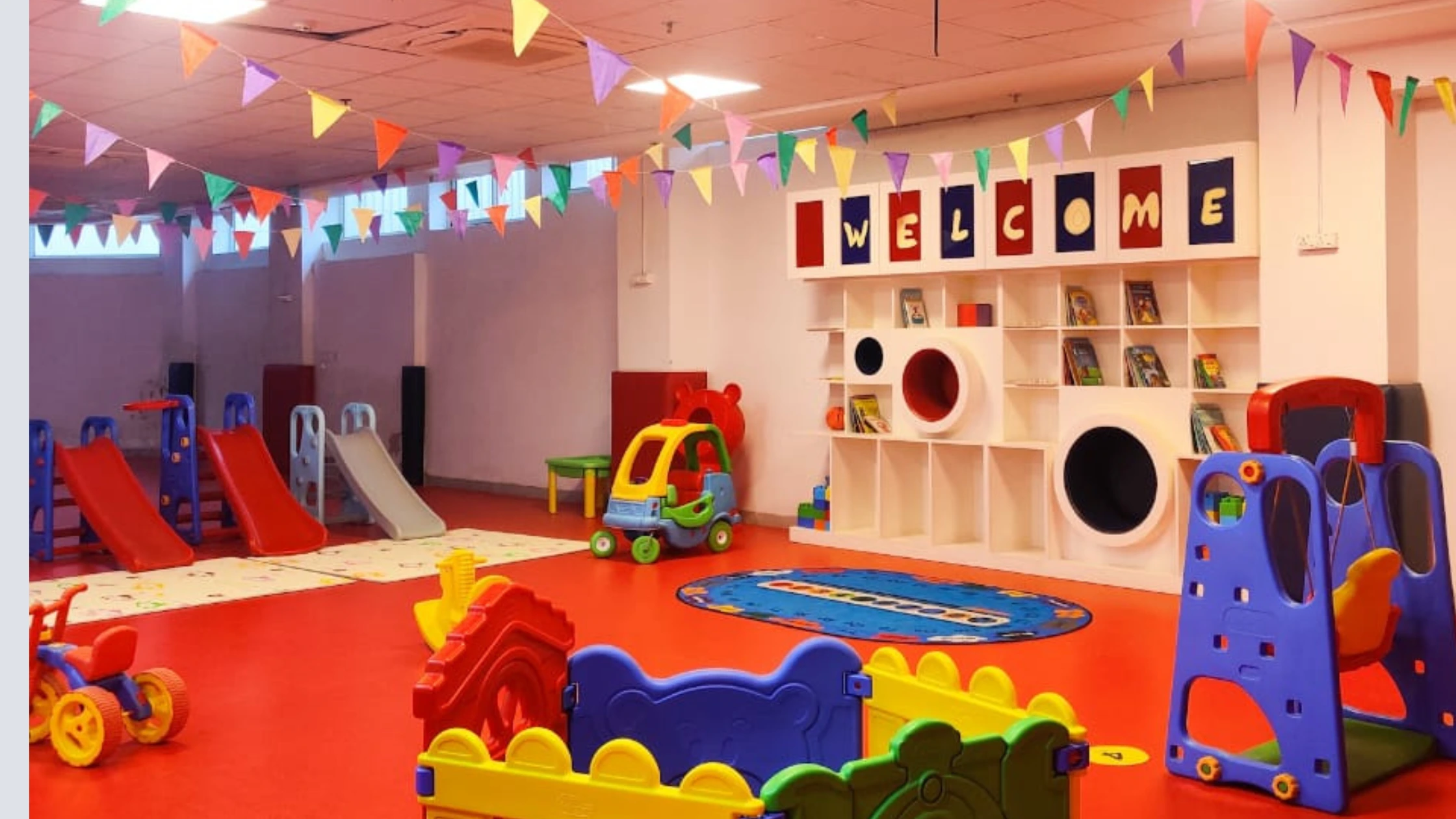
At KLAY Preschool and Daycare, we believe that teaching a child to be independent is a cornerstone for their holistic development. Our nurturing and child-friendly environment is designed to empower children to explore, discover, and learn at their own pace.
Our curriculum allows your children to take ownership of their learning. They participate in group projects, learn teamwork, make informed choices, and learn basic life skills. Our curriculum keeps them engaged throughout and our experienced and expert educators help boost your child’s confidence, resilience, and sense of responsibility- all through playful games and fun activities, so they never have a dull moment in the school.









2 Comments
Subscribe to our newsletter
[contact-form-7 id="12706" title="Newsletter Form for post page"]Our Related Blogs
Yoga Benefits, Activities, and Poses for Preschoolers
For preschoolers, yoga isn’t about perfection but about giggles and benefits. So, are you curious how a simple stretch can support a child’s focus, flexibility, and emotional well-being? Let’s roll...
Year-End Reflection and Goal Setting for Children
Parenting is a journey filled with the brightest moments and valuable lessons, both for us and our children. As the year draws to a close, it’s the perfect time to...
Work-Life Balance Solutions for Parents in Emerald Hills Rd, Sector 65, Gurugram: The KLAY Daycare Advantage
Finding the perfect balance between professional commitments and parenting is a challenge for many working families in Gurugram. Parents in Emerald Hills Rd, Sector 65, especially, look for childcare solutions...