



 76767 08888

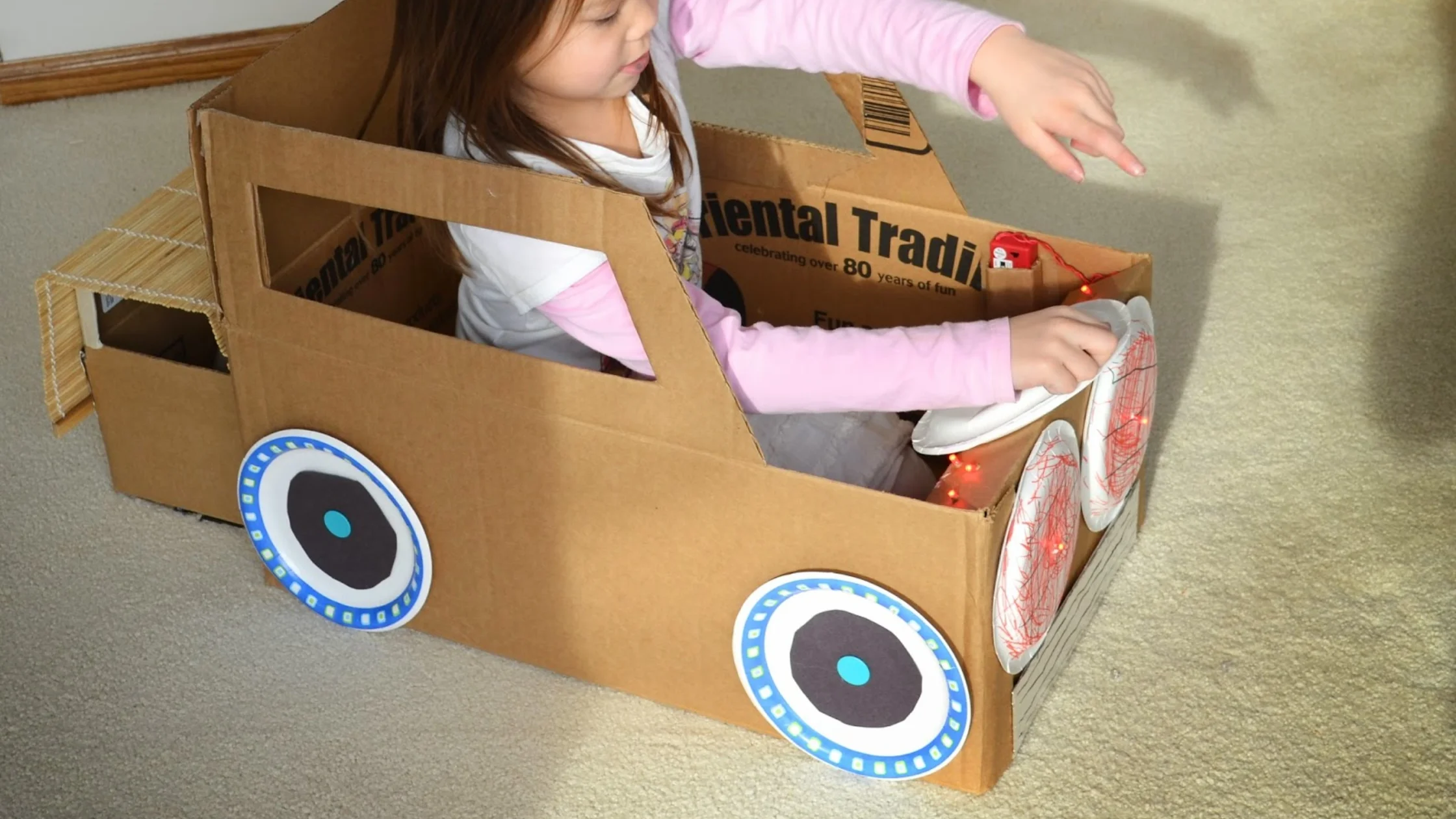


Does your child turn a cardboard box into a car, or spend 20 minutes pouring water from one cup to another? These everyday moments can be more than just play.
With the right approach, simple hands-on activities for preschoolers can help children explore concepts, build skills, and make sense of the world around them, without needing expensive kits or a lot of space.
Know how KLAY helps children explore more.
What are hands-on activities for preschoolers?
Hands-on activities for preschoolers are play-based experiences where children actively use their hands, senses, movement, and thinking to explore an idea or solve a simple problem. They might involve building, sorting, painting, pouring, counting, pretending, or experimenting, helping children learn through doing rather than simply watching or listening.
This approach is particularly useful during the preschool years because young children are still developing their ability to learn through abstract explanations. They often understand a concept more easily when they can touch it, move it, build it, or experience it themselves.
Their attention spans are also still developing, so active experiences can give them a meaningful way to stay involved.
Why are hands-on activities important for preschoolers?
The importance of hands on activities for preschoolers goes beyond keeping children entertained. When children actively explore, they have opportunities to practise several skills at the same time.
They can help children:
- Build fine and gross motor skills: Grasping playdough, threading beads, stacking blocks and moving through an obstacle course all involve different kinds of physical coordination.
- Strengthen problem-solving and decision-making: Children make choices, test ideas and work out what to do when something does not go as planned.
- Support language development: Describing what they are doing, naming objects or telling a story gives children opportunities to use new words and communicate their thoughts.
- Develop social-emotional skills: Group activities can encourage sharing, turn-taking, patience, and listening to others.
- Build independence and confidence: Completing a small task can give children a sense of achievement and encourage them to try something new.
- Make abstract concepts more concrete: Counting actual objects, sorting shapes, or creating patterns can make early maths and literacy concepts easier to understand and remember.
The key is not to make every activity a lesson. Children need room to explore, make choices, and even get things wrong.
How hands-on learning is different from just “Keeping kids busy”
There is an important difference between giving a child something to do and creating an opportunity for them to learn through it.
Not every activity needs an educational objective, but hands-on learning activities for preschoolers usually have some intention behind them. An adult might introduce a concept, ask a question, or encourage the child to notice what happens. For example, while playing with water, you could ask, “Which cup do you think will hold more?” and let your child investigate.
This is different from simply keeping a child occupied until dinner time. Similarly, hands-on learning does not mean that screens or passive activities are always “bad”. Different types of experiences can have different purposes. What matters is giving young children plenty of opportunities to actively explore, communicate, create, and experiment.
Hands-on activities for preschoolers, by skill area
You do not need elaborate resources to create meaningful learning experiences. Many hands-on activities can be built around things you already have at home.
Sensory play
Sensory activities give children opportunities to explore materials through touch, sight, sound, and movement.
Playdough exploration
Give your child playdough and let them roll, squeeze, flatten and shape it. Try making balls, snakes, letters, or simple objects together.
Water play
Place a few cups, spoons, and containers in a shallow tub. Let your child pour, transfer, and compare how much water each container holds.
Texture sorting
Collect a few safe household items with different textures. Ask your child to group them as smooth, rough, soft or hard.
For more ideas, explore our guide to sensory activities for preschoolers.
Fine motor & art-based activities
Art and craft can strengthen hand control while giving children freedom to create and make choices.
Finger painting
Let your child use their fingers to make lines, dots, swirls, and simple pictures. Talk about the colours and shapes they are creating.
Paper plate crafts
Turn a paper plate into an animal, sun, mask, or face. Encourage your child to decide what to add and where to place it.
Threading beads
Use large, age-appropriate beads and thick string to create simple patterns. This can help practise hand-eye coordination and concentration.
You can also explore finger painting activities for preschoolers, easy art activities for preschoolers, and easy craft activities for preschoolers.
Early Maths & Logic
Everyday objects can become simple tools for exploring numbers, patterns, shapes and comparisons.
Count everyday objects
Ask your child to count spoons, toys, socks, or fruit while putting them away. Keep it playful rather than turning it into a test.
Shape sorting
Find objects around the house and group them in shape. “Can you find everything that looks like a circle?”
Sort by size
Give your child a few objects and ask them to arrange them from smallest to largest. You can also sort toys by colour or type.
For more ideas, explore counting and maths activities for preschoolers and shape activities for preschoolers.
Language & early literacy
Hands-on language activities allow children to connect words and sounds with actions and objects.
Alphabet scavenger hunt
Choose one letter and look for objects around the house that begin with that sound. For example, find a book, a ball, or bottle for “B”.
Storytelling with puppets
Use socks, paper bags, or simple hand puppets to create a short story. Let your child decide what happens next.
Letter tracing in sand or rice
Spread a thin layer of sand or rice in a tray and let your child trace simple letters or shapes with their finger.
For more ideas, explore alphabet activities for preschoolers.
Science & nature exploration
Young children are natural experimenters. Simple activities can encourage them to observe, predict, and ask questions.
Colour mixing
Use a few drops of child-safe food colouring in water and let your child combine colours. Ask what they think will happen before they mix them.
Sink-or-float experiment
Place safe household objects in a tub of water. Before each one goes in, ask: “Do you think it will sink or float?”
Balcony planting
A few pots on a balcony can become a mini gardening project. Let your child add soil, place seeds, and water the plants under supervision.
For more ideas, explore fun and easy science activities for preschoolers.
Building & thinking skills (STEM)
Building and problem-solving activities give children opportunities to plan, try, adjust, and try again.
Block towers
Challenge your child to build the tallest tower they can. Ask what could make it stronger or what might happen if they add another block.
Simple puzzles
Choose puzzles appropriate for your child’s age and let them work out where each piece fits. Resist the urge to solve it immediately for them.
Obstacle-course problem-solving
Create a simple route using cushions and safe household furniture. Give your child a challenge such as “How can you get from here to there without touching the floor?”
Explore STEM activities for kids and cognitive activities for preschoolers for more ideas.
Movement & gross motor play
Hands-on learning does not always mean sitting at a table. Movement gives children opportunities to develop balance, coordination, and body awareness.
Balloon bounce
Keep a balloon in the air using hands or different body parts. Count how many times your child can tap it before it falls.
Indoor obstacle course
Use cushions, soft mats and safe spaces to create a simple course involving stepping, crawling or balancing.
Shadow play
Use natural sunlight to explore shadows. Try moving closer to or further away from a light source and notice how the shadow changes.
Pretend & social play
Pretend play gives children a safe space to experiment with language, relationships, emotions, and different roles.
Dramatic role-play
Turn a corner of your home into a doctor’s clinic, shop, or restaurant. Let your child choose the role and make up the conversation.
Puppet shows
Create a simple story using puppets or soft toys. Take turns being the character and encourage your child to decide what happens next.
Pretend cooking
Set up a pretend kitchen using safe household objects. Your child can “prepare” food, serve it and take orders.
Pretend play can be particularly useful for children who are still finding their confidence in social settings. Explore the importance of play in preschool and activities for shy kids in preschool for more ideas.
Everyday life skills
Some of the most valuable hands-on experiences are already part of your family’s daily routine.
Helping in the kitchen
Under close adult supervision, let your child pour, mix, or transfer ingredients. You can also talk about quantities, colours and textures.
Watering plants
Give your child a small watering can and let them help care for household plants. Talk about what plants need to grow.
Sorting laundry
Ask your child to sort clean laundry by colour, size, or type. It turns a household task into an opportunity to practise classification.
For more ideas, explore life skills activities for preschoolers.
Bringing hands-on learning home- Even in a small space
You do not need a playroom, garden, or weekend trip to make space for hands-on learning.
For families living in apartments or managing busy weekdays, the trick is to look at what you already have differently.
- Use the balcony: A couple of pots can provide opportunities for gardening, observation and responsibility.
- Turn a kitchen counter into a learning space: A tray with water, cups and spoons can become a quick sensory activity.
- Try five-minute activities: Count toys while tidying up, sort laundry by colour or make patterns with household objects.
- Reuse what you have: Cardboard boxes, spoons, containers and old newspapers can become props for building, sorting and pretend play.
- Build learning into routines: Cooking, getting dressed, shopping and tidying can all involve counting, comparing, describing and making choices.
And there is no need to do all of this every day.
A few minutes of focused, child-led exploration can be meaningful. The goal is not to add another task to your parenting checklist. It is to notice the learning opportunities already hiding in everyday life.
Hands-on activities by age group
Children develop at different rates, so these age groups are broad guides rather than strict milestones. Choose activities based on your child’s interests, abilities, and comfort level.
| Age | Focus | Example Activities |
| 2.5–3 years | Sensory exploration and simple cause-and-effect | Water play, stacking blocks, and texture bins allow children to touch, move, compare, and observe what happens. |
| 3–4 years | Fine motor skills and early concepts | Playdough, shape sorting and counting everyday objects introduce early concepts through active exploration. |
| 4–5 years | Combining skills and building independence | Simple multi-step crafts, gardening tasks and structured pretend play allow children to plan, create and complete activities more independently. |
How KLAY brings hands-on learning to life
At KLAY, hands-on, play-based learning is part of the everyday classroom experience rather than something reserved for a special activity day. Children get opportunities to explore, create, experiment, and build capabilities through meaningful experiences as part of their learning journey.
This connects with KLAY’s approach to nurturing children’s potential through experiences that go beyond academics and support them in becoming School Ready, Life Ready, and Future Ready.
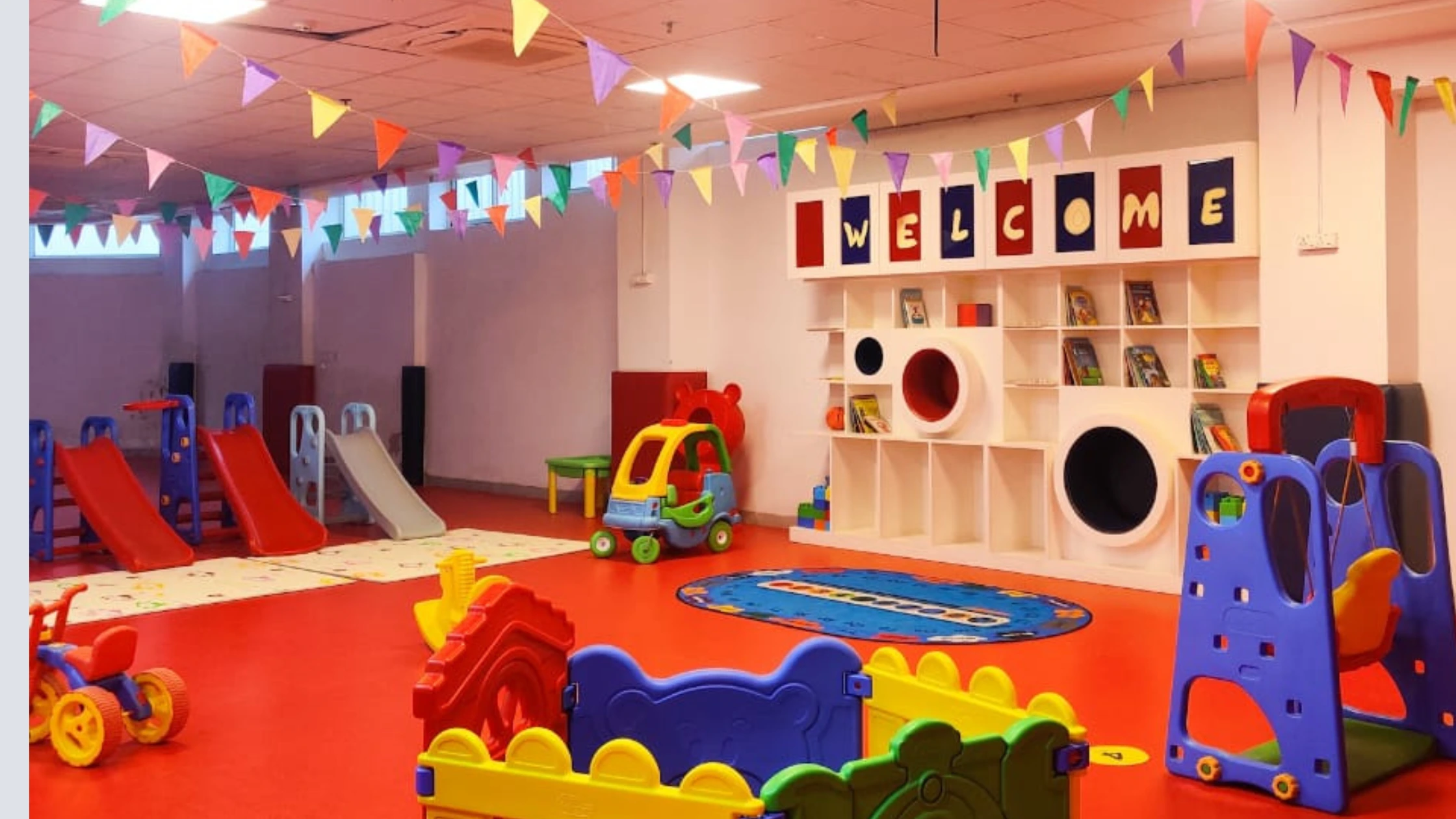
Want to see what hands-on learning can look like in a preschool environment? Explore a KLAY centre near you and experience the learning environment for yourself.
FAQs
- What are hands-on activities for preschoolers?
Hands-on activities for preschoolers are experiences where children actively use their hands, senses, movement, and thinking to explore. Building, sorting, painting, pouring, counting and pretend play are simple examples.
- Why are hands-on activities important for preschoolers?
They give children opportunities to practise motor, language, social-emotional, problem-solving, and early academic skills through active exploration. They can also make abstract concepts easier for young children to understand.
- What are some easy hands-on activities to do at home?
Try water play, playdough, counting household objects, shape sorting, finger painting, building with boxes or blocks, pretend play and simple gardening. Most need little preparation and can be adapted to the space you have.
- How much time should hands-on activities take each day?
There is no fixed amount of time. Even a few focused minutes can be useful. Follow your child’s interest and allow the activity to end naturally rather than making hands-on learning another daily target to meet.
- Do hands-on activities help with school readiness?
They can support several skills associated with school readiness, including communication, coordination, problem-solving, independence, concentration, and social interaction. School readiness is broader than knowing letters and numbers alone.
- What is the difference between hands-on learning and hands-on activities?
A hands-on activity describes what a child does, while hands-on learning focuses on what the child explores or develops through that experience. For example, building a tower can become hands-on learning when children experiment with balance, size, and stability.
- Are hands-on activities suitable for toddlers under 3?
Yes, age-appropriate hands-on experiences can be introduced to toddlers. Keep activities simple, sensory, and supervised, and choose materials that are safe for the child’s age and developmental stage.
- How can working parents fit hands-on activities into a busy schedule?
Use every day routines instead of adding separate activity time. Count vegetables while cooking, sort laundry, water plants, build with boxes or spend five minutes drawing together. Small, regular opportunities can be meaningful.
Conclusion
Hands-on learning does not have to mean elaborate crafts, expensive activity kits or hours of preparation.
For a preschooler, learning can happen while pouring water, building a tower, pretending to run a shop, or helping you sort the laundry. What matters is giving children opportunities to explore, make choices, ask questions, and discover what happens next.
And when these experiences are thoughtfully woven into everyday learning, they can help children turn curiosity into capabilities, and their potential into purpose.










Subscribe to our newsletter
[contact-form-7 id="12706" title="Newsletter Form for post page"]Our Related Blogs
Yoga Benefits, Activities, and Poses for Preschoolers
For preschoolers, yoga isn’t about perfection but about giggles and benefits. So, are you curious how a simple stretch can support a child’s focus, flexibility, and emotional well-being? Let’s roll...
Year-End Reflection and Goal Setting for Children
Parenting is a journey filled with the brightest moments and valuable lessons, both for us and our children. As the year draws to a close, it’s the perfect time to...
Work-Life Balance Solutions for Parents in Emerald Hills Rd, Sector 65, Gurugram: The KLAY Daycare Advantage
Finding the perfect balance between professional commitments and parenting is a challenge for many working families in Gurugram. Parents in Emerald Hills Rd, Sector 65, especially, look for childcare solutions...