



 76767 08888

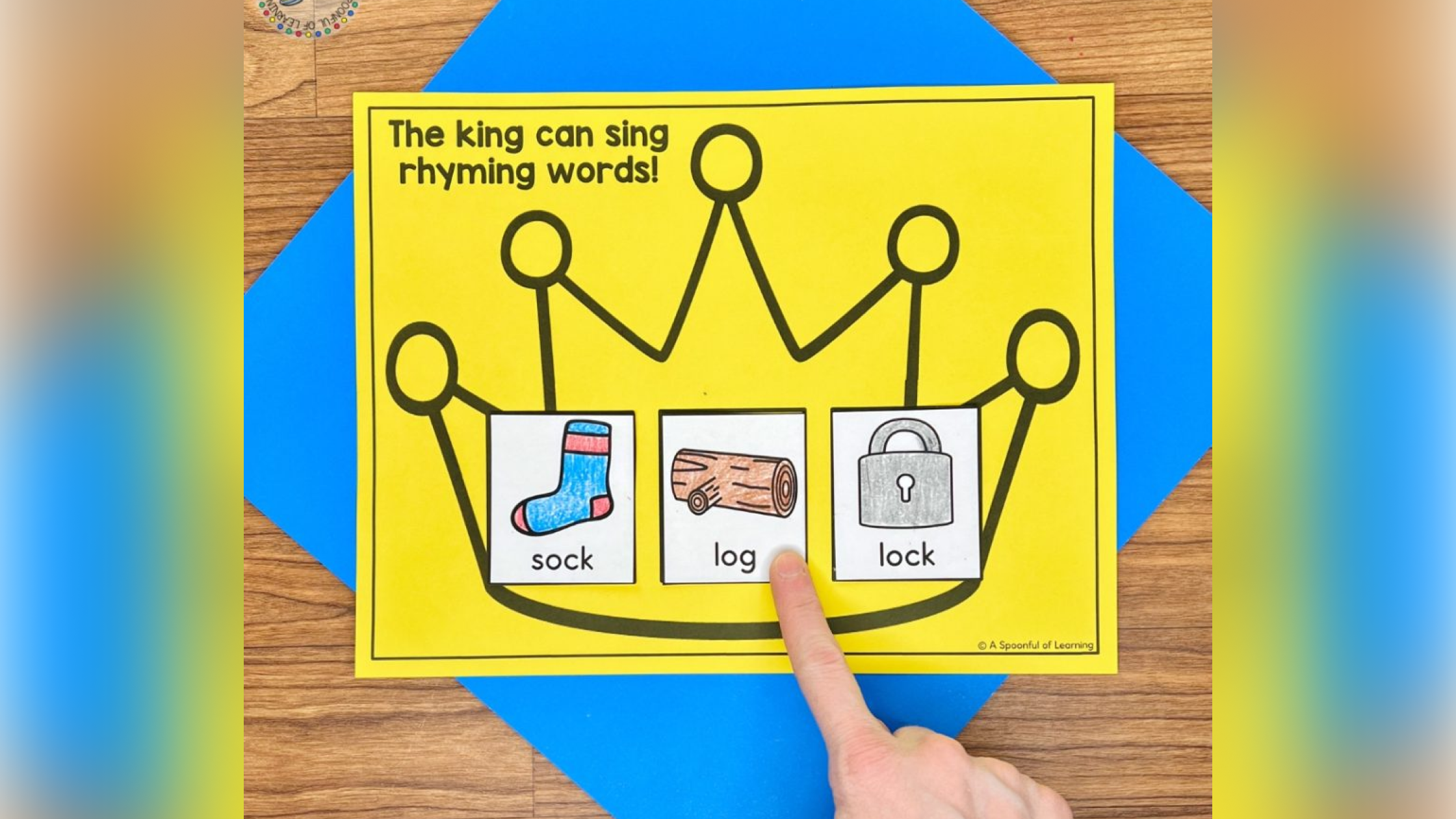


“Cat, hat… bat!” If your little one has ever burst into a stream of silly rhyming words, you’ve already seen how naturally children enjoy playing with sounds. Rhyming activities for preschool can turn that natural curiosity into playful opportunities to listen, speak, remember and experiment with language.
What is rhyming?
Rhyming is when words have the same or similar ending sounds, such as cat–hat, sun–fun or log–frog. For preschoolers, rhyming is less about spelling and more about listening carefully to how words sound.
Rhyming matters because it helps children notice patterns in spoken language. This is part of phonological awareness, an important foundation for later reading and spelling. Children learn these skills best through play, songs, stories, and everyday conversations rather than formal drills.
Why are rhyming activities important?
Simple rhyming games can support several early language and literacy skills.
- Develop listening skills: Rhyming encourages children to listen closely and notice whether words sound alike. You can also explore more listening activities for preschoolers to build this skill.
- Improve vocabulary: As children hear and experiment with different words, they are introduced to new vocabulary and ways of expressing ideas.
- Build phonological awareness: Recognising and producing rhymes helps children pay attention to the sound structure of spoken words. These phonological awareness activities can be introduced well before children begin formal reading.
- Prepare children for reading: Recognising sound patterns can support children’s developing understanding of words and word families, providing a foundation for future reading and spelling.
- Improve memory and focus: Songs, rhymes and repeated sound patterns encourage children to listen, remember and anticipate what comes next.
- Encourage creativity: Once children understand rhyming, they often enjoy making up their own words and silly sentences. There is no need for every rhyme to be a real word, the focus is on hearing and playing with sounds.
Rhyming activities for preschoolers
Ready to make sound play part of your child’s day? Try these easy rhyming activities for preschool at home or in the classroom. Many can be adapted using pictures, actions and familiar objects, so children can participate without needing to read.
1. Classic nursery rhymes
Nursery rhymes are a natural starting point because they combine rhythm, repetition and rhyming words.
How to play: Sing or read familiar rhymes such as Twinkle Twinkle, This Little Piggy, Hickory Dickory Dock and Incy Wincy Spider. Repeat them together and encourage your child to join in. Add actions, claps or movements to make it more engaging.
Learning outcome: Children develop listening skills, recognise repeated sound patterns, improve memory and become familiar with rhyming words.
2. Rhyme and clap
Say two words such as cake–snake. If they rhyme, your child claps. If they do not, they keep their hands still. Start with obvious pairs and gradually introduce trickier ones.
Learning outcome: Builds listening and rhyme recognition.
3. Rhyming basket toss
Place a basket or box a short distance away. Say a word such as ball and give your child a picture or object that rhymes with it, such as wall. If they identify the rhyme, they can toss it into the basket.
Learning outcome: Combines rhyme recognition with movement and hand-eye coordination.
4. Fill in the rhyme
Say a familiar sentence and pause before the rhyming word: “Twinkle, twinkle, little…?” Let your child complete it with star. You can later make up simple sentences together.
Learning outcome: Strengthens memory and helps children anticipate sound patterns.
5. Rhyming picture cards
Use pictures rather than written words. Place a picture of a cat on the table and offer pictures of a hat, sun and dog. Ask your child which picture rhymes with cat.
Learning outcome: Develops rhyme matching and vocabulary. Picture cues are particularly useful for younger learners.
6. Rhyme hunt around the house
Choose a word such as chair and look around the house for something that rhymes with it, or make up a silly answer if nothing does. You can also hunt for picture cards hidden around the room.
Learning outcome: Encourages listening, vocabulary and active participation.
7. I-spy with my little eye
Give the traditional “I spy” game a rhyming twist. Say, “I spy something that rhymes with box.” Your child can look for or suggest socks.
Learning outcome: Encourages children to connect sounds with familiar objects.
8. Rhyming hopscotch
Write or draw simple rhyming picture pairs on large paper squares. Place them on the floor and ask your child to hop from cat to hat, or sun to bun.
Learning outcome: Reinforces rhyme recognition through movement.
9. Rhyming bingo
Create a simple bingo board using pictures. Call out a word and let your child cover the picture that rhymes with it.
Learning outcome: Develops listening, matching, and concentration.
10. Silly rhyming names
Turn family names into playful rhymes. “Mummy Bunny”, “Daddy Paddy” or “Sammy Jammy” can get everyone laughing. Encourage your child to invent their own.
Learning outcome: Builds vocabulary, creativity, and confidence with spoken language.
11. What’s the odd one out?
Say three words, such as cat, hat, sun. Ask your child which one does not rhyme with the others. Keep the words familiar and say them slowly.
Learning outcome: Develops the ability to compare sound patterns. Identifying the odd word is a useful step in developing rhyme awareness.
12. Rhyme and dance
Put on some music and call out a pair of words. If they rhyme, your child dances; if they don’t, they freeze.
Learning outcome: Combines listening, rhyme, recognition, and gross motor movement.
13. Nature rhyming walk
While outdoors, look for familiar things such as a tree, bee, rock or sun. Ask your child to think of a word that rhymes with each one. Don’t worry if they invent a word.
Learning outcome: Encourages vocabulary, observation and creative language.
14. Rhyming word chain
Start with a word such as a dog. Take turns adding rhyming words: log, frog, fog. If your child invents a word such as “zog”, celebrate the attempt and repeat the ending sound together.
Learning outcome: Encourages children to produce rhymes and experiment with sounds.
15. Rhyme detective
Tell your child they are a “rhyme detective”. Read a short rhyming story or poem and ask them to listen to pairs of words that sound alike. You can clap whenever they hear one.
Learning outcome: Builds focused listening and rhyme recognition.
16. Telephone game
Sit opposite your child and whisper a simple rhyming pair, such as ‘mouse–house’. Your child repeats it and passes it to another family member. See whether the rhyme survives until the end!
Learning outcome: Supports listening, memory, and clear speech.
17. Rhyming race
Place two sets of picture cards at opposite ends of the room. Call out a word and ask your child to race to find its rhyming partner.
Learning outcome: Adds movement to rhyme matching while encouraging quick listening and recall.
18. Draw the rhymes
Say two rhyming words, such as sun–bun, and ask your child to draw them. Don’t worry about how the pictures look; talk about the words and sounds instead.
Learning outcome: Connects spoken language with creative expression and helps reinforce new vocabulary.
When do children learn to rhyme?
Children begin noticing rhythm and sound patterns from a very young age through songs, speech, and nursery rhymes. Preschool years are a particularly useful time to introduce playful rhyme recognition and production. Development varies, so some children may identify rhymes easily while others need more repetition. Focus first on hearing and matching rhymes before expecting children to produce their own. These ideas can also complement broader phonological awareness activities for kindergarten as children move towards formal literacy learning.
Tips for parents
Keep rhyme learning light and enjoyable. A few simple changes can make a big difference:
- Keep it short: Five to ten minutes is often enough. Stop while your child is still having fun.
- Listen before producing: Let children hear plenty of rhymes before expecting them to think of their own.
- Use everyday moments: Sing in the car, notice rhymes while reading a book, or play a quick sound game while getting ready.
- Celebrate silly rhymes: Made-up words are perfectly fine. They show that your child is paying attention to sounds.
- Don’t over-correct: If a rhyme isn’t quite right, model the correct sound naturally and keep the game moving.
- Repeat favourite activities: Children benefit from hearing the same rhymes and playing familiar games repeatedly.
Conclusion
Rhyming doesn’t need to feel like a lesson. A nursery rhyme at bedtime, a silly name at breakfast or a quick “What rhymes with cat?” game can all become opportunities to build early language skills.
With regular, playful practice, rhyming activities for preschool can help children listen more closely, enjoy language, and develop the sound awareness that supports their journey towards reading.
Explore more resources and playful learning ideas at KLAY, and discover our guide to rhyming words for kids for even more ideas.
FAQs
1. At what age should I start rhyming activities with my child?
You can start from infancy by singing nursery rhymes and songs. Babies may not understand the words yet, but they are becoming familiar with rhythm, repetition, and sound patterns.
2. Do rhyming activities actually help with reading later?
Yes. Early awareness of rhyme and other sound patterns is associated with later literacy development. Rhyming is one part of the broader phonological awareness skills children develop before and during early reading instruction.
3. Is it okay to use nonsense rhymes, or should they always be real words?
Absolutely. Silly or made-up rhymes can be useful because they encourage children to focus on how words sound rather than only on what they mean.
4. How much time should we spend on rhyming activities each day?
There is no fixed amount. A few minutes woven naturally into songs, stories, games, or everyday conversations can be more enjoyable and sustainable than a long, structured session. The key is regular, playful exposure.










Subscribe to our newsletter
[contact-form-7 id="12706" title="Newsletter Form for post page"]Our Related Blogs
Yoga Benefits, Activities, and Poses for Preschoolers
For preschoolers, yoga isn’t about perfection but about giggles and benefits. So, are you curious how a simple stretch can support a child’s focus, flexibility, and emotional well-being? Let’s roll...
Year-End Reflection and Goal Setting for Children
Parenting is a journey filled with the brightest moments and valuable lessons, both for us and our children. As the year draws to a close, it’s the perfect time to...
Work-Life Balance Solutions for Parents in Emerald Hills Rd, Sector 65, Gurugram: The KLAY Daycare Advantage
Finding the perfect balance between professional commitments and parenting is a challenge for many working families in Gurugram. Parents in Emerald Hills Rd, Sector 65, especially, look for childcare solutions...