



 76767 08888

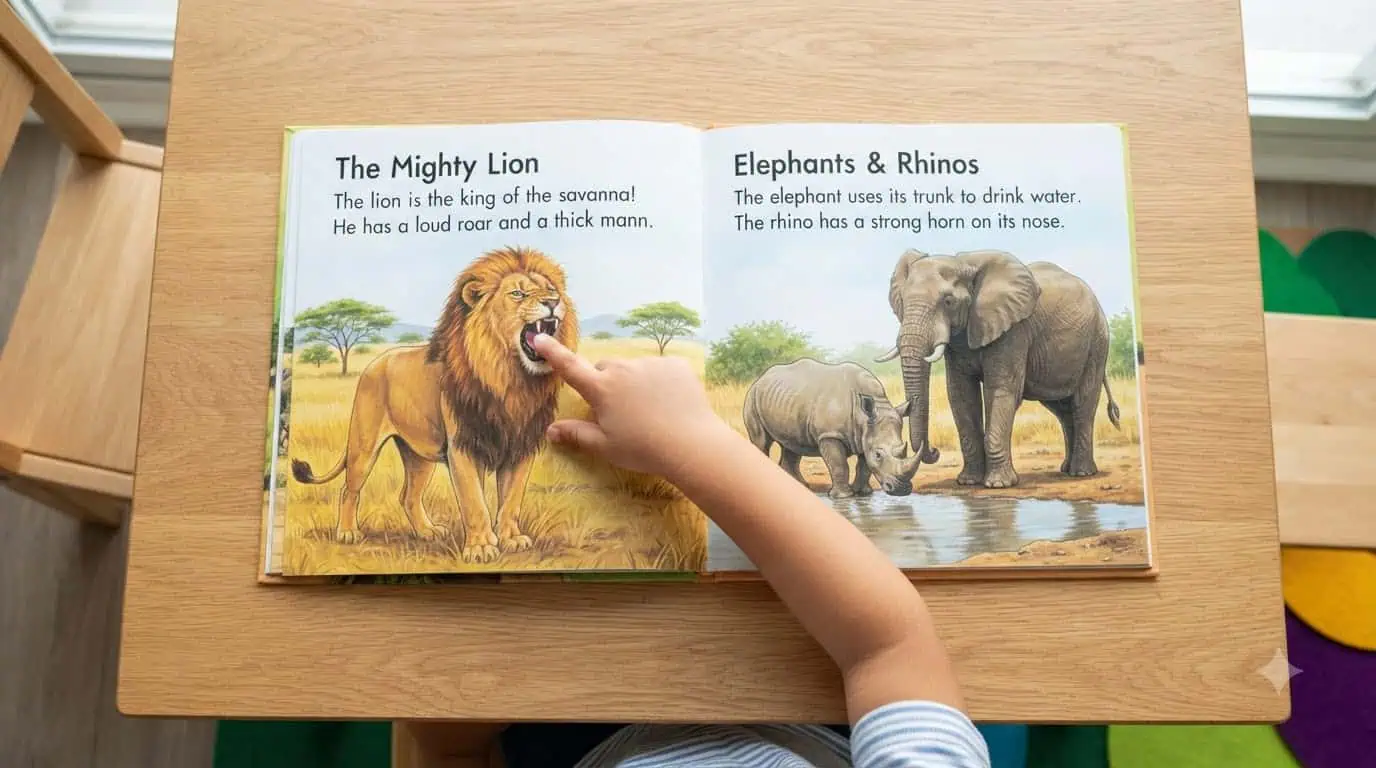


Ask a toddler what sound a cow makes, and chances are you’ll hear a loud “moo!” almost instantly. Animal sounds are often among the first words children enjoy saying because they are playful, easy to remember, and connected to animals they already know from books, songs, toys, and everyday conversations. While these sounds may seem like simple fun, they do much more than entertain. They introduce children to language, strengthen listening skills, and encourage them to observe the world around them.
Why Animal Sounds Matter in Early Childhood
Here’s why animal sounds play such an important role during the early years.
1. They Build Early Reading Skills
Words like moo, quack, hiss, and roar help children hear different speech sounds. As they begin recognising these sounds, they also start understanding how spoken words connect to letters. This creates a strong foundation for phonics and early reading.
2. They Expand Everyday Vocabulary
A child might first learn that a pig says “oink” before discovering that pigs also grunt. In the same way, they may know a lion roars or an owl hoots. Learning both the sound and the action word gradually broadens their vocabulary without making it feel like a lesson.
3. They Strengthen Thinking and Memory
Matching an animal to its sound is a simple activity, but it encourages children to sort information, recognise patterns, and remember associations. These small exercises help develop memory and early cognitive skills that support future learning.
4. They Encourage Social and Emotional Growth
Animal sounds naturally invite pretend play. One child may act like a lion while another pretends to be a monkey or an elephant. These playful moments encourage imagination, communication, confidence, and taking turns with others.
5. They Spark Curiosity About Nature
Every animal communicates differently. As children discover these differences, they become more interested in wildlife, habitats, and the natural world. It is often one of their first introductions to basic science concepts.
Animal Sounds List for Kids
Farm and Domestic Animal Sounds
Farm animals are usually where children begin their animal learning journey. They appear in nursery rhymes, classroom posters, cartoons, and bedtime stories, making them familiar from an early age. Rather than trying to remember long lists, encourage children to focus on a few animals at a time.
| Animal | Typical Sound |
|---|---|
| Cow | Moo |
| Sheep | Baa |
| Goat | Bleat |
| Pig | Oink (also grunts) |
| Horse | Neigh |
| Dog | Bark or woof |
| Cat | Meow |
| Rooster | Crow |
| Hen | Cluck or cackle |
| Chick | Cheep or peep |
| Duck | Quack |
| Goose | Honk |
| Turkey | Gobble |
| Donkey | Hee-haw |
| Mouse | Squeak |
| Rabbit | Usually quiet, but thumps its feet when alarmed |
| Guinea Pig | Wheek |
Wild and Jungle Animal Sounds
Wild animals often capture a child’s imagination in a different way. Whether they appear in storybooks, animated movies, zoo visits, or nature documentaries, these animals usually make louder and more dramatic sounds that children love to imitate.
| Animal | Common Sound |
|---|---|
| Lion | Roar |
| Tiger | Usually roars, but can also growl |
| Elephant | Trumpet |
| Bear | Growl |
| Wolf | Howl |
| Monkey | Chatter, whoop, or screech |
| Gorilla | Mostly grunts, sometimes roars |
| Fox | Yips or short barks |
| Snake | Hiss |
| Camel | Grunt |
| Hippo | Grunts and deep rumbles |
| Cheetah | Chirps and soft purrs |
| Giraffe | Hums softly (rarely vocalises) |
| Kangaroo | Chortles and grunts |
| Hyena | Whoops |
| Zebra | Whinnies |
| Rhinoceros | Snorts |
| Leopard | Growls |
Children often enjoy acting out these animals just as much as saying their sounds. Encourage them to stomp like an elephant, stretch like a giraffe, or prowl quietly like a tiger while making the matching sound. Combining movement with language keeps children engaged and also supports memory, coordination, and confidence during group activities.
Common Pet Animals and Their Sounds
For many children, pets are the first animals they interact with regularly. Hearing a dog bark or a cat meow becomes part of everyday life, which makes these sounds easy to recognise and imitate.
| Pet Animal | Sound It Makes |
|---|---|
| Dog | Bark or woof |
| Cat | Meow or purr |
| Rabbit | Thumps its feet when startled |
| Hamster | Squeak |
| Guinea Pig | Wheek |
| Parrot | Squawk or talk |
| Budgie | Chirp |
| Goldfish | Silent |
| Tortoise | Mostly silent |
As children become comfortable with these sounds, encourage them to describe what the pet might be feeling. For example, ask whether a dog is barking because it is excited, protecting its home, or greeting someone. These simple conversations help children connect sounds with emotions and situations.
Birds and Their Sounds
Birds produce an amazing variety of sounds. Some sing beautiful melodies, while others use calls to warn their flock, find food, or communicate with their young. Instead of introducing every bird at once, begin with the ones children are most likely to see near their home or school.
| Bird | Typical Sound |
|---|---|
| Sparrow | Chirp |
| Crow | Caw |
| Owl | Hoot |
| Pigeon | Coo |
| Parrot | Squawk |
| Duck | Quack |
| Goose | Honk |
| Turkey | Gobble |
| Peacock | Loud call |
| Cuckoo | Cuckoo |
Birdwatching can make this activity even more meaningful. During a walk or while looking out the window, ask children if they can hear birds nearby and try to guess which bird might be making that sound.
Marine Animals and Their Sounds
Children may not come across marine animals every day, but learning about them helps expand their understanding of life beyond land. Many sea creatures communicate using clicks, whistles, songs, or vibrations that travel efficiently underwater.
| Marine Animal | Sound |
|---|---|
| Dolphin | Clicks and whistles |
| Whale | Songs or deep moans |
| Seal | Bark or growl |
| Walrus | Growls and whistles |
| Crab | No noticeable sound |
| Jellyfish | Silent |
Talking about ocean animals also creates opportunities to introduce children to different habitats. It helps them understand that animals living in water communicate differently from those living on land.
Insects and Other Small Animals
Not every tiny creature makes a loud or easily recognised sound. Some insects create sounds by rubbing their wings or legs together, while others produce gentle buzzing or humming noises that children hear during outdoor play.
| Animal | Common Sound |
|---|---|
| Bee | Buzz |
| Cricket | Chirp |
| Mosquito | High-pitched whine or buzz |
| Grasshopper | Chirp |
| Snail | Silent |
| Earthworm | Silent |
Developmental Milestones and Sound Learning
Children learn animal sounds gradually, and every child develops at their own pace. Some may begin copying sounds before they can clearly say animal names, while others prefer pointing at pictures before attempting to speak. Both approaches are completely normal.
| Age | What Children May Do |
|---|---|
| 12 to 18 months | Recognise familiar animals and imitate simple sounds like “moo” or “woof.” |
| 18 to 24 months | Match common animals with their sounds and begin naming favourite animals. |
| 2 to 3 years | Copy a wider range of animal sounds during songs, books, and pretend play. |
| 3 to 4 years | Understand that different animals make different sounds and use them during storytelling. |
| 4 to 5 years | Confidently identify many animals, describe their sounds, and explain where they live. |
Remember that these milestones are only general guidelines. Some children move through them quickly, while others take a little longer. The most important thing is to keep learning enjoyable through conversations, books, songs, and everyday play rather than treating it like a test.
Animals and Their Sounds Used in Everyday Sentences
Once children become familiar with different animal sounds, the next step is hearing those words used in simple, everyday sentences. This helps them understand how these sound words appear in conversations, storybooks, and classroom activities. Reading the examples aloud gives children another chance to practise pronunciation and build confidence with new vocabulary.
| Animal | Sound | Example Sentence |
|---|---|---|
| Cow | Moo | The cow mooed loudly as it walked across the field. |
| Sheep | Baa | We could hear the sheep baa from the nearby farm. |
| Pig | Oink | The little pig oinked happily when it saw its food. |
| Horse | Neigh | The horse neighed as the stable doors opened. |
| Rooster | Crow | Every morning, the rooster crowed before sunrise. |
| Donkey | Bray | The donkey brayed while waiting near the barn. |
| Goat | Bleat | The hungry goat bleated until it was fed. |
| Lion | Roar | The lion roared across the grassland. |
| Tiger | Growl | The tiger growled before disappearing into the forest. |
| Elephant | Trumpet | The elephant trumpeted while spraying water with its trunk. |
| Wolf | Howl | The wolves howled together as night fell. |
| Bear | Growl | The bear growled when it sensed danger nearby. |
| Dog | Bark | The dog barked excitedly when its family came home. |
| Cat | Meow | The cat meowed softly while waiting for dinner. |
| Rabbit | Thump | The rabbit thumped its feet after hearing a sudden noise. |
| Parrot | Squawk | The parrot squawked whenever visitors arrived. |
| Sparrow | Chirp | A sparrow chirped outside the classroom window. |
| Crow | Caw | The crow cawed from the top of the tree. |
| Owl | Hoot | We heard an owl hoot during our evening walk. |
| Duck | Quack | The ducks quacked as they swam across the pond. |
| Turkey | Gobble | The turkey gobbled loudly around the farmyard. |
| Dolphin | Click | The dolphins clicked as they swam together in the sea. |
| Whale | Sing | The whale sang deep beneath the ocean. |
| Seal | Bark | A seal barked while resting on the rocky shore. |
| Frog | Croak | The frog croaked after the rain stopped. |
Instead of asking children to memorise every sentence, encourage them to make up their own. Questions like “What sound does a duck make?” or “Can you use ‘roar’ in a sentence?” turn vocabulary practice into a fun speaking activity.
Simple Ways to Teach Animal Sounds
Children learn best when they are actively involved. Rather than treating animal sounds as something to memorise, make them part of everyday play and conversation.
Picture Books
Reading picture books together is one of the easiest ways to introduce new animal sounds. Pause on each page and ask questions like, “What sound does this animal make?” or “Can you make that sound?” These small interactions keep children engaged and encourage them to participate.
Songs and Nursery Rhymes
Songs and nursery rhymes are equally helpful because repetition makes new words easier to remember. Many children begin joining in with familiar sounds long before they can confidently say complete sentences.
Pretend Play
Encourage children to hop like rabbits, stomp like elephants, flap their arms like birds, or prowl like tigers while making the matching sounds. Combining movement with language helps children remember what they have learned.
Flashcards, Puzzles, and Toys
Use flashcards, puzzles, animal toys, or matching games to make learning more interactive. If you have the opportunity, visiting a farm, zoo, or nature park gives children the chance to hear some of these sounds in real life, making the experience even more memorable.
Tips for Educators and Parents
A few simple habits can make animal sound activities more enjoyable while helping children build confidence and language skills.
- Repeat new animal sounds regularly. Children often need to hear and use a word several times before it becomes part of their everyday vocabulary.
- Combine pictures, sounds, and actions whenever possible. Seeing the animal, hearing its sound, and acting it out together helps strengthen memory.
- Introduce only three to five new animal sounds in a single session. Learning a smaller group at a time is usually easier than trying to remember many at once.
- Connect sounds with letters. Saying “M is for Moo” or “B is for Baa” helps children build early links between spoken language and the alphabet.
- Use age appropriate learning resources such as interactive story apps, educational websites, or short videos that encourage children to listen, repeat, and participate.
- Keep activities short, playful, and pressure free. Around 10 to 15 minutes works well for preschoolers, while older children may stay engaged for a little longer.
Most importantly, celebrate every effort. Children do not need to pronounce every sound perfectly. Confidence grows when learning feels fun, encouraging, and free from pressure.
How Klay Brings Language Learning to Life
At KLAY Preschools and Daycare, we believe children learn best when they’re encouraged to explore through play, conversation, and hands on experiences. Our early learning programs are designed to nurture language, creativity, and confidence through age appropriate activities that make every day an opportunity to discover something new.
Closing Thoughts
Animal sounds may seem like a small part of childhood, but they support language development, listening skills, creativity, and curiosity in meaningful ways. Whether your child is proudly saying “moo” for the first time or pretending to roar like a lion during playtime, every interaction helps build communication skills that will support future learning.
Frequently Asked Questions (FAQs)
At what age do children start learning animal sounds?
Most children begin imitating simple animal sounds like “moo” or “woof” between 12 and 18 months. By 2 to 3 years, they can usually copy a wider range of sounds and start naming their favourite animals.
Why are animal sounds important for language development?
Animal sounds help children hear different speech patterns, build vocabulary, and strengthen the connection between spoken words and letters. They also encourage listening skills and early phonemic awareness, both of which support later reading.
What is the easiest way to teach a toddler animal sounds?
Picture books, songs, and pretend play are some of the easiest ways to start. Pausing on a page to ask “What sound does this animal make?” or acting out an animal together keeps the activity playful rather than like a lesson.
How many animal sounds should I introduce at once?
It is best to introduce only three to five new animal sounds in a single session. Learning a smaller group at a time makes it easier for children to remember and builds their confidence before moving on to new ones.
Do all animals make only one sound?
No. Many animals make more than one sound depending on the situation. For example, a tiger usually roars but may growl when it feels threatened, and a pig can both oink and grunt.
How can I make animal sound learning more interactive?
Combine pictures, sounds, and movement together. Encourage children to hop like a rabbit or stomp like an elephant while making the matching sound, or use flashcards, puzzles, and toys to turn learning into a game.
Can learning animal sounds help with early reading skills?
Yes. Recognising and repeating animal sounds helps children hear distinct speech sounds, which builds a foundation for phonics. Connecting sounds with letters, such as “M is for Moo,” strengthens this link even further.
How does Klay support language learning in preschool?
At Klay, language learning is woven into everyday activities through stories, songs, pretend play, and guided conversations, helping children build vocabulary and communication skills in a joyful, age appropriate way.










Subscribe to our newsletter
[contact-form-7 id="12706" title="Newsletter Form for post page"]Our Related Blogs
Yoga Benefits, Activities, and Poses for Preschoolers
For preschoolers, yoga isn’t about perfection but about giggles and benefits. So, are you curious how a simple stretch can support a child’s focus, flexibility, and emotional well-being? Let’s roll...
Year-End Reflection and Goal Setting for Children
Parenting is a journey filled with the brightest moments and valuable lessons, both for us and our children. As the year draws to a close, it’s the perfect time to...
Work-Life Balance Solutions for Parents in Emerald Hills Rd, Sector 65, Gurugram: The KLAY Daycare Advantage
Finding the perfect balance between professional commitments and parenting is a challenge for many working families in Gurugram. Parents in Emerald Hills Rd, Sector 65, especially, look for childcare solutions...