



 76767 08888

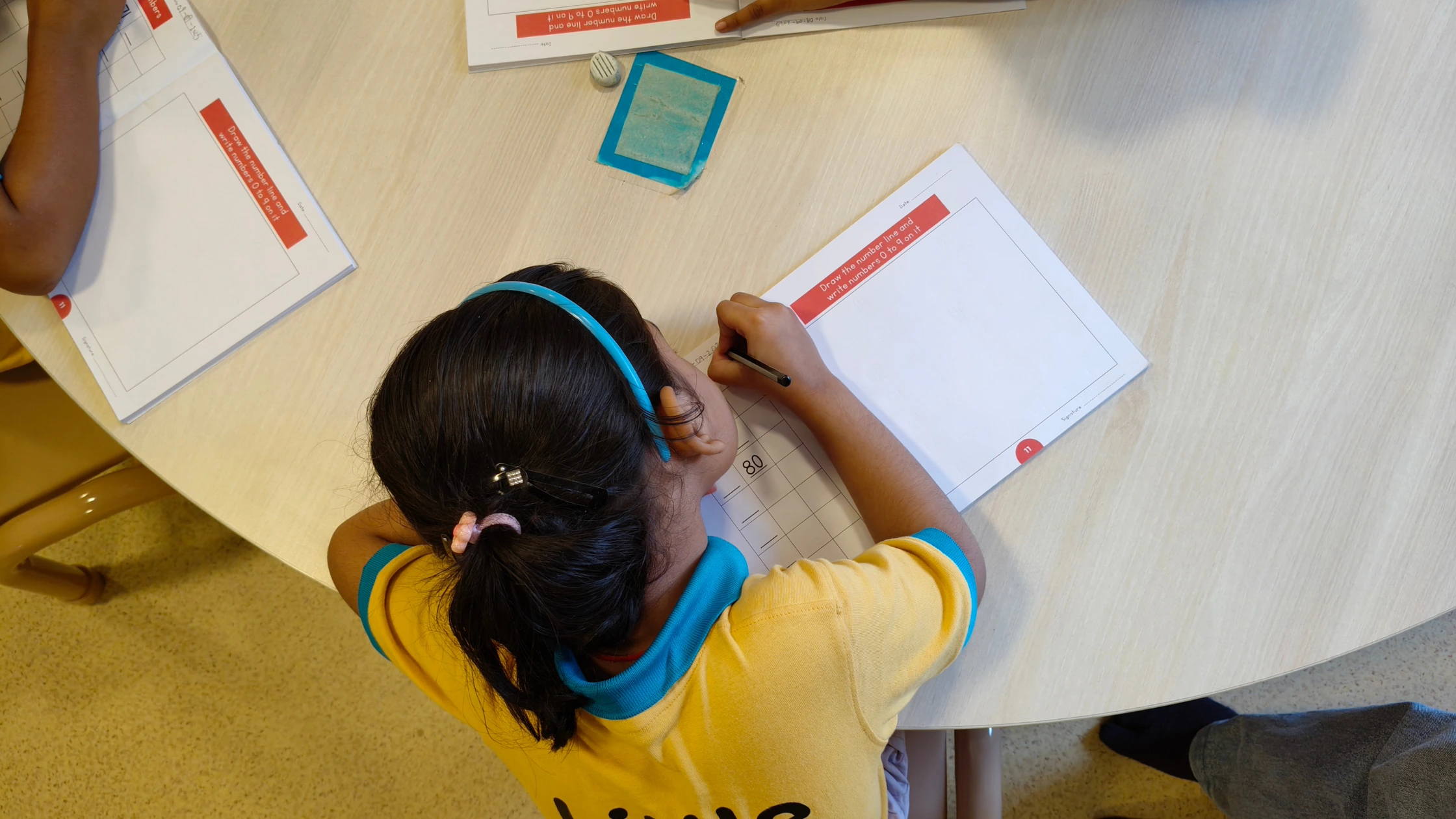


Preschools were once considered only a stepping stone before children started formal schooling. But over the course of time, the sector grew, and so did the myths around it.
It all began with the formation of Anganwadi centers as part of the Integrated Child Development Services (ICDS) program, with the health and nutrition of children as the primary focus. With rapid urbanization and an increase in working parents, the preschool sector also evolved, catering to more than just academics and childcare.
This evolution gave rise to a growing number of preschool options such as Montessori, play school, nursery, early learning centers, and so on. While they all catered to overall child development, the confusion caused by information overload and academic pressure made parents question what the truth and the myths behind preschools are.
In this blog, we will debunk some of the most common preschool myths.
Myth 1 – Preschool is just babysitting or free play.
The National Education Policy 2020 states that learning should be flexible, engaging, and holistic, focusing on problem-solving, collaboration, and critical thinking. Preschools today follow a structured framework that will help the child develop skills for life. Every activity and play is designed to support cognitive, language, and motor skills. Educators are trained and qualified in early childhood education.
Myth 2 – Academics are the only thing that matters for school readiness
School readiness is more than just academics. It includes attention span, emotional regulation, communication, and confidence. Research states that the social and emotional skills in preschoolers are an important predictor for later academic success. Therefore, school readiness is determined by various factors, of which academics is only one.
Myth 3 – Preschoolers need to learn to read and write before entering kindergarten
Early learning focuses on sound, vocabulary, storytelling, understanding words and its use, forming sentences, etc. Children in preschool are still very young to learn to read and write. Forcing children to read and write can lead to stress and disinterest.
Myth 4 – Preschool is an option chosen only by working parents
Preschool benefits children from all families. It is a place where the children can interact with other kids their age, learn, communicate, and build social–emotional skills. It also helps with routines, separation, and builds confidence in the child. In fact, stay-at-home parenting and preschool can complement each other.
CTA: Curious about what preschool really means and how it shapes
your child’s early development? Read our complete guide on what preschool is for, essential insights and tips.
Myth 5 – Young children do not need structure
Establishing a routine and structure early on comes with its own benefits. It helps the children to feel safe and secure in the environment. This structure also helps improve self-discipline and emotional stability.
A quality preschool provides much more than early academics—it creates a safe, nurturing environment where young children can grow holistically. Key indicators of a good preschool include trained educators, a low teacher–child ratio, and a play-based, age-appropriate curriculum that supports learning through exploration rather than pressure. Equal emphasis on safety, emotional wellbeing, and open communication helps children feel secure and confident.
Such an environment plays a crucial role in shaping children positively. Preschool encourages independence and curiosity, helping children explore the world around them with confidence. Regular interaction with peers builds strong social and communication skills, while structured routines and guided activities support a smooth transition to formal schooling.
Explore KLAY’s Foundational Development Program and see how structured early learning can support your child’s growth.










Subscribe to our newsletter
[contact-form-7 id="12706" title="Newsletter Form for post page"]Our Related Blogs
Yoga Benefits, Activities, and Poses for Preschoolers
For preschoolers, yoga isn’t about perfection but about giggles and benefits. So, are you curious how a simple stretch can support a child’s focus, flexibility, and emotional well-being? Let’s roll...
Year-End Reflection and Goal Setting for Children
Parenting is a journey filled with the brightest moments and valuable lessons, both for us and our children. As the year draws to a close, it’s the perfect time to...
Work-Life Balance Solutions for Parents in Emerald Hills Rd, Sector 65, Gurugram: The KLAY Daycare Advantage
Finding the perfect balance between professional commitments and parenting is a challenge for many working families in Gurugram. Parents in Emerald Hills Rd, Sector 65, especially, look for childcare solutions...