



 76767 08888



Key Takeaways for Parents:
- Moral values for preschoolers form their foundation for understanding right and wrong, kindness, respect, and responsibility from an early age.
- Preschools build these values daily through group discussions, stories, routines, role play, cooperative play, and emotional regulation practices.
- Core values like honesty, empathy, fairness, self-discipline, perseverance, and gratitude help shape a child’s character, social behaviour, and emotional intelligence.
- Parents reinforce these values at home through role modelling, storytelling, positive reinforcement, active listening, and everyday practice.
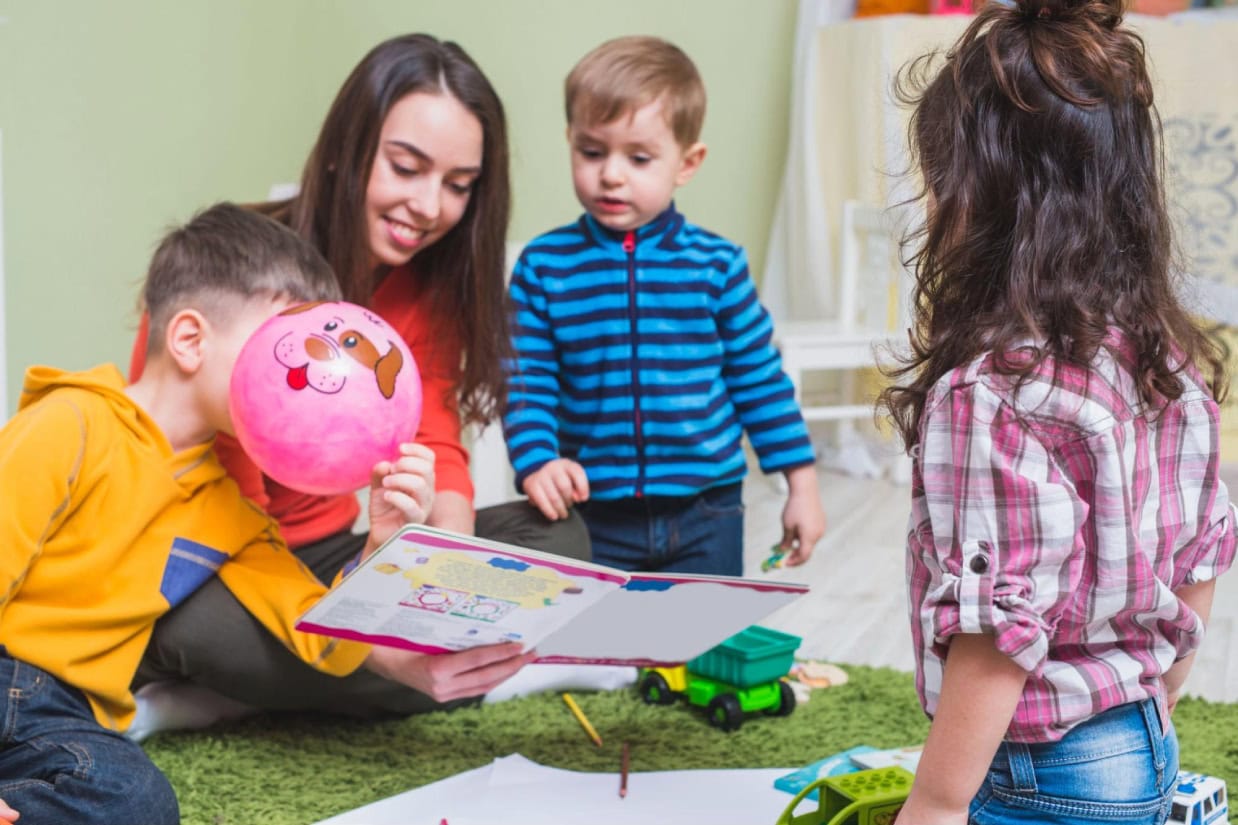
Every parent wants their child to grow up kind and grounded in strong moral principles. The early years, especially during preschool, are when children first begin to understand what moral values are, why rules matter, and how their behaviour affects others. During these formative years, they learn by observing adults, interacting with peers, and experiencing different social situations.
This is why teaching moral values for preschoolers is essential to shape their character, emotional intelligence, and responsibility.
What are Moral Values?
Moral values are the principles that help us differentiate right from wrong and guide how we behave with others. For young children, these values form the foundation of kindness, honesty, respect, empathy, fairness, and responsibility.
Moral Values for Preschoolers & How They’re Taught in Preschool
Below are key moral values for preschoolers, along with the significant role preschools play in incorporating them into their daily routines.
-
Honesty & Integrity
Honesty helps children learn to trust and be trusted. At the preschool age, children begin to understand the crucial concept that being truthful matters in life.
How preschools teach it:
- Storybooks that highlight honesty and consequences make abstract ideas concrete, helping preschoolers connect behaviour to outcome.
- Situations like admitting mistakes during playtime help children experience honesty in action. When teachers respond supportively, the child learns that telling the truth leads to solutions, not punishment.
-
Gratitude
Gratitude is another essential moral value in preschoolers that helps them appreciate what they have and acknowledge kindness from others.
How preschools teach it:
- Thank-you rituals during snack time help children associate gratitude with daily routines, reinforcing the habit through repetition.
- Gratitude circles build emotional awareness by helping children reflect on positive moments, which strengthens empathy.
- Gratitude jars where children drop notes make appreciation visual and fun, helping them understand gratitude as something we practise, not just say.
-
Responsibility
Responsibility teaches children to take ownership of their actions and understand how their choices affect others.
How preschools teach it:
- Class helper roles (line leader, snack helper, plant monitor) make preschoolers feel capable and included, and responsibility grows when they see their efforts have a real impact.
- In preschools, children are encouraged to clean up after completing an activity so they learn that shared spaces must be cared for. This helps them internalise responsibility because the consequence of their action is immediately visible.
-
Perseverance & Hard Work
Perseverance, an important moral value in preschoolers, helps children understand that success comes from trying, practising, and not giving up easily.
How preschools teach it:
- Puzzles and building activities encourage children to keep trying even when pieces don’t fit. These help develop perseverance because the challenge is manageable and the reward is immediate.
- Teachers praising effort instead of results teach children that the process matters more than perfection, which builds motivation.
-
Sharing
Sharing is a crucial moral value for preschoolers that teaches them cooperation, empathy, and the understanding that everyone deserves a turn.
How preschools teach it:
- Turn-taking games help children practise patience while waiting for others. This works because structured play in preschools makes the concept of sharing predictable.
- Sharing limited resources like crayons or playdough encourages children to negotiate and cooperate, building empathy as they consider others’ needs.
-
Respect
Respect teaches children to value others’ feelings, boundaries, spaces, and belongings.
How preschools teach it:
- Classroom rules set clear expectations. Preschoolers thrive on structure, so rules help them understand respectful behaviour.
- Role-play scenarios give children a chance to practise respectful actions safely, helping them learn through experience.
- Teachers modelling polite language show children how respect sounds and looks, which is important because preschoolers imitate adults naturally.
-
Resilience
Resilience helps children recover from challenges, handle frustration, and keep trying even when things feel hard.
How preschools teach it:
- Emotion regulation corners with visuals or calming tools help children soothe themselves, teaching them healthy ways to manage big feelings.
-
Self-Discipline
This moral value teaches preschoolers to control their impulses, follow rules, and stay consistent.
How preschools teach it:
- Daily routines for arrival, snack, play, and pack-up create predictability, helping children practise self-discipline naturally through repetition.
- Simple behaviour charts motivate children to follow classroom expectations because progress becomes visual and rewarding.
- Teachers giving gentle reminders help preschoolers pause and correct their behaviour, strengthening impulse control.
-
Fairness
Fairness helps children understand equality, justice, and why rules matter.
How preschools teach it:
- Turn-taking wheels or timers make fairness clear and objective, helping children see that everyone gets an equal chance.
- Teachers highlighting fair behaviour reinforce fairness positively, making children more likely to repeat it.
-
Kindness & Empathy
Kindness and empathy are moral values that help preschoolers understand emotions, build strong relationships, and care for others.
How preschools teach it:
- Teachers immediately acknowledging kind acts reinforces empathy by connecting the action to the positive impact it had.
- Books about kindness help children see empathy in action through relatable characters.
-
Cooperation
Cooperation teaches children teamwork, communication, and problem-solving.
How preschools teach it:
- Group art or building projects show children how working together creates better results than working alone.
- Partner games teach children how to listen, coordinate, and compromise.
-
Not Stealing
Not stealing teaches children respect for belongings and the importance of asking permission.
How preschools teach it:
- Role-play helps children understand emotional consequences, which is key to moral learning at this age.
- Teachers modelling the act of asking before taking gives children the language they need to behave respectfully.
- Discussing small real-life incidents calmly shows children that mistakes can be corrected through honesty and returning items.
- Using clear labels for personal items helps children visually understand ownership.
-
Self-Control & Patience
Moral values like self-control help preschoolers manage impulses, while patience teaches them to wait calmly.
How preschools teach it:
- Timers during turn-taking help children understand waiting as a structured, predictable process, which improves patience.
- Calming corners or breathing exercises give children tools to regulate impulses when they feel overwhelmed.
- Waiting for food or materials during group activities teaches patience.
Importance of Moral Values: Why Moral Education Should Start in Preschool
Early moral education shapes lifelong behaviour because children start forming ideas about fairness, sharing, honesty, and rules young. Piaget’s theory of moral development supports this.
According to him, children aged 4-7 enter the heteronomous morality stage, where they begin to understand rules, fairness, and right versus wrong. They see rules as fixed, rely on consequences to judge actions, and begin forming early moral reasoning.
Key reasons moral development is important:
- Character-Building: Strong values shape a child’s personality, behaviour, and how they treat others.
- Differentiating Right and Wrong: In the preschool years, children first learn the basics of rules, fairness, honesty, and consequences.
- Adopting Good Behaviour Traits: Values guide children’s behaviour across home, school, and social settings.
- Countering Bad Influence: Early values help children resist negative behaviour and make better choices.
- Developing Self-Discipline, Responsibility & Accountability: Children who learn self-discipline and responsibility early grow into dependable, confident individuals.
At KLAY, we integrate moral values in preschoolers through play, stories, and routines.
From kindness and honesty to responsibility and empathy, children learn
values that help them grow with confidence.
Schedule a Visit Today!
How to Inculcate Moral Values in Your Child At Home: A Parent’s Guide
Teaching moral values to preschoolers at home is just as important as the lessons they learn in school. Children learn best through what they see, hear, and experience every day, which means parents play a powerful role in shaping early character.
Here’s how you can nurture these values gently and consistently at home:
-
Be a Role Model
Children imitate what they observe more than what they are told. When they see you being honest, respectful, forgiving, or kind, they naturally adopt the same behaviour. Everyday actions, like speaking politely to staff, waiting your turn, or apologising, show your child how moral values look in real life.
-
Story-Time
Stories make complex moral lessons simple and relatable. Reading moral stories to kids helps them connect values like honesty, kindness, and responsibility to everyday situations. They begin to understand right and wrong through characters they admire.
-
Encourage Daily Practice
Moral values grow when children have regular opportunities to practise them. Ask your child to help set the table, share toys with siblings, or apologise when needed. These small, everyday habits strengthen their understanding of responsibility, empathy, and self-discipline.
-
Active Listening
When children feel heard, they learn to listen to others too. Giving them time to talk about feelings, conflicts, or mistakes teaches them empathy and respect. Active listening also encourages honesty. Your child learns they can come to you without fear.
-
Praise & Acknowledge Positive Behaviour
The best way to develop moral values in your child is through positive reinforcement. It helps them repeat good behaviour.
When you notice and praise actions like sharing, waiting patiently, or telling the truth, children understand which behaviours are valued. This boosts their confidence and strengthens their moral values naturally.
-
Patience & Guidance
Children make mistakes as part of the learning process. Gently correcting their behaviour without shaming or comparing builds resilience and self-awareness. When you guide them patiently, like explaining to them why something was hurtful instead of scolding them right away, they learn to reflect and choose better actions next time.
How KLAY Teaches Moral Values to Preschoolers
Teaching moral values to preschoolers becomes much easier when children receive consistent guidance at home and in school. At KLAY, these values are built naturally into each day through stories, routines, play, and responsive interactions.
Our teachers model kindness, responsibility, and respect, helping children practise these values in real situations rather than just hearing about them. With a warm environment and structured learning approach, KLAY supports parents in raising confident, empathetic, and responsible young learners.
FAQs
-
How do moral values shape a child’s future?
Moral values guide children in making ethical choices, building strong character, and forming healthy relationships. These values help them grow into responsible, empathetic, and confident adults.
-
How can parents effectively teach moral values to their children?
Parents teach best by example. Modelling kindness, honesty, respect, and empathy and reinforcing these values daily helps children understand and practise them consistently.









Subscribe to our newsletter
[contact-form-7 id="12706" title="Newsletter Form for post page"]Our Related Blogs
Yoga Benefits, Activities, and Poses for Preschoolers
For preschoolers, yoga isn’t about perfection but about giggles and benefits. So, are you curious how a simple stretch can support a child’s focus, flexibility, and emotional well-being? Let’s roll...
Year-End Reflection and Goal Setting for Children
Parenting is a journey filled with the brightest moments and valuable lessons, both for us and our children. As the year draws to a close, it’s the perfect time to...
Work-Life Balance Solutions for Parents in Emerald Hills Rd, Sector 65, Gurugram: The KLAY Daycare Advantage
Finding the perfect balance between professional commitments and parenting is a challenge for many working families in Gurugram. Parents in Emerald Hills Rd, Sector 65, especially, look for childcare solutions...