



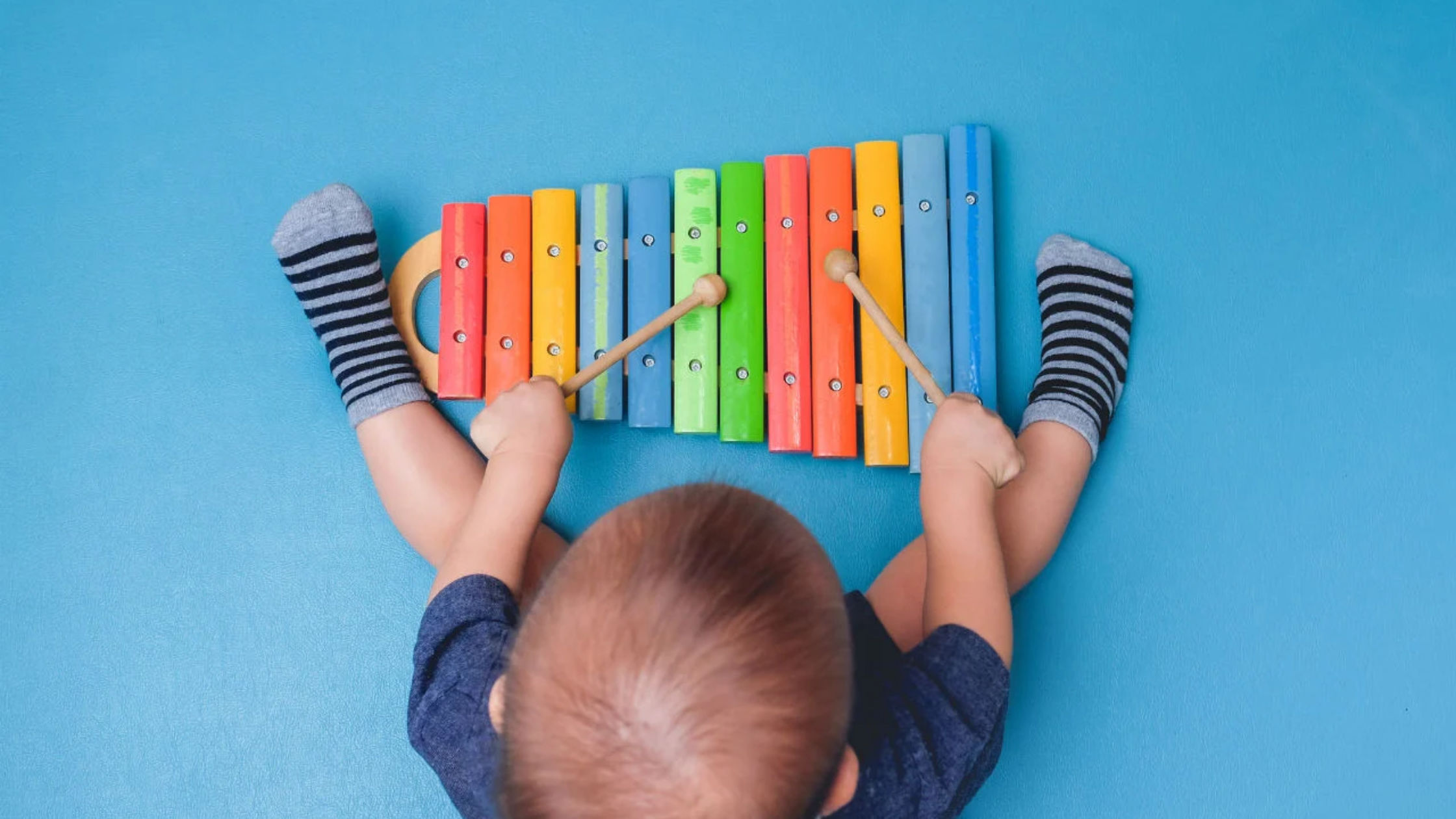


Have you ever played a song at home and suddenly your child starts dancing, clapping, or humming along?
It’s a cute moment, and more than that, it shows how children learn by mimicking, an important developmental stage. And when music becomes a part of these moments, it actively supports their growing minds.
For many new parents, moments like these raise an important question: ‘Can something as simple as music actually support learning?’ The answer is YES!.
UNICEF research suggests music plays a powerful role in brain development in preschoolers, shaping how they think, feel, and express themselves during their most formative years.
What is music for early years?
Music in the early years is not just about playing songs. It is about how children engage with it. When they sing, clap, move, or even make their own sounds, they are having fun but also learning their lessons.
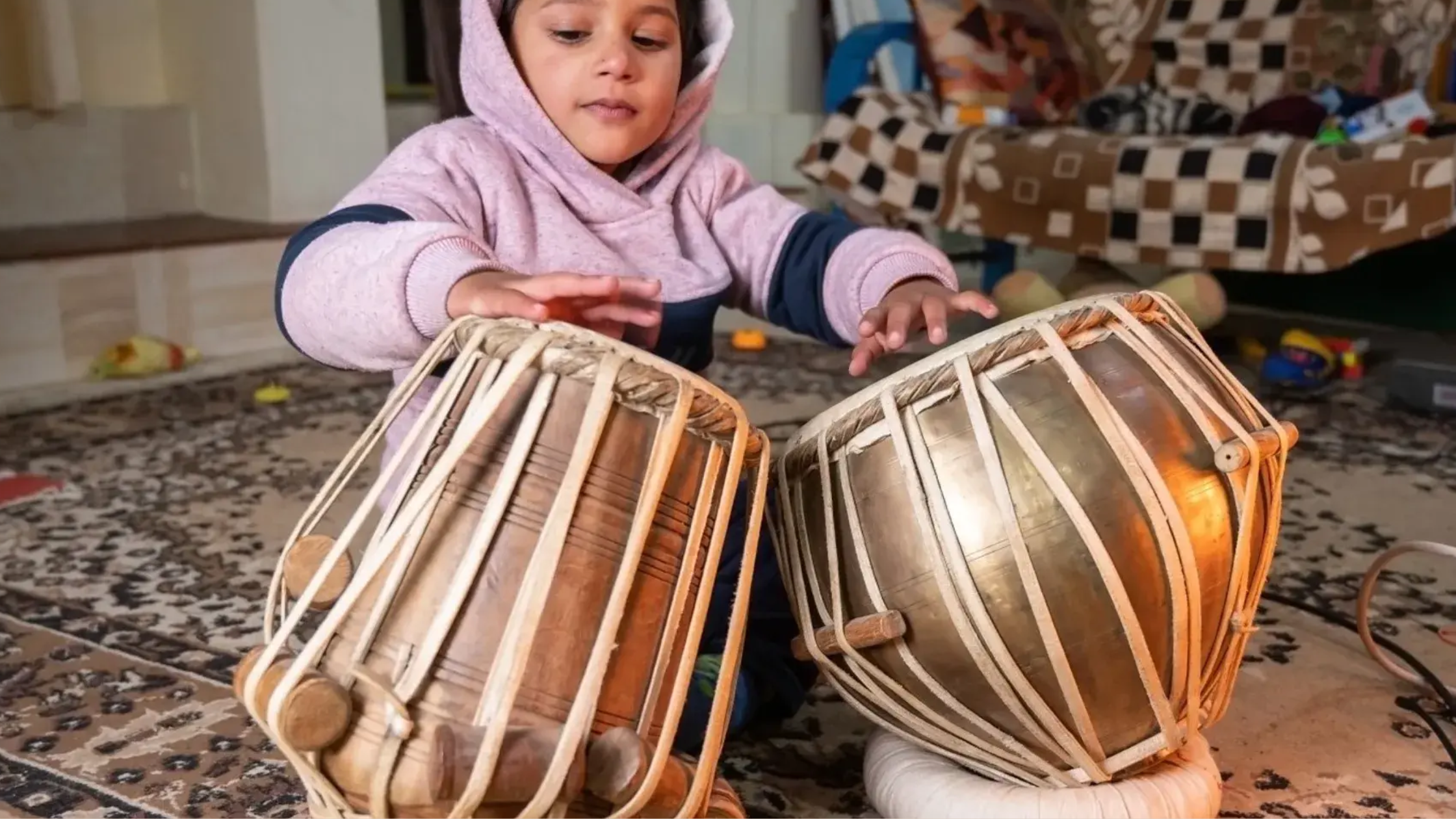
These small musical moments help them explore feelings, support, improve memory, communication, and support their overall development.
How does music support brain development in children?
Sometimes, the easiest way to connect with children is through just a tune. They listen, mimic, respond, and move in their own way. Let us see how music is a perfect tool for early childhood brain development:
1. Enhances language skills
Children start picking up new words, sounds, and patterns through songs. Repetitive lyrics and rhymes help improve their vocabulary and pronunciation, and over time, they start recognising patterns in language. This eventually supports early reading skills.
2. Improves memory and focus
Have you noticed how quickly children memorise their favourite songs and constantly sing them? This repetition also helps them to recall the song lyrics, pay attention to the beats, rhythms, or lyrical instructions like ‘wave your hand’ or ‘turn around’.
3. Builds motor skills
As children dance with music, they clap, dance, jump, and swing. These movements help to develop both fine and gross motor skills. It also improves body awareness, spatial awareness, and balance in children.
4. Supports emotional development
Music plays a powerful role in helping children understand and manage their emotions. A fast or energetic beat may make them feel excited and active, while a slow, soothing tune can help them feel calm and relaxed. Over time, children begin to connect these sounds with how they feel inside. They start recognising emotions like happiness, excitement, calmness, or even sadness through music.
5. Encourages creativity and imagination
Music allows children to explore freely. Whether they are making up songs, tunes, or moving to a rhythm, they are using their imagination. This creative thinking strengthens cognitive thinking and problem-solving skills.
How KLAY uses music in classrooms
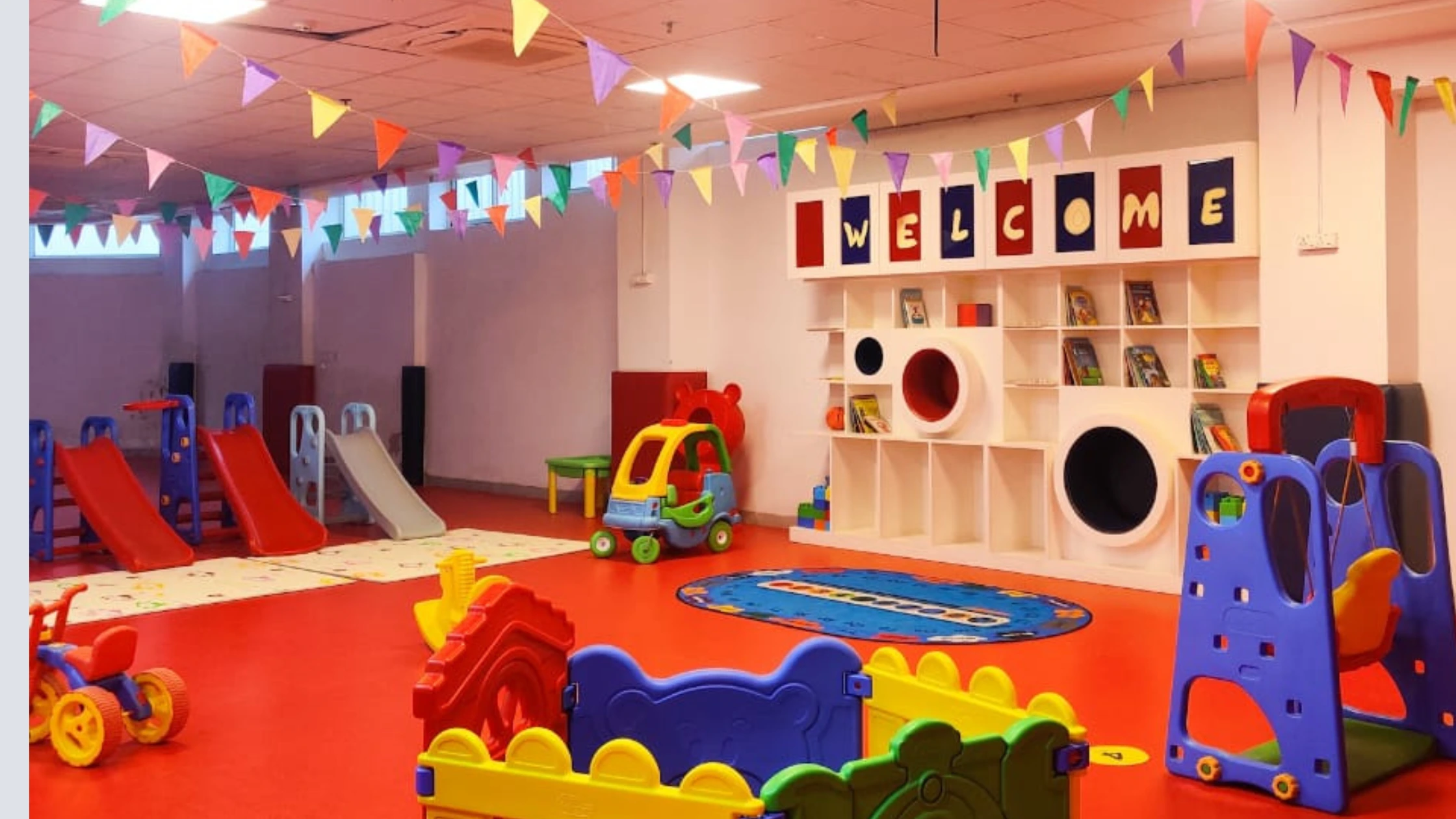
In a well-designed preschool environment like KLAY, music is not treated as a separate activity but as a part of everyday learning.
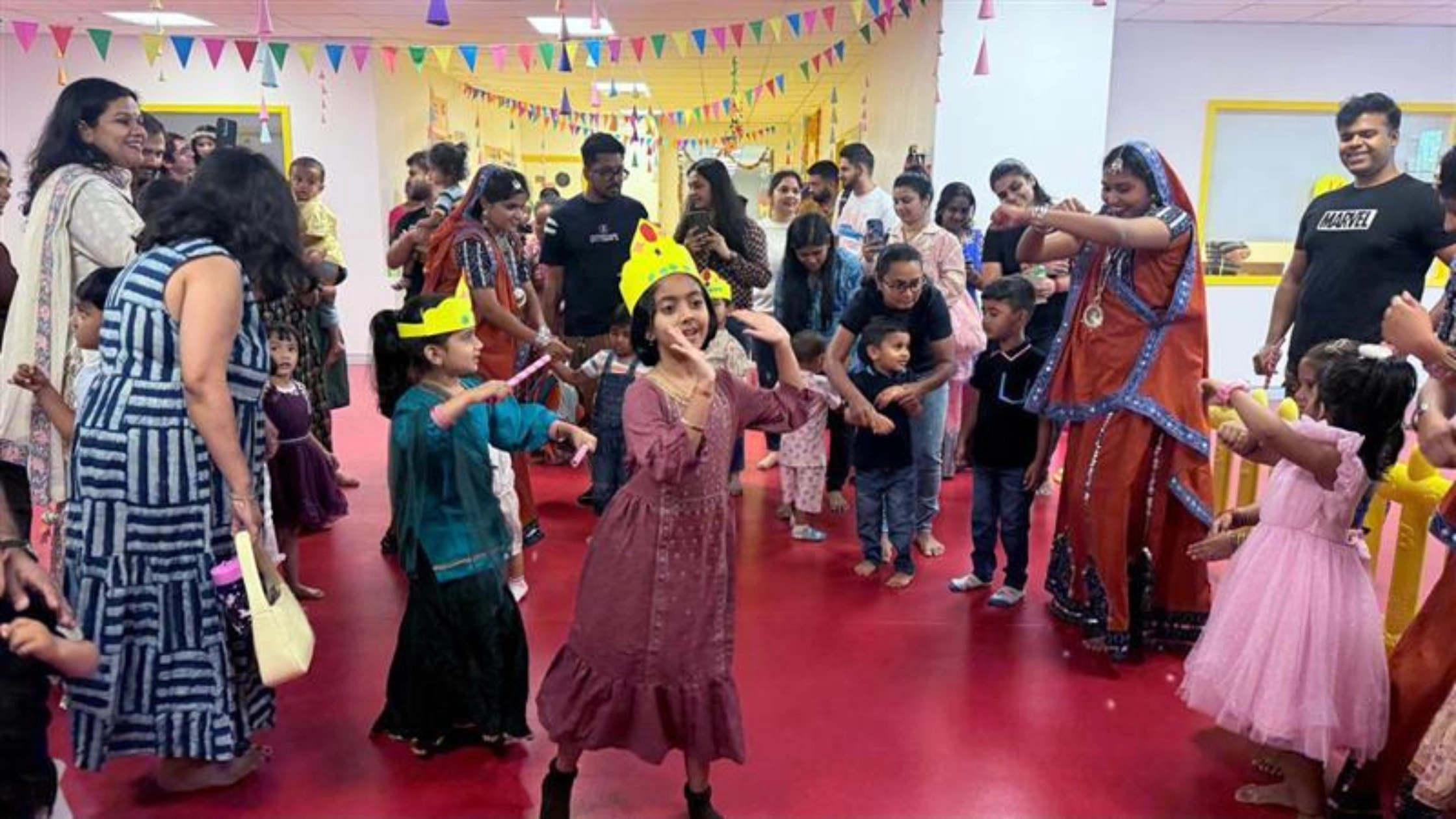
Circle time: Children sing songs together or talk about their day, building language skills, listening, and a sense of belonging.
Daily routines: Simple tunes are used during activities like drinking water and going to the washroom, helping children follow routines independently.
Feeling songs: Music is used to help children identify and express emotions like happiness, calmness, or excitement.
Transitions: Songs make moving from one activity to another smooth and engaging.
Roleplay activities: Music is used during roleplay to help children express scenarios, emotions, and storytelling creatively.
Action rhymes: Clapping, dancing, and movement-based songs support motor skills and coordination.
This is how KLAY helps in preschool brain development learning at KLAY. Music plays an important part in our proven curriculum, KLAYEdge™.
Simple musical activities at home
Musical activities do not need formal training or an instrument. Simple activities can make a big difference.
- Singing catchy songs during daily routines like bath time, playtime, or bedtime.
- Encouraging clapping, swinging, and stomping to simple beats.
- Make instruments out of household items like bowls, pots, or cans.
- Participate in dancing with your child to encourage them.
- Let your child explore freely with different items at home.
Tip for parents: Engage in the activities equally with the children to boost their expression and confidence.
Music has a lasting impact
In the early years, every small experience shapes how a child learns and grows. Music has the ability to engage both the mind and emotions and becomes a powerful tool in this journey. It not only supports brain development in preschoolers but also creates joyful moments of connection and learning.
Music gently becomes a part of a preschooler’s everyday life, helping them express what they cannot yet say and feel what they are still learning to understand. In these moments, brain development in preschoolers quietly takes place, building confidence, emotional strength, and a lifelong love for learning.








Subscribe to our newsletter
[contact-form-7 id="12706" title="Newsletter Form for post page"]Our Related Blogs
Yoga Benefits, Activities, and Poses for Preschoolers
For preschoolers, yoga isn’t about perfection but about giggles and benefits. So, are you curious how a simple stretch can support a child’s focus, flexibility, and emotional well-being? Let’s roll...
Year-End Reflection and Goal Setting for Children
Parenting is a journey filled with the brightest moments and valuable lessons, both for us and our children. As the year draws to a close, it’s the perfect time to...
Work-Life Balance Solutions for Parents in Emerald Hills Rd, Sector 65, Gurugram: The KLAY Daycare Advantage
Finding the perfect balance between professional commitments and parenting is a challenge for many working families in Gurugram. Parents in Emerald Hills Rd, Sector 65, especially, look for childcare solutions...