





From a very early age, kids begin noticing the world around them. On a KLAY field trip to the park, a toddler said to his teacher, looking at a creeper, “This plant is weak, that’s why it cannot stand on its own like other trees.” That wholesome observation was proof of how closely kids examine nature and how curious they are to learn.
This blog on different types of plants for kids helps educators and parents to introduce kids to various plants, why they grow tall or why they stay short, and their uses in a fun and easy-to-remember way.
What are plants?
Plants are amazing living organisms that make their own food from sunlight, water, and air. They come in different shapes and sizes and usually in green colour. Some are so tiny that humans can hardly see them, while some grow as tall as skyscrapers. They are the foundation of life on earth and are found everywhere, growing from the soil.
Fun Fact: There are more than 2,00,000 different plant species all over the earth. How many have you seen yet?
How Do Plants Grow?
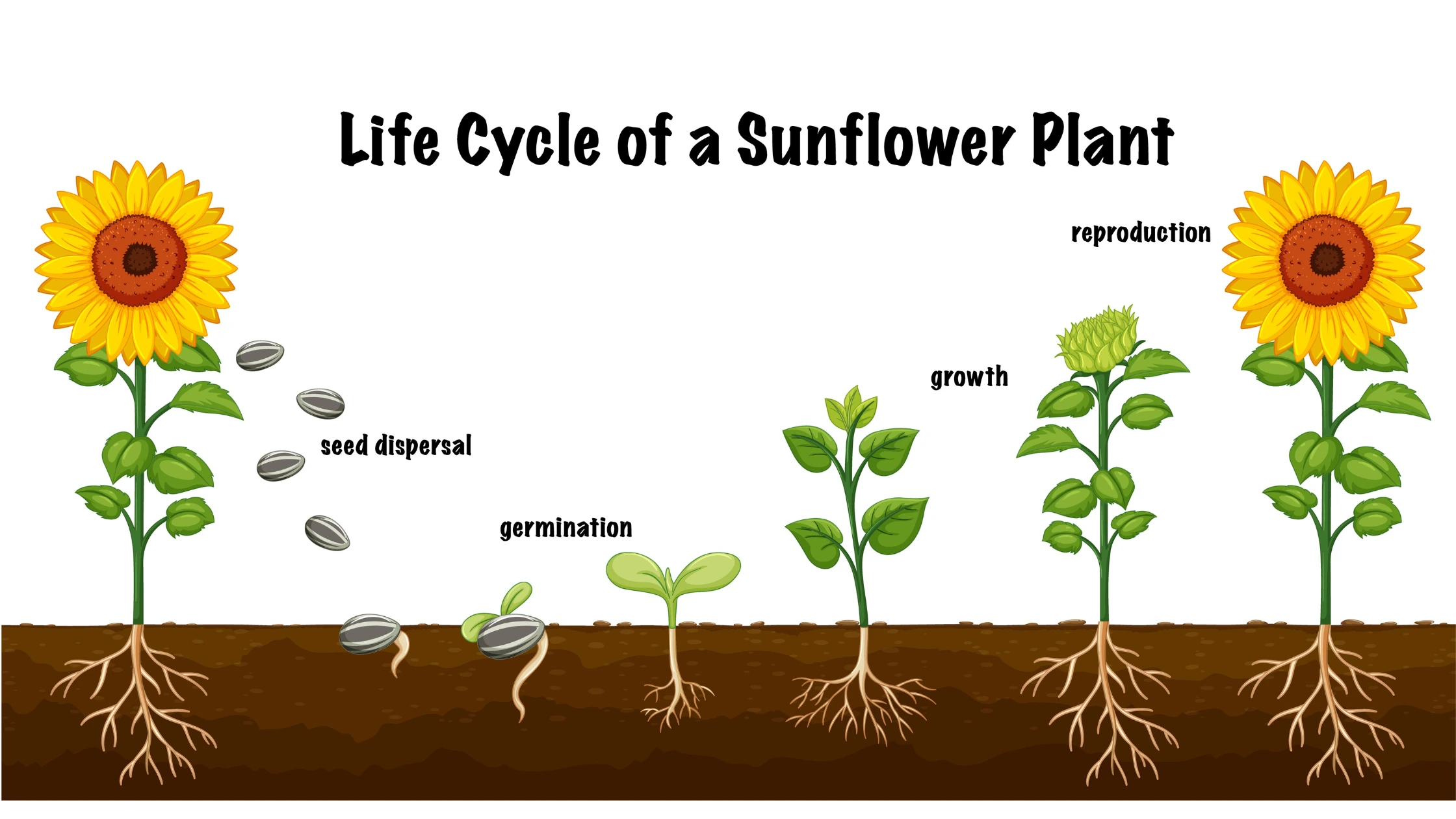
Plants grow everywhere on Earth. Most grow in soil, some float in water, while a few even grow on rocks. Plants grow from tiny seeds that are sown in the soil. The seeds soak up water from the soil and sprout into small roots, stems, and leaves. The root starts spreading in the ground and absorbs more nutrients, and with the help of sunlight, finally matures into a plant with stems, leaves, and flowers.
The basic life cycle of how a plant grows is:
Seed -> Sprout -> Seedling -> Mature Plant -> Flower -> Fruit
To grow properly, a plant needs a few essential things:
- Sunlight- to make food.
- Water- to transport nutrients from the soil and enable growth.
- Air- to combine with water and sunlight to make food.
- Soil- to hold the roots that keep the plant stable and to supply minerals for energy.
Activity:
A child can learn about the parts of a plant and how it grows through this seed planting activity. By observing a sprout grow each day, they can take part in hands-on learning on how a seed grows into a plant.
Materials required:
Flower seeds, an egg carton, fertile soil, water, and a plastic sheet.
Steps:
- Fill the cavity of the egg carton with soil.
- Bury seeds in each cavity.
- Water the soil a bit and cover the top with plastic so that it remains hydrated.
- Within a few days, you will notice tiny sprouts coming from the soil.
This activity teaches kids responsibility and patience. It also improves fine motor skills and cognitive development.
Main Parts of a Plant and Their Functions
The above seed planting activity becomes more fun when kids spot parts of plants as they start appearing. Learning plant parts helps kids to understand and experience nature more easily.
1. Root
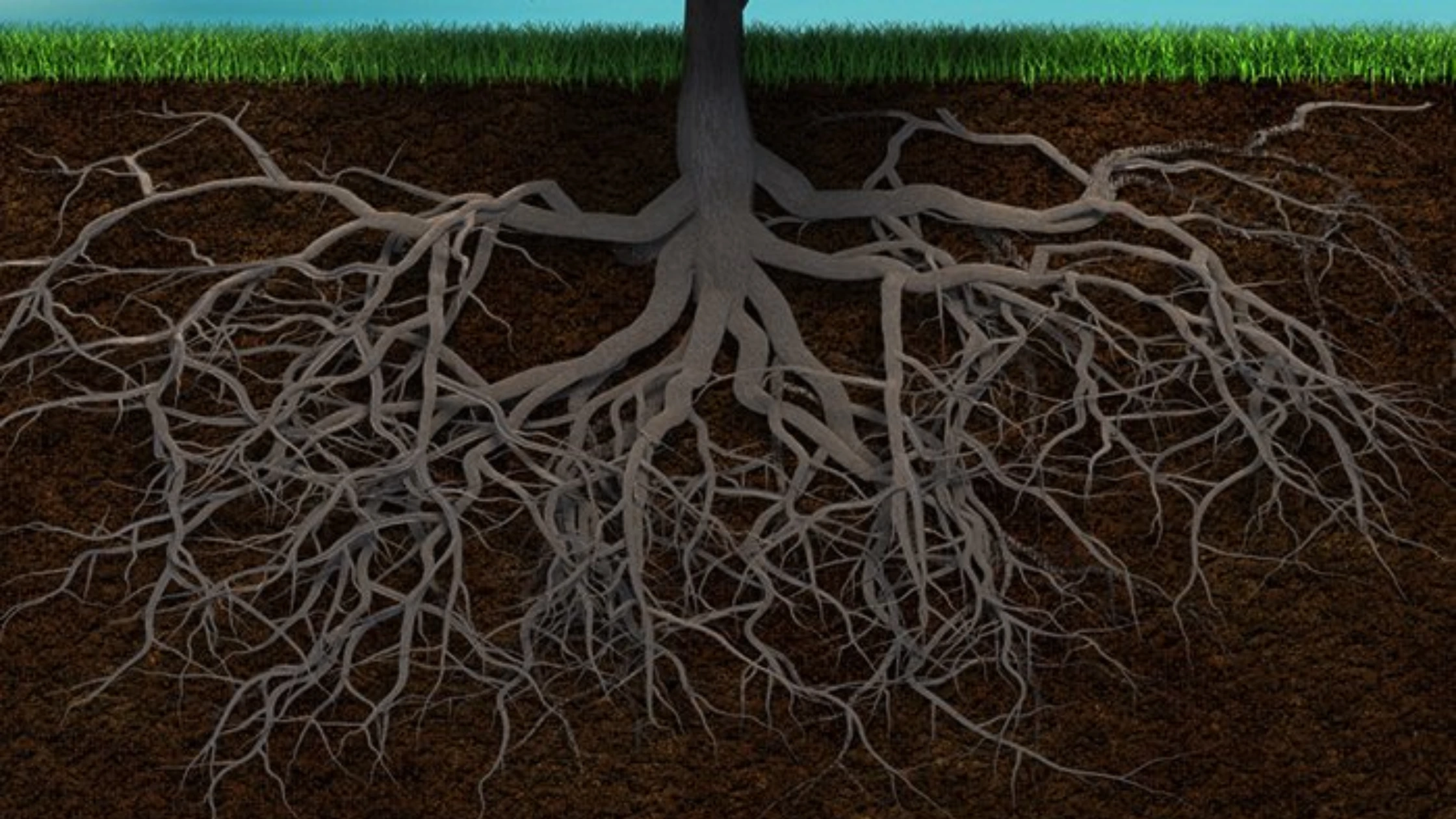
Root grows below the soil and hold the plant steady. It also absorbs nutrients from the soil and supplies them to other plant parts to help it grow bigger.
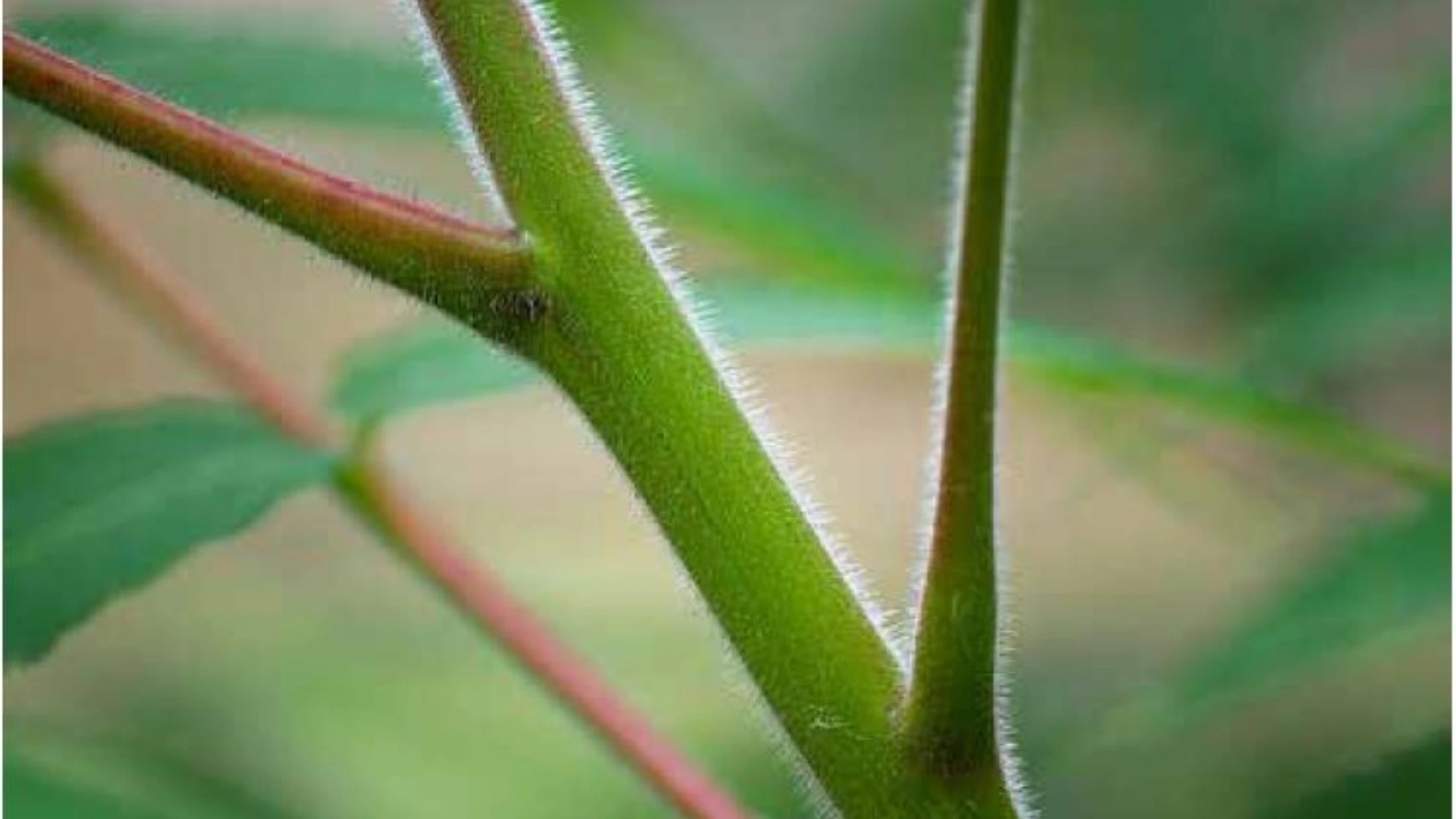
2. Stem
The stem is the main structure of the plant that moves water and nutrients from the roots to the other plant parts. It also stores nutrients and holds up leaves, flowers, and fruits.
3. Leaf
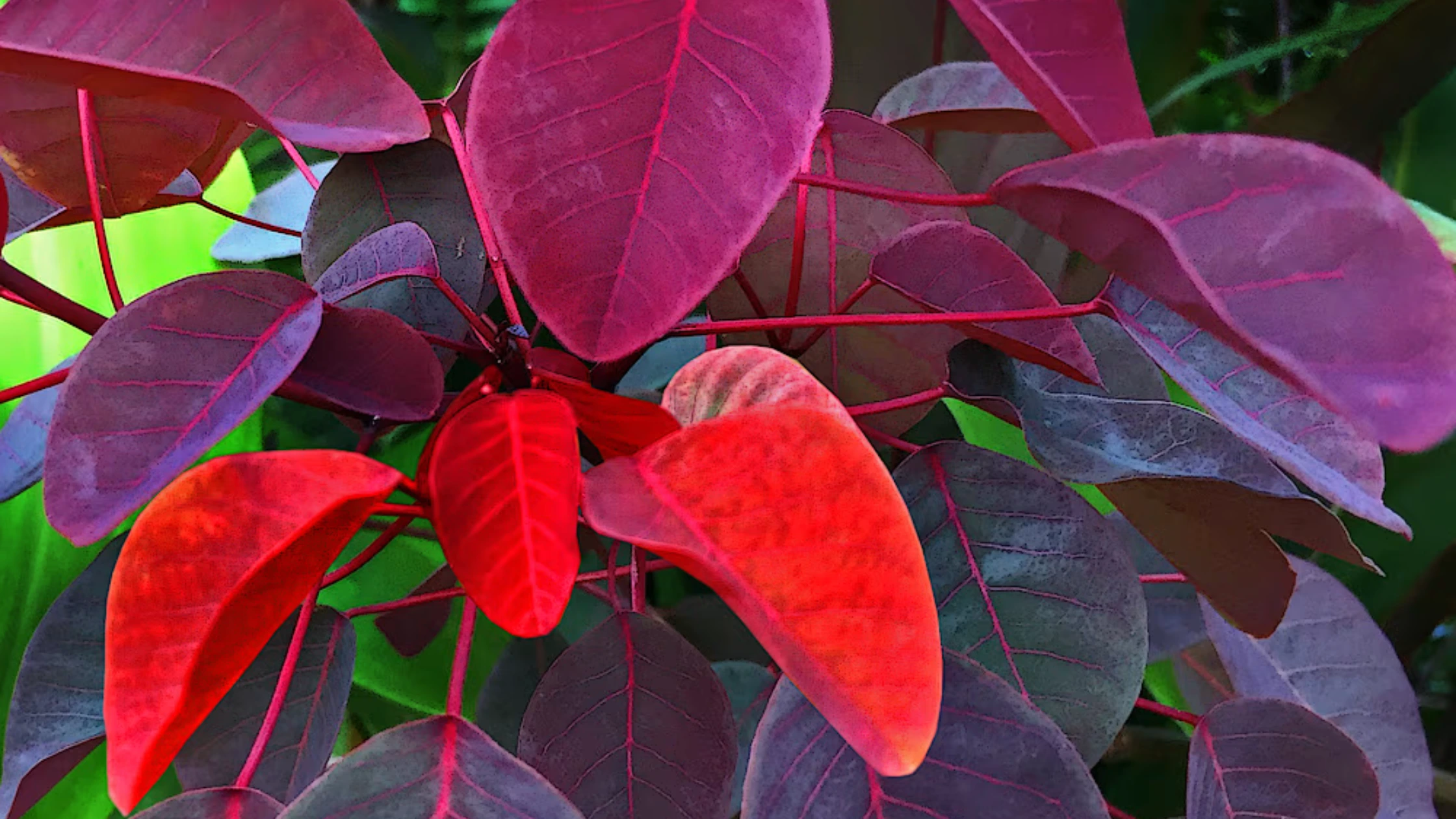
A leaf is the green flat part that is attached to the stem. Leaves make food for the plant by absorbing air, combining it with water and nutrients in the presence of sunlight.
4. Flowers
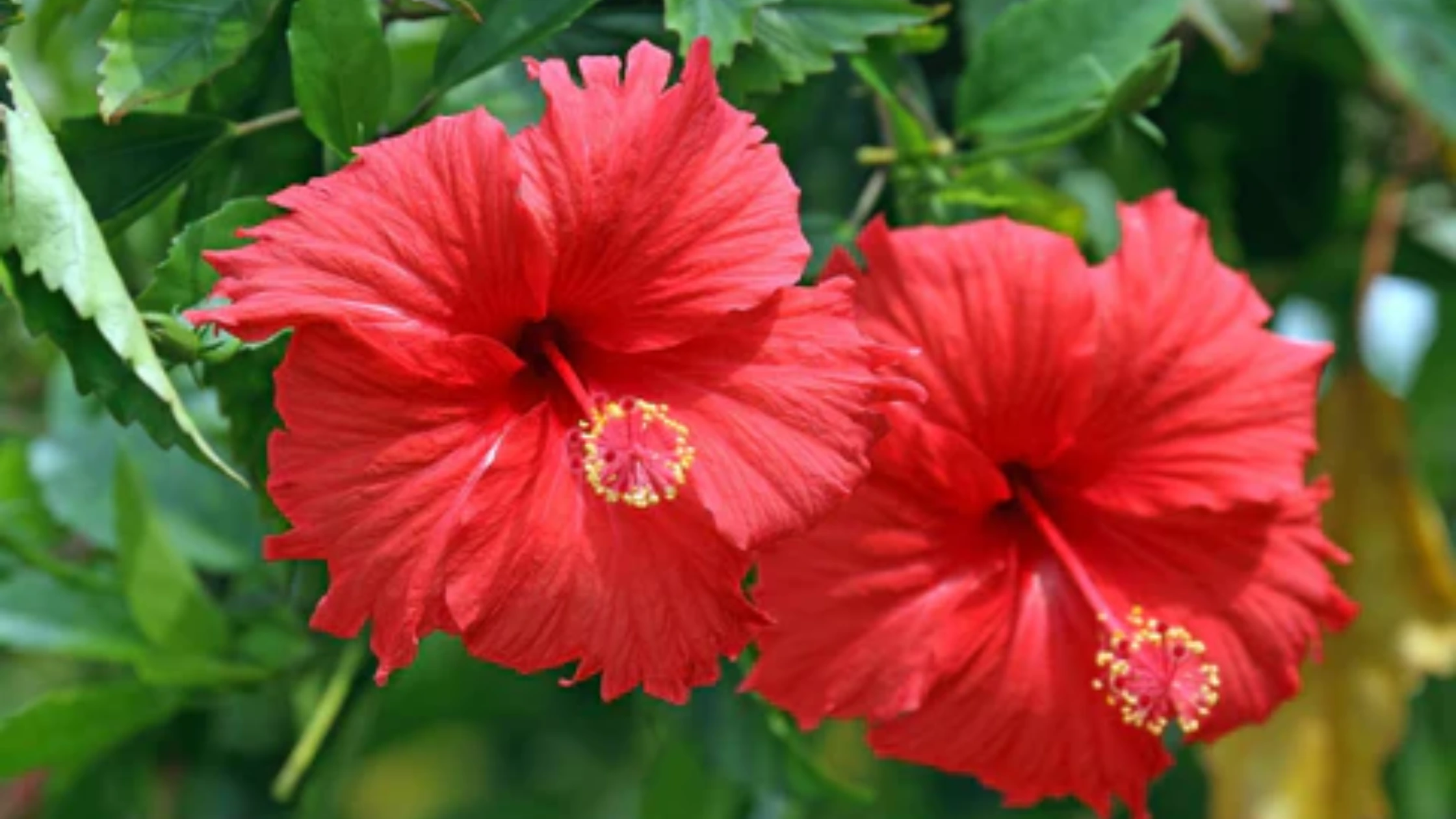
Flower is the colourful and beautiful part of a plant. It usually smells nice and attracts the insects towards it. It comes in different shapes, sizes, colours, and designs. Ex- rose, sunflower, or daisy. Its function is to provide food for insects and to grow a seed.
5. Fruit & Seed
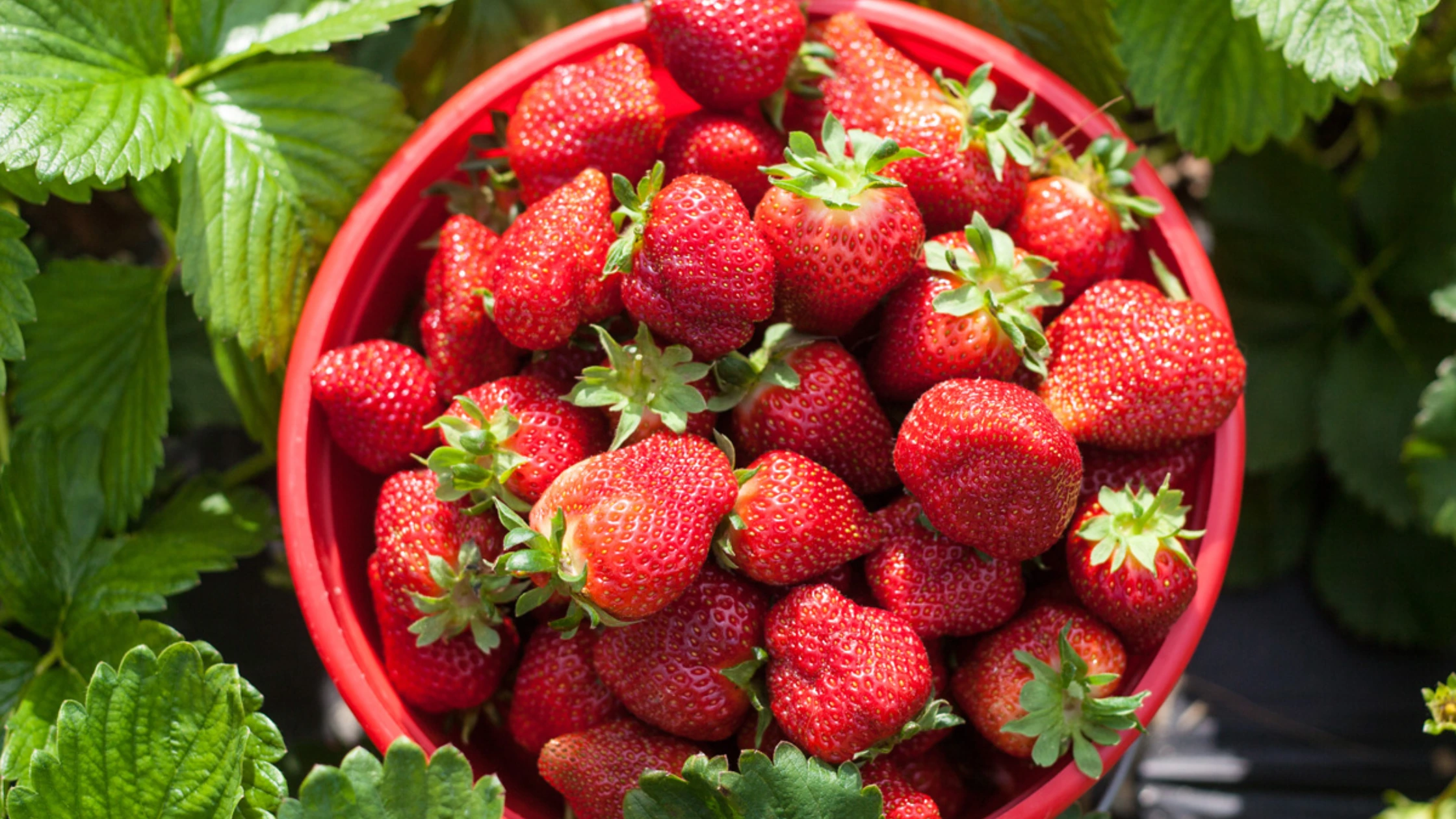
When a flower matures, it turns into a fruit. It is a fleshy, juicy, or pulpy part containing an outer skin. Fruits are a healthy food source for humans that provide vitamins and minerals for healthy physical and brain development. Every fruit has a seed inside it, which can grow into a new plant. Ex- apple, banana, or lemon.
Types of Plants for Kids
As we know, plants come in different shapes and sizes. Learning about the different types of plants for kids helps them to understand the nature around them. Here is a simple list of types of plants for kids with names and characteristics that are easy to remember:
1. Trees
Trees are tall plants. Usually, they have only one stem, which is thick and woody. It has branches on top where leaves, flowers, and fruits grow. Trees live for a long time, sometimes even 100s of years old. They give us wood, shelter, fruits, paper, and fuel.
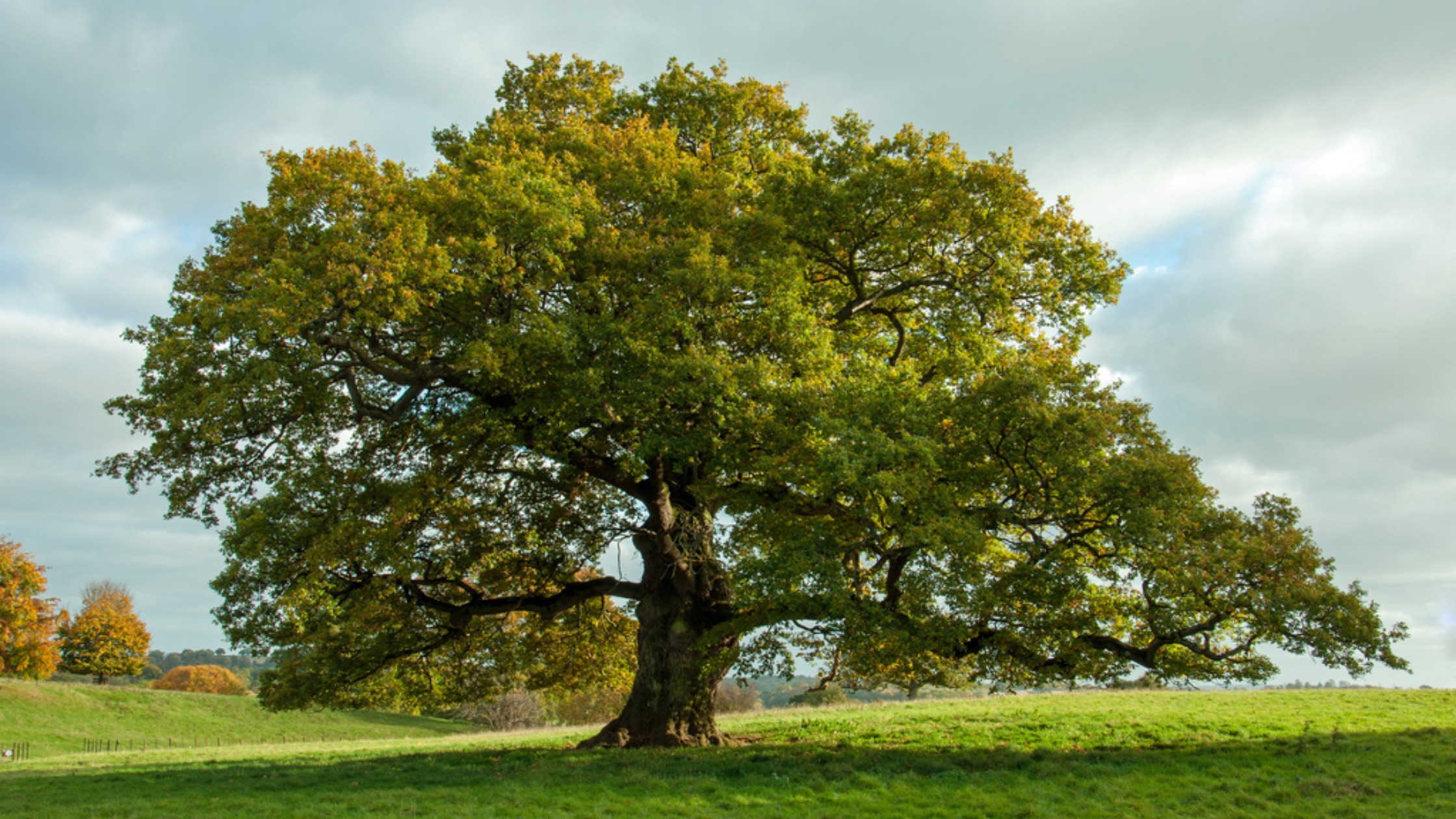
Example: Mango, banyan, neem, and jackfruit.
2. Shrubs
Shrubs are small and bushy plants. They do not have one main stem, but many stems growing out from near the ground. The stems are strong and woody. It is a low and medium-sized plant and shorter than trees.
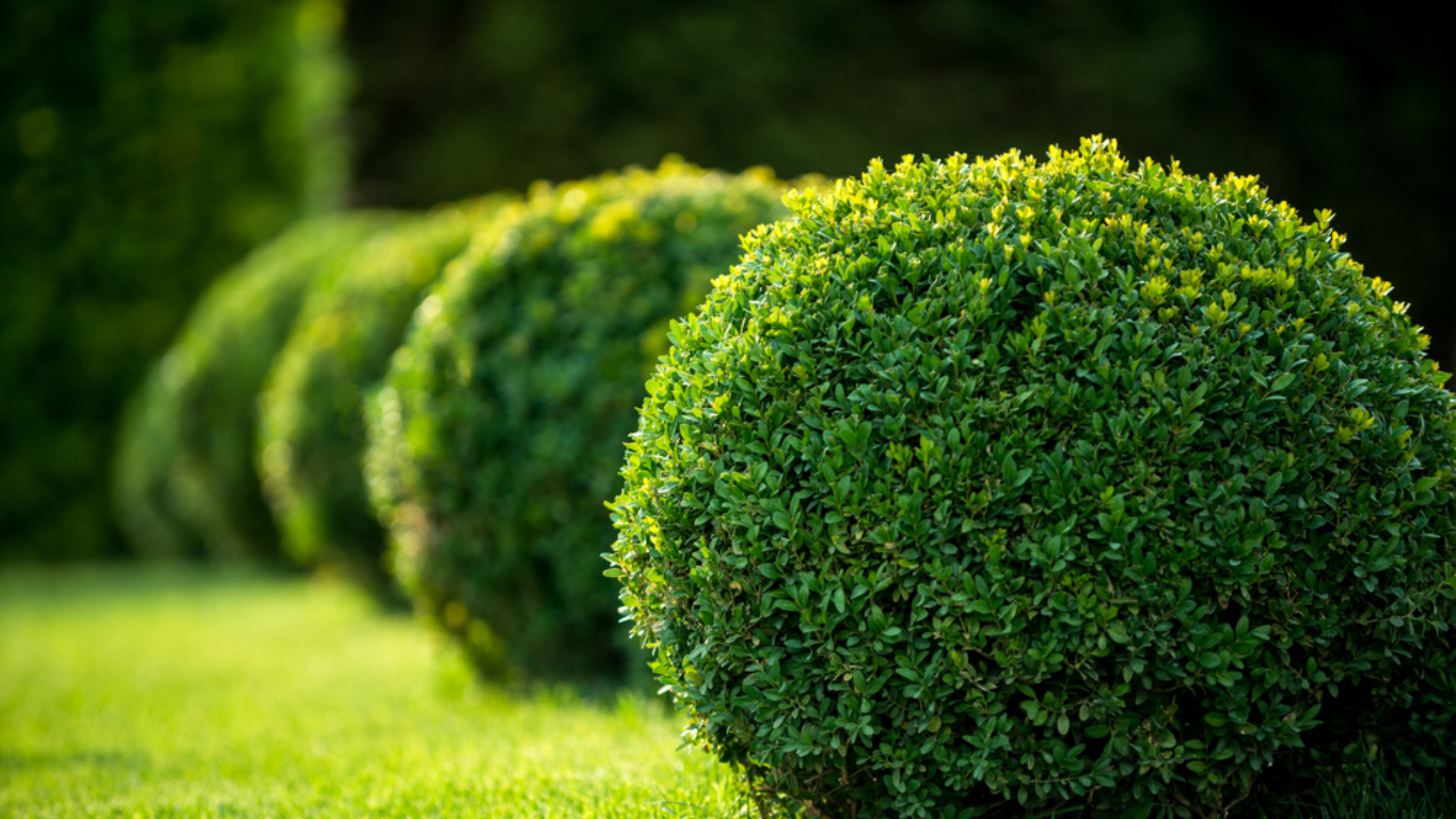
Example: Rose, hibiscus, and jasmine.
3. Herbs
Herbs are short plants and non-woody plants. They have soft and green stems and have a nice smell. These are used for cooking or sometimes for medical remedies. These are shorter than shrubs and are added to food for an extra flavour.
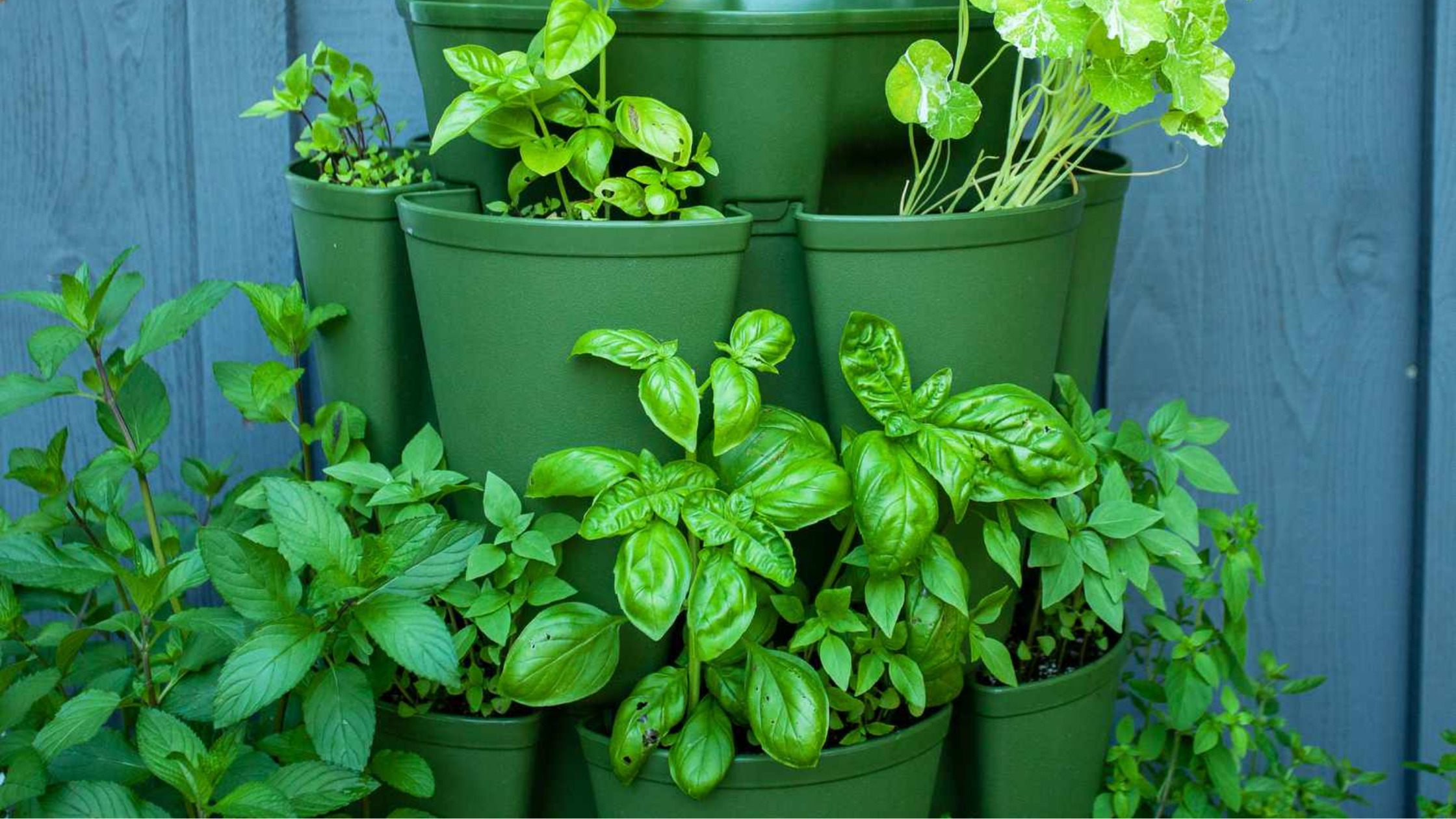
Example: Basil, mint, and rosemary.
4. Climbers
Climbers are plants with weak stems. They are long and need some support to climb and grow tall. They have special flexible structures called tendrils that help them cling to other trees or structures to climb.
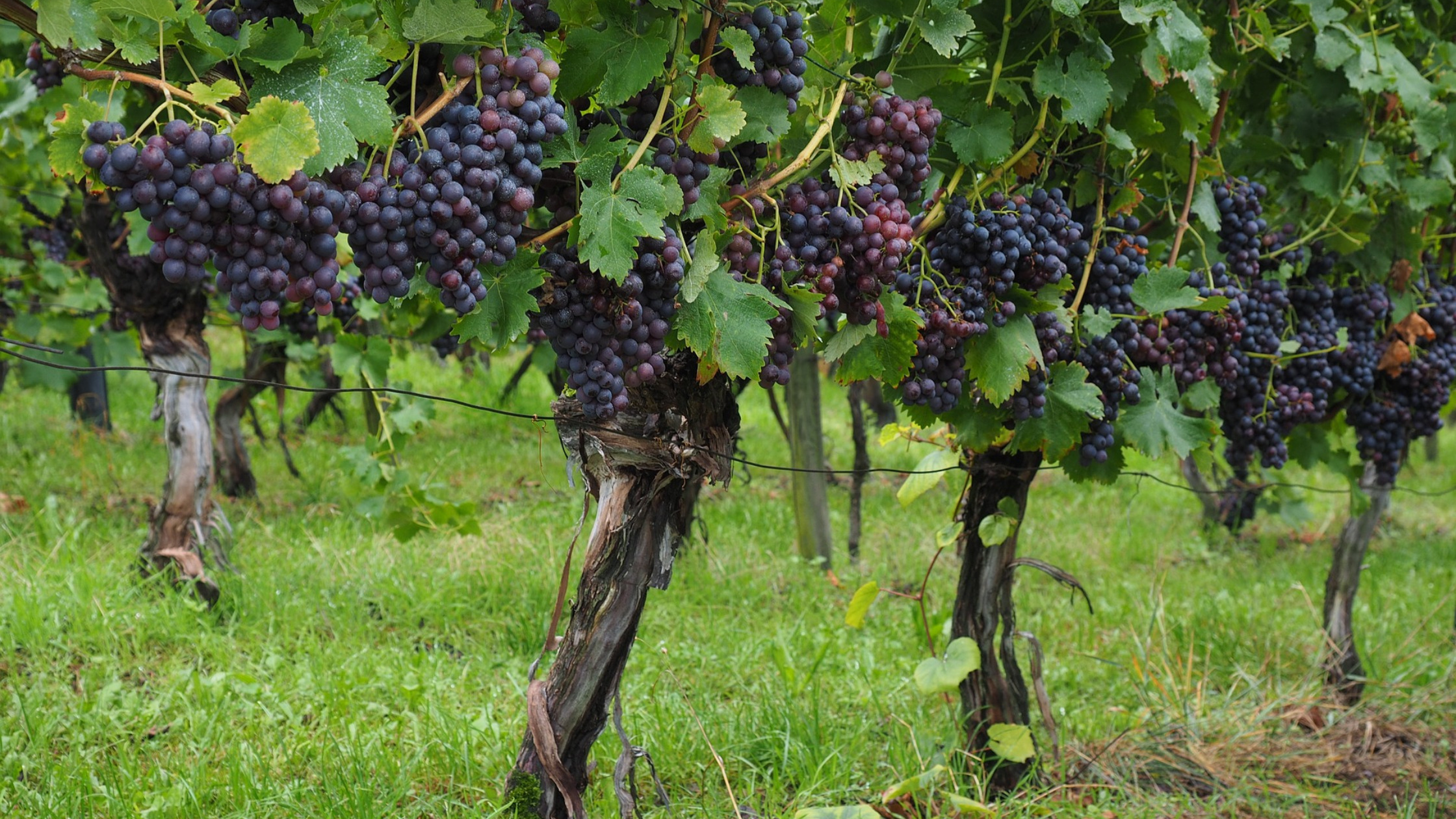
Example: Grapes, gourd, and money plant.
5. Creepers
Creepers are like climbers that have weak and soft stems. But they cannot grow upright, so they spread or ‘creep’ out covering the soil.
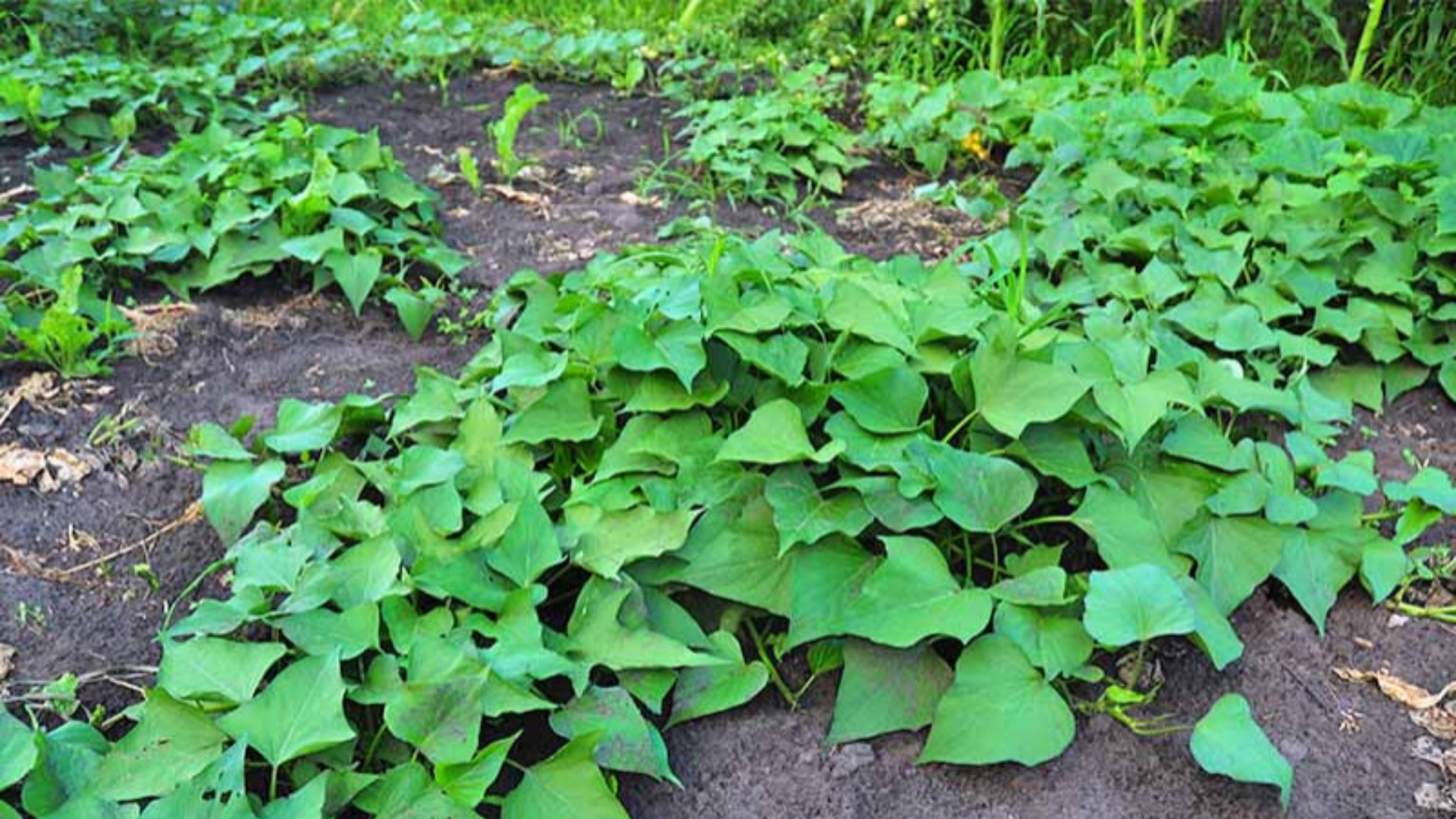
Example: Watermelon, pumpkins, and sweet potato.
6. Aquatic Plants
The plants that grow in water are called aquatic plants. They may be submerged or floating on the water. They grow in ponds, lakes, rivers, water ditches, and oceans.
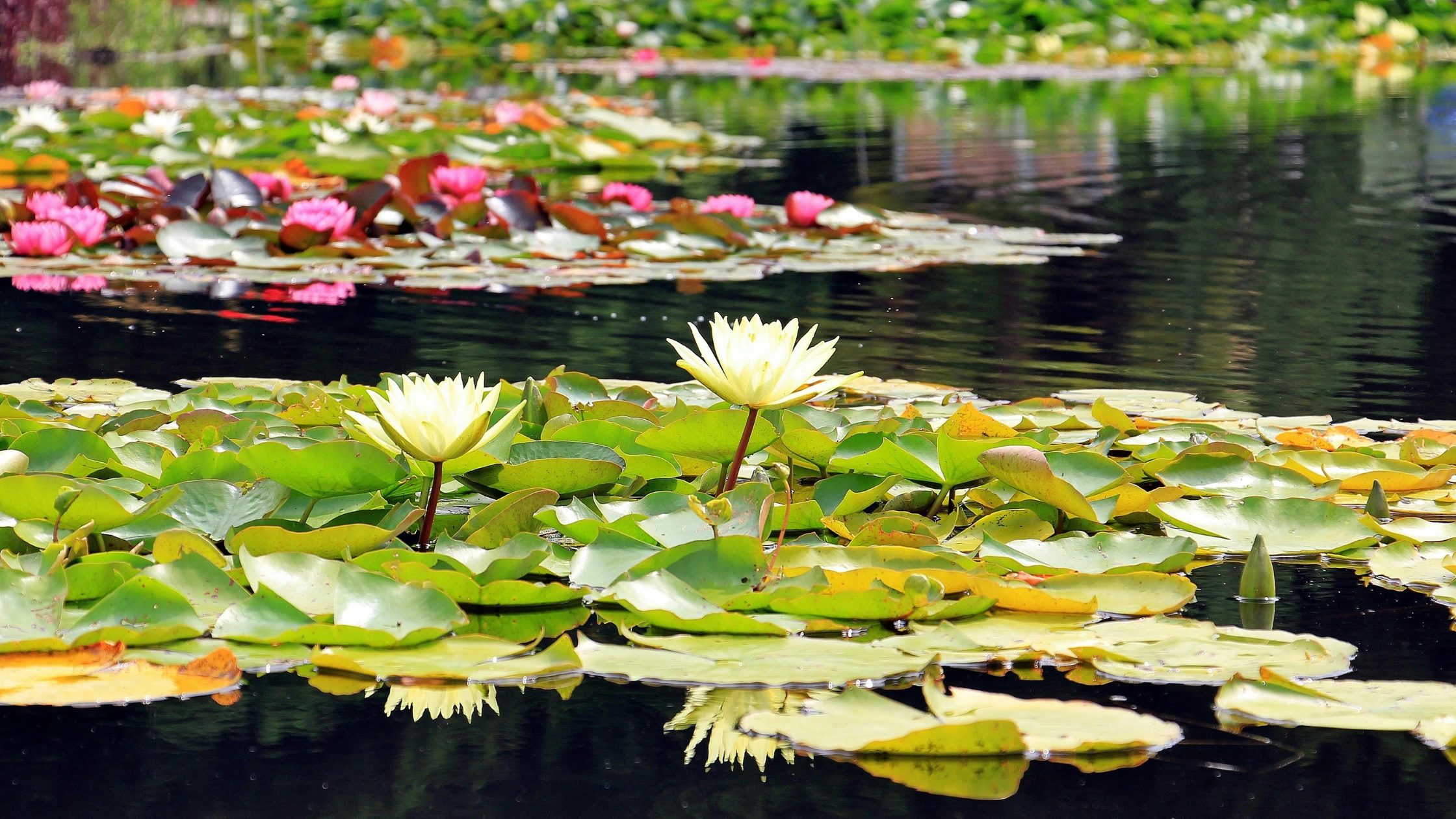
Example: Some types of aquatic plants for kids are Lotus, water lily, hydrilla, and tape grass.
7. Desert Plants
Plants that grow in deserts and dry places are called desert plants. These plants have very thick and fleshy stems to store water for a long time. To reduce the drying of water, the leaves of such plants are pointed like thorns.
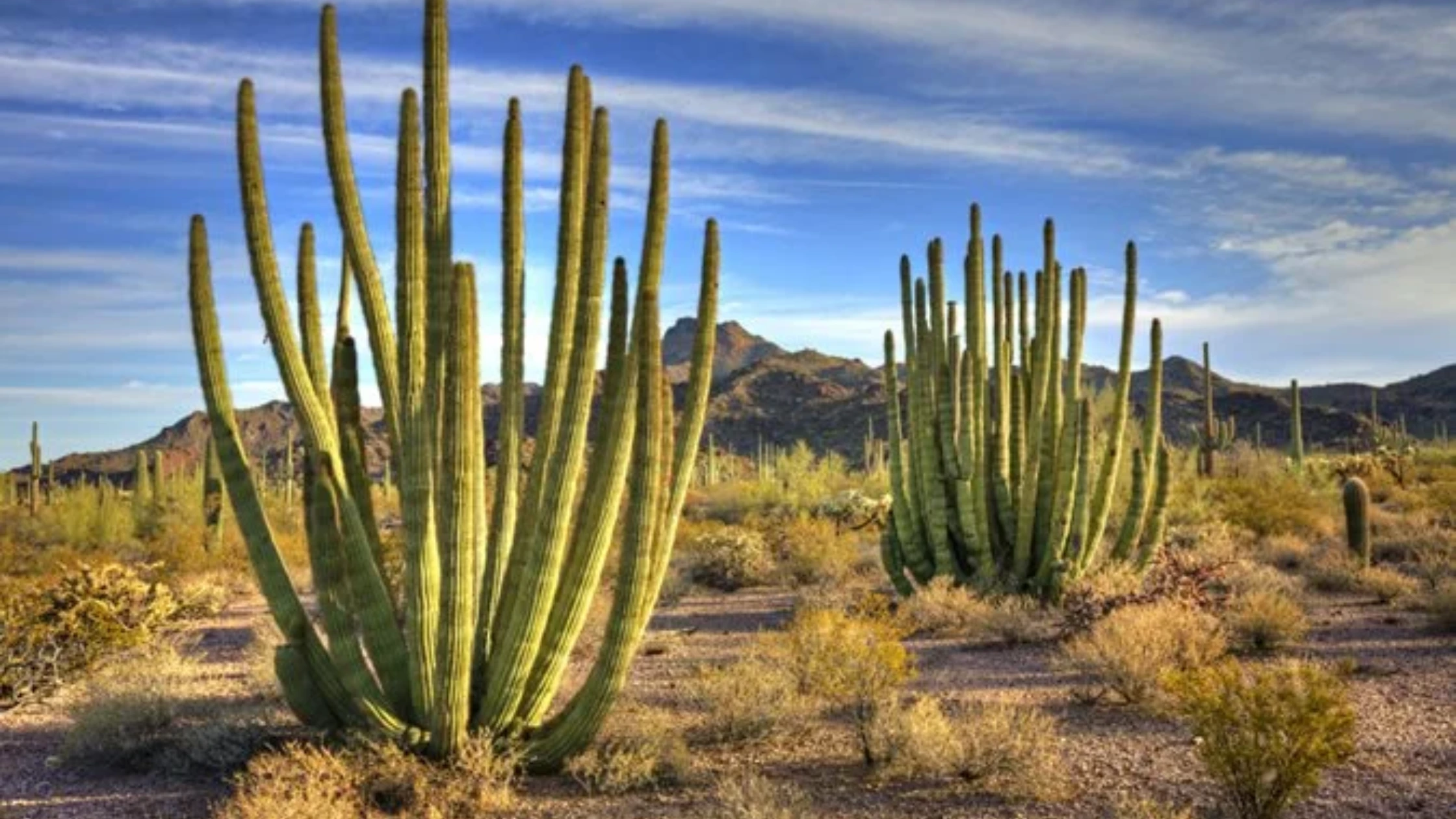
Example: Cactus, aloe vera, desert marigold, and joshua tree.
8. Medicinal Plants
Plants whose parts are used to make medicines to treat or prevent diseases are called medicinal plants. These plants have healing properties and are commonly used in Indian houses.
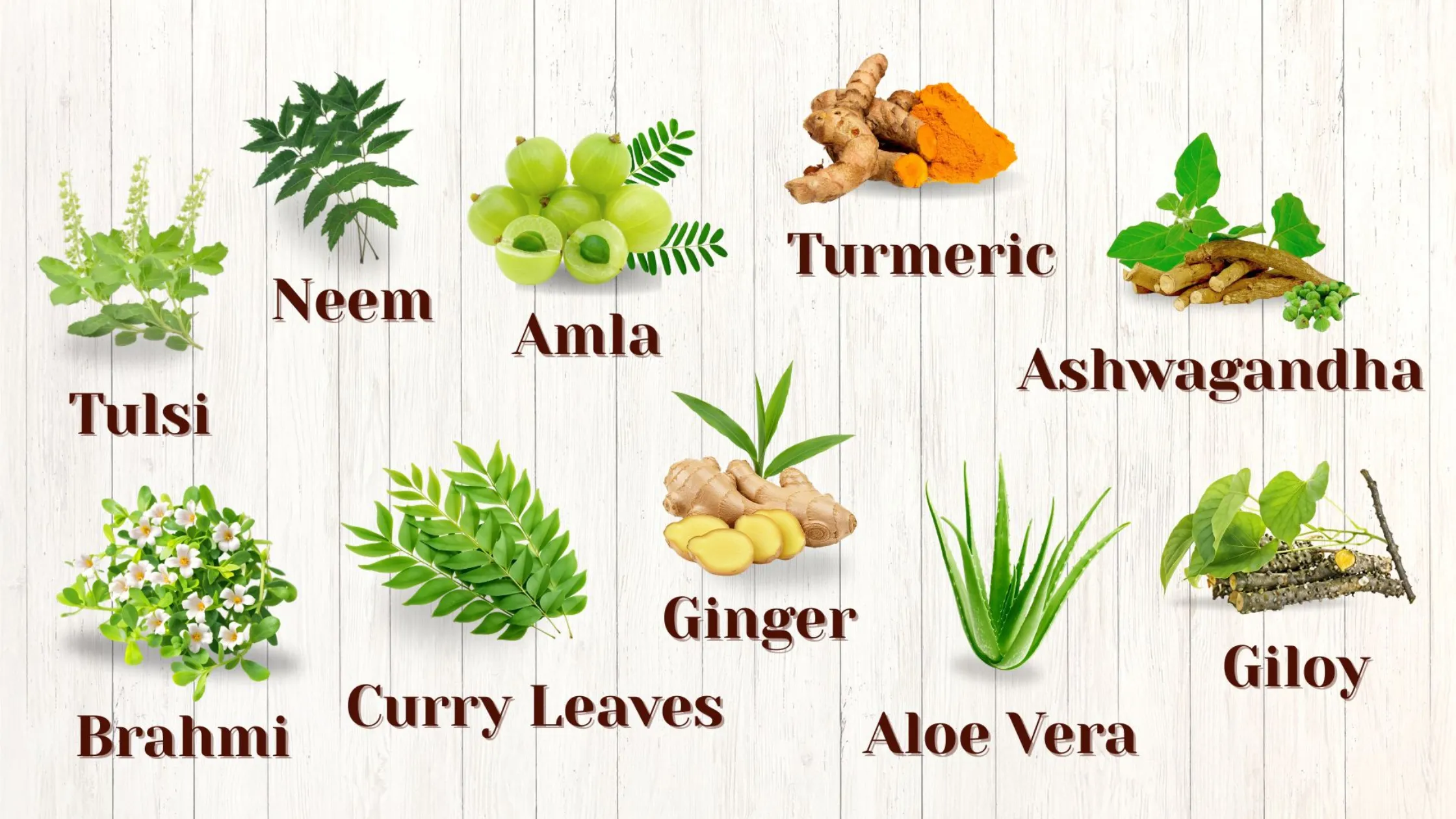
Example: Mint, basil, chamomile, and ginger.
Types of Plants Chart for Kids
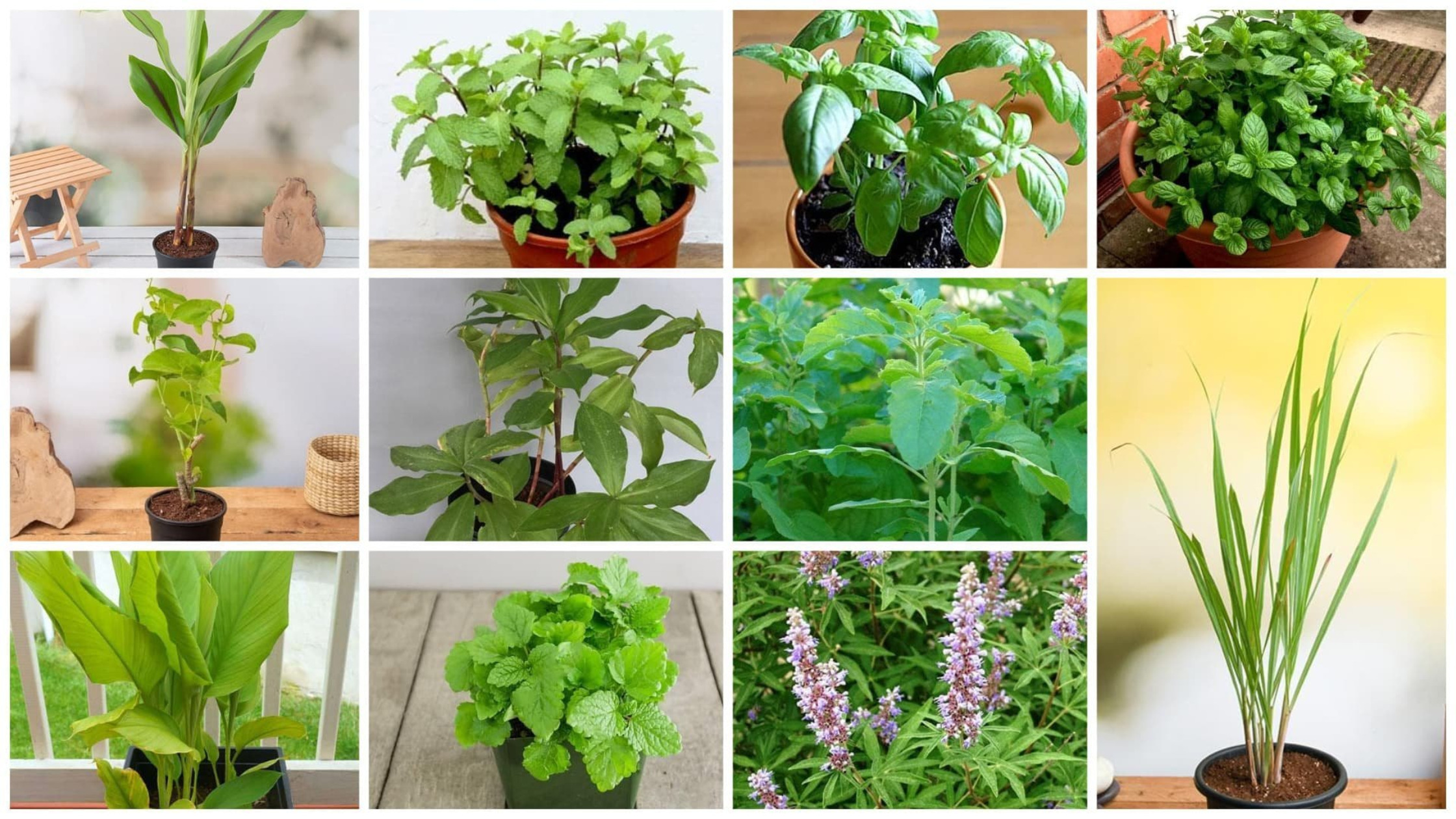
After learning about the types of plants, a visual aid like types of plants for kids helps them relate what they have learnt.
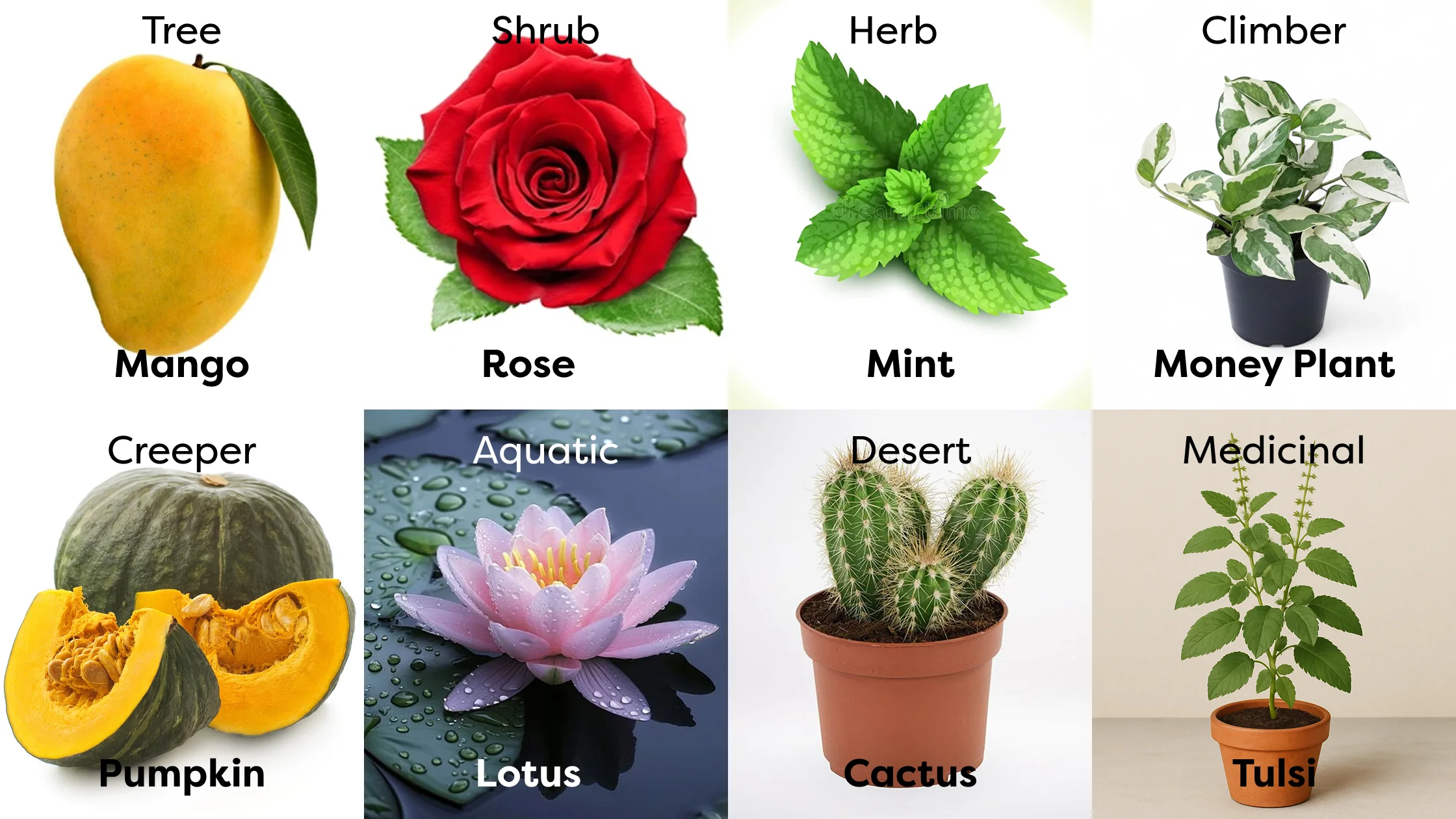
Kids can easily identify and remember plant names if they look at this simple plant chart every day.
Amazing Plant Facts for Kids
Learning about plants becomes more fun when kids learn about the unique and surprising facts because they tap into their natural curiosity and satisfy their brains with wonder. It makes learning more memorable and engaging. Here are some fun plant facts for kids:
- Bamboo is the fastest-growing plant on Earth.
- Some plants, like the venus flytrap and pitcher plant, eat insects.
- Oak trees can live for 1,000 years.
- Rafflesia is the biggest flower.
- Elephant grass is so big that even elephants can hide within it.
- The trunk of the baobab tree can store 1,20,000 litres of water.
- Bananas contain a chemical that naturally makes people happy.
- Apples and onions have the same test. Try it by eating them by closing your nose.
Build your child’s future with the right foundation. Turn your child’s curiosity into confident learning with KLAY’s foundational Development Program, crafted for holistic growth and school readiness.
How Are Plants Useful to Us?
Plants are important to us because they provide us with important resources that are essential for living. They give us:
- Food- Fruits, veggies, and grains come from plants.
- Oxygen- Plants release oxygen while preparing their own food. We need oxygen to breathe.
- Wood- Wood, pencils, and paper come from the trunk of trees.
- Medicines- Trees give us healing medicines and herbal oils for remedies.
- Shelter- Trees provide shelter to humans, animals, and insects.
- Healthy environment- Tree roots help the soil from washing away and give clean air.
Simple Plant Activities for Kids
Kids love touching, experimenting, and discovering rather than listening or reading. Here are some activities for kids on types of plants that will keep learning fun for kids:
1. Label Parts of a Plant
Provide kids with plant worksheets and guide them to colour and label the roots, stems, flowers, and fruits.
Learning goal: Kids learn to identify and name different parts of a plant and grasp how they work together. They also improve their fine motor and critical thinking skills.
2. Matching Activity
Use picture flashcards with kids and encourage them to name the plants.
Learning goal: Flashcards boost visual memory and cognitive skills. This interactive activity improves adult-child bonding and focus.
3. Seed bombs
Guide kids to make small balls of soil and flower seeds. They now have a ready-to-plant ball that they can toss on any dry patch of land to beautify it with flowers.
Learning goal: Kids see how seeds grow into plants and understand how native plants support the growth of their seeds. They also learn to be patient when waiting for the seed bomb to sprout. It teaches them a lesson that good things take time.
4. Mini Plant Chart
Guide kids to make their own plant chart with plant names by referring to the plants in the nearby garden.
Learning goal: Kids become little scientists as they monitor plants to identify them. When kids can make their own handy guide, they are using their memory, cognitive, and critical thinking skills to get to a conclusion.
Quiz Time for Kids
This is a quick and exciting way to check how much children remember from the above activities and chart.
- Name an herb.
- Is neem a climber or a tree?
- Name a plant that grows in water.
- Which plant has thorns and stores water?
- Is watermelon a tree?
Conclusion
Knowing about different types of plants makes the kids’ world more exciting and satisfying. With various types of plants for kids charts, colourful activities, and fun quizzes, children explore plants to satisfy their curiosity. Once they learn the names and types of plants, they start spotting them everywhere they go.
At KLAY, educators try to spark this natural curiosity through interactive and hands-on learning, helping young minds to explore and grow a love for learning different things.








Subscribe to our newsletter
[contact-form-7 id="12706" title="Newsletter Form for post page"]Our Related Blogs
Yoga Benefits, Activities, and Poses for Preschoolers
For preschoolers, yoga isn’t about perfection but about giggles and benefits. So, are you curious how a simple stretch can support a child’s focus, flexibility, and emotional well-being? Let’s roll...
Year-End Reflection and Goal Setting for Children
Parenting is a journey filled with the brightest moments and valuable lessons, both for us and our children. As the year draws to a close, it’s the perfect time to...
Work-Life Balance Solutions for Parents in Emerald Hills Rd, Sector 65, Gurugram: The KLAY Daycare Advantage
Finding the perfect balance between professional commitments and parenting is a challenge for many working families in Gurugram. Parents in Emerald Hills Rd, Sector 65, especially, look for childcare solutions...