



 76767 08888

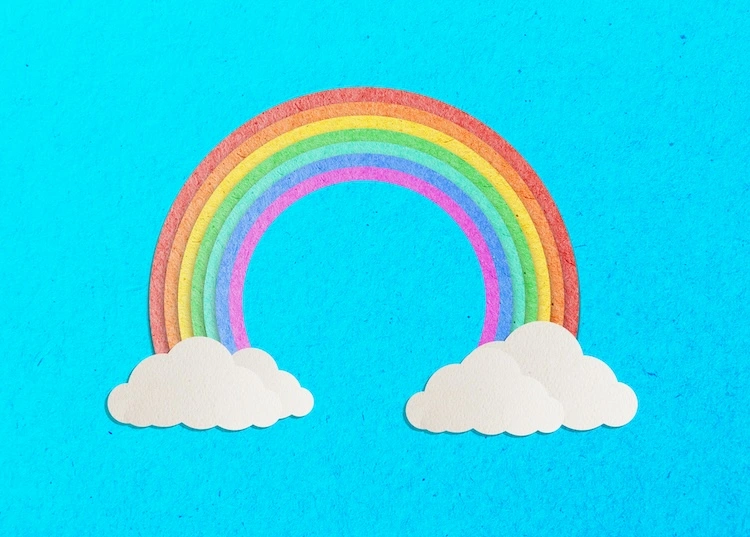


Rainbows are one of nature’s most exciting surprises. Children often stop and stare the moment colourful bands appear across the sky. In this blog, we will learn the seven rainbow colour names in order, understand how a rainbow is formed, discover what each colour means, and explore fun activities that help children remember them with ease.
What Is a Rainbow?
A rainbow is one of the most beautiful sights children can spot in nature. It appears when sunlight shines through tiny water droplets in the air after rain. As the light passes through these droplets, it bends and splits into seven different colours. This process is called dispersion of light.
You can explain this to your child by comparing the raindrops to tiny glass prisms. Just like a prism separates white light into many colours, each raindrop helps create a colourful rainbow in the sky. You may have even noticed small rainbows forming in the mist from a garden sprinkler or near a waterfall on a sunny day.
The seven rainbow colours always appear in the same order, from red on the outside to violet on the inside. Rainbows are not only seen after rainfall. They can also appear in waterfalls, fountains, morning dew, or anywhere sunlight shines through tiny water droplets.
The Seven Rainbow Colours in Order
Here’s a simple way to remember each colour and what it represents.
| Rainbow Colour | Position | Wavelength | Meaning or Feeling |
|---|---|---|---|
| Red | 1st (Outermost) | Longest | Energy, warmth, excitement |
| Orange | 2nd | Long | Creativity, enthusiasm, fun |
| Yellow | 3rd | Medium long | Happiness, positivity, sunshine |
| Green | 4th (Middle) | Medium | Growth, balance, nature |
| Blue | 5th | Medium short | Calmness, trust, peace |
| Indigo | 6th | Short | Imagination, curiosity, wisdom |
| Violet | 7th (Innermost) | Shortest | Wonder, creativity, magic |
If your child enjoys learning colours through games and hands-on activities, you can also explore our guide on how to teach colours to kids with simple and fun colouring activities for more playful learning ideas.
Seven Colours of the Rainbow and Their Meanings
Many children remember the rainbow colours using two simple memory tricks. One is ROYGBIV, which stands for Red, Orange, Yellow, Green, Blue, Indigo, and Violet. The other is VIBGYOR, which lists the same colours in reverse order from violet to red. Both are correct and help children remember the sequence in different ways.
Let’s meet each colour one by one.
1. Red
Think of a bright red apple or a juicy strawberry. Red is usually the first colour people notice because it stands out so well.
Red is often linked with energy, excitement, and warmth. It reminds us of love, courage, and the cheerful feeling of running around outside with friends.
2. Orange
Orange sits between red and yellow in the rainbow. It looks like a ripe orange or even the evening sky just before sunset.
This colour is often connected with creativity, enthusiasm, and fun. It encourages children to imagine, explore, and try new things.
3. Yellow
Yellow is bright, cheerful, and easy to spot. It looks like the warm sun, a sunflower, or a bright yellow school bus.
Many people associate yellow with happiness and positivity. It reminds children to smile, stay curious, and enjoy learning something new every day.
4. Green
Green is the colour of fresh grass, leafy trees, and tiny plants growing after the rain. Our eyes are naturally very comfortable looking at green, which is one reason nature feels so relaxing.
Green represents growth, balance, and new beginnings. It reminds children to care for plants, animals, and the world around them.
5. Blue
Blue looks like the sky on a clear day or the calm water at the beach.
This colour often makes people think of peace, trust, and calmness. It can remind children to take a deep breath whenever they feel worried or upset.
6. Indigo
Indigo is a deep blue colour with a touch of purple. Sometimes it is harder to notice in the rainbow, but it is still there. It can remind children of blueberries or the night sky just after sunset.
Indigo is often connected with imagination, curiosity, and wisdom. It encourages children to ask questions and discover how the world works.
7. Violet
Violet is the last colour in the rainbow. It looks like lavender flowers, purple butterflies, or blooming orchids.
Many people associate violet with creativity, wonder, and a little bit of magic. It reminds children that there is always something amazing waiting to be discovered.
Parent Tip
Next time it’s raining while the sun is still out, stand with your child with your back to the sun. You’ll be in the perfect position to spot a rainbow together. After learning the colours, let your child bring them to life through art. These easy finger painting activities are a wonderful way to practise colour recognition while having fun.
Fun Activities to Teach Rainbow Colours to Kids
Children remember colours much better when they can see, touch, and play with them. Here are a few simple activities that turn learning the rainbow into an enjoyable experience.
Rainbow Drawing and Painting
Give your child a sheet of paper along with crayons, sketch pens, or watercolours and ask them to draw a rainbow. As they colour each section, encourage them to say the name of the colour aloud.
You can also ask simple questions like, “Which colour comes after yellow?” or “Can you find the blue part?” This helps children remember the correct order while building confidence.
Rainbow Scavenger Hunt
Turn colour learning into a fun game by asking your child to find one object for each rainbow colour.
They might pick a red toy car, an orange ball, a yellow banana, a green leaf, a blue water bottle, a dark blue book for indigo, and a purple flower for violet. The activity works well indoors, in the garden, or during a walk in the park. Children enjoy moving around, and this game naturally strengthens colour recognition.
Make a VIBGYOR Fruit Plate
Snack time can become learning time. Arrange different fruits according to the rainbow colours. You could use strawberries for red, oranges for orange, bananas for yellow, green grapes for green, blueberries for blue, jamun for indigo, and purple grapes for violet.
As your child eats each fruit, ask them to name its colour. It is a simple way to combine healthy eating with colour learning, and children often enjoy seeing a colourful plate in front of them.
Create a Rainbow Sensory Bin
Fill a large container with colourful objects such as coloured rice, pom-poms, building blocks, beads, or toy animals. Sort everything into the seven rainbow colours.
Toddlers can scoop, sort, and group the objects while saying each colour aloud. This activity is especially suitable for children between two and four years of age because it supports both colour recognition and fine motor skills. Always supervise younger children if small objects are being used.
Rainbow Storytime
Books are another wonderful way to introduce colours. Stories such as A Rainbow of My Own by Don Freeman encourage children to notice colours while enjoying a simple story. As you read together, pause occasionally and ask questions like, “Can you find something green?” or “Which rainbow colour do you see on this page?”
These little conversations help children stay engaged while improving observation skills.
Make Your Own Rainbow with Water and Light
Sometimes the best science lessons happen at home. Place a clear glass of water near a sunny window with a white sheet of paper underneath or beside it. Move the glass slowly until a tiny rainbow appears on the paper.
Children are often amazed that they can create a rainbow indoors using only sunlight and water. It is a simple experiment that also helps them understand how rainbows form in nature.
Closing Thoughts
Rainbows are much more than beautiful colours in the sky. They introduce children to science, encourage curiosity, and make learning colours exciting. Whether your child is painting a rainbow, hunting for colourful objects around the house, or spotting one after the rain, every activity becomes an opportunity to learn through play. With a little encouragement, those seven colours can inspire creativity, observation, and a lifelong love for discovering how the world works.
Frequently Asked Questions
What are the seven colours of the rainbow in order?
The seven rainbow colours are Red, Orange, Yellow, Green, Blue, Indigo, and Violet. Many children remember them using the mnemonic ROYGBIV.
Why does a rainbow have seven colours?
When sunlight passes through tiny water droplets, it spreads into different wavelengths of light. Although there are many shades in between, these colours are traditionally grouped into seven main colours.
How is a rainbow formed?
A rainbow forms when sunlight enters raindrops, bends as it passes through them, reflects inside the droplets, and then bends again as it leaves. This process separates white light into different colours that become visible in the sky.
What does VIBGYOR stand for?
VIBGYOR stands for Violet, Indigo, Blue, Green, Yellow, Orange, and Red. It is another popular way of remembering the rainbow colours.
Which colour appears on the outer edge of a rainbow?
Red appears on the outer edge of a primary rainbow because it has the longest wavelength among the visible colours.
Which colour appears on the inner edge of a rainbow?
Violet appears on the inner edge of the rainbow. It has the shortest wavelength in the visible spectrum.
What is the easiest way to remember the rainbow colours?
Children often find ROYGBIV or VIBGYOR easy to remember. Singing the colours, drawing rainbows, and repeating the sequence during play also helps.
Who discovered the seven colours of the rainbow?
The seven rainbow colours are commonly credited to Sir Isaac Newton. He used a glass prism to separate white light into different colours and studied how light behaves.
Are there only seven colours in a rainbow?
Not exactly. A rainbow is actually made up of countless shades that blend smoothly into one another. We simply divide them into seven colours because they are easier to identify and remember.
Can a rainbow be created indoors?
Yes. You can create a small rainbow indoors using a prism, a glass of water, a crystal, or even a spray bottle when sunlight shines through it.
At what age do children usually learn rainbow colours?
Most children begin recognising basic colours between the ages of two and three. By the time they are around four or five years old, many can identify all seven rainbow colours with regular practice and playful activities.
Can rainbows appear without rain?
Yes. Rainbows can appear anywhere tiny water droplets meet sunlight. This includes waterfalls, fountains, sea spray, mist, sprinklers, and even morning dew.
What is the middle colour of the rainbow?
Green is the middle colour. It appears fourth in the sequence, placing it right at the centre of the seven rainbow colours.
Why do rainbow colours always appear in the same order?
Each colour bends by a slightly different amount when sunlight passes through water droplets. Because this process is always the same, the colours appear in the same order every time.
What is a secondary rainbow?
A secondary rainbow is a fainter rainbow that sometimes appears outside the main rainbow. It forms when light reflects twice inside the raindrops, causing the colours to appear in reverse order.
Looking for another fun way to build your child’s vocabulary? Explore our Bird Names with Pictures guide, where children can discover colourful birds, learn their names, and enjoy simple visual learning activities that make nature even more exciting.









Subscribe to our newsletter
[contact-form-7 id="12706" title="Newsletter Form for post page"]Our Related Blogs
Yoga Benefits, Activities, and Poses for Preschoolers
For preschoolers, yoga isn’t about perfection but about giggles and benefits. So, are you curious how a simple stretch can support a child’s focus, flexibility, and emotional well-being? Let’s roll...
Year-End Reflection and Goal Setting for Children
Parenting is a journey filled with the brightest moments and valuable lessons, both for us and our children. As the year draws to a close, it’s the perfect time to...
Work-Life Balance Solutions for Parents in Emerald Hills Rd, Sector 65, Gurugram: The KLAY Daycare Advantage
Finding the perfect balance between professional commitments and parenting is a challenge for many working families in Gurugram. Parents in Emerald Hills Rd, Sector 65, especially, look for childcare solutions...