



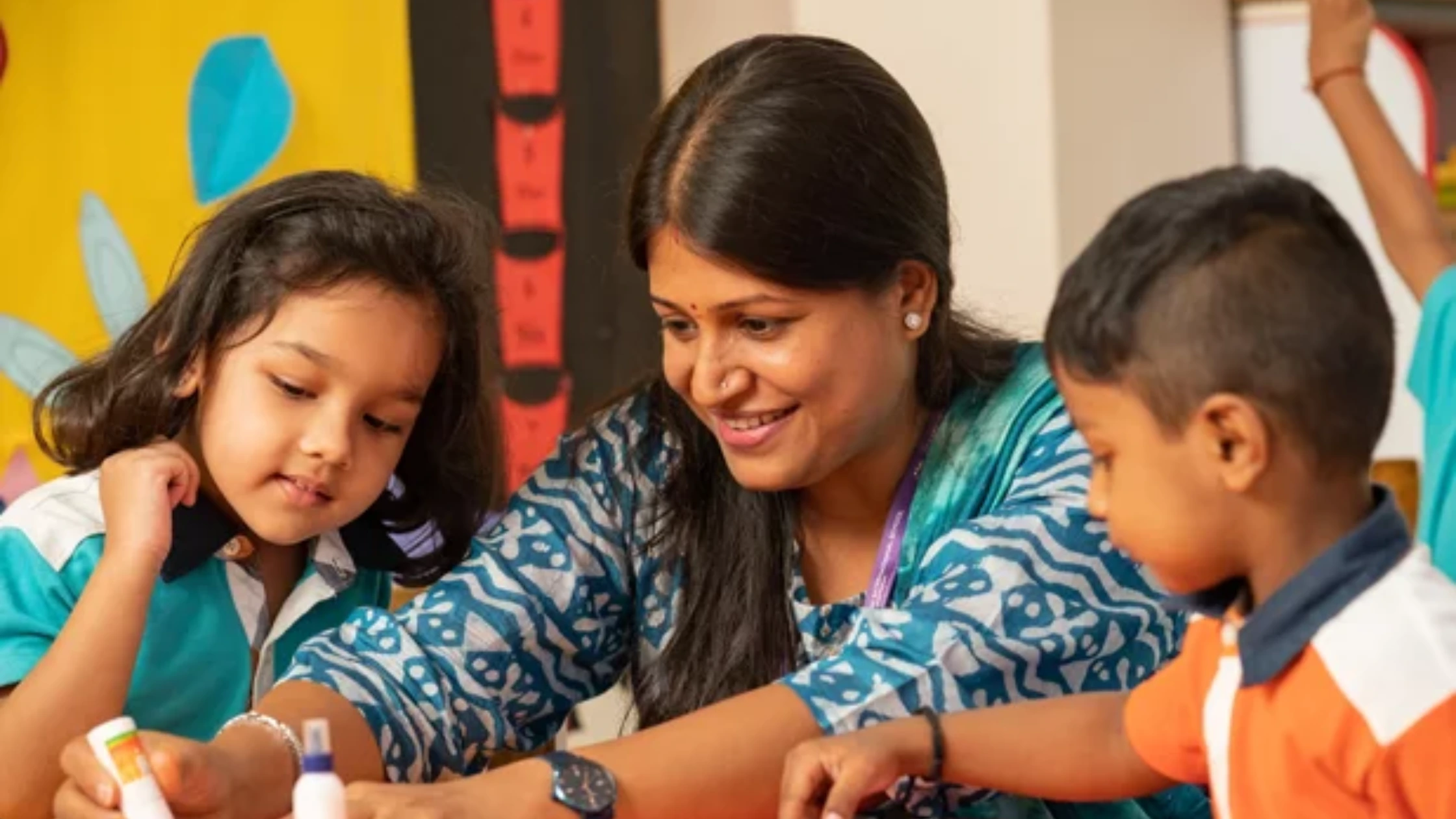


We’re proud to share that insights from Arshleen Kaur Kalra, Head of Academics at KLAY Preschools and Daycare, have been featured in a recent article in EducationWorld, highlighting the importance of preparing both children and parents for the early years of education.
In the feature, Arshleen emphasises that the first six years of a child’s life are critical for development. Backed by research from Harvard University, she notes that over 90% of brain development happens before the age of five, making early experiences, relationships, and environments deeply impactful.
She highlights that choosing the right preschool is the first and most important step. According to her, a preschool should feel like an extension of the child’s home. Its values, culture, and approach to learning must align with what the child experiences within the family. Rather than choosing a school based solely on popularity, she encourages parents to focus on warmth, safety, and the way educators interact with children.
Arshleen also points out the importance of proximity. Long commutes can be tiring for young children, and a nearby preschool helps create a smoother daily routine, allowing children enough time to rest, play, and engage meaningfully.
Another key insight she shares is about making the unfamiliar feel familiar. Visiting the school beforehand, introducing children to classrooms and play areas, and speaking positively about school experiences can ease anxiety and help children transition more comfortably.
Routine, she explains, plays a powerful role in building a child’s sense of security. Establishing consistent sleep, meal, and activity schedules even before school begins can help children adapt more easily to their new environment.
Importantly, the article also highlights that preparation is not just for children, parents play an equally significant role. Arshleen notes that it’s natural for parents to feel emotional during this transition, but children often mirror adult emotions. Staying calm and confident helps reassure children that school is a safe and happy place.
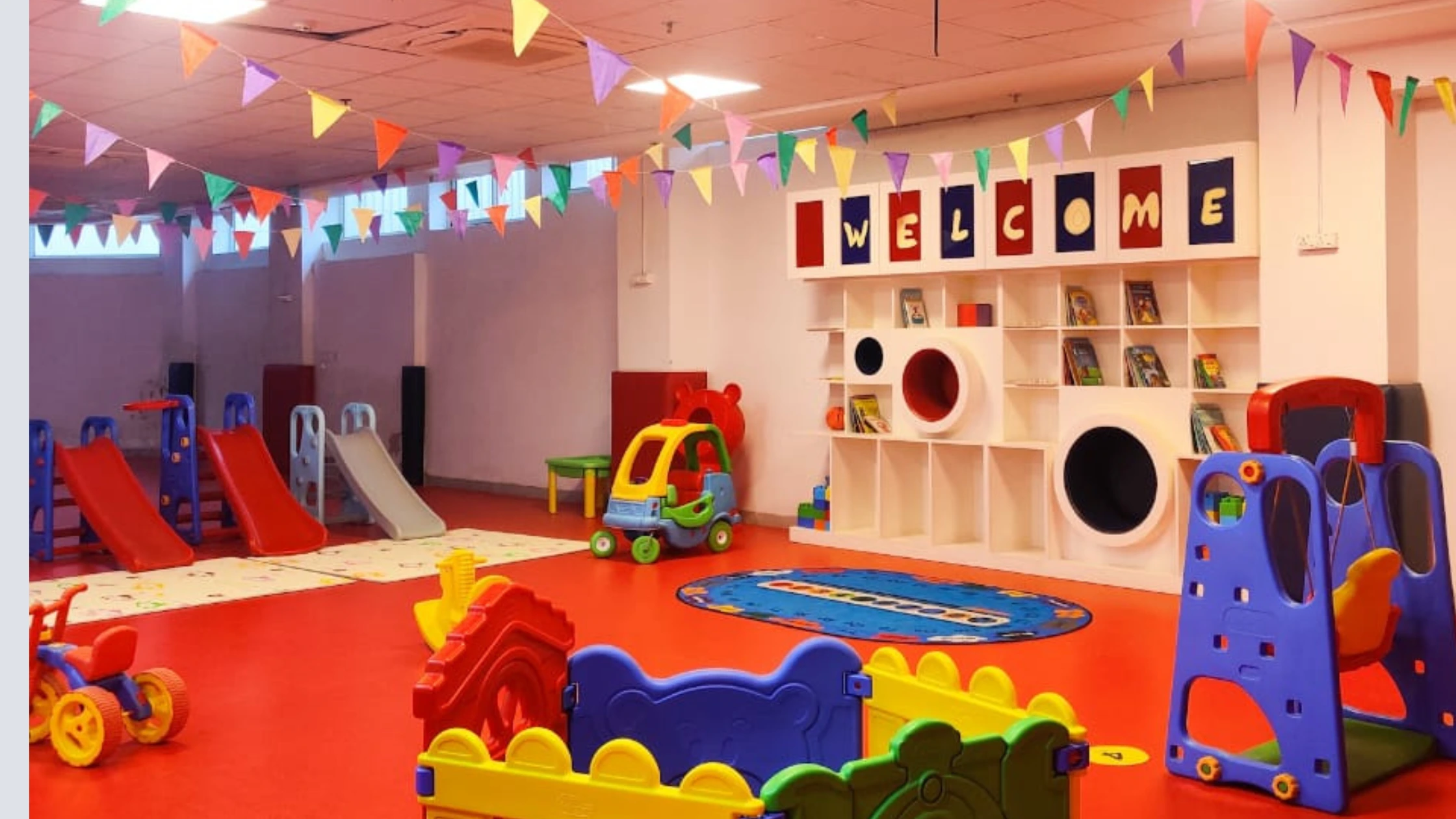
See how a happy day at KLAY looks like.
She further stresses the importance of a strong home-school partnership. Sharing insights about a child’s habits, preferences, and routines enables teachers to provide more personalised care, ensuring continuity between home and school.
One of the most powerful takeaways from her feature is the idea that confidence must come before curriculum. While academic readiness is important, true learning begins when a child feels emotionally secure. A happy, confident child is naturally curious, and curiosity is the foundation of all meaningful learning.
Arshleen also encourages parents to stay connected with their child’s daily experiences through simple conversations and quality time at home. Whether it’s asking about their day or engaging in playful activities together, these moments help children process their experiences and feel supported.
Her insights beautifully reinforce a simple yet powerful idea: when children feel safe, understood, and loved, they don’t just get ready for school, they get ready for life.
Note: This article was originally published in EducationWorld.








Subscribe to our newsletter
[contact-form-7 id="12706" title="Newsletter Form for post page"]Our Related Blogs
Yoga Benefits, Activities, and Poses for Preschoolers
For preschoolers, yoga isn’t about perfection but about giggles and benefits. So, are you curious how a simple stretch can support a child’s focus, flexibility, and emotional well-being? Let’s roll...
Year-End Reflection and Goal Setting for Children
Parenting is a journey filled with the brightest moments and valuable lessons, both for us and our children. As the year draws to a close, it’s the perfect time to...
Work-Life Balance Solutions for Parents in Emerald Hills Rd, Sector 65, Gurugram: The KLAY Daycare Advantage
Finding the perfect balance between professional commitments and parenting is a challenge for many working families in Gurugram. Parents in Emerald Hills Rd, Sector 65, especially, look for childcare solutions...