



 76767 08888




If you are a toddler parent, chances are you have caught your little ones thumb sucking several times. While it is natural and harmless in the early stages, as time passes, you begin to wonder if it is okay as your child grows. Generally, thumb sucking becomes concerning once a child crosses the age of 4.
To get rid of this habit, it is important to understand why toddlers suck their thumbs, the possible side effects of thumb sucking, and some effective answers to questions like how to stop thumb sucking.
Reasons Why Toddlers Suck Their Thumbs and How Long Does It Last?
Toddlers find thumb sucking familiar, as it mimics breastfeeding. As they grow, thumb sucking becomes a strong habit that makes them feel calm and comfortable. However, there can be other reasons for thumb sucking, like:
1. Normal Development
Typically, toddlers start sucking their thumbs long before they are born. Many ultrasounds show unborn babies sucking their thumbs. Thus, they are born with thumb sucking as a natural habit.
2. Psychological Comfort And Self-Soothing
When kids get anxious or stressed, they suck their thumbs to console or comfort themselves. It helps them to manage their emotions or to fall asleep quickly.
3. Environmental Triggers
Emotional triggers like separation from parents, a change in the routine, or more attention to other siblings create an anxious situation for them. Therefore, thumb sucking comforts them during such triggers.
4. Breathing Issues
When toddlers suffer from breathing issues due to cold, asthma, allergies, or anxiety, they suck their thumbs to ease themselves or to fall asleep.
5. Instinctive Reflex
Sucking is a basic instinct of babies. It starts from breastfeeding, then bottle feeding, and then ultimately thumbsucking. Slowly, it becomes a natural response to stress, boredom, and irritation.
6. Boredom Or Fatigue
When toddlers are idle or tired, they suck their thumbs because there isn’t anything else happening. Thumb sucking eventually becomes a go-to hobby for kids when they are bored.
7. Mental Health Struggles
When a toddler goes through big and prolonged mental health issues like separation anxiety, emotional regulation, or trauma, they heavily rely on thumbsucking to feel safe and comfortable.
Usually, thumb sucking lasts till the kids reach the age of 3-4 years old. By this age, they develop other distractions or coping methods, like playing with toys or spending time with their loved ones. As they start pre-school or nursery, they completely stop or reduce it on their own through surrounding influences.
Potential Effects of Thumb Sucking
Thumb sucking not only affects teeth and mouth, but it also hurts the confidence and self-esteem of children. Let’s look at some other major and noticeable side effects of thumb sucking:
1. Overbite
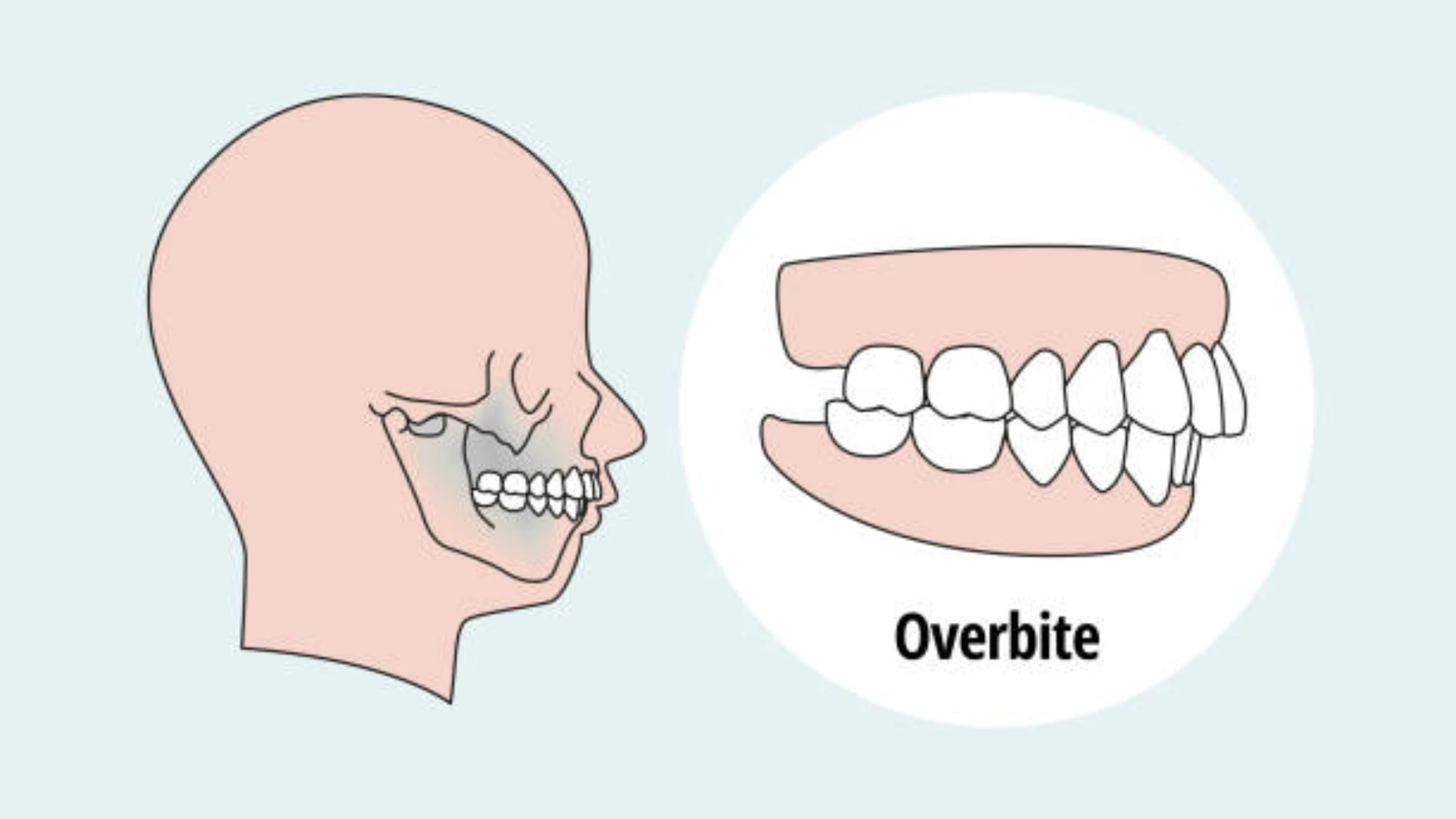
Thumb sucking is not a concern till a toddler has only milk teeth. During thumbsucking, toddlers push their front teeth consistently with their tongue, which makes their permanent teeth protrude outwards. This causes an overbite or the upper teeth overlapping the lower teeth, which eventually leads to jaw and facial weakness.
2. Open Bite
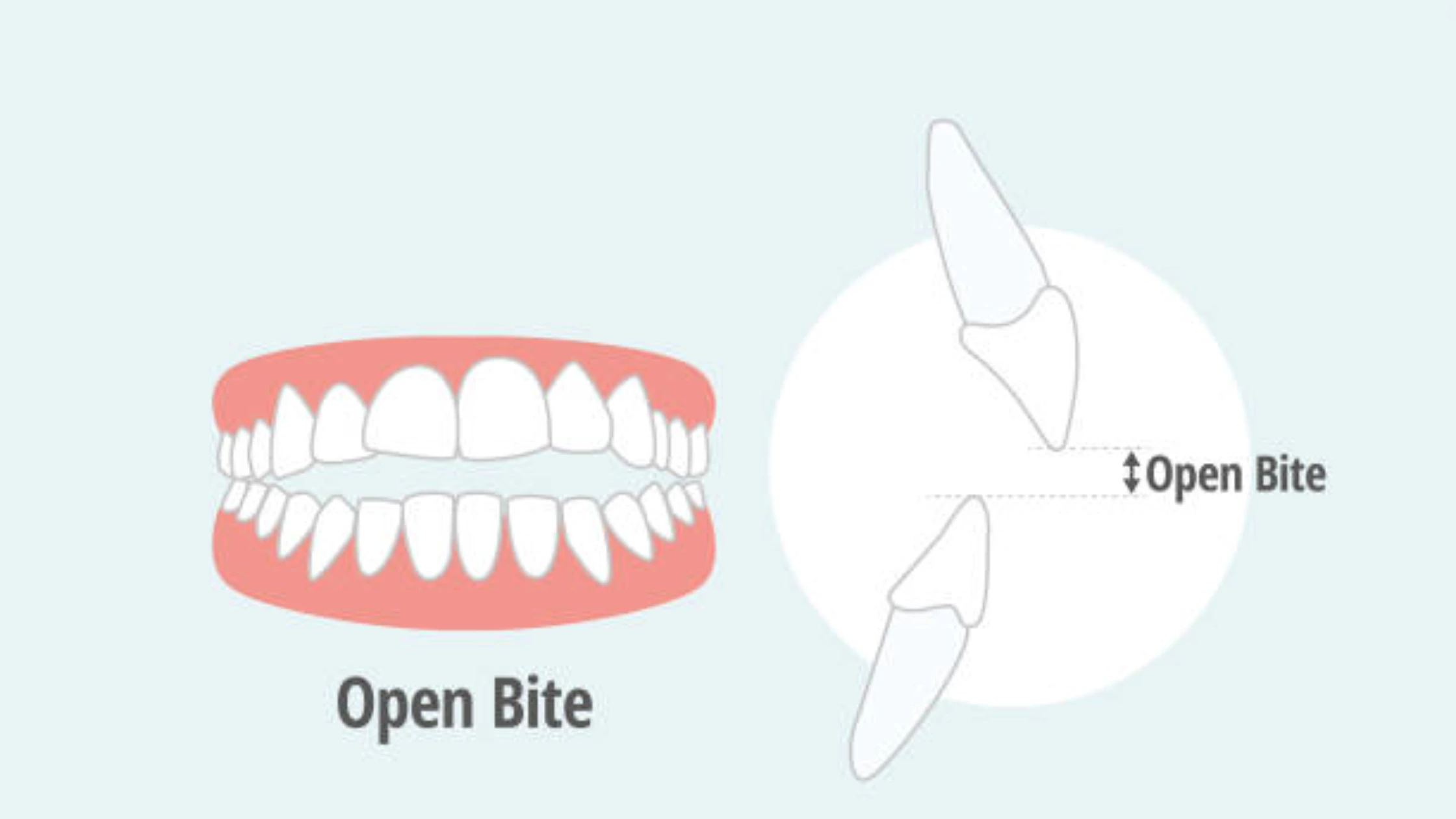
As a toddler’s jaws are still in a developmental stage, excessive sucking movements make the jaws unaligned. This makes the upper teeth and lower teeth misalign, which ultimately leads to speech and bite issues.
3. Skin Problems
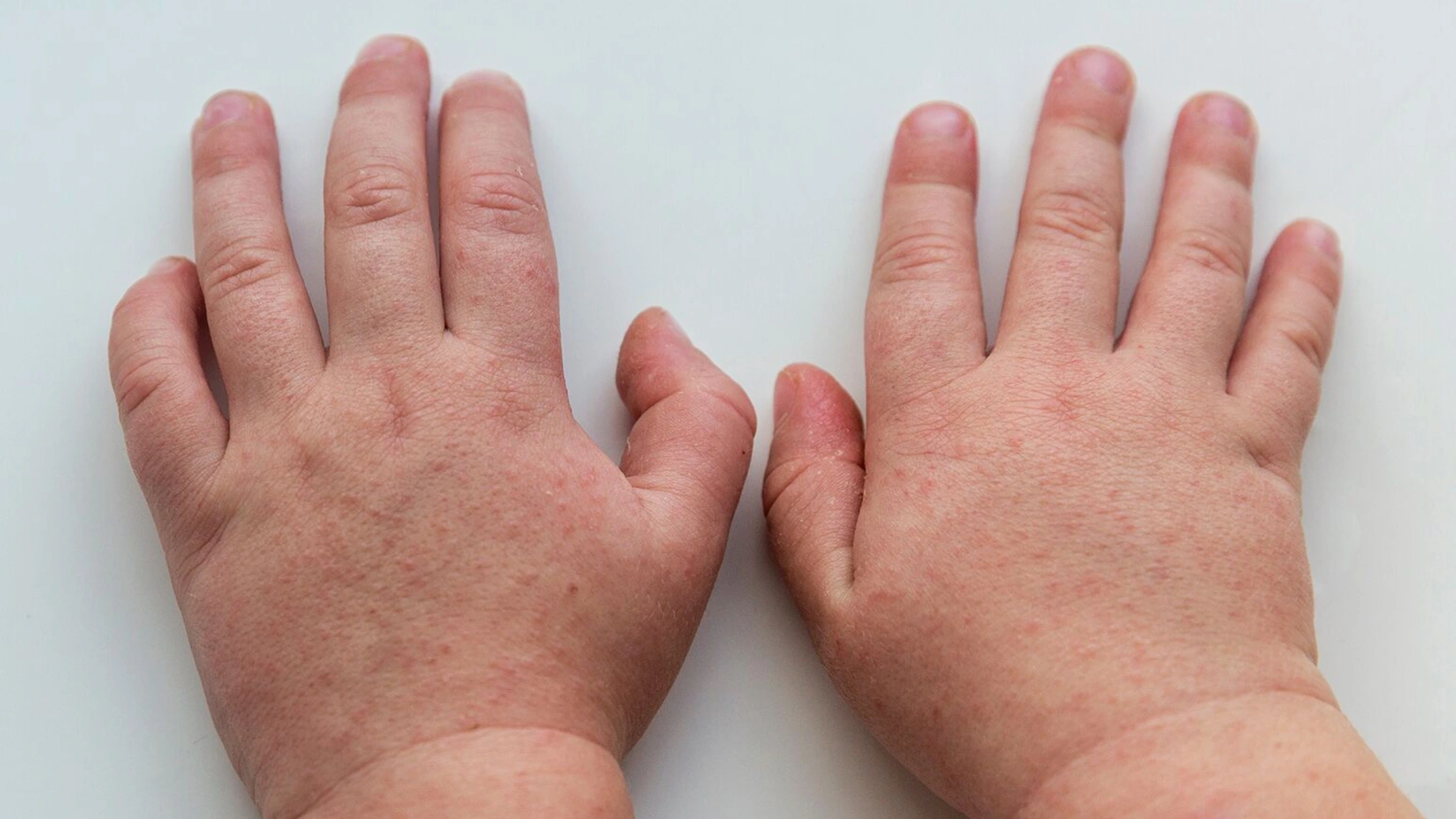
Constant thumb sucking makes the mouth vulnerable to bacteria and infection. Sucking thumbs consistently affects the nail and makes it grow abnormally. Constant contact with saliva makes the thumb skin dry and cracked.
4. Speech Impediment
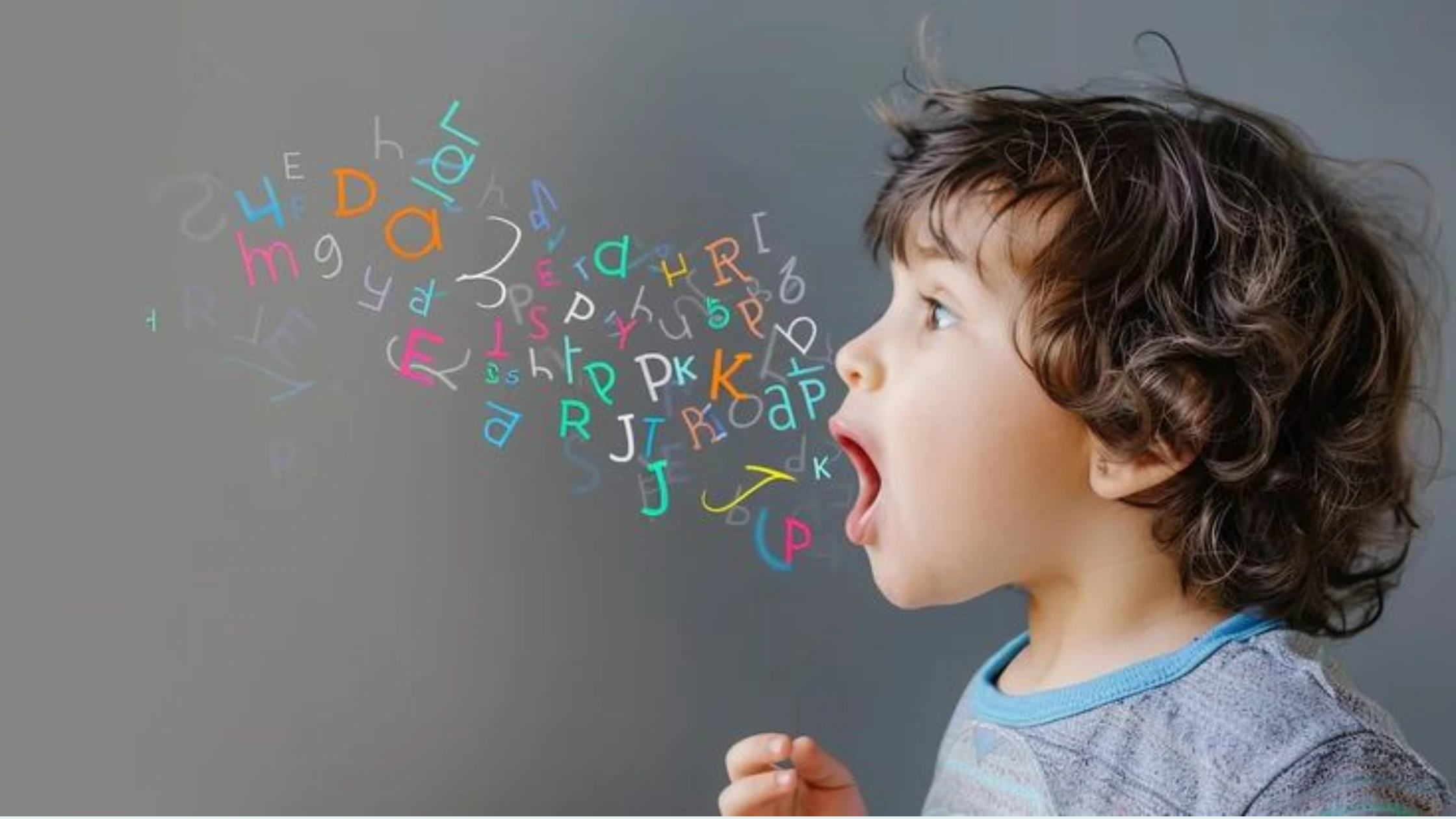
As thumb sucking changes the alignment of jaws and teeth gradually, the child pronounces specific sounds or letters abnormally. Such children become more prone to stuttering and stammering.
5. Social Issues

If children grow old but continue the habit of thumbsucking, their peers make fun of or tease them. Also, due to stammering and stuttering, communication becomes difficult, which affects their confidence. This could make the child socially withdrawn.
When To Be Concerned About Thumb Sucking?
Thumb sucking is generally not a concern for toddlers under the age of 3. But it can be a problem when the habit continues beyond the age of 4. By 5-6 years of age, kids’ milk teeth start falling out and permanent teeth appear. Prolonged thumb sucking starts showing its effects on permanent teeth and the jaw by slowly altering them. If thumb sucking becomes the first response for the child to stress or boredom, then it is worth monitoring the child.
How to Stop Toddlers from Thumb sucking
Here’s a list of simple ways that help toddlers stop thumbsucking:
1. Try To Limit The Time
Whenever the child sucks thumbs, try not to stop them straight away. Instead, try to limit their time by distracting them with other activities.
2. Positive Reinforcement And Encouragement
When the child sucks their thumb, do not discourage them; rather, praise or reward them when they stop. Reward them with their favourite treat, extra play time, or cheer them whenever they stop. Soon, the kid begins to associate not thumb sucking with positive behaviour.
3. Keep Your Child’s Hands Busy
Usually, children suck thumbs when they are idle or bored. To get rid of this, offer the child fun things to engage in, like toys, activities, or games. If children are distracted or busy, they forget about sucking thumbs.
4. Find Other Coping And Soothing Skills
If children suck their thumbs as a stress response, guide them towards healthier soothing habits. Introduce them to activities like hugging their soft toy, colouring pictures, or taking deep breaths. Such activities gradually replace thumbsucking.
5. Don’t Scold or Criticise
When children suck their thumbs, do not criticise their behaviour. Instead, nudge them gently to stop. If the children are scolded, they intentionally repeat the action to stress you.
6. Identify Triggers
Try to recognise the triggers that provoke the children to suck their thumbs. Try to solve the issues by comforting, keeping them busy, or distracting them.
7. Try Role-Playing
Introduce roleplay with toys or dolls and create scenarios where you ask the dolls if they realise thumbucking is a good or bad habit. Make the children aware of this habit through such roleplay.
8. Use A Hand Stopper And A Finger Guard As Gentle Reminders
Put finger guards, gloves, or bitter nail polish so that the children start to associate thumb sucking with bad taste. In difficult cases, use special finger guards that are hard to remove.
9. Work With Your Dentist Or Pediatrician If You Need More Help
If none of the above methods work and the children continue thumb sucking, it is a good idea to consult an expert. An expert can point out if the habit is related to emotional or developmental issues and treat them accordingly.
Summary
Thumb sucking is often overlooked by parents because it fades away naturally. But this habit can become an issue when the child starts showing developmental abnormalities, such as crooked tooth growth or unclear speech.
At KLAY, educators are trained to recognise that every child’s developmental journey is unique. They are taught to identify the symptoms, causes, and effects of thumb sucking. They gently encourage them to outgrow this habit through play and empathy. This child-first approach of KLAY helps children to feel secure and confident, and naturally let go of the habit.












Subscribe to our newsletter
[contact-form-7 id="12706" title="Newsletter Form for post page"]Our Related Blogs
Yoga Benefits, Activities, and Poses for Preschoolers
For preschoolers, yoga isn’t about perfection but about giggles and benefits. So, are you curious how a simple stretch can support a child’s focus, flexibility, and emotional well-being? Let’s roll...
Year-End Reflection and Goal Setting for Children
Parenting is a journey filled with the brightest moments and valuable lessons, both for us and our children. As the year draws to a close, it’s the perfect time to...
Work-Life Balance Solutions for Parents in Emerald Hills Rd, Sector 65, Gurugram: The KLAY Daycare Advantage
Finding the perfect balance between professional commitments and parenting is a challenge for many working families in Gurugram. Parents in Emerald Hills Rd, Sector 65, especially, look for childcare solutions...