



 76767 08888

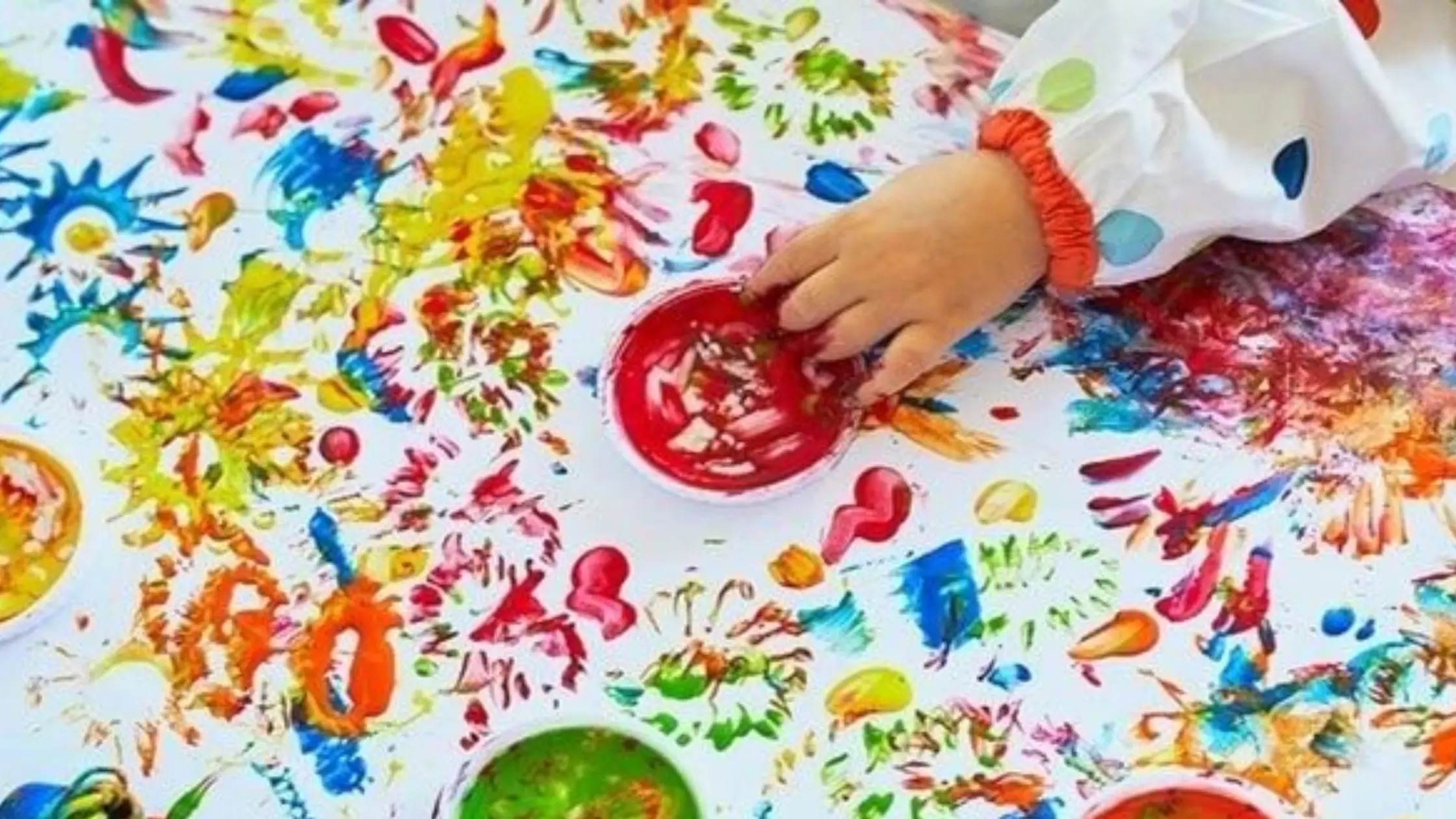


As parents, you’ve probably said this at least once: “Don’t make a mess!” It might be on the dinner table, painting, or while drinking water; kids love making a mess. But did you know that when children create a mess intentionally, they are not being mischievous but exploring their environment? And messy play is one of the best ways to do that. You might notice that your child is fully focused and engaged when making a mess. Research says these everyday messy moments are powerful learning experiences. These play a big role in the importance of early years education and how children understand the world around them at a young age.
What is messy play?
Messy play involves lots of chaos and curiosity. Messy play is an activity that allows children to explore materials like sand, water, paint, dough, and food freely, without worrying about staying clean.
It is an unstructured and tactile process where children use their senses, such as sight, smell, hearing, and touch, to explore things. Messy play is a powerful part of both preschool education and everyday learning.
Why is messy play important for toddlers?
A child’s brain develops 90% by the age of five. Experiences during these ages shape how children think, feel, and respond to the environment around them.
Messy play may seem simple, but it supports multiple areas of development of a child at once. Therefore, it becomes an essential part of a well-thought-out preschool program.
How does messy play an important role in early years education?
Messy play actively supports learning in ways that structured lessons cannot.
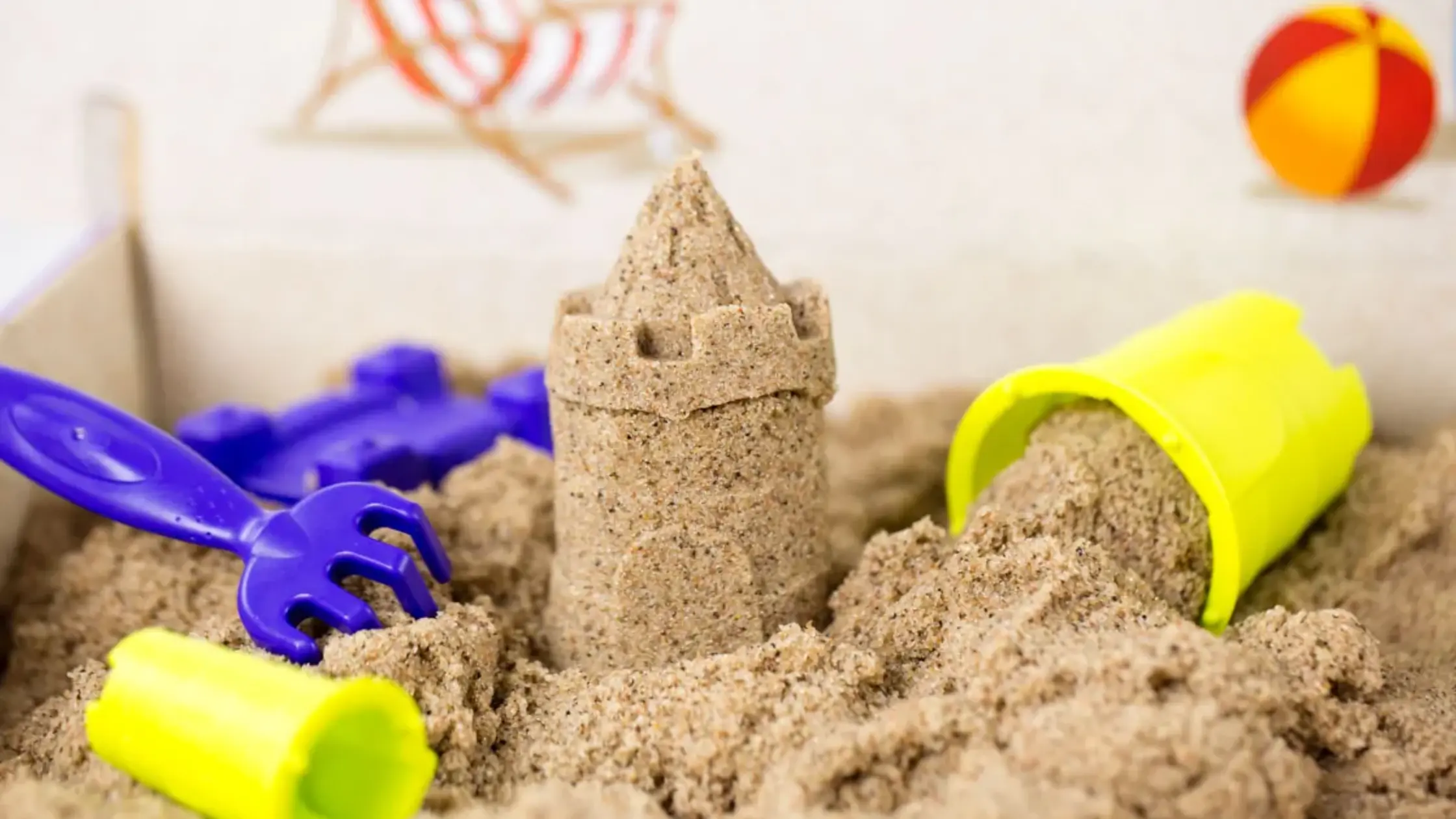
1. Sensory development
Children learn through their senses. When they touch different textures like sticky mixture, soft cotton, rough sand, or wet cloth, they are building sensory awareness. This is important for educational activities for toddlers, as it helps them process the world around them.
2. Cognitive growth
Messy play encourages curiosity and experimentation. While playing with paint or sand, children start wondering ‘What happens when colours mix?’ or ‘What does wet sand feel like compared to dry sand?’ These small discoveries build problem-solving skills and critical thinking in children.
3. Language development
As children explore new materials like paint or sand, they begin to describe what they see and feel. Words like ‘slimy, rough, smooth, wet, and cold ‘ add up in their vocabulary naturally. This is why messy play is often included in a structured preschool curriculum.
4. Emotional expression
Messy play is calming, exciting, and even stress-relieving. It helps children release energy and healthily manage big feelings and therefore can be a safe space for children.
5. Fine and gross motor skills
Scooping, pouring, squeezing, and mixing materials all help strengthen hand muscles and coordination. These skills are essential for writing, dressing, playing, and other daily tasks.
All these benefits highlight the importance of early years education, where such experiences are intentionally included to support the development of a child.
How to do messy play at home and school
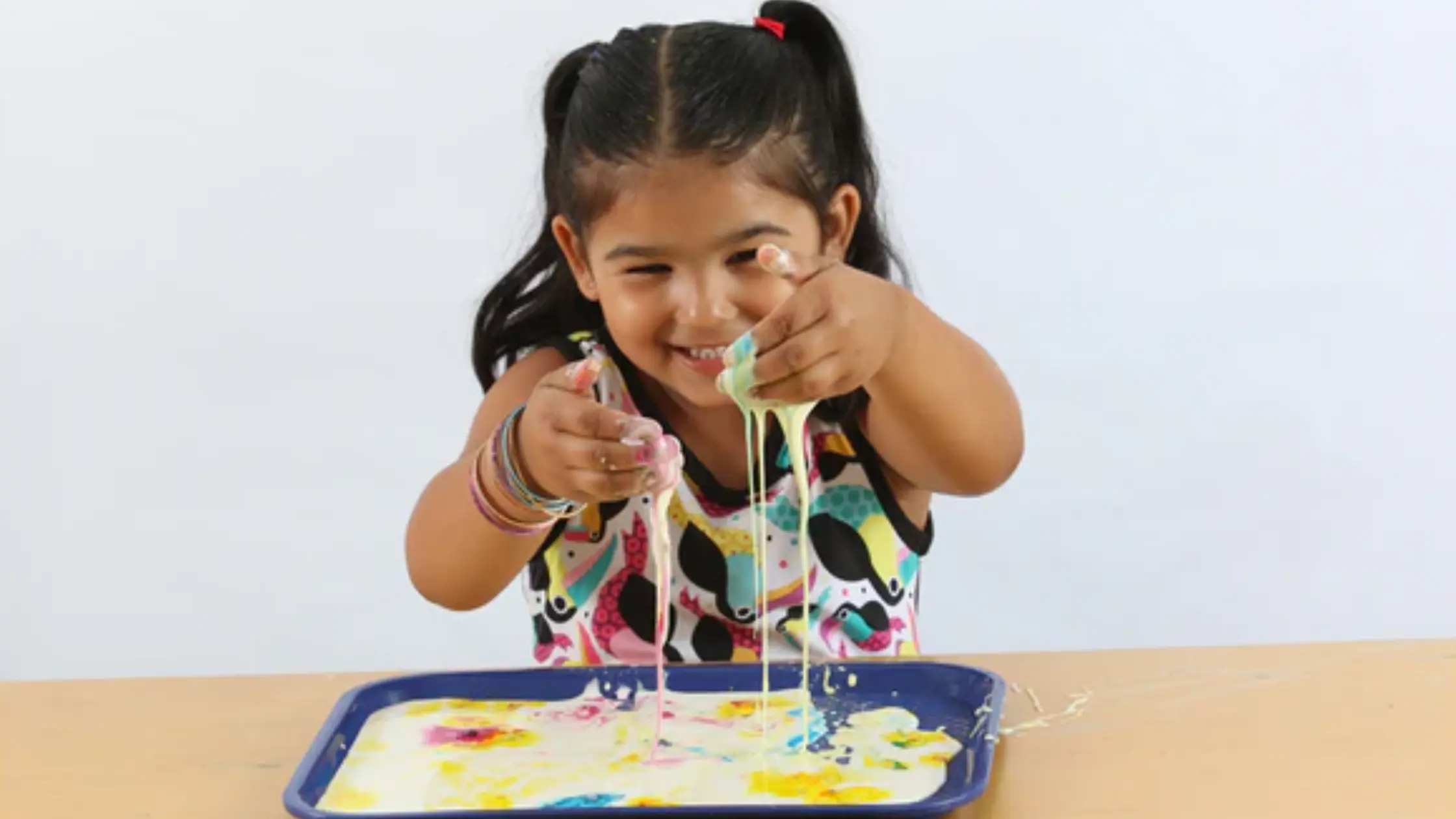
You don’t need expensive materials or elaborate setups to introduce messy play. Simple, everyday items can create meaningful experiences. Here are some easy ideas for educational activities for 2-year-olds at home and older toddlers:
- Water plays with cups, spoons, sponges, and containers
- Finger or hand painting with bright and non-toxic colours
- Playing with dough or clay
- Exploring textures using rice, salt, sand, or flour
- Mixing colours using water and food colouring
These activities are also great educational activities for toddlers, as they allow children to explore at their own pace.
In schools, messy play is often guided by educators to ensure safety while still allowing freedom. At home, parents can create spaces with a mat or outdoor areas to make cleanup easier.
Tips for parents
If messy play seems overwhelming or the clean-up feels tiring, here are simple ways to make it convenient:
- Use old clothes, mats, items, or aprons.
- Create a play area or a defined boundary to keep things manageable.
- Let your child lead the activities and interfere only if required.
- Avoid correcting how they play and let them play freely.
- The goal is not to keep things tidy but to support learning through experience.
Conclusion
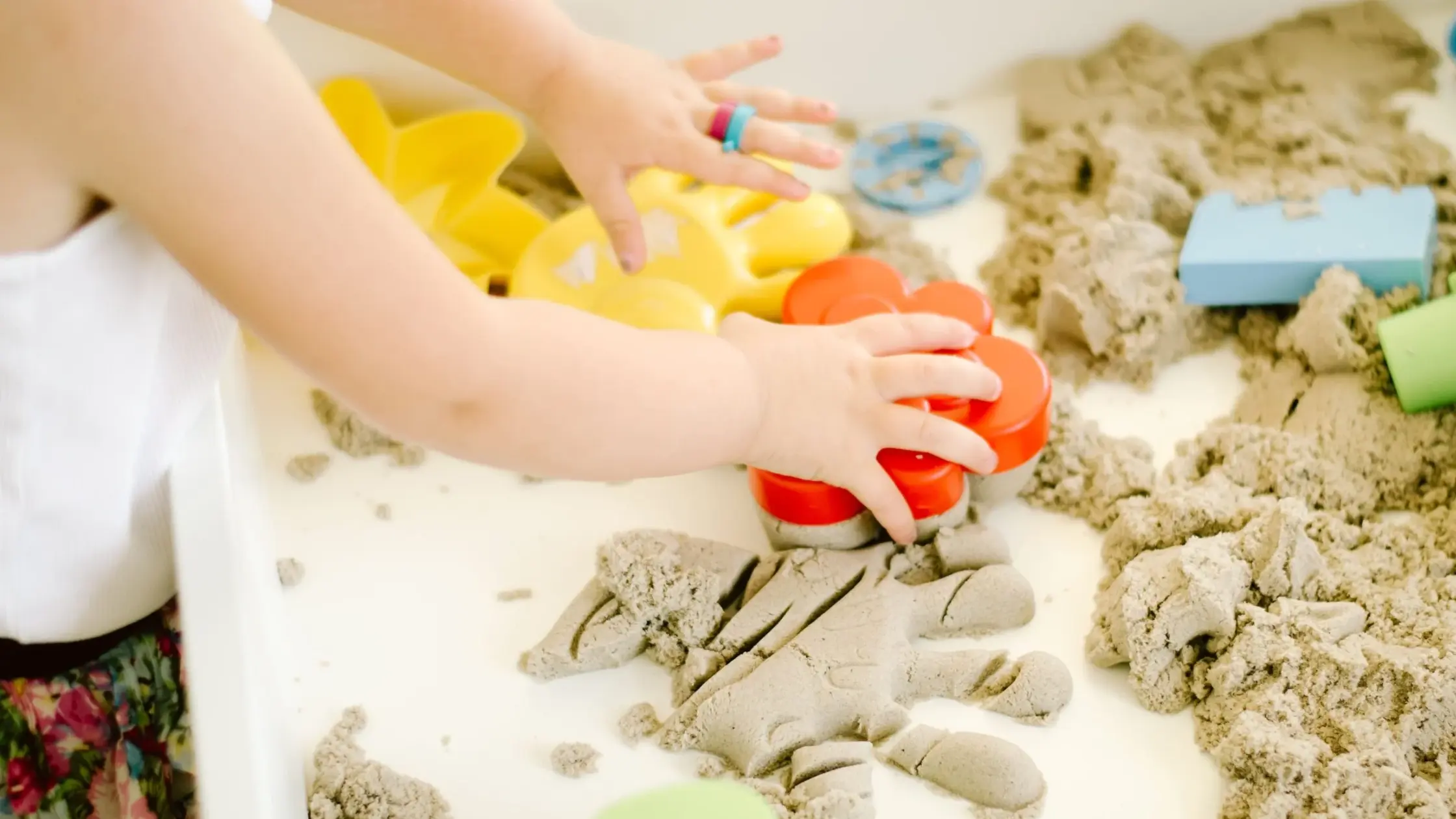
Not all learning looks organised and tidy. Messy play is for encouraging creativity, confidence, and curiosity. As the children grow, you will not remember the mess on the floor but will notice its benefits. These fun moments ultimately reflect the importance of good early years education.
Messy play builds sensory awareness and boosts creativity, awareness, and confidence. This plays a big role in making the brain and eye-hand coordination. This makes learning and growing fun in the early years.










Subscribe to our newsletter
[contact-form-7 id="12706" title="Newsletter Form for post page"]Our Related Blogs
Yoga Benefits, Activities, and Poses for Preschoolers
For preschoolers, yoga isn’t about perfection but about giggles and benefits. So, are you curious how a simple stretch can support a child’s focus, flexibility, and emotional well-being? Let’s roll...
Year-End Reflection and Goal Setting for Children
Parenting is a journey filled with the brightest moments and valuable lessons, both for us and our children. As the year draws to a close, it’s the perfect time to...
Work-Life Balance Solutions for Parents in Emerald Hills Rd, Sector 65, Gurugram: The KLAY Daycare Advantage
Finding the perfect balance between professional commitments and parenting is a challenge for many working families in Gurugram. Parents in Emerald Hills Rd, Sector 65, especially, look for childcare solutions...