



 76767 08888

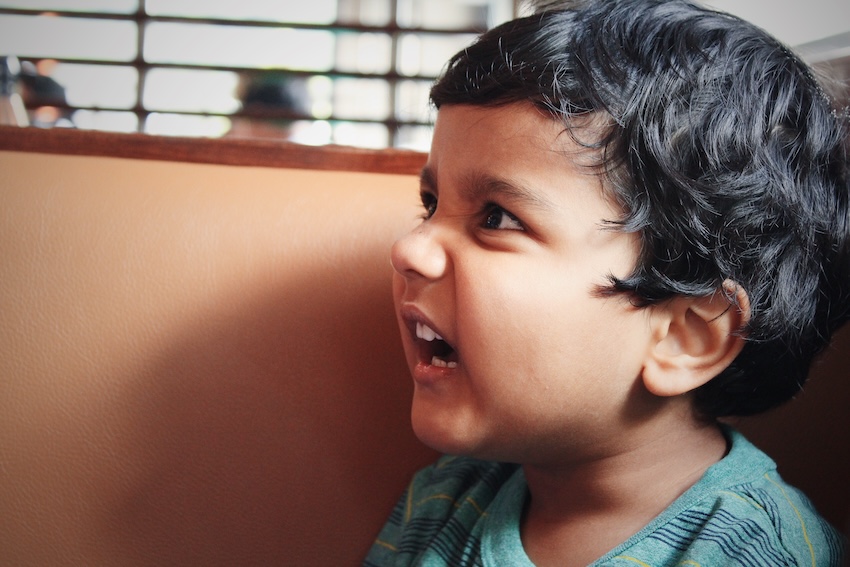


Being a toddler parent is an adventure. It is full of love, laughter, and joy, but as your little one gets closer to the age of 2, you will encounter a whole new phase called the terrible twos. Your baby’s emotions and behaviour will become unpredictable, and it could be overwhelming. In simple terms, the terrible twos meaning comes down to one thing: your toddler is discovering independence, and testing it out loudly.
Quick answer: The terrible twos are a normal toddler development phase — usually starting between 18 months and 2 years, and lasting until age 3 or 4 — marked by tantrums, defiance, and fast mood swings as a child develops independence and struggles to communicate. It’s not “bad” behaviour; it’s a healthy sign of growing cognition and emotional development.
What is the Meaning of the ‘Terrible Twos’?
The terrible twos are a developmental phase that toddlers go through around the age of two, marked by emotional outbursts, defiance, and sudden mood swings. This is a natural part of your child’s growth — they’re becoming more assertive about their independence and starting to explore the world around them on their own terms.
Terrible twos do not mean that your child is terrible. It is a phase during their growth where they are struggling with their growing independence, limited communication skills, and emotional regulation. This period, though tough on you, shows that they are developing fine in their cognition and emotions.
Signs and Symptoms of the Terrible Twos
Not sure if your child has entered this phase? Here are the most common signs and symptoms parents notice:
- Saying No More Often: Your toddler’s favourite word might become “no,” as they become more assertive.
- Temper Tantrums: You can expect sudden and intense tantrums triggered by frustration when they don’t get what they want.
- Increased Defiance: Your baby may resist instructions, testing boundaries to see what they can get away with.
- Kicking, Biting, or Hitting: Physical expressions of frustration can come out in the form of aggressive behaviour like biting, kicking, and hitting as your little one struggles to figure out their feelings.
- Mood Swings: Their emotions can shift from happiness to anger and sadness in seconds.
- Opposition: Even routine tasks, like getting dressed or eating, might become battlegrounds.
- Difficulty with Transitions: Moving from one activity to another — leaving the park, turning off the TV — can trigger a meltdown, since toddlers this age struggle to shift focus quickly.
Why is it Called the ‘Terrible Twos’?
If you’ve ever wondered why it’s called the terrible twos, the answer lies in your child’s fast development. Children at this age are developing a sense of self, which usually makes them test their boundaries. They want to make decisions but they do not have the skills to communicate effectively. This can make them frustrated and sometimes lead to tantrums.
Their behaviour is not about defiance — it’s their way of expressing new-found independence and emotions they don’t yet have the words for. Once you see it this way, it’s a lot easier to respond with patience instead of frustration.
When Do the Terrible Twos Start – and How Long Do They Last?
Despite the name, the terrible twos can start as early as 18 months, and sometimes stretch well past your child’s second birthday. Exactly when they start differs from child to child — the signs usually begin to show as your baby begins to walk, talk, and develop choices of their own, all part of their need for independence.
As for how long the terrible twos last, most children move past this phase by the time they turn 3 or 4 years old, though some toddlers continue showing defiance and tantrums a little longer depending on their temperament. There’s no single date when the terrible twos “end” — it’s more of a gradual fade as communication and emotional regulation improve.
How to Deal with Terrible Two Tantrums
Dealing with terrible twos tantrums takes patience, a little creativity, and a lot of consistency. Here’s what actually helps reduce how often they happen:
- Have a Behaviour Plan: Set clear boundaries and consequences for unacceptable actions. Consistency helps your child understand what is expected.
- Provide a Childproofed Environment: Ensure your home is safe for exploration. Minimising hazards reduces stress for both you and your toddler.
- Have a Distraction Ready: Keep their favourite toys or books handy to divert their attention during meltdowns.
- Keep Snacks Handy: Hunger can increase tantrums. Offer healthy snacks at regular intervals to maintain their mood and energy.
- Minimise Saying No: Instead of constantly saying no, divert their attention with other activities.
- Don’t Overtax Them: Avoid overwhelming your toddler with too many activities or decisions in a short period.
In the Middle of a Tantrum, Right Now?
When a tantrum has already started, here’s what tends to work best in the moment:
- Stay calm yourself — toddlers often mirror the energy around them, so a calm voice de-escalates faster than reasoning or raised voices.
- Get down to their level — kneeling or sitting beside them, rather than standing over them, feels less confrontational.
- Name the feeling — a simple “I know you’re upset” helps even before they can talk it through, and builds their emotional vocabulary over time.
- Wait it out safely — as long as your toddler is safe, it’s okay to let the tantrum run its course rather than trying to stop it immediately.
Navigating the Terrible Twos Alone is Hard — You Don’t Have To
At KLAY, our early years programs are built around exactly this stage — helping toddlers build the communication and emotional skills that make the terrible twos easier for the whole family.
What Comes After the Terrible Twos?
Once the terrible twos end, your child will develop better communication skills and behaviour. They will be more emotionally stable, and the period when your child turns three will bring new milestones — more freedom, better communication, and eventually the new challenges of school and routine.
Terrible Twos Quotes Every Parent Will Relate To
If you’re in the thick of the terrible twos, you’ll probably relate to a few of these:
- “We didn’t leave the house today — and that’s a win.”
- “I’ve negotiated with a two-year-old more than I’ve ever negotiated at work.”
- “One minute they’re hugging you, the next they’re crying because their banana broke in half.”
- “The terrible twos aren’t about them being terrible. They’re about them becoming someone.”
- “You haven’t tested your patience until you’ve tried putting shoes on a toddler who doesn’t want shoes on.”
If nothing else, remember: every parent who’s been through the terrible twos has a story just like yours.
When to Get Help for the Terrible Twos?
While the terrible twos are a normal phase, there may be times when you need expert guidance. If your child’s tantrums are excessive, prolonged, or violent, it’s worth visiting a paediatrician or child psychologist to understand the situation better.
As a parent, the terrible twos can be a testing time, but it’s also when your baby is growing remarkably and discovering the world. Understanding the reason behind their behaviour, staying patient, and using effective strategies — like distraction and consistency — can make this phase easier for both of you. Stay consistent, stay patient, and enjoy the small wins as your child learns new skills.








Subscribe to our newsletter
[contact-form-7 id="12706" title="Newsletter Form for post page"]Our Related Blogs
Yoga Benefits, Activities, and Poses for Preschoolers
For preschoolers, yoga isn’t about perfection but about giggles and benefits. So, are you curious how a simple stretch can support a child’s focus, flexibility, and emotional well-being? Let’s roll...
Year-End Reflection and Goal Setting for Children
Parenting is a journey filled with the brightest moments and valuable lessons, both for us and our children. As the year draws to a close, it’s the perfect time to...
Work-Life Balance Solutions for Parents in Emerald Hills Rd, Sector 65, Gurugram: The KLAY Daycare Advantage
Finding the perfect balance between professional commitments and parenting is a challenge for many working families in Gurugram. Parents in Emerald Hills Rd, Sector 65, especially, look for childcare solutions...