





Key Takeaways
- Storytelling for kids supports their emotional, social, language, and cognitive development in a natural and engaging way.
- Listening to and telling stories helps children build imagination, empathy, confidence, and communication skills over time.
- Parents and teachers can use storytelling as a tool to help kids develop positive behaviour and values.
If your child asks to hear the same story again and again, it is not just for entertainment. This repetition shows how deeply children connect with stories and how storytelling supports their growing minds.
What Is Storytelling for Kids?
Storytelling for kids is the practice of sharing stories through spoken words, books, pictures, or interactive narration to help children understand ideas, emotions, and experiences in a simple and engaging way. It involves using your voice, expression, imagination, and connection to bring stories to life for children.
Through storytelling, children can make sense of the world around them. They learn new words, follow sequences, recognise emotions, and understand values in a natural, pressure-free manner.
Key Developmental Benefits of Storytelling for Kids
Stories can bring out creativity in a child. They can use their imagination to express and connect with others. Here’s how storytelling helps a child’s growth:
Encourages Imagination & Creative Thinking
Stories allow children to imagine places, characters, and experiences beyond their daily routines. When a child visualises a forest, a brave character, or a new adventure, their imagination becomes active and flexible. This imaginative engagement helps them express ideas freely and develop problem-solving skills.
Strengthens Attention & Thinking Skills
Storytelling introduces children to structured narratives with a beginning, middle, and end. This structure helps them remember details, predict outcomes, and think logically. Over time, these skills support better concentration, memory, and reasoning abilities, which are important for both academic learning and everyday decision-making.
Supports Language & Communication Growth
Listening to stories exposes children to new words, sentence structures, and ways of expressing ideas. Regular storytelling expands their vocabulary and strengthens their speaking and listening skills. They learn how to communicate thoughts clearly and confidently in both structured and informal settings.
Encourages Emotional & Social Understanding
Stories often reflect emotions such as happiness, fear, anger, and kindness. When children hear characters in their stories facing challenges or making choices, they learn to recognise emotions and empathise with others. Storytelling helps kids manage feelings and build social understanding in a gentle and relatable way.
This emotional connection allows children to talk about their own feelings more openly, helping them develop their social-emotional skills.
Passes on Values & Cultural Awareness
Stories are a natural way to share values, traditions, and life lessons without sounding instructional. Moral storytelling for kids helps them understand concepts such as honesty, respect, cooperation, and other values through relatable examples. It also encourages respect for diversity by exposing them to different perspectives and cultures around the world.
Builds Confidence & Self-Expression
When children participate in storytelling, whether by retelling a story or creating their own, they gain confidence in expressing themselves. Storytelling also supports their public speaking and self-expression skills by allowing them to share thoughts in a pressure-free environment. Over time, this practice helps kids speak more clearly and feel comfortable sharing ideas with others.
How Does Storytelling Support Children at Different Ages?
As kids grow, they are more likely to benefit from storytelling in different ways. Here’s how:
Storytelling for Babies & Toddlers:
Starting with storytelling time right from a very young age is great for a toddler’s development. They benefit from the rhythm, tone, and repetition of stories.
At this stage, storytelling focuses on sounds, simple words, and visual cues rather than full narratives. So, the repetition of these things helps them develop their early listening skills and get familiar with language.
Storytelling for Preschool-Age Children:
For preschoolers, stories help with language development, imagination, and understanding simple routines and values. Children at this age enjoy predictable story patterns, which help them feel secure while learning new concepts.
Storytelling for Early School-Age Children:
As children grow older, storytelling supports reading readiness, analytical thinking, and comprehension of more complex ideas. Stories with richer plots and characters help kids understand cause and effect, build vocabulary, and reflect on moral choices. In this stage, you can also conduct a guided discussion around the stories they read.
How to Tell Stories to Kids: Effective & Practical Ways for Great Storytelling Sessions
Oral Storytelling Through Voice & Expression
Traditional oral storytelling uses voice modulation, gestures, and facial expressions to capture children’s attention. This approach helps children focus on listening and imagination rather than visuals alone. It also helps in creating a personal connection between the storyteller and the child.
Reading Books & Picture Stories Together
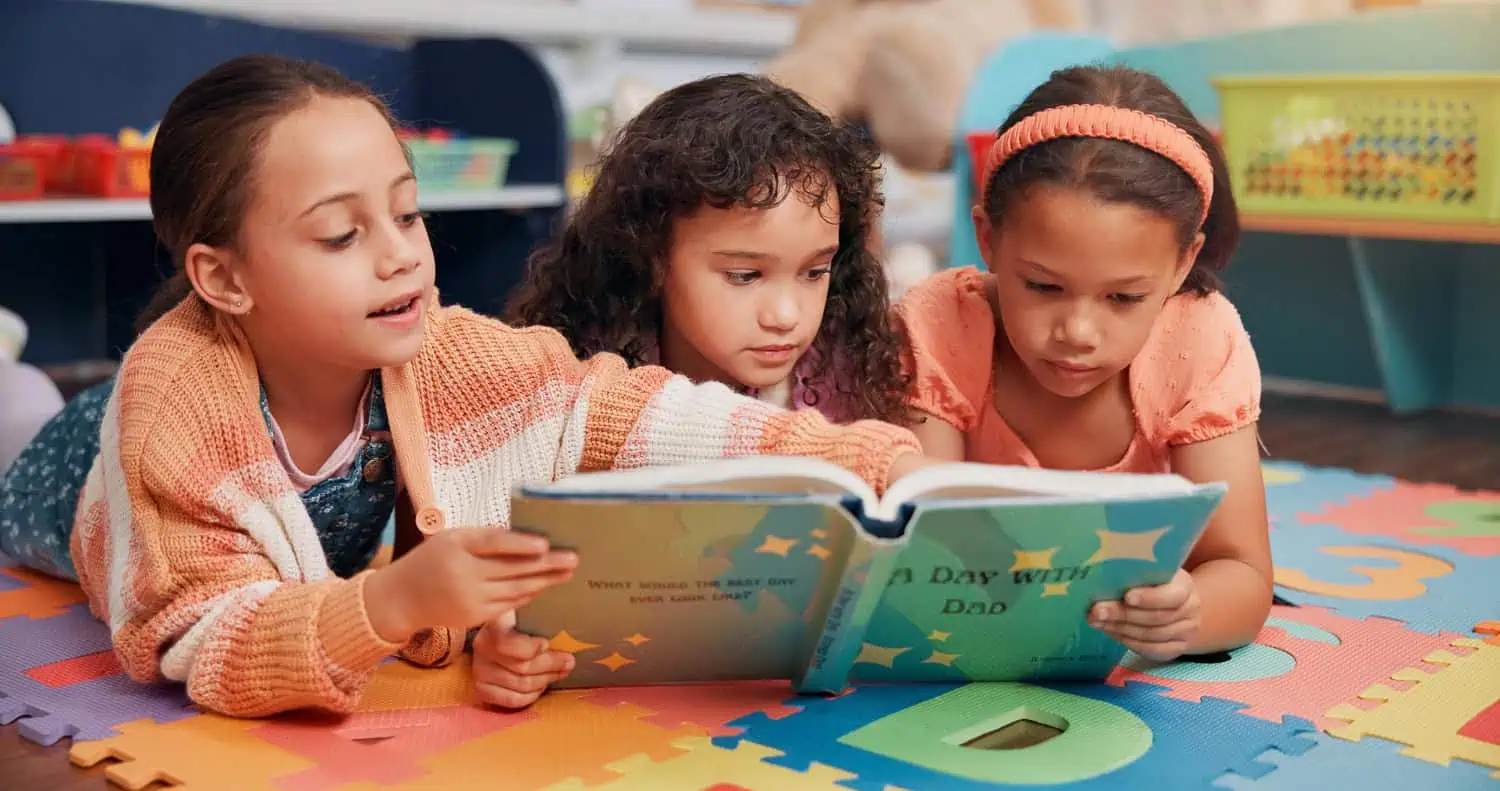
Reading books together encourages shared learning and bonding. Picture books support visual understanding, while written stories introduce new vocabulary and ideas. This shared experience helps children associate learning with comfort and connection.
Interactive Storytelling for Active Participation
Interactive storytelling invites children to take part in the story. For this activity to be successful, kids should continue a story you started. They can change the ending or even act out characters using props or drawings. This method supports creativity, confidence, and problem-solving while keeping the child engaged and involved.
Thoughtful Storytelling With the Help of Digital Tools
Digital storytelling, when used in moderation and with age-appropriate content, can add variety through sound and visuals. However, digital tools should be used with adult guidance and proper balance, ensuring that screen-based storytelling only complements and does not replace human interaction and conversation.
Storytelling Tips for Parents
- Choose stories that match the child’s age and understanding, starting with simple narratives and gradually introducing richer plots.
- Create a regular storytelling routine during bedtime, travel time, or playtime to build familiarity and comfort.
- Encourage children to retell or modify stories. This supports their memory, creativity, and communication.
- You can also use local languages and cultural stories to help children connect with their roots while developing language skills naturally.
Making Storytelling for Kids a Meaningful Daily Habit
Storytelling for kids is a powerful way to connect, guide, and support them as they grow. Through stories, children learn language, emotions, values, and confidence in a way that feels enjoyable and reassuring.
Frequently Asked Questions (FAQs)
What does storytelling for children mean?
Storytelling for children involves sharing stories through spoken words, books, pictures, or interactive activities that support their imagination, learning, and emotional growth.
Why is storytelling important for kids?
Storytelling helps children develop language skills, creativity, emotional intelligence, listening ability, and moral understanding in an enjoyable way.
When should parents start storytelling with children?
Storytelling can begin from infancy, as even babies benefit from hearing sounds and rhythms, while older children gain thinking and social skills through stories.
How does storytelling support language development?
Listening to stories improves vocabulary, sentence formation, pronunciation, and comprehension, helping children communicate more confidently.
Can storytelling improve creativity and imagination?
Yes, storytelling encourages children to visualise characters and situations, explore new ideas, and think creatively beyond everyday experiences.
How does storytelling help emotional and social growth?
Stories help children understand emotions, build empathy, recognise social situations, and express feelings in healthy ways.
What types of stories work best for children?
Age-appropriate stories with relatable characters, simple language, and positive values work best, including folk tales, adventure stories, and moral stories.
How often should storytelling be part of a child’s routine?
Regular storytelling, whether daily or a few times a week, helps build routine, bonding, and lasting developmental benefits.
Can children actively participate in storytelling?
Children can take part in the storytelling process by completing the stories, acting them out, or creating their own narratives. This can help them build confidence and communication skills.
Is digital storytelling suitable for children?
Digital storytelling can support learning when used in moderation, with age-appropriate content and adult guidance.
How is storytelling used in early education settings?
Educators can use storytelling through interactive techniques like voice modulation, movement, and retelling stories during circle time activities.
Do stories help children learn values and life lessons?
Yes, stories naturally convey values such as kindness, honesty, teamwork, and problem-solving, making lessons easier to understand and remember.








Subscribe to our newsletter
[contact-form-7 id="12706" title="Newsletter Form for post page"]Our Related Blogs
Yoga Benefits, Activities, and Poses for Preschoolers
For preschoolers, yoga isn’t about perfection but about giggles and benefits. So, are you curious how a simple stretch can support a child’s focus, flexibility, and emotional well-being? Let’s roll...
Year-End Reflection and Goal Setting for Children
Parenting is a journey filled with the brightest moments and valuable lessons, both for us and our children. As the year draws to a close, it’s the perfect time to...
Work-Life Balance Solutions for Parents in Emerald Hills Rd, Sector 65, Gurugram: The KLAY Daycare Advantage
Finding the perfect balance between professional commitments and parenting is a challenge for many working families in Gurugram. Parents in Emerald Hills Rd, Sector 65, especially, look for childcare solutions...