



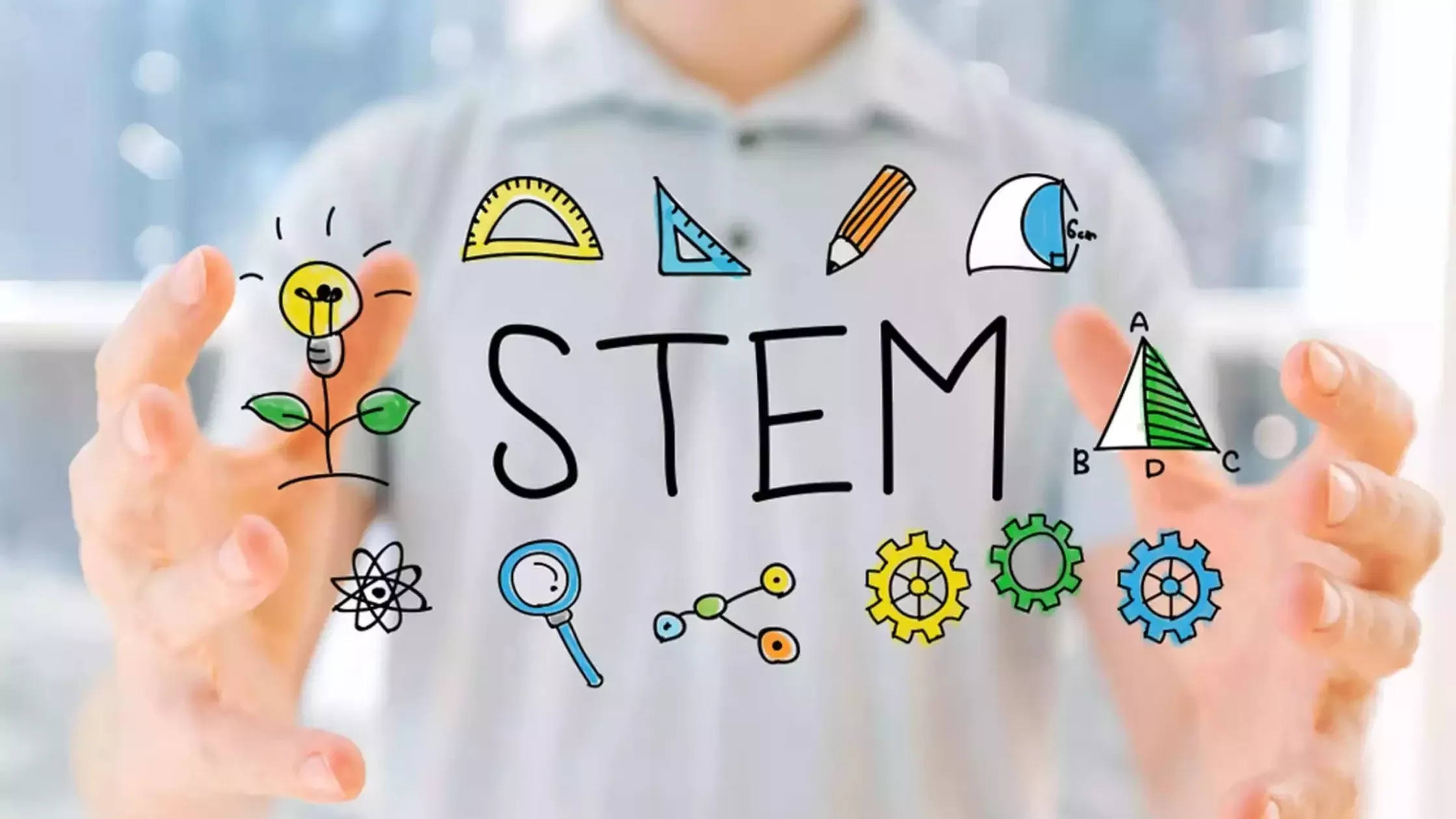


STEM activities for kids are an important part of their development and growth. In today’s fast-paced world, STEM is gaining the attention of educators, parents, and even toy makers because it allows kids to think, explore, create, and learn through practical experiences rather than instructing them to memorise facts.
What is STEM Education?
STEM means Science, Technology, Engineering, and Mathematics. These may seem like big words for kids, but they are already practising them without even knowing it. If they are balancing blocks to make a tower or asking questions consistently, they are already having fun with simple STEM activities.
Instead of memorising facts about mathematics or science, children learn better through real-life experiences like playing with counting toys, mixing paint, or making a craft. STEM encourages essential life skills like critical thinking, creativity, and problem-solving skills in children through hands-on learning.
STEM Activities
STEM-based activities help preschoolers understand concepts deeply as they get to see, touch, and do things themselves. Simple STEM activities in preschools make learning fun and interactive, through which children experiment, ask questions, and discover how things work. Let’s look at some STEM activities for kindergarten that makes every learning moment a fun adventure:
1. Nature Scavenger Hunt
A fun game where preschoolers explore and look around in the garden to collect specific objects like a rock, a dry leaf, or a yellow flower. Educators ask them questions like ‘Look for something yellow’, or ‘Find a round rock,’ and let them run around in the garden to look for them.
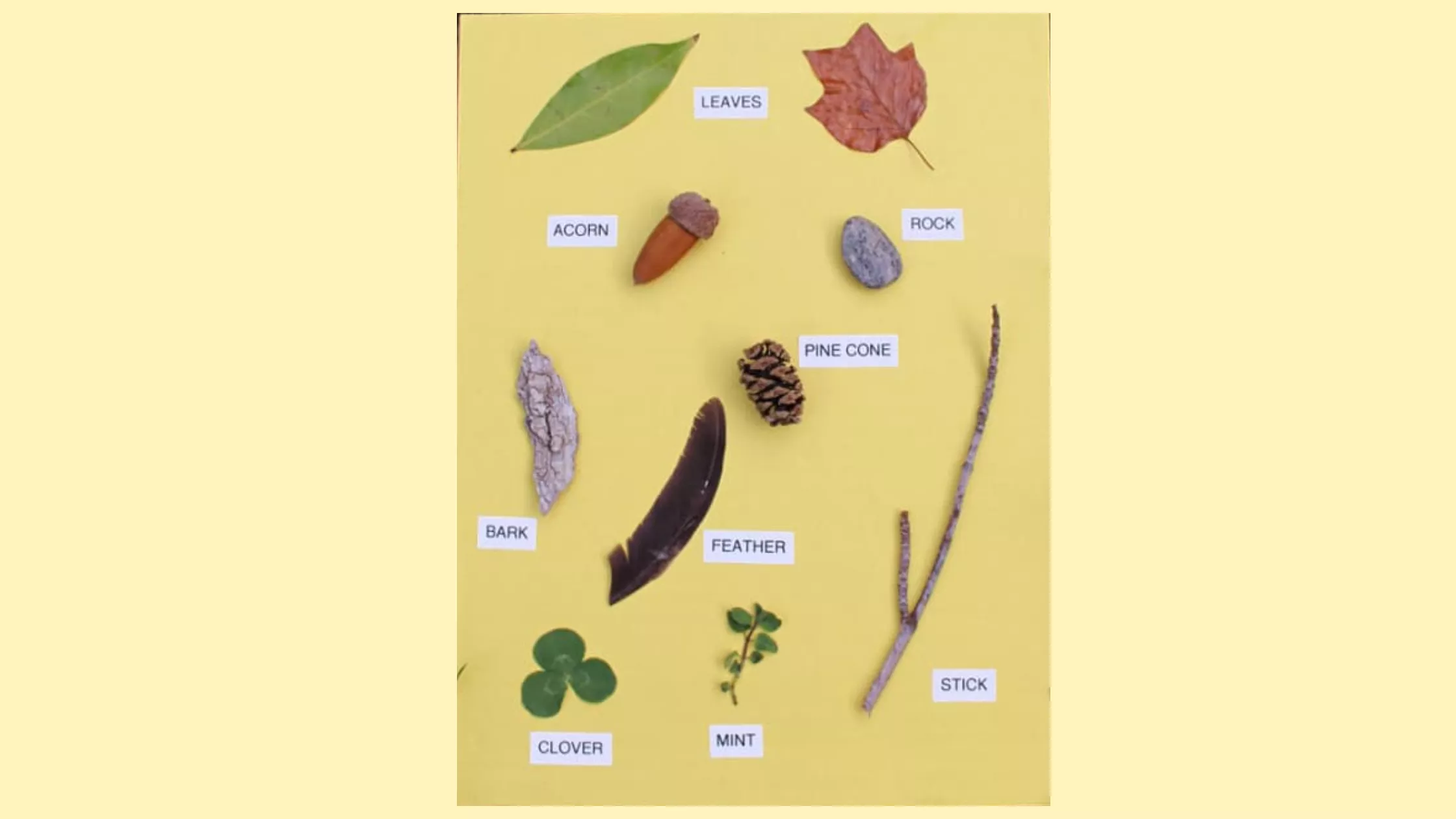
Through this activity, kids improve their observation, colour identification, visual comparison, and vocabulary while hunting.
Comes Under- Science.
2. Classroom Weather Chart
A classroom weather chart is where kids match the day with weather stickers. Teachers ask questions related to the weather, like ‘How does the sky look today?’ or ‘Did it rain today?’ and how did the weather affect their routine. Let the kids stick stickers of the sun or black clouds on the chart.
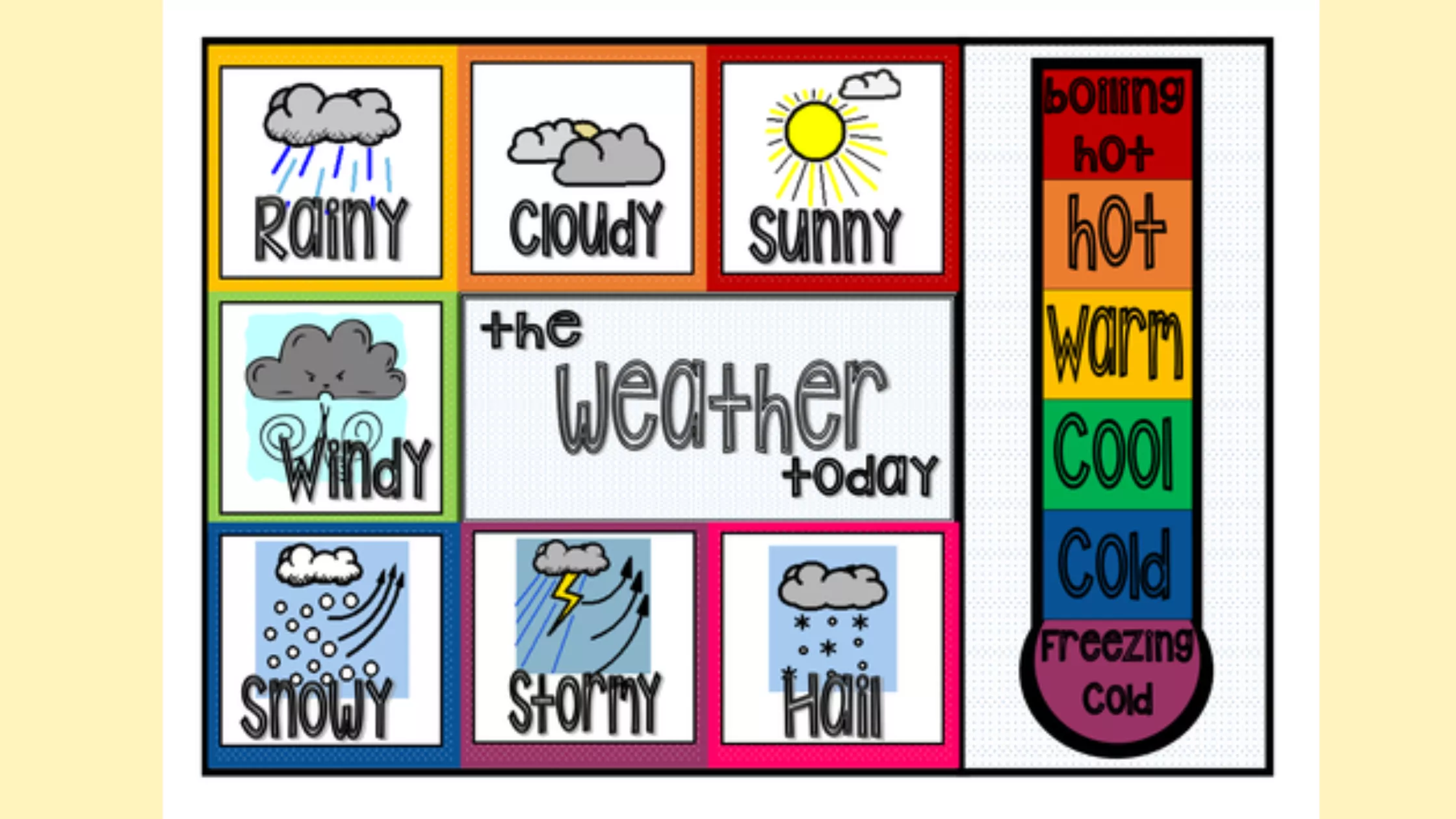
As the kids observe, think, compare, and use simple charts, they understand the pattern of nature and adapt accordingly.
Comes Under- Science, mathematics, and technology.
3. Building Block Challenge
Blocks challenge is an interesting activity where preschoolers use building blocks of different colours and shapes to build something amazing, like a tower, a bridge, or a whole city.
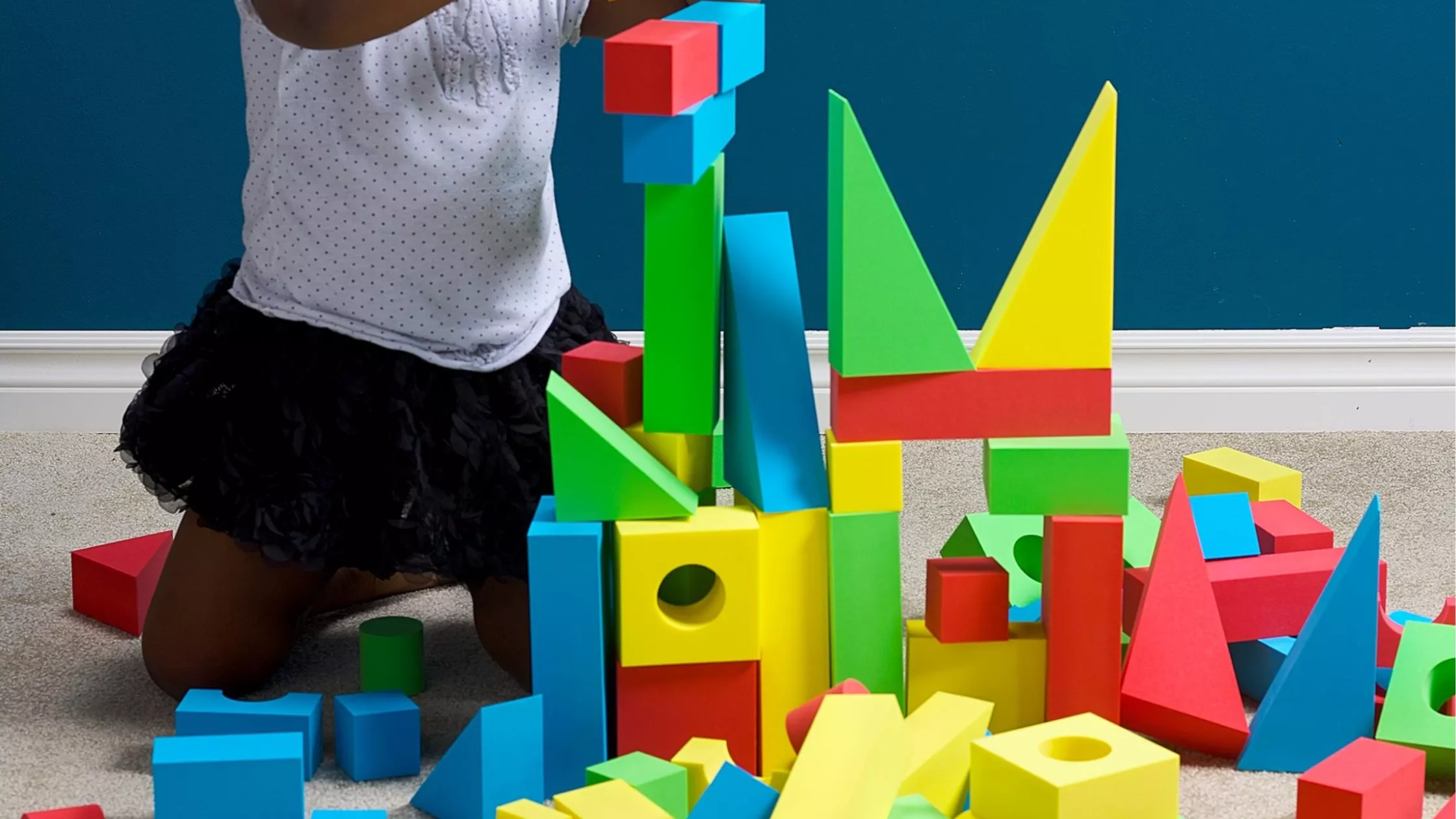
As kids try to build structures, they learn to logically think, plan, and experiment with balance, design, and shapes.
Comes Under- Science, engineering, and technology.
4. Outdoor and Indoor Shadow Play
Outdoor and indoor shadow play is an exciting science activity where kids discover how light creates shadow. Using a torch on objects like a spoon or a bottle, preschoolers learn about how the size and shape of shadows change.
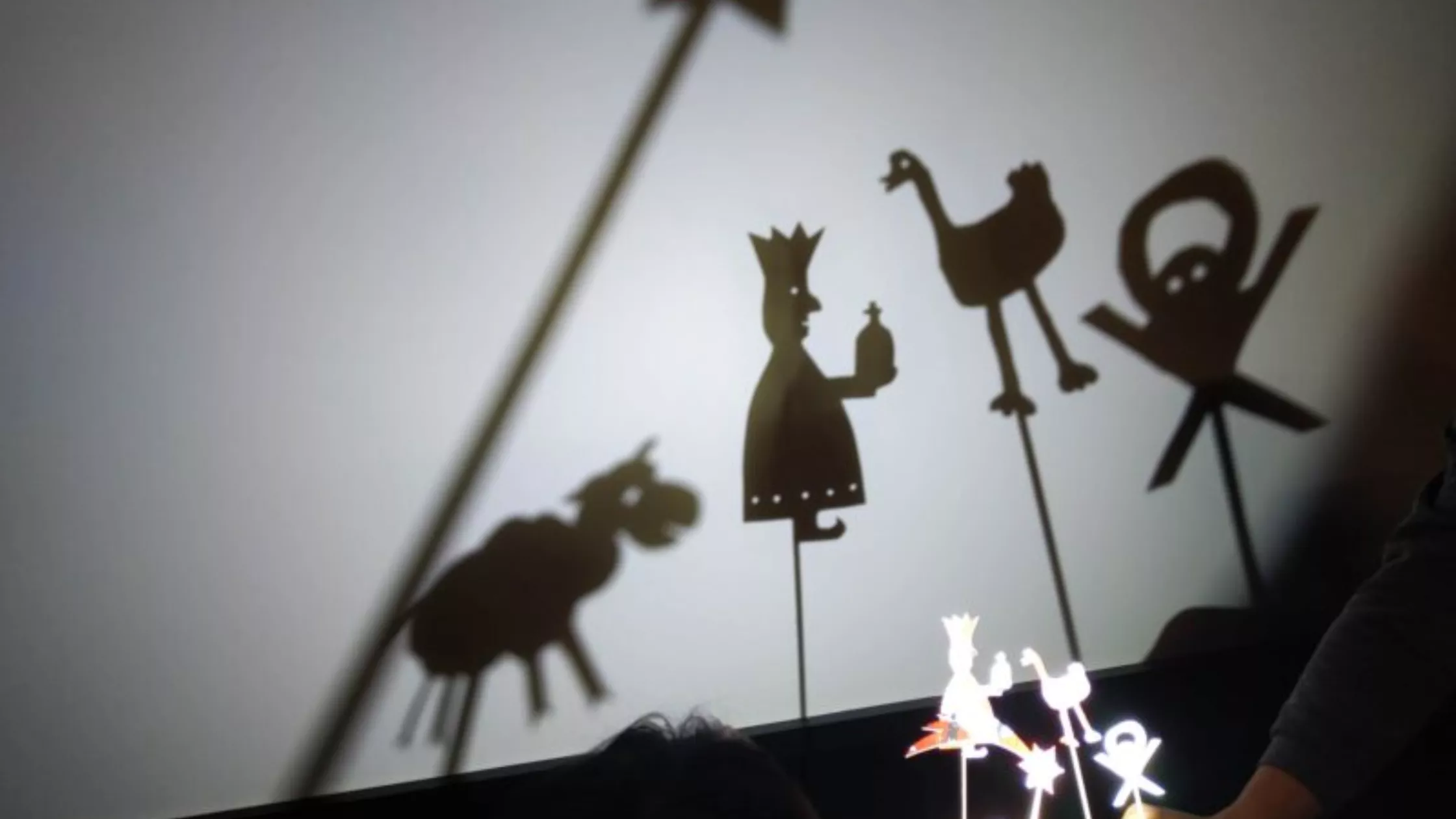
Through this activity, the kids understand light, shadows, and distance. As shadows change shapes because the objects are moved further or closer to the light, they learn about the cause-and-effect of light.
Comes Under – Technology and science.
5. Seed Planting
Seed planting is a hands-on activity in the classroom where preschoolers learn how to grow and take care of plants with their friends. Educators guide kids to fill small pots with seeds inside. Educators make every kid take turns watering the plant.
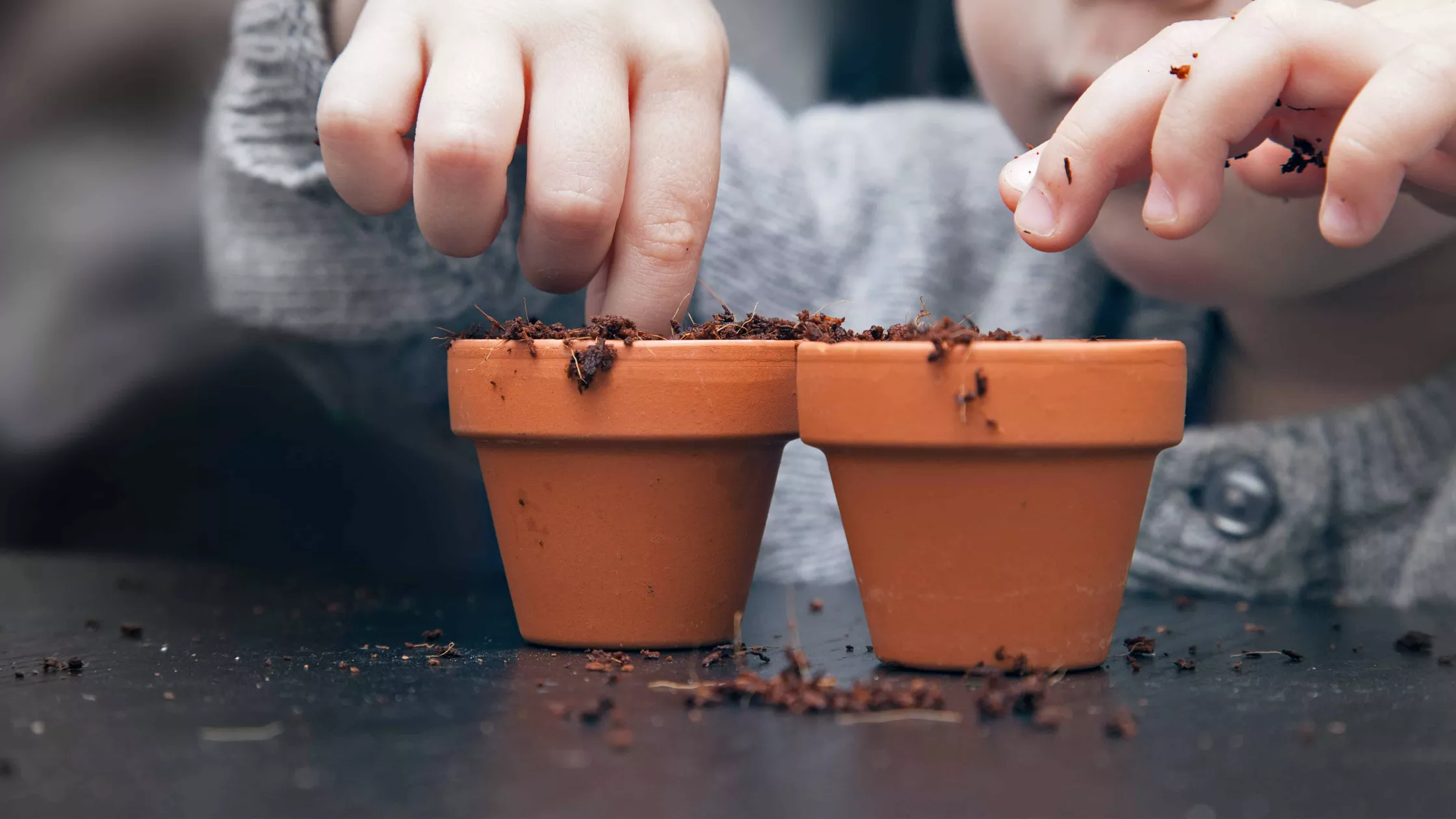
As seeds sprout and grow into plants, kids understand the life cycle of plants. They observe, predict, and explore what and how plants survive with soil, sunlight, water, and air.
Comes Under- Science
6. Categorise and Sort
Children use building blocks, animal, and bird toys to categorise and sort them according to size, colour, or food habits. Educators give instructions like ‘Which ones are blue’ or ‘Who eats grass’.
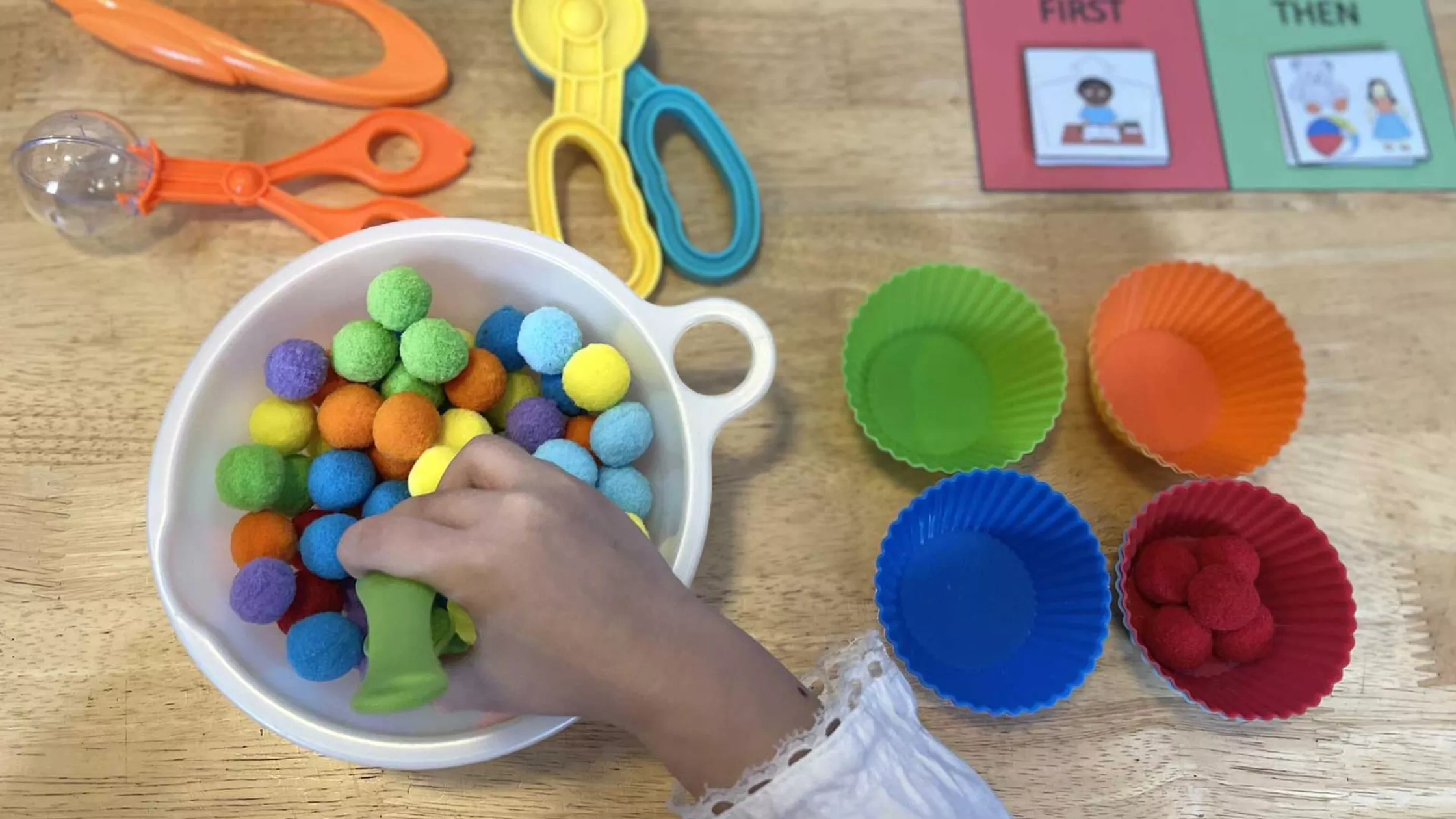
By sorting and categorising, preschoolers learn recognition, comparison, and classification, along with animal habitats and food habits.
Comes Under: Science
7. Use the Five Senses
Children discover different items like toys, food, fabrics, flowers, and fruits using their five senses: sight, hearing, smell, touch, and taste. Parents or educators guide the kids to guess the item by using only one of their senses.
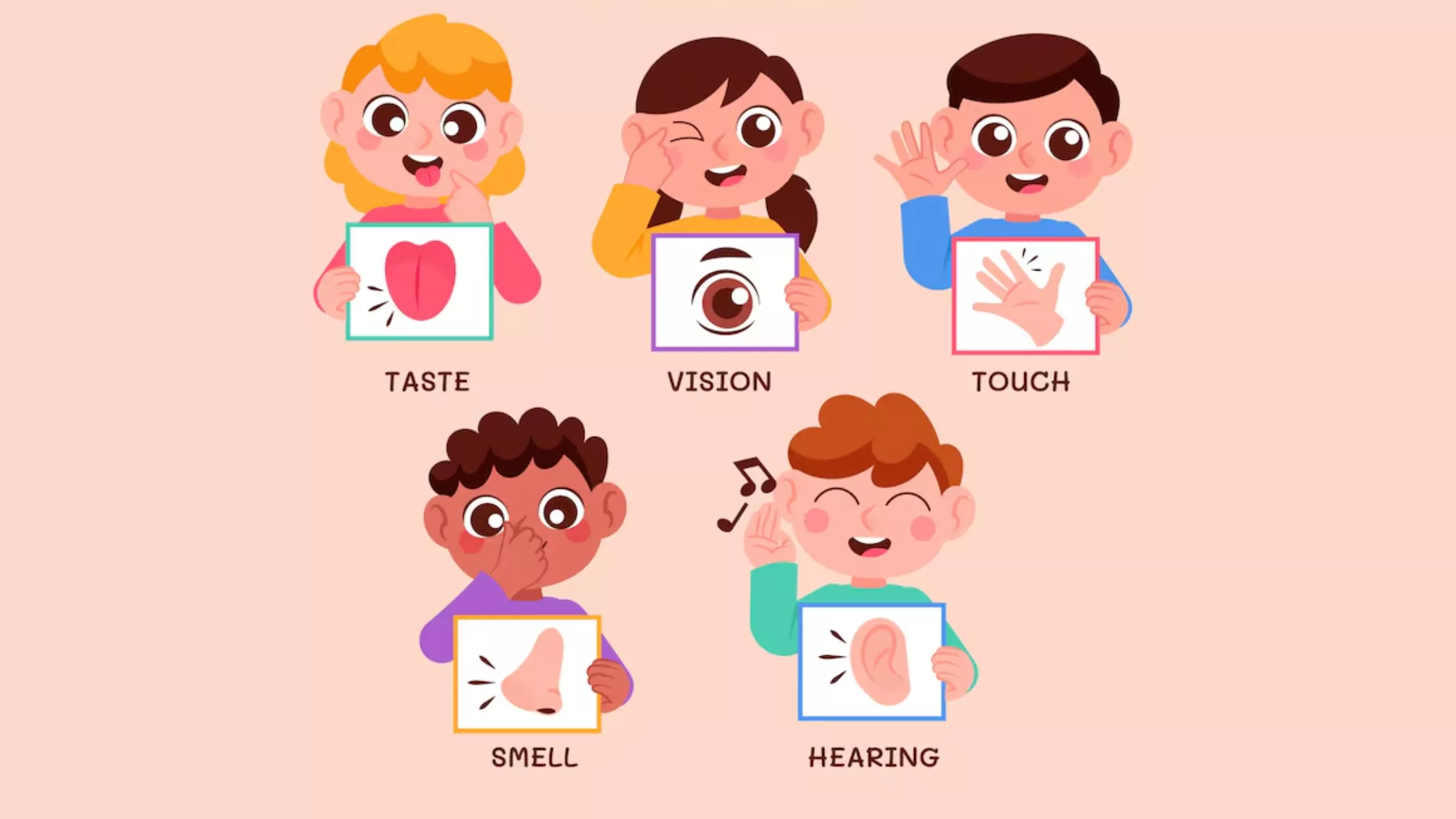
Through such easy STEM activities for preschoolers, they sharpen their understanding of senses, think critically to make observations, and use reasoning skills to answer.
Comes under: Science
8. Sink or Float
Preschoolers explore which objects float or sink by dropping different objects in a water bowl, such as a pencil, eraser, fruit, or crayon.
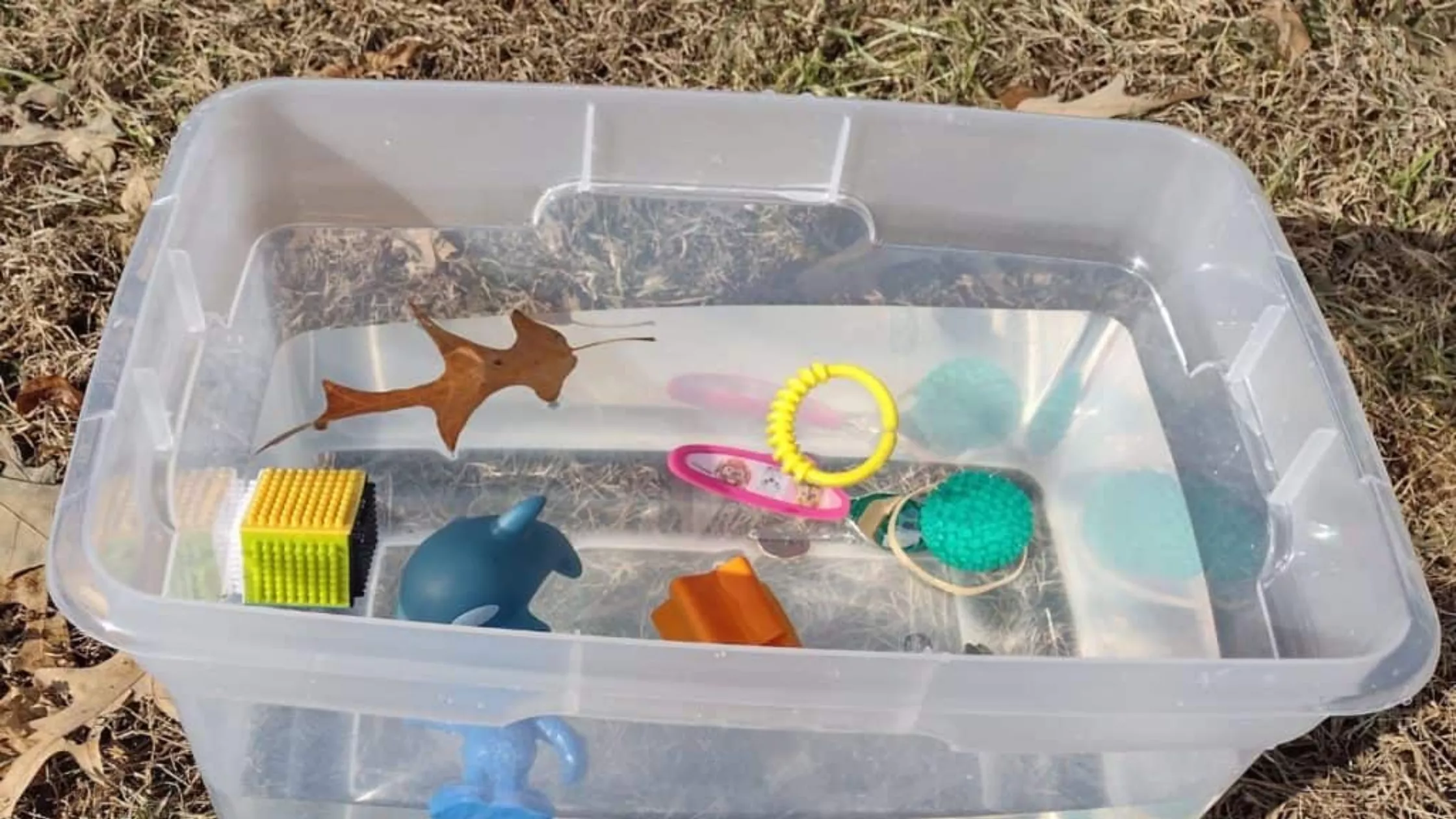
The kids improve their observation, scientific concepts like buoyancy and weight, test their ideas, and make predictions through this enjoyable activity.
Comes under: Science
9. Toothpick Engineering
Toothpick Engineering is one of the creative STEM activities for kindergarten, where kids use toothpicks to make patterns, different shapes, or structures.
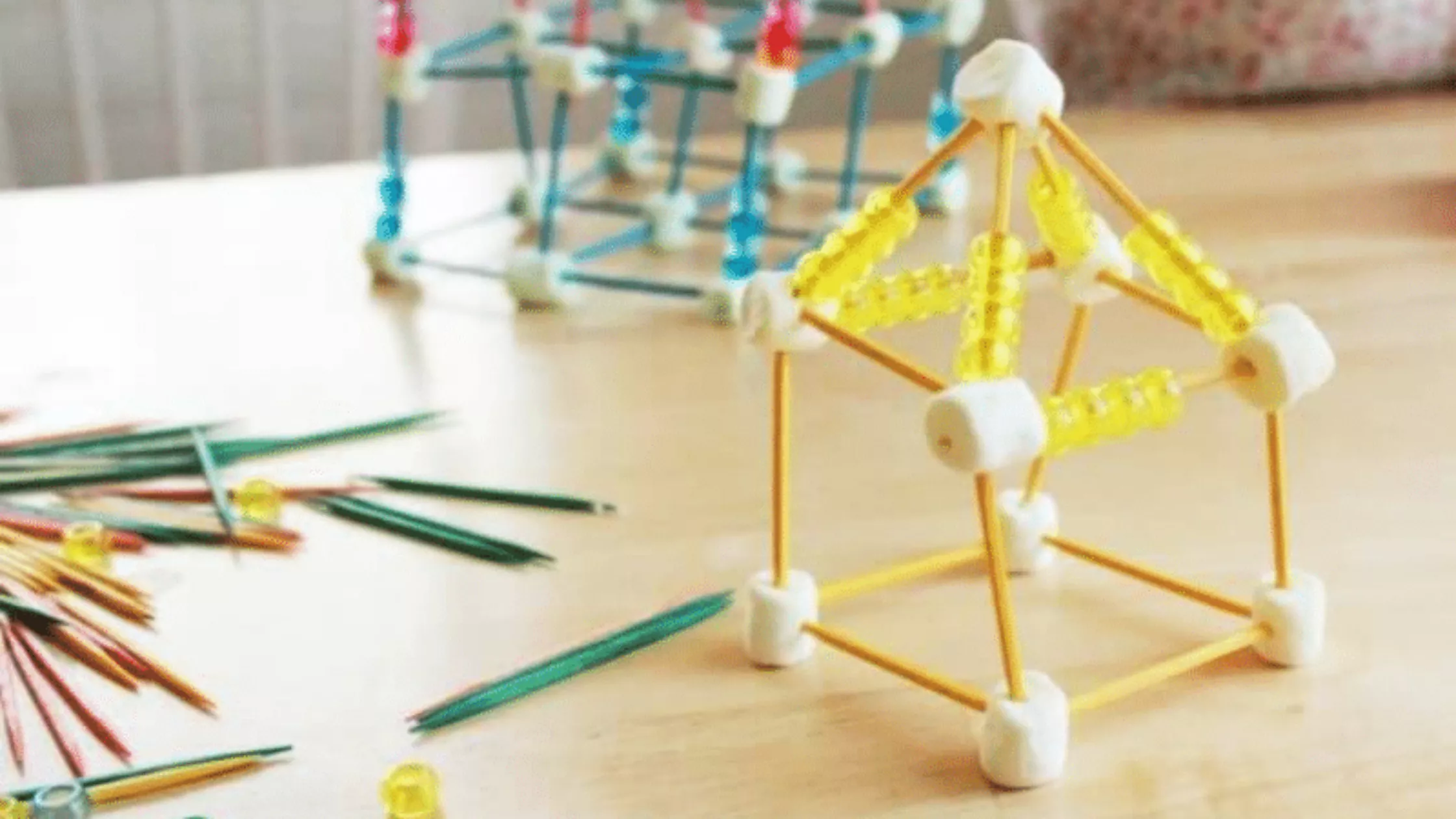
As they plan and experiment with the number of toothpicks, they learn the basics of mathematics and engineering.
Comes under: Science, engineering, and mathematics.
10. Ice Age Dinos
Ice-age dinos is a sensory STEM learning activity for kids where they use a brush to dig through flour to uncover hidden dinosaur toys. For extra points, educators ask kids to match the dinosaur with their picture card.
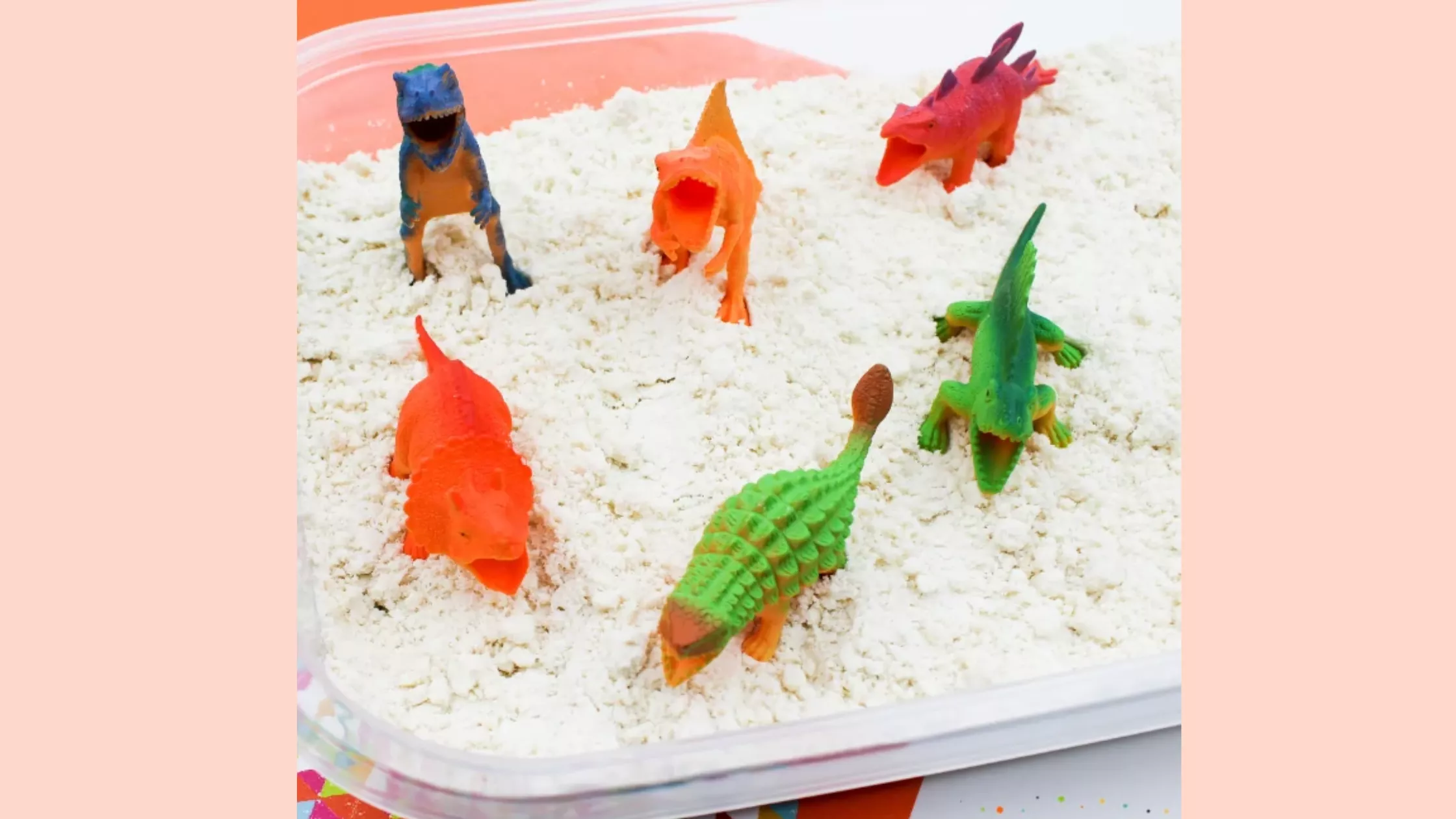
Through this digging game, kids learn to explore by using their critical skills. They improve their precision to find more toys by calculating where and how much flour is required to be brushed.
Comes under: Science and engineering.
11. Bubble Experiment
An entertaining experiment where the kids blow bubbles through a straw on paper to make beautiful and colourful circles. With guidance, children also make their own soap water with a little bit of colour.

Preschoolers learn the basic chemistry of how bubbles are formed. They observe and discover how their breath size changes bubble size, and therefore learn to calculate their breath to form bubbles accordingly.
Comes under: Mathematics and engineering.
12. The Egg Drop
The egg drop activity challenges preschoolers to create a container using paper and tape to keep an egg from breaking when dropped from a height.
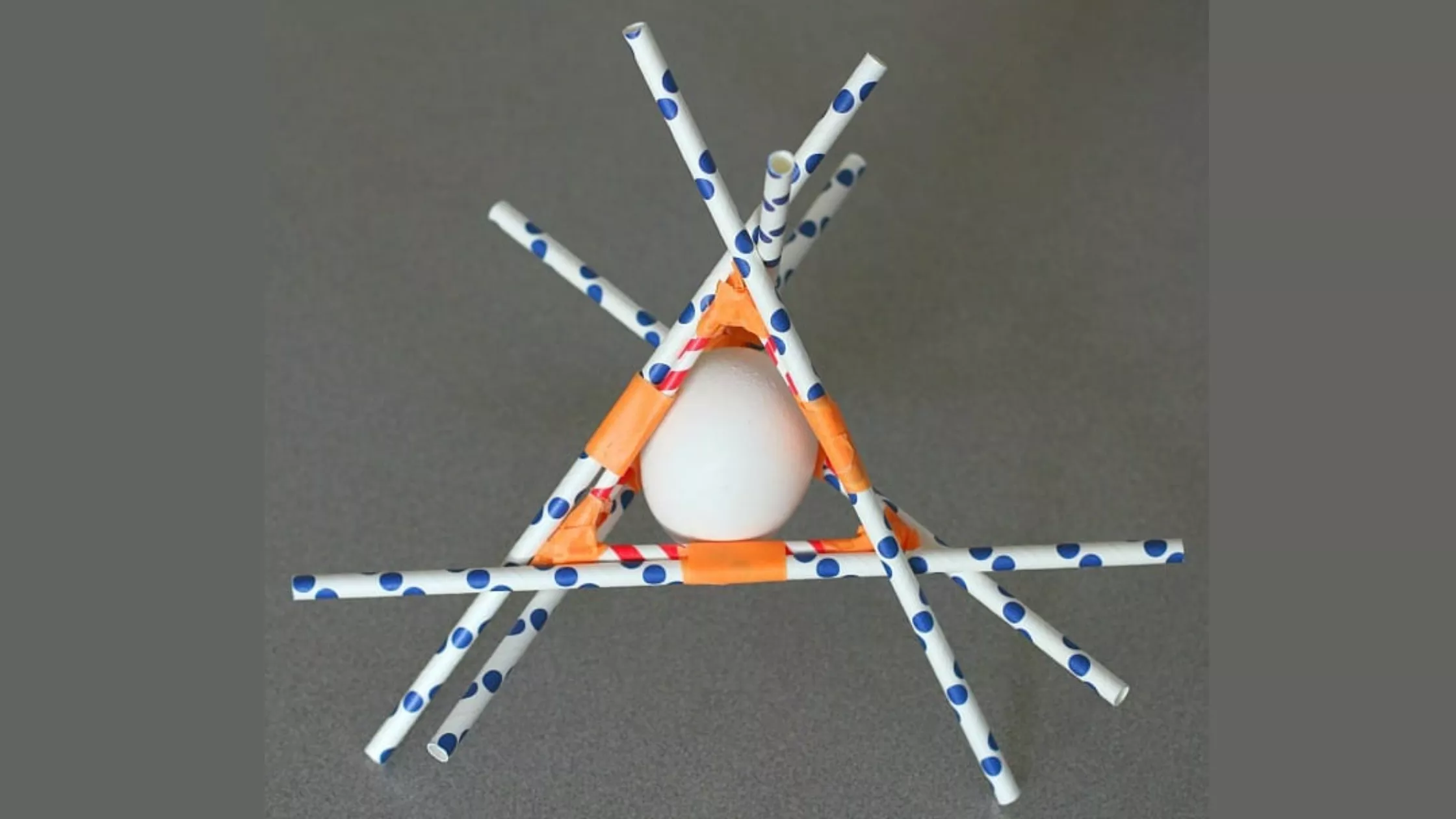
Children sharpen their creativity and problem-solving skills while designing the perfect case for a safe fall. They explore simple concepts of mathematics and engineering when they build, test, and modify the containers to win the challenge.
Comes under: Engineering and mathematics.
13. Build With Toothpicks and Marshmallows
A fun game for classrooms where kids play with toothpicks and marshmallows to build structures like houses, bridges, furniture, or towers.
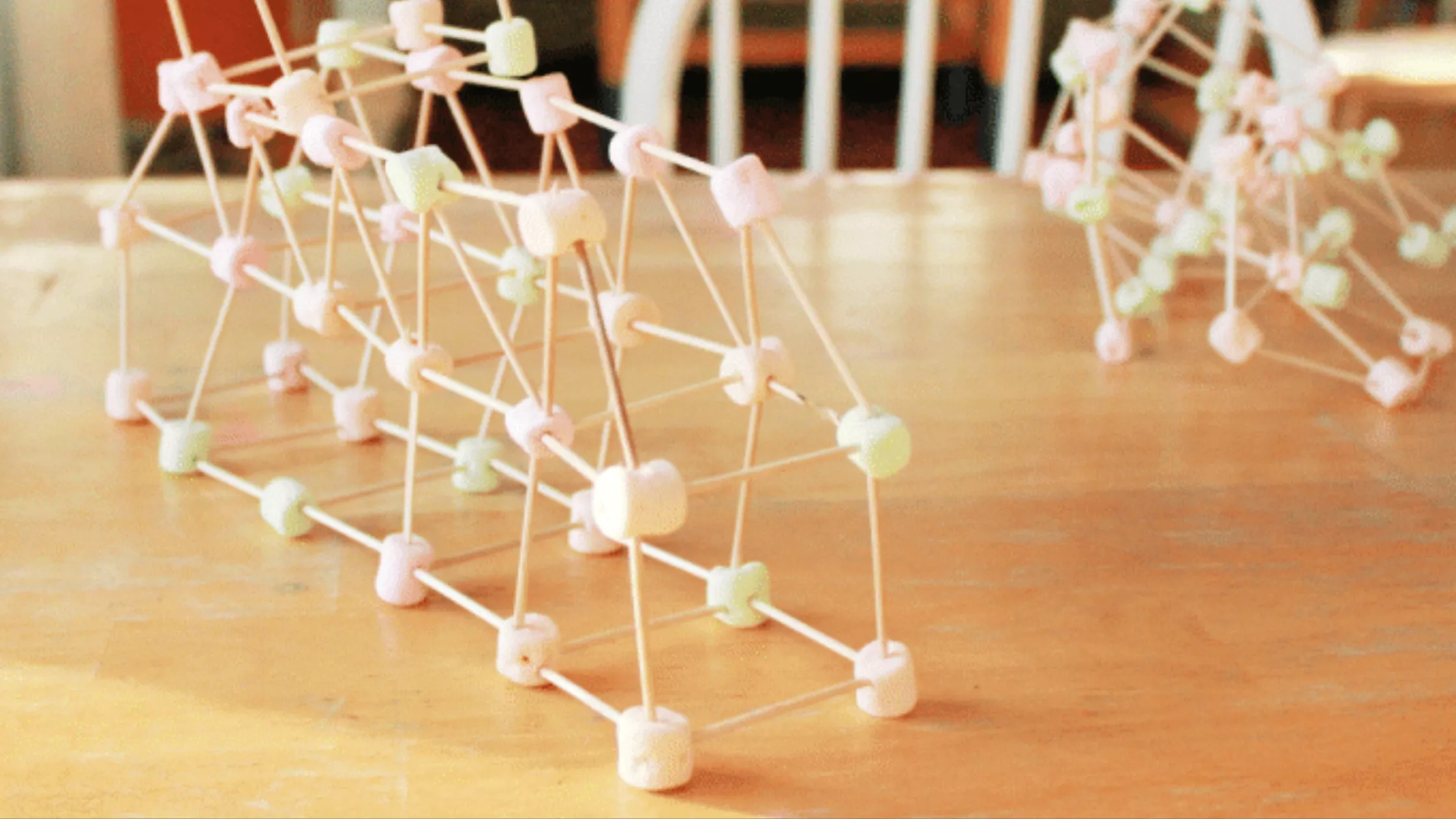
The preschoolers do basic calculations to use a precise number of toothpicks, experiment with shapes, and understand balance and geometry to build their designs. These help in boosting their creativity and problem-solving skills.
Comes under: Engineering and mathematics.
14. Magnets Experiments
A hands-on classroom activity where preschoolers discover the science of magnets by testing which objects attract and repel. Children test with household objects like a spoon, a pencil, board pins, spectacles, keys, and coins.

Through this fun testing game, kids learn about attraction, repulsion, and magnetic objects. They also use their scientific approach to understand cause-and-effect and build structures by sticking magnetic objects to a magnet.
Comes Under: Science and engineering.
15. Natural Dye
An enjoyable DIY activity where preschoolers press fresh flowers and leaves on a cloth to dye them in beautiful patterns. Educators guide the kids to press and dye.
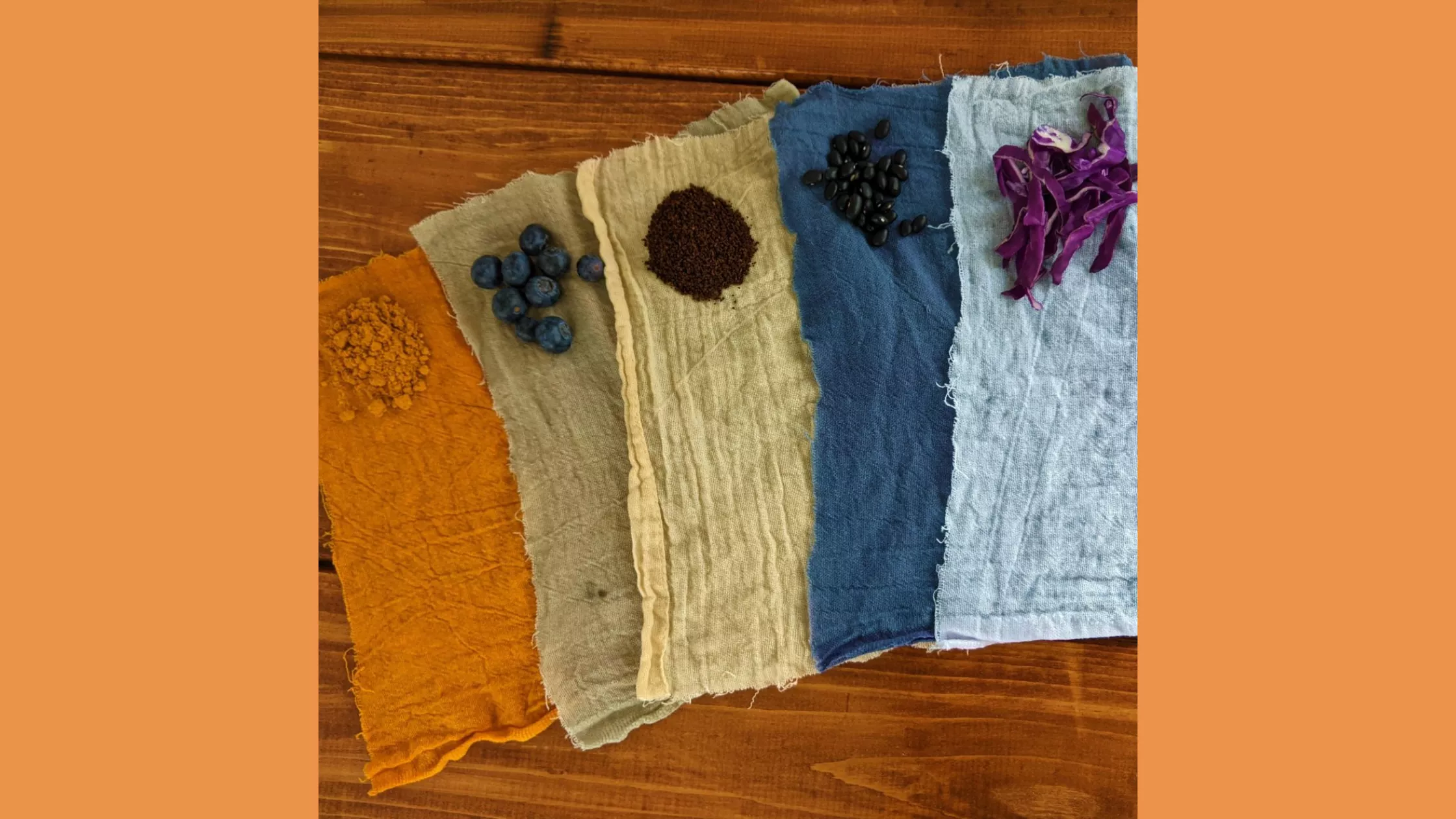
Through this fun craft, kids expand their knowledge of colours found in nature. They understand the chemical process of dyeing and become more curious to design and create more.
Comes under: Science.
16. Recycled Creations
One of the easiest STEM learning activities for kids is where they create a useful craft out of recycled materials like plastic bottles or popsicle sticks. Educators encourage the kids to use their imagination and create objects like a pen-stand or bird feeder.
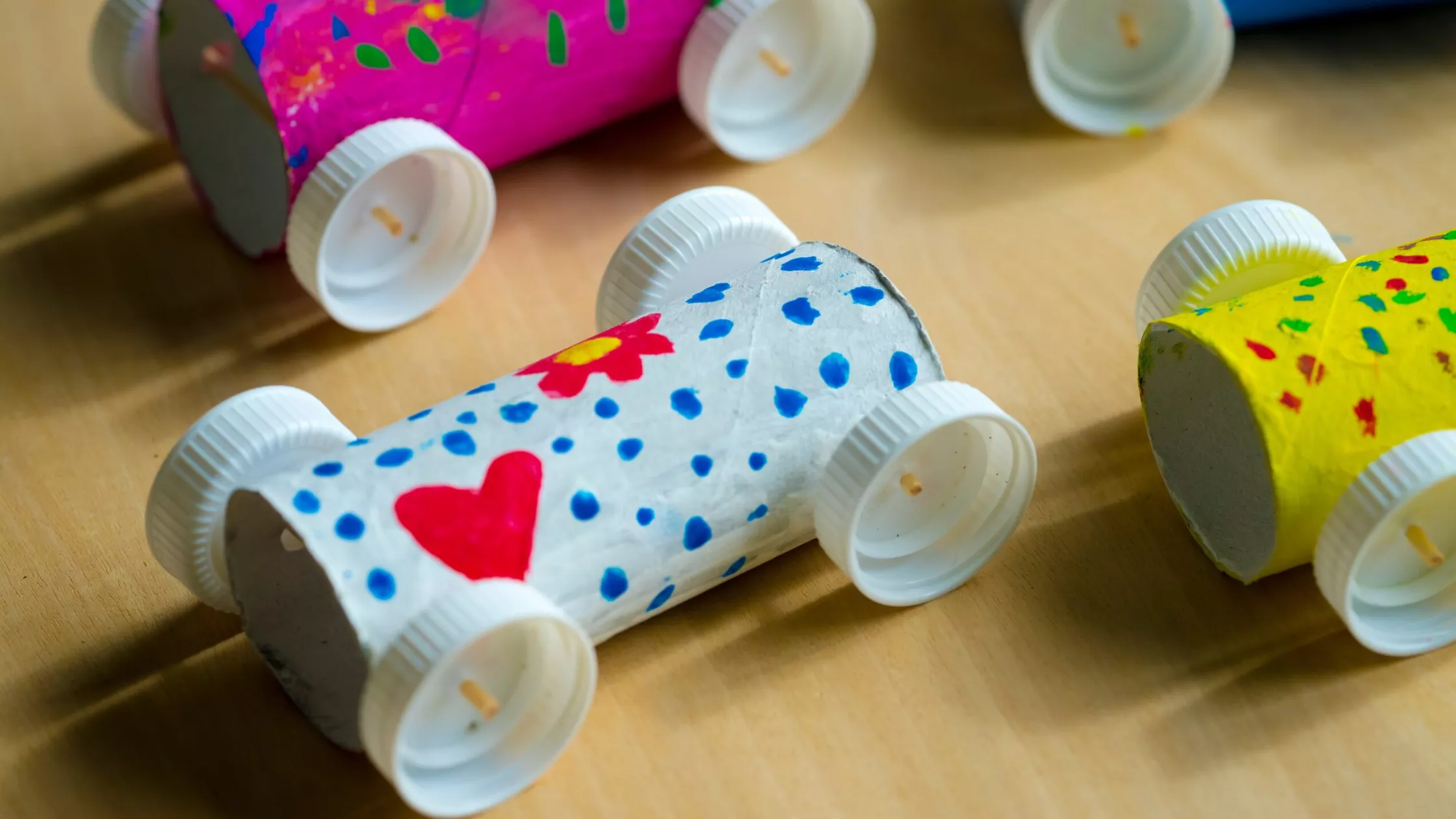
When children use their imagination, they are boosting their scientific and logical thinking to create a craft. Building crafts requires engineering skills like analytical thinking, adaptability, and understanding the math behind it.
Comes under: Science and engineering
17. Rain Gauge Activity
A handmade activity where kids learn to make their own rain gauge with a transparent container and labeling marks on it. Educators guide kids to keep their rain gauges outside the classroom to collect rain and then measure it.
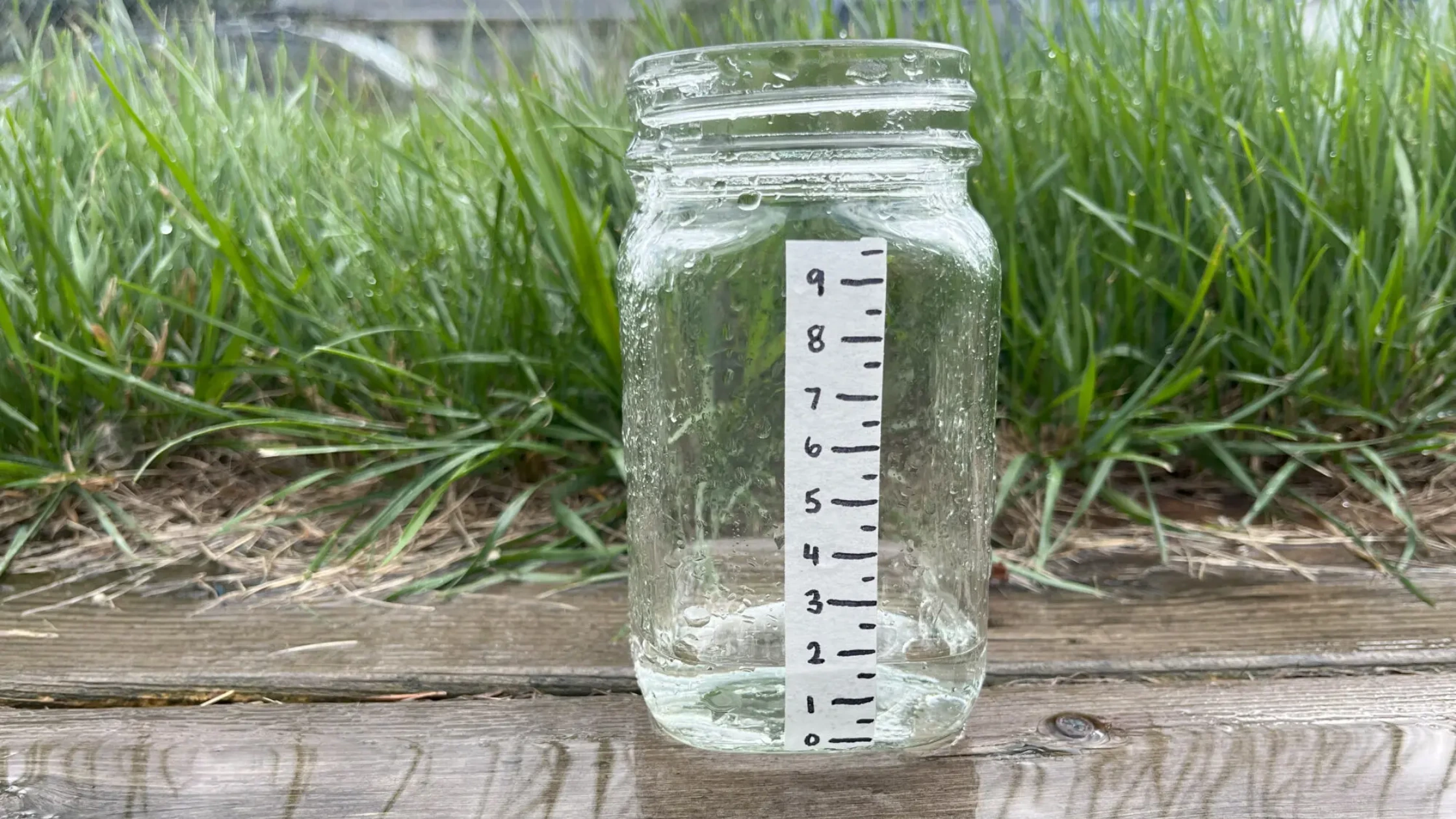
As kids observe the level of water collected, they learn to calculate the quantity of rainfall by using their logical and mathematical skills. They also improve their engineering skills when they craft their own scientific apparatus.
Comes under: Science, technology, and engineering.
18. Volcano Activity
A fascinating and simple experiment where preschoolers create their own mini volcano with baking soda and lemon juice. As preschoolers fill a container with soda and pour lemon juice, they watch the container fizzle like a real volcano.
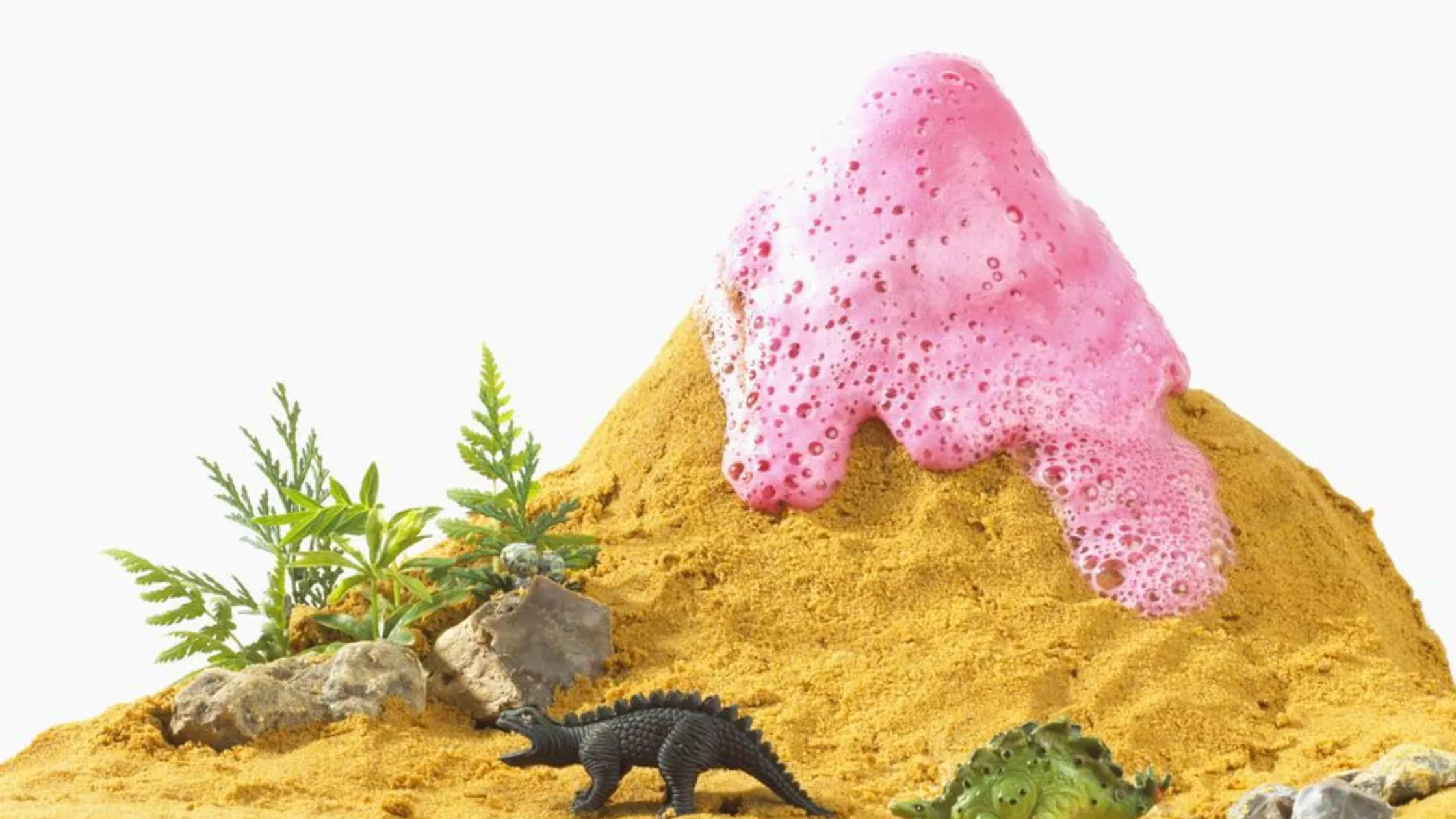
By doing this thrilling activity, they are learning about chemical reactions. Through calculating and carrying out tests again for different intensities of volcanoes, they are using their mathematical skills.
Comes under: Science and mathematics.
19. Marble Run
Marble run is an engaging activity where the preschoolers play with marbles, rolling them, aiming, or striking them against each other.
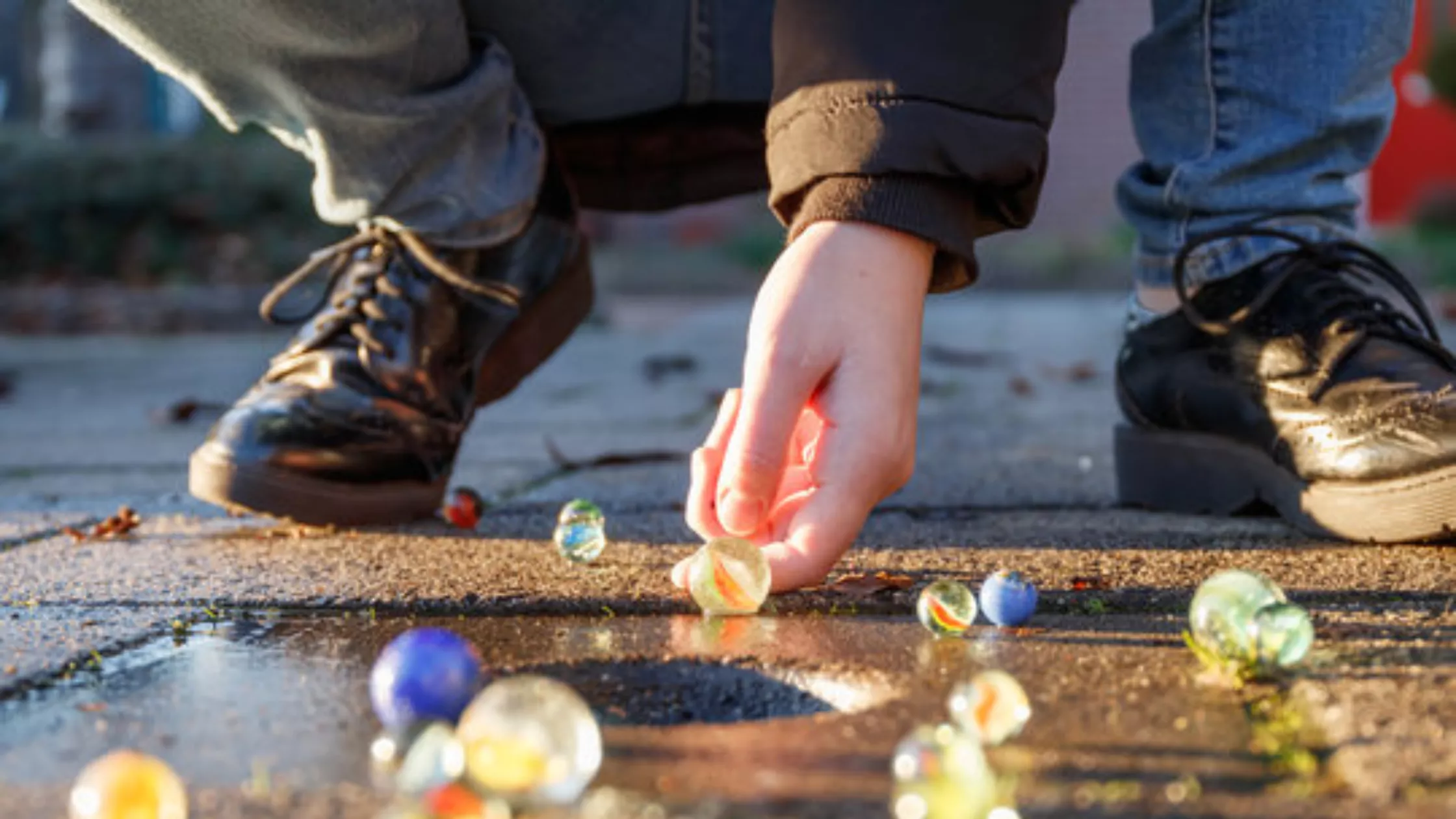
As children take up this playful challenge, they use their mathematical skills to figure out their angles, aim, and strike marbles.
Comes under: Mathematics.
20. Catapult Construction
Preschoolers participate in an interesting activity of building their own catapults using a spoon, popsicle sticks, and a rubber band.
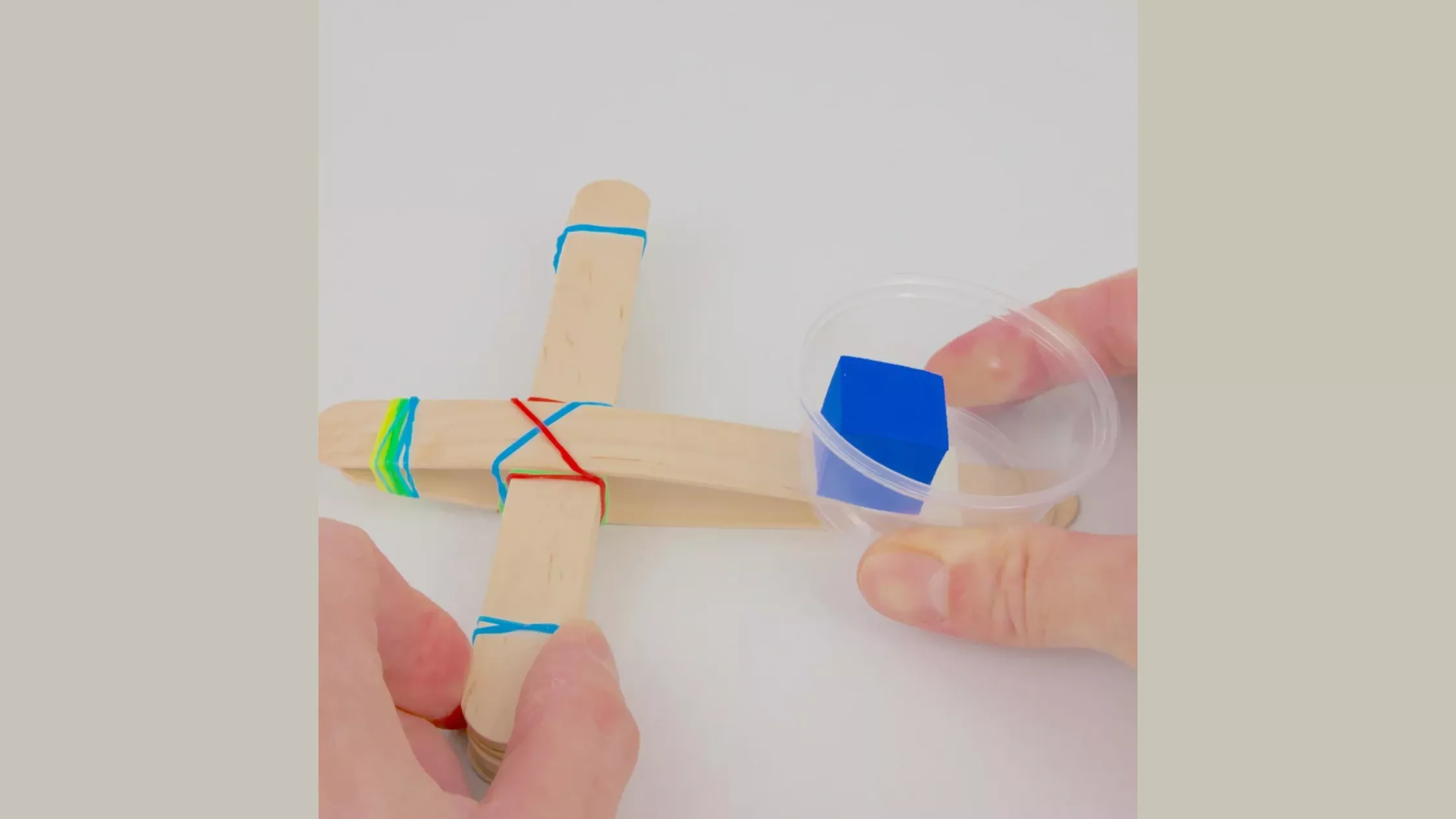
The kids launch small objects like erasers to test their invention. Through this, they learn to assess energy, force, and even sharpen their engineering skills when building the catapult.
Comes under: Engineering and mathematics.
21. Candy Gears
Candy gears is a colourful classroom activity for kids as they create their own mechanical gears by using candies around two circular lids, and then connect them. Kids observe how both gears move when only one is rotated.
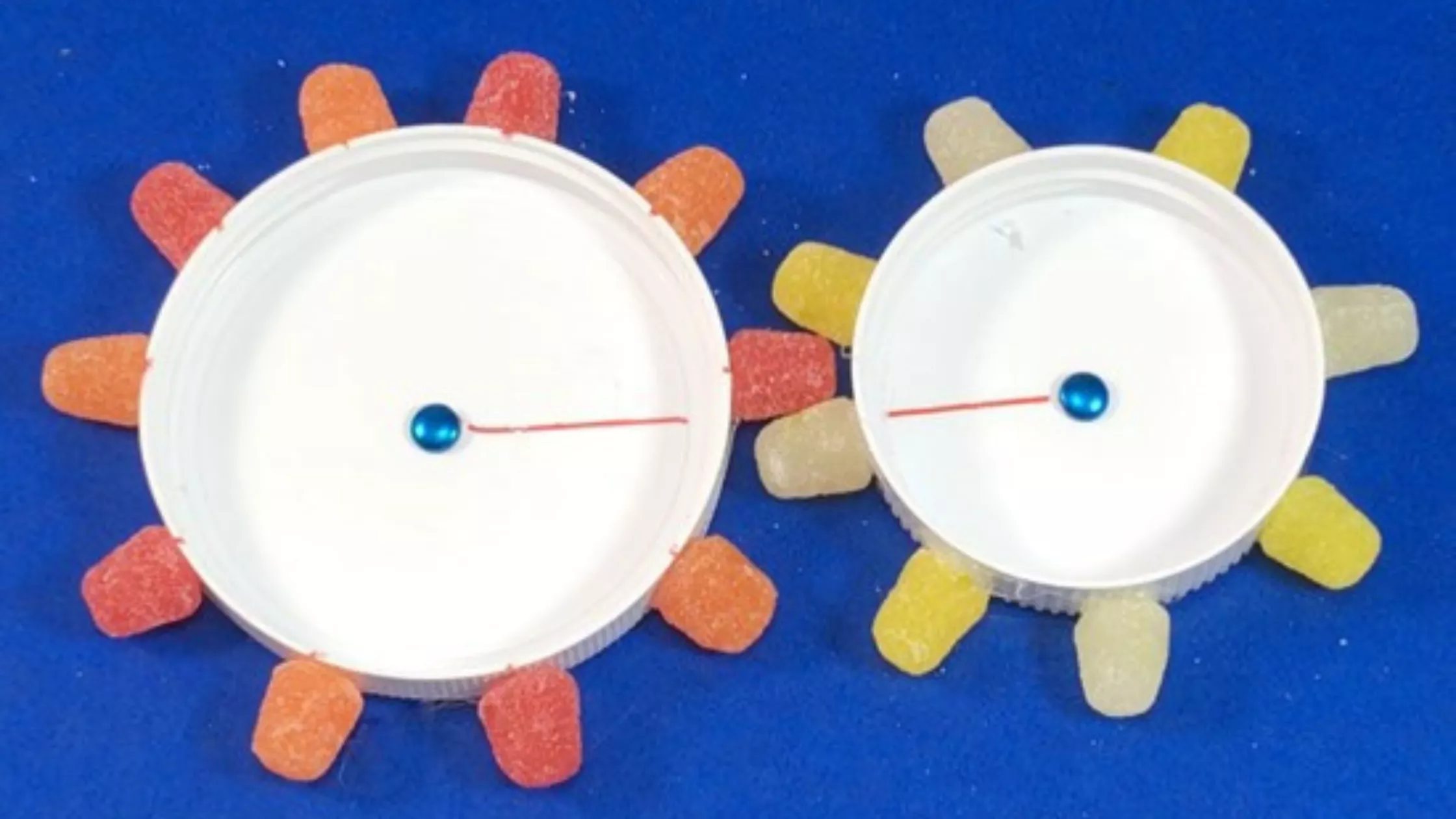
Kids discover the basics of engineering when they see how the gears work together. They predict and test the gear movements, all while having fun with candies.
Comes under: Engineering and technology.
22. Lava Lamp
Kids use their logical skills to build their own lava lamp using water, oil, food colouring, and a fizz tablet. The educators guide the kids to pour oil and drops of colour into the glassful of water. As the kids drop the fizz tablet at last, a magical and colourful blob rises up, which looks like lava.

This visually appealing activity encourages the kids to stay curious and learn about the chemical reactions, the density of liquids, and colour changes.
Comes under: Science.
23. Frizzing Rainbows Experiment
In this experiment, kids create frizzing rainbows using baking soda, food colouring, and lemon juice. With the guidance of an educator, kids drop rainbow colours on soda. When they pour lemon juice on coloured soda to watch them bubble.
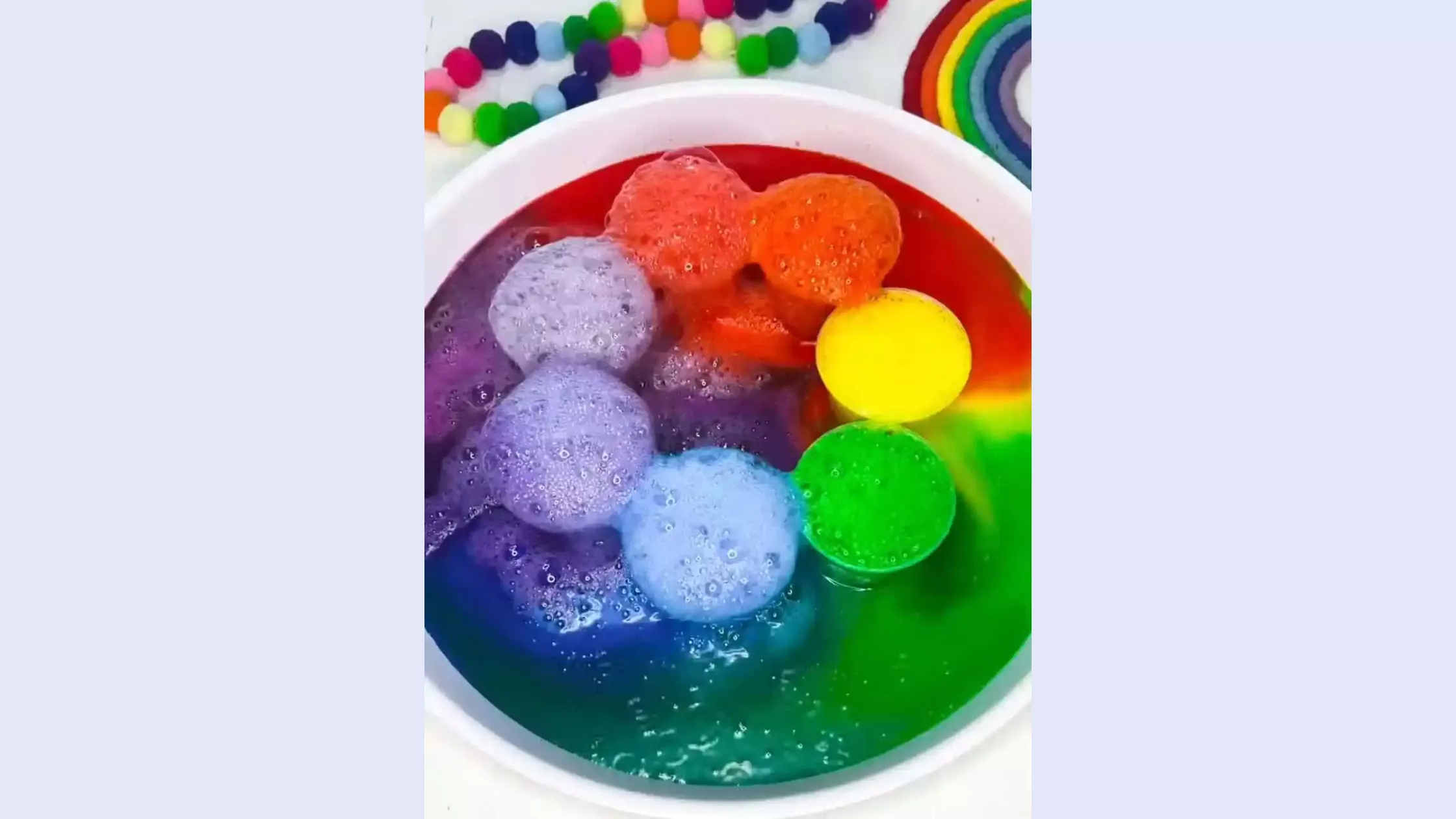
This hands-on activity teaches kids to experiment creatively using scientific observations and explore cause and effect to discover how reactions work.
Comes under: Science.
24. Cloud In A Jar
A magical weather experiment where kids make a tiny cloud in a jar with warm water, smoke, and ice. Teachers guide kids to trap hot water in a closed container and keep an ice pack on it. As warm air rises, clouds form in the container due to the cold ice on top.
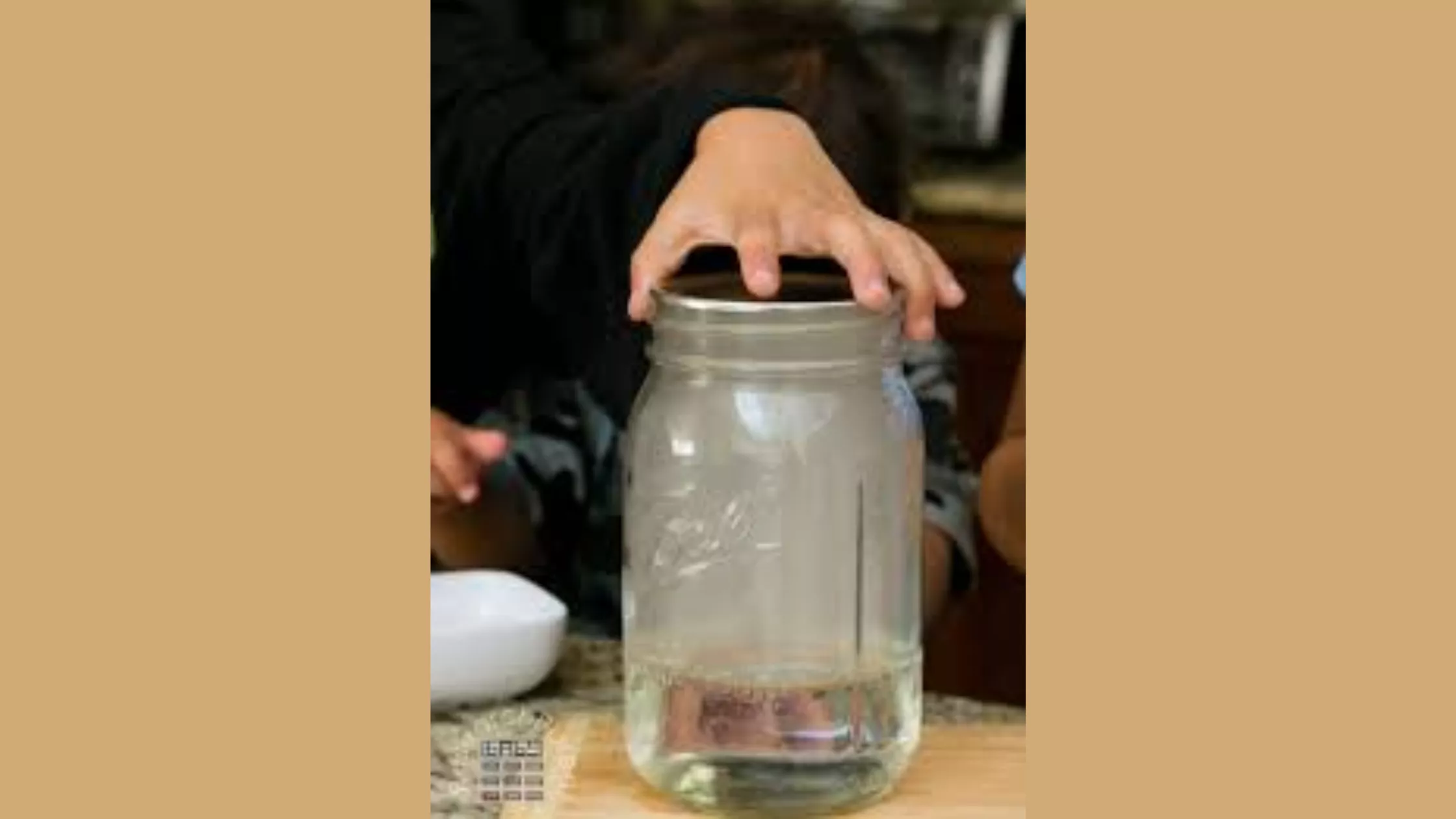
With this, kids discover how clouds are made, understand the water cycle, and sharpen their reasoning skills when they observe weather changes.
Comes under: Science.
25. Math Sticky Note
In this activity, teachers write numbers on sticky notes and write simple equations on the board, like 2+3 or 6-2. The preschoolers are encouraged to choose the right numbered sticky note and stick it as the answer.
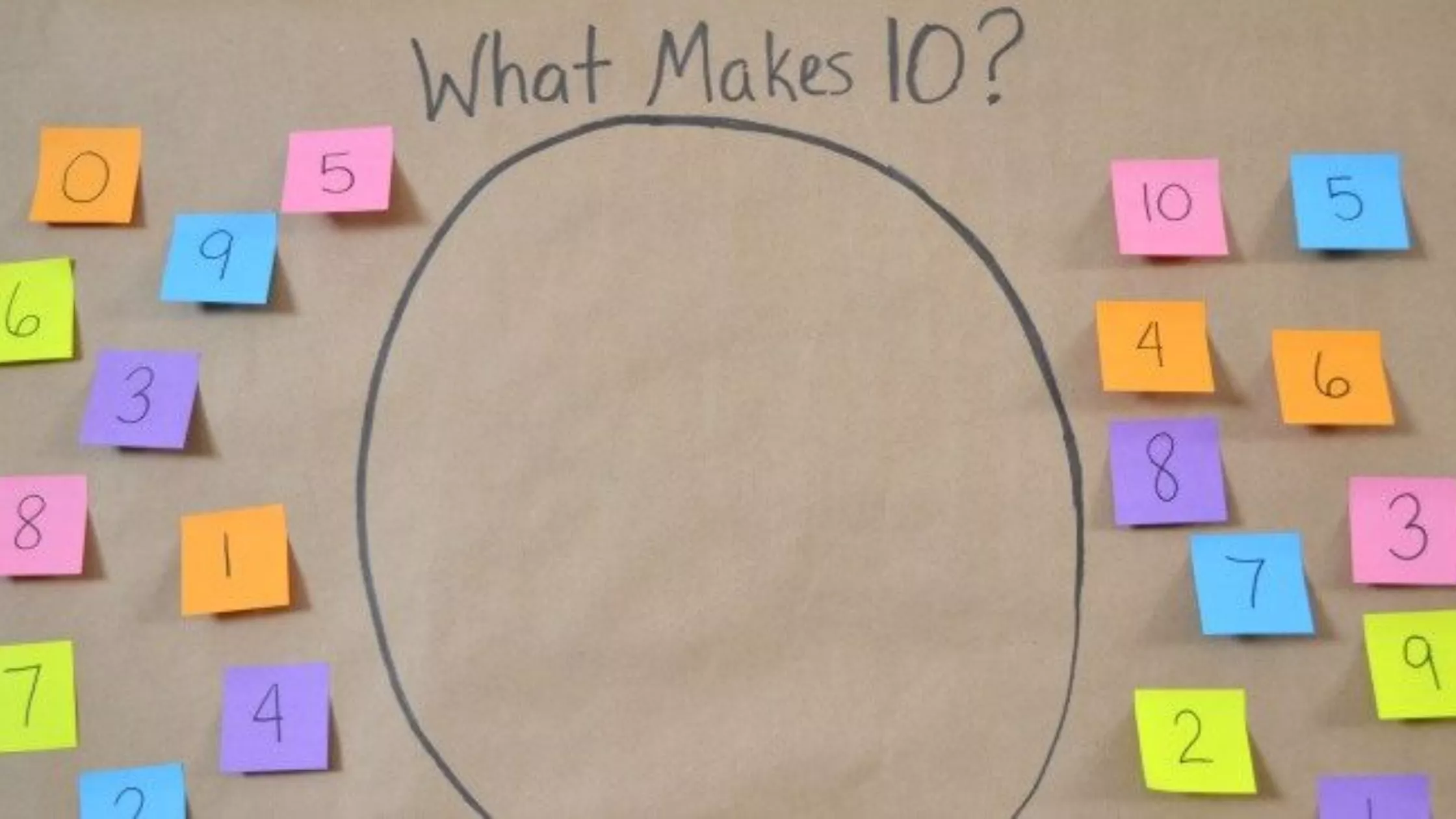
This math activity is an interactive way for kids to learn counting and simple operations like addition and subtraction.
Comes under: Mathematics.
Benefits of STEM Activities for Children
1. Develop Critical Thinking Skills
STEM learning activities for kids encourage them to ask questions, use logical skills to analyse, and use problem-solving abilities to find solutions.
2. Enhance Creativity
As children design, build, and experiment, they critically think to explore new ideas or concepts and therefore creatively express their imagination.
3. Improve Fine Motor Skills
Easy STEM activities for preschoolers, like sticking popsicles, rolling marbles, or using toothpicks for constructions, help them improve their fine motor skills.
4. Boosts Confidence
STEM activities for kids where they use their own ideas to build or design give them a sense of control and accomplishment. Hence, these activities boost their confidence to take future challenges positively.
5. Foster Curiosity and Learning Love
When kids engage in STEM-based activities, they grow a love for learning as they engage in interactive learning activities rather than just reading.
Key Takeaways
At KLAY Preschools and Daycare, we understand that a good foundation in STEM leads to a lifelong love for learning. The STEM activities’ meaning at KLAY is to help preschoolers explore science, technology, engineering, and math through simple plays like building blocks or finger painting. Our curriculum, KLAYEdge, blends hands-on learning with everyday experiences so that kids take up learning naturally. Let’s look at some takeaways:
- Children learn best through play, curiosity, and real-world exploration, especially through STEM.
- At KLAY, hands-on STEM play sparks imagination and problem-solving skills.
- Early exposure builds confidence and a lifelong love for learning.
- STEM activities and play make learning fun and encourage children to ask questions, experiment, and find creative solutions.
- STEM can be incorporated anywhere, even at home, with simple items!








Subscribe to our newsletter
[contact-form-7 id="12706" title="Newsletter Form for post page"]Our Related Blogs
Yoga Benefits, Activities, and Poses for Preschoolers
For preschoolers, yoga isn’t about perfection but about giggles and benefits. So, are you curious how a simple stretch can support a child’s focus, flexibility, and emotional well-being? Let’s roll...
Year-End Reflection and Goal Setting for Children
Parenting is a journey filled with the brightest moments and valuable lessons, both for us and our children. As the year draws to a close, it’s the perfect time to...
Work-Life Balance Solutions for Parents in Emerald Hills Rd, Sector 65, Gurugram: The KLAY Daycare Advantage
Finding the perfect balance between professional commitments and parenting is a challenge for many working families in Gurugram. Parents in Emerald Hills Rd, Sector 65, especially, look for childcare solutions...