



 76767 08888



Key Takeaways
- Social skill development in kids helps them communicate, manage emotions, and build healthy relationships.
- Strong social abilities positively influence learning, behaviour, and long-term success.
- Social skills develop best through daily interactions, play, and consistent adult guidance.
- Families, schools, and communities all play a role in nurturing these essential life skills.
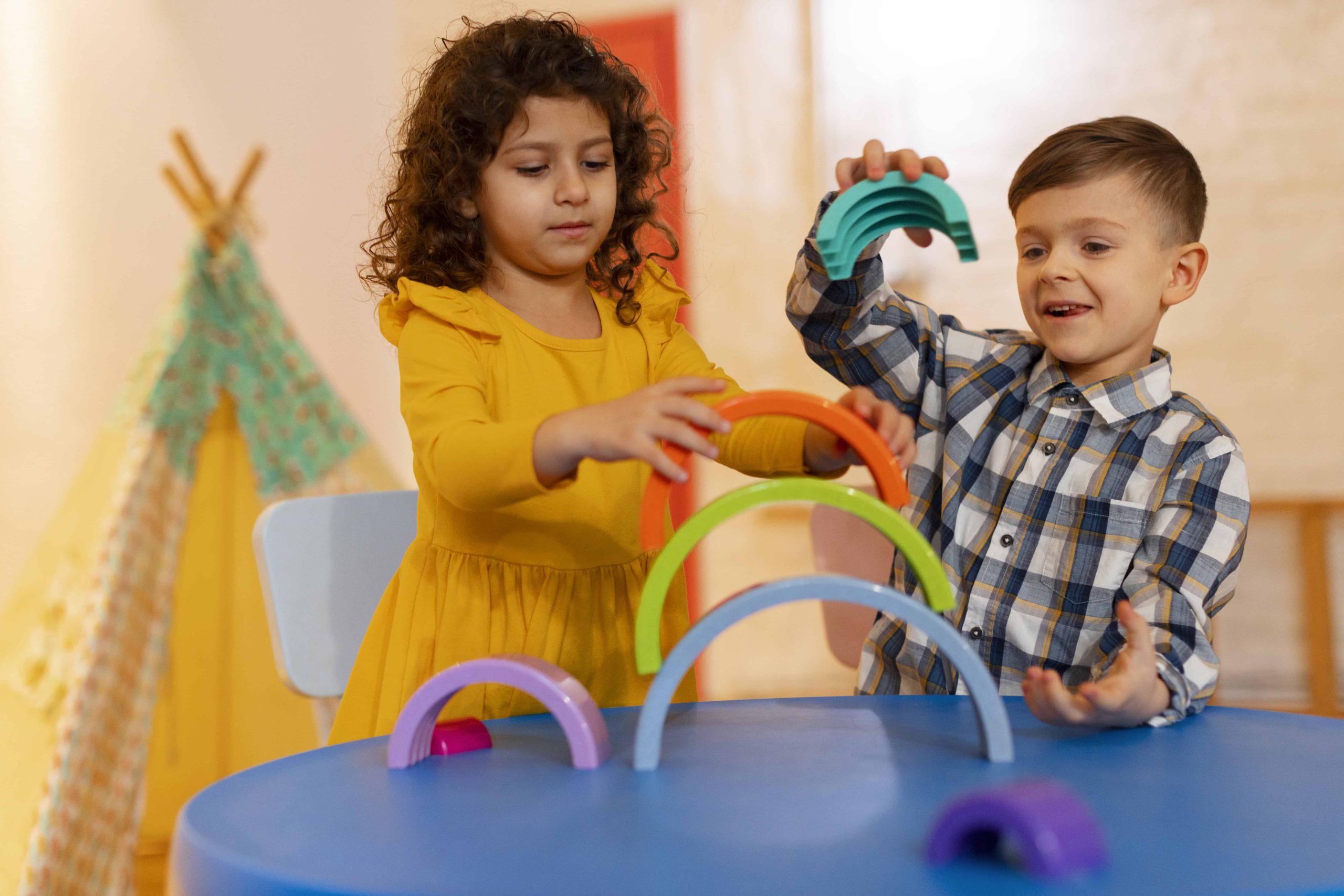
Developing social skills for kids helps them participate confidently in group settings. Strong social abilities support academic learning, friendships, discipline, and emotional well-being, while also laying the foundation for future success in personal and professional life.
What Are Social Skills?
Social skills are the abilities that kids use to interact effectively with others in everyday situations. These include communicating needs clearly, listening and responding appropriately, understanding emotions, showing empathy, following social rules, and reading social cues.
Children develop these skills gradually through play, observation, guidance, and repeated practice in real-life settings, such as conversations at home, group activities at school, and interactions within the community.
Why Are Social Skills Important for Kids?
Strong social abilities support many areas of a child’s development. Some key benefits include:
- Healthier relationships: With social skills, kids learn how to make friends, cooperate, and resolve conflicts respectfully.
- Better emotional regulation: Social awareness helps children understand and manage their feelings.
- Improved academic engagement: Communication and teamwork skills support classroom learning.
- Higher self-confidence: Positive social interactions strengthen self-esteem and independence.
- Future readiness: Early social competence supports leadership, adaptability, and career success later in life.
10 Core Social Skills for Kids: Essential Skills to Develop
Social abilities grow step by step. The following skills form the foundation of healthy interaction and emotional growth.
-
Communication Skills
Effective communication includes speaking clearly, listening attentively, and using appropriate body language. Children learn to:
- Express their needs
- Wait for their turn to speak
- Adjust their tone based on whom they are talking with, whether it is elders, teachers, or peers
These skills help children feel understood and respected in social settings.
-
Empathy & Emotional Understanding
Empathy allows children to recognise emotions in themselves and others and respond with care. Comforting a friend who fell or noticing when someone feels left out are early signs of emotional awareness. Developing social-emotional skills helps children navigate India’s multilingual and multicultural environments with sensitivity and respect.
-
Cooperation & Teamwork
Working together teaches children how to share, take turns, and respect different opinions. Group projects, team games, and school assemblies help children practise collaboration while learning that collective effort often leads to better outcomes.
-
Respect & Politeness
Greeting elders, saying “please” and “thank you,” and following social norms in different settings help children understand boundaries and mutual respect. Further, as kids develop their social skills, they also learn culturally appropriate manners that help them navigate society.
-
Self-Control & Patience
With social skills, children gradually learn to manage frustration, wait their turn, and cope with disappointment. These abilities are especially important in busy classrooms and large family environments, where patience supports harmony and focus.
-
Conflict Resolution
Disagreements are a natural part of social life. And this social skill allows kids to learn how to talk through their problems, compromise, and negotiate. These help them handle conflicts without aggression, whether on the playground or at home with siblings.
-
Problem-Solving Skills
Social problem-solving involves thinking independently while knowing when to ask for help. Everyday situations, such as sharing toys or completing group tasks, help children practise decision-making and responsibility.
-
Assertiveness
Assertiveness allows children to express opinions respectfully and stand up for themselves without being aggressive. Understanding how to say “no” in uncomfortable situations helps children protect their personal boundaries safely.
-
Friendship Skills
Building and maintaining friendships requires kindness, trust, and communication. Children with social skills learn to appreciate diversity, including different languages, traditions, and beliefs, which strengthens inclusion.
-
Adaptability
Children face frequent changes, such as moving schools or adjusting to new routines. With the help of adaptability, they can manage transitions calmly and stay socially connected despite change.
Social Skill Activities for Kids: Practical Ways to Encourage Social Interaction
Social learning becomes meaningful when children practise skills in real situations. The activities below help children apply social abilities naturally and consistently.
-
Family-Based Activities
- Mealtime conversations encourage children to listen, take turns speaking, and express thoughts.
- Role-play scenarios, such as greeting guests or asking for help, build confidence and help them put their social skills to the test.
- Cooperative chores teach responsibility and teamwork while strengthening family bonds.
-
School & Classroom Activities
- Group projects and presentations promote communication and shared responsibility.
- Circle time gives children a safe space to share thoughts and feelings.
- Interactive games like “Pass the Smile” or collaborative storytelling help children practise empathy and cooperation.
-
Play-Based Practices
- Board games reinforce turn-taking and rule-following.
- Team sports such as cricket, kho-kho, or football teach collaboration and respect for teammates.
- Cultural games and dance groups connect social learning with tradition and joy.
-
Community Engagement
- Participating in festivals, celebrations, and local events helps children understand social roles and shared values.
- Community clean-ups and neighbourhood activities foster responsibility and respect for diversity.
-
Structured Skill-Building Programmes
- Clubs such as theatre groups, debate teams, or communication workshops provide guided practice.
- Mindfulness and emotion-regulation sessions help children manage stress and respond calmly in social situations.
Explore KLAY’s Foundational Development Program, designed to build strong physical,
cognitive, and social skills from an early age.
Social Skill Training for Kids: How to Teach Social Skills to Kids Effectively
Teaching social abilities requires consistency and patience. The following approaches support everyday learning:
- Model positive behaviour: Children learn by observing how adults communicate and resolve conflicts. So ensure that as an adult, you are modelling behaviour that you want them to adopt.
- Use daily moments: Everyday interactions provide natural teaching opportunities. You can make your child do small social tasks like greeting elders, talking to their friends, and letting them initiate conversations.
- Practise through role-play: Acting out scenarios builds confidence and understanding. Encourage role-play through fun activities like making them greet guests or letting them ask for your help.
- Reinforce learning through play: Games make practice enjoyable and memorable. Ensure a stress-free environment for play-based learning.
- Encourage peer interaction: Social growth happens through shared experiences. If your child is of the right preschool age, then preschools are the best way to encourage peer interaction in kids.
- Teach emotions & empathy: Naming feelings helps children respond thoughtfully. Help your child understand their emotions better by encouraging them to name their feelings. Ask them to tell what they feel when doing certain activities.
- Respond with empathy: Compassionate responses encourage emotional openness. Be empathetic with them and respond calmly.
- Strengthen listening skills: Active listening supports respectful communication. Show them how listening is also a part of social mingling by projecting it yourself.
- Offer gentle feedback: Praise effort and guide improvement calmly.
- Normalise mistakes: Make kids understand that errors are part of learning and growth. So, normalise making mistakes.
- Stay consistent & patient: Social skills develop gradually over time. You just have to stay consistent and be patient with the child. Avoid comparing a child with other kids. Every child is different, and they grow at their own pace.
Conclusion
Social skills are essential life tools that shape how children learn, connect, and grow. By nurturing them through everyday interactions, play, and guidance, adults help children build confidence, empathy, and resilience. When families, educators, and communities work together, children gain the social foundation they need to thrive academically, emotionally, and socially, both now and in the future.
FAQs:
How can I teach my child social skills?
Teaching social skills to kids involves modeling positive behavior, practicing through role-play, and explicitly coaching core abilities like sharing, active listening, and conflict resolution. Break concepts down into concrete steps rather than vague commands, and use everyday interactions as real-time learning opportunities.
What causes poor social skills in kids?
Poor social skills in kids can stem from developmental conditions, mental health challenges, or a lack of practice and guidance. Common causes include autism, ADHD, anxiety, language delays, and limited social opportunities.
What are good social skills activities?
Good social skills activities include interactive icebreakers like Two Truths and a Lie, cooperative games like cooperative building, and expressive exercises like emotion charades. These tasks help people of all ages practice active listening, reading body language, turn-taking, and empathy in a fun, low-pressure setting.
How to help a child with poor social skills?
To help a child with poor social skills, practice key behaviors at home through role-playing, model positive interactions, and arrange small, structured playdates. Break down skills like conversational turn-taking, reading facial expressions, and sharing into small, manageable steps with positive reinforcement.
How to improve social skills in kids?
To improve social skills in kids, practice positive communication at home, model good manners and empathy, use role-playing for hard situations, and set up fun group play. Guide them through sharing, reading body language, and active listening in safe, low-stress environments.
What are the benefits of social skills for kids?
Social skills are the abilities children use to interact, communicate, and play with others. Learning these skills at an early age provides major benefits: it helps kids build better friendships, improves school performance, boosts self-confidence, and teaches them how to solve problems and manage big feelings.










Subscribe to our newsletter
[contact-form-7 id="12706" title="Newsletter Form for post page"]Our Related Blogs
Yoga Benefits, Activities, and Poses for Preschoolers
For preschoolers, yoga isn’t about perfection but about giggles and benefits. So, are you curious how a simple stretch can support a child’s focus, flexibility, and emotional well-being? Let’s roll...
Year-End Reflection and Goal Setting for Children
Parenting is a journey filled with the brightest moments and valuable lessons, both for us and our children. As the year draws to a close, it’s the perfect time to...
Work-Life Balance Solutions for Parents in Emerald Hills Rd, Sector 65, Gurugram: The KLAY Daycare Advantage
Finding the perfect balance between professional commitments and parenting is a challenge for many working families in Gurugram. Parents in Emerald Hills Rd, Sector 65, especially, look for childcare solutions...