



 76767 08888



Key Takeaways
- Preschool report card comments should highlight the child’s growth, behaviour, and learning journey.
- Thoughtful remarks for report card strengthen parent-teacher communication and encourage continuous development.
- Effective comments follow a simple flow: start positive, note areas for growth, and end encouragingly.
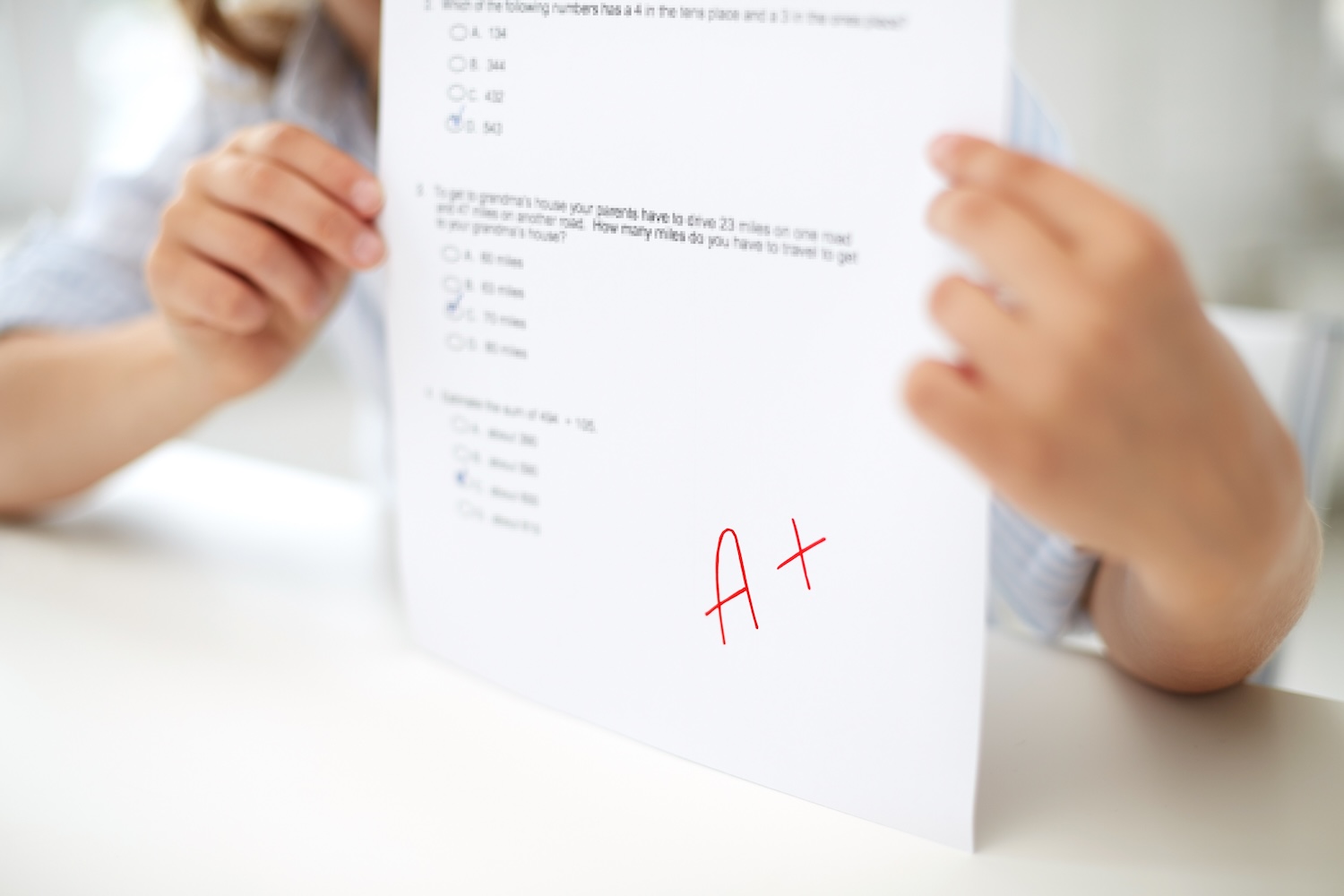
Report cards for early learners go beyond grades and academic performance. They’re aimed at reflecting their growth, curiosity, and progress. For preschool and kindergarten teachers, writing quick report card comments can often feel tricky. You want to capture every milestone, celebrate achievements, and gently highlight areas that need attention, while keeping your feedback warm and constructive.
What are Report Card Comments & Why Do They Matter?
Report card comments are brief, insightful reflections—often shared as teachers comments on students progress report—that communicate a child’s development and progress in early learning. Adding thoughtful preschool report card comments is necessary to help parents understand their child’s journey, reassure them that their little one is developing beautifully, and celebrate their individuality.
Here’s why well-written report card remarks matter:
- Strengthens parent-teacher communication.
- Encourages children by recognising effort, not just achievement.
- Identifies learning styles, social behaviours, and emotional readiness.
- Reflects a teacher’s understanding of each child’s unique potential.
How to Write Effective Preschool & Kindergarten Report Card Comments
Writing comments that are both personal and purposeful makes report cards more meaningful. Keep these simple tips in mind:
- Start positively – Begin with what the child does well.
- Add examples – “Shows curiosity when learning new shapes.”
- Address growth areas gently – “Needs reminders to share toys.”
- End on an encouraging note – “Looking forward to more progress next term!”
Example template:
“[Name] shows enthusiasm during group activities and is developing confidence in expressing ideas. With continued encouragement, [he/she] will improve focus during independent tasks.”
Examples of Report Card Comments for Preschoolers in India
Based on different categories, here are 50+ quick report card comments and examples you can use to write in report cards:
-
-
Academic Development Report Card Comments
Literacy Skills (Reading, Writing, Phonics)
- [Name] recognises most letters and enjoys listening to stories during reading time.
- Demonstrates growing confidence in identifying sounds and simple words.
- Enjoys picture reading and can narrate what’s happening in images, showing early literacy skills.
- Needs more practice in forming letters neatly.
- Expresses interest in rhymes and storytelling sessions.
- Responds well in English. Can form basic sentences to introduce [himself/herself].
- Can identify their name and a few common sight words.
- Shows phonemic awareness when participating in group reading.
- Understands and follows simple written instructions independently.
Numeracy Skills (Counting, Shapes, Numbers)
- [Name] enjoys number games and can count confidently up to 50.
- Can identify and name basic 2D and 3D shapes.
- Recognises simple patterns and sequences independently.
- Developing understanding of quantities (more/less) during play.
- Enjoys counting blocks, beads, and using visuals for problem-solving.
- Needs encouragement to form numbers neatly.
- Can solve simple addition and subtraction problems using pictures.
- Shows curiosity about numbers even beyond classroom activities.
-
Social and Emotional Development Report Card Comments
- [Name] shows kindness and empathy towards peers and teachers.
- Adjusts well to new environments and routines.
- Enjoys group activities and respects others’ opinions.
- Learning to express emotions calmly during disagreements.
- Demonstrates leadership during small group play.
- Sometimes needs support to share and take turns.
- Builds friendships easily and is inclusive.
- Shows confidence in social interactions but needs reminders to manage frustration.
- Understands classroom rules and follows them independently.
- Thrives when given responsibilities such as tidying up or helping peers.
Related Read: Social Emotional Skills -
Communication and Language Development Report Card Comments
- [Name] expresses ideas clearly using complete sentences.
- Vocabulary is expanding steadily.
- Participates enthusiastically in show-and-tell sessions.
- Listens attentively during storytime and responds thoughtfully.
- Needs gentle reminders to speak more loudly and confidently.
- Enjoys learning new rhymes and songs.
- Understands and follows multi-step instructions well.
- Uses descriptive words to express thoughts and experiences.
Related Read: Speech and Language Development Chart for Kids -
Motor Skills Development Report Card Comments for Preschoolers
Fine Motor Skills
- [Name] can hold crayons, pencils, and scissors with control.
- Enjoys art, craft, and cutting activities.
- Can button, unbutton, and zip bags independently.
- Needs more practice and patience to strengthen [his/her] hand coordination.
- Demonstrates precision in colouring and tracing.
Gross Motor Skills
- [Name] loves outdoor play and movement sessions.
- Shows coordination while running, hopping, or balancing.
- Follows instructions well during physical games.
- Enjoys dancing, yoga, and sports activities.
- Needs reminders to play safely around peers.
-
Creativity and Imagination Related Report Card Comments
- [Name] expresses creativity through art, music, and pretend play.
- Enjoys building imaginative structures using blocks and clay.
- Creates interesting stories during free play sessions.
- Engages deeply in dance and role play.
- Needs light guidance to stay focused during creative activities.
-
Report Card Comment for Independence and Responsibility
- [Name] takes pride in completing assigned classroom tasks.
- Manages belongings responsibly and independently.
- Follows daily routines without reminders.
- Needs gentle encouragement to tidy up after play.
- Enjoys being a classroom helper and helping peers.
-
Behaviour and Participation
- [Name] listens attentively and respects classroom norms.
- Participates with enthusiasm in all learning activities.
- Demonstrates curiosity and a positive learning attitude.
- Occasionally distracted but easily redirected with encouragement.
- Needs some encouragement to participate in classroom discussions.
- Responds well to praise and constructive feedback.
-
End-of-Term or General Comments
- [Name] has shown wonderful progress this term and displays a love for learning.
- Participates eagerly in class discussions and group work.
- With continued encouragement, [he/she] will thrive academically and socially.
- A joy to have in class. Always brings positivity and laughter!
- Shows great readiness for the next learning milestone.
-
Tips for Teachers When Writing Preschool Report Card Comments
To provide proper insights to parents, it’s essential to craft personalised and meaningful remarks. This can take a significant amount of time, but it’s worth it.
Before you begin, here are some quick tips to follow:
-
-
- Personalise every comment. Generic phrases may save you time, but they are not enough to give parents an insight into what their child is doing in the classroom.
- Ensure that you continuously stress growth seen in the student rather than highlighting how perfectly they perform tasks. This shifts the narrative and encourages motivation.
- Use positive phrasing, even when addressing challenges. You can say “a little encouragement can help them achieve [this objective]”.
-
FAQs
-
-
-
How do I write positive comments for preschoolers?
To write positive report card comments for preschoolers, start by acknowledging what the child does well. Focus on their effort, participation, or kindness. Positive comments inspire confidence and motivation.
-
Should I include weaknesses in report card comments?
Yes, but you need to phrase them constructively. So, instead of saying “struggles to listen,” you could write “is learning to stay focused during instructions.”
-
How can I make comments sound encouraging and not critical?
To make weaknesses sound more encouraging than critical, balance feedback with appreciation. Pair every growth point with a positive statement about effort or progress. For example, instead of saying “often forgets instructions”, you can say “is becoming more confident in following multi-step directions with a little support”.
-
What are some best practices for writing end-of-term remarks?
Here are some best practices to follow for writing the best end-of-term remarks:
- Summarise the child’s overall progress
- Highlight major milestones
- Express excitement for the next term
-
How often should I update parents about their child’s progress?
Apart from meeting the parents on report card days, update them regularly through parent-teacher meetings or progress notes to help build strong communication.
-
-









Subscribe to our newsletter
[contact-form-7 id="12706" title="Newsletter Form for post page"]Our Related Blogs
Yoga Benefits, Activities, and Poses for Preschoolers
For preschoolers, yoga isn’t about perfection but about giggles and benefits. So, are you curious how a simple stretch can support a child’s focus, flexibility, and emotional well-being? Let’s roll...
Year-End Reflection and Goal Setting for Children
Parenting is a journey filled with the brightest moments and valuable lessons, both for us and our children. As the year draws to a close, it’s the perfect time to...
Work-Life Balance Solutions for Parents in Emerald Hills Rd, Sector 65, Gurugram: The KLAY Daycare Advantage
Finding the perfect balance between professional commitments and parenting is a challenge for many working families in Gurugram. Parents in Emerald Hills Rd, Sector 65, especially, look for childcare solutions...