



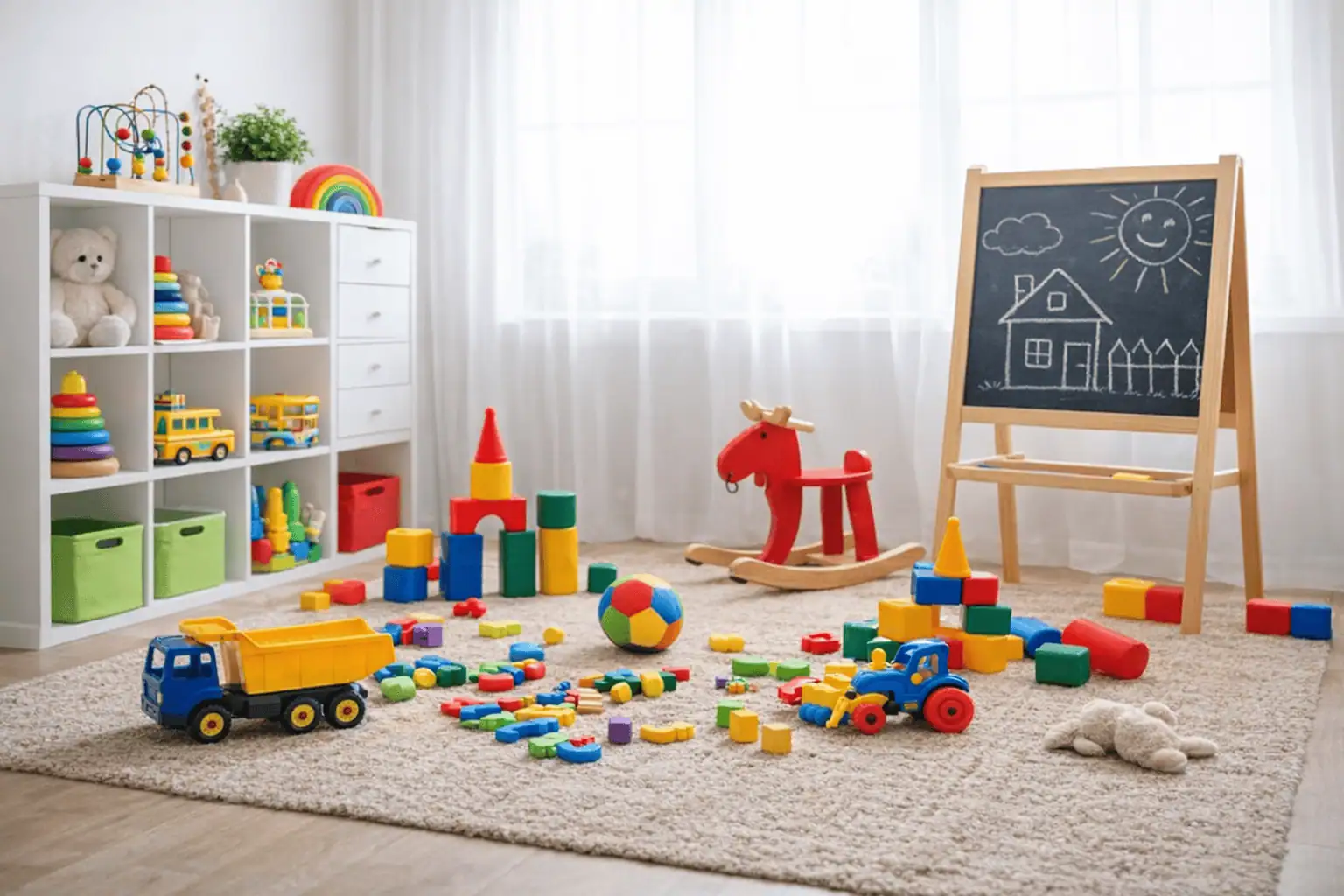


What Is a Preschool in India?
A preschool is an early childhood education programme designed for young children before they begin formal schooling. In India, preschools usually accept children between the ages of two and six years.
Preschools focus on building foundational skills such as communication, social interaction, and early literacy. The learning environment is structured, and children participate in guided activities such as storytelling, art, music, and play-based learning. These experiences help prepare children for the transition to primary school.
What Is a Daycare Facility?
A daycare centre provides supervised care for children while parents are at work or busy during the day. In India, daycare centres often accept children from infancy to preschool age.
Unlike preschools, daycare programmes mainly focus on safety, care, and routine activities such as meals, rest time, and play. Many daycares offer flexible hours to accommodate working parents. Some modern centres also include learning activities alongside childcare services.
Preschool vs Daycare: What Are the Key Differences?
Both serve valuable but different purposes in early childhood. Below is a comparison that highlights the major differences:
| Characteristic | Preschool | Daycare |
| Purpose | Preschools focus on early education and preparing children for school through structured learning activities. | Daycare centres focus mainly on childcare, supervision, and daily routines while parents are working. |
| Age Range | For children between 2 and 6 years of age. | Often accepts children from infancy to preschool age. |
| Daily Schedule & Routine | Follows a structured schedule that includes lessons, activities, and playtime. | Provides flexible routines with meals, naps, playtime, and care. |
| Focus | Emphasis on learning, early development, and school readiness. | Emphasis on care, safety, and supervision. |
| Curriculum | Preschools follow structured early learning programmes and developmental frameworks. | Daycares may include activities, but do not follow a formal curriculum. |
| Learning Approach | Learning is often play-based, interactive, and guided by teachers. | Activities focus more on free play and childcare routines. |
| Staff Training & Qualifications | Teachers usually have specialised training in early childhood education. | Staff may have childcare training rather than teaching qualifications. |
| Developmental Outcomes | Helps develop early literacy, social skills, and classroom readiness. | Supports emotional security, social interaction, and daily routine skills. |
| Cost & Flexibility | Preschools often operate for fixed hours and follow school schedules. | Daycares usually offer longer hours and more flexible schedules. |
| Compliance & Licensing | Many preschools follow educational standards and guidelines. | Daycare centres follow childcare regulations and safety standards. |
Factors to Consider When Choosing an Early Childhood Programme
When deciding between preschool and daycare for your child, parents should consider several important factors that influence their child’s experience.
Programme Philosophy/Learning Approach
Different centres follow different teaching approaches. Some emphasise play-based learning, while others may focus on structured academic readiness.
Social Environment
Children benefit from interacting with peers in supportive environments. Observing how children and teachers interact in the programme can help parents understand the centre’s atmosphere.
Space & Facilities
Safe and well-designed facilities are essential as they support exploration, creativity, and physical development in young children.
Cultural or Religious Preferences
Some families prefer programmes that align with their cultural values or religious beliefs.
Daily Schedule & Availability
You should consider whether the programme’s timing fits your work schedule, your availability, and the family routine.
Fees & Financial Planning
The cost of childcare or preschool programmes can vary depending on location, facilities, and services offered.
Location & Accessibility
Lastly, location is an important factor to weigh in when choosing the right programme for your child. Choosing a centre that is conveniently located near home or work can make daily commuting easier for you.
Preschool vs Daycare: Which One to Choose for Your Child?
Understanding the differences between preschool and daycare can help parents make a confident decision about their child’s early learning journey.
- Preschools focus on preparing children for school through structured activities.
- Daycares provide flexible care for families who need extended supervision during the day.
The right choice depends on your child’s routine and needs. A preschool suits children who are ready for structured learning, while daycare is ideal for families who need flexible childcare hours.
Why Should You Enrol Your Child in KLAY?
Many modern early learning centres combine the benefits of both education and care.
At KLAY Preschools & Daycare, we provide structured learning alongside nurturing childcare environments, helping your child grow, learn, and thrive during their early years.
FAQs
What’s the main difference between a preschool and a daycare?
The main difference between preschool and daycare is their purpose. Preschool focuses on early education and school readiness, while daycare primarily provides childcare and supervision.
Can a daycare also be a preschool?
Yes, some daycare centres include preschool programmes within their facilities. Parents should ask about curriculum, teacher qualifications, and learning goals to understand the programme’s focus.
At what age should a child start preschool?
Most children begin preschool between the ages of 2.5 and 4 years. A child’s readiness depends on their emotional development, communication skills, and the ability to follow basic instructions.
Is preschool more expensive than daycare?
Not necessarily. Some preschools may cost less because they operate for shorter hours, while full-day preschool programmes can sometimes be more expensive.
How do I know which option is best for my child?
Parents can visit local centres, observe the environment, and ask about schedules, curriculum, and teacher training. Choosing the right programme depends on both the child’s needs and the family’s routine.
Do preschools offer full-day programmes?
Some preschools provide both half-day and full-day programmes. However, many preschools follow academic schedules rather than year-round childcare hours.
Are preschool teachers more qualified than daycare staff?
Preschool teachers often receive specialised training in early childhood education, while daycare staff may focus primarily on childcare and supervision.








Subscribe to our newsletter
[contact-form-7 id="12706" title="Newsletter Form for post page"]Our Related Blogs
Yoga Benefits, Activities, and Poses for Preschoolers
For preschoolers, yoga isn’t about perfection but about giggles and benefits. So, are you curious how a simple stretch can support a child’s focus, flexibility, and emotional well-being? Let’s roll...
Year-End Reflection and Goal Setting for Children
Parenting is a journey filled with the brightest moments and valuable lessons, both for us and our children. As the year draws to a close, it’s the perfect time to...
Work-Life Balance Solutions for Parents in Emerald Hills Rd, Sector 65, Gurugram: The KLAY Daycare Advantage
Finding the perfect balance between professional commitments and parenting is a challenge for many working families in Gurugram. Parents in Emerald Hills Rd, Sector 65, especially, look for childcare solutions...