





Last time, during a centre visit to a KLAY preschool, I noticed a three-year-old Raghav focused on a pile of fruit toys. While his other friends were playing ‘picnic’, he was carefully separating red apples, yellow bananas, and green grapes into three different piles. During that simple task, he wasn’t just playing but sorting and classifying fruits using mathematical reasoning.
For toddlers, maths shows up even before numbers show up. We often think of math as counting or adding, but for little toddlers like Raghav, pre math concepts start when they separate red and yellow or even choose the biggest cookie. Preschoolers start learning maths not by worksheets but by exploring through everyday actions like counting toys, matching crayons, or looking for the same shapes or sizes.
Let’s explore some pre math concepts for kindergarten to understand what they are and why they matter in early learning.
What are Pre Math Skills?
Pre maths concepts refer to the skills that children build up during their early years. In simple terms, pre-math skills are the basic understanding of mathematical ideas before learning about numbers. These skills are:
- Sorting & Classifying
- Counting
- Recognising patterns
- Comparing shapes and sizes
- Measuring
These pre-math skills help the preschoolers to observe, think critically, and solve problems. Below is a guide of important pre math concepts for nursery, which helps children to develop a strong foundation for future learning:
1. Number Sense
Number sense is the base of all mathematical skills. It is the ability to understand numbers and their relationships.
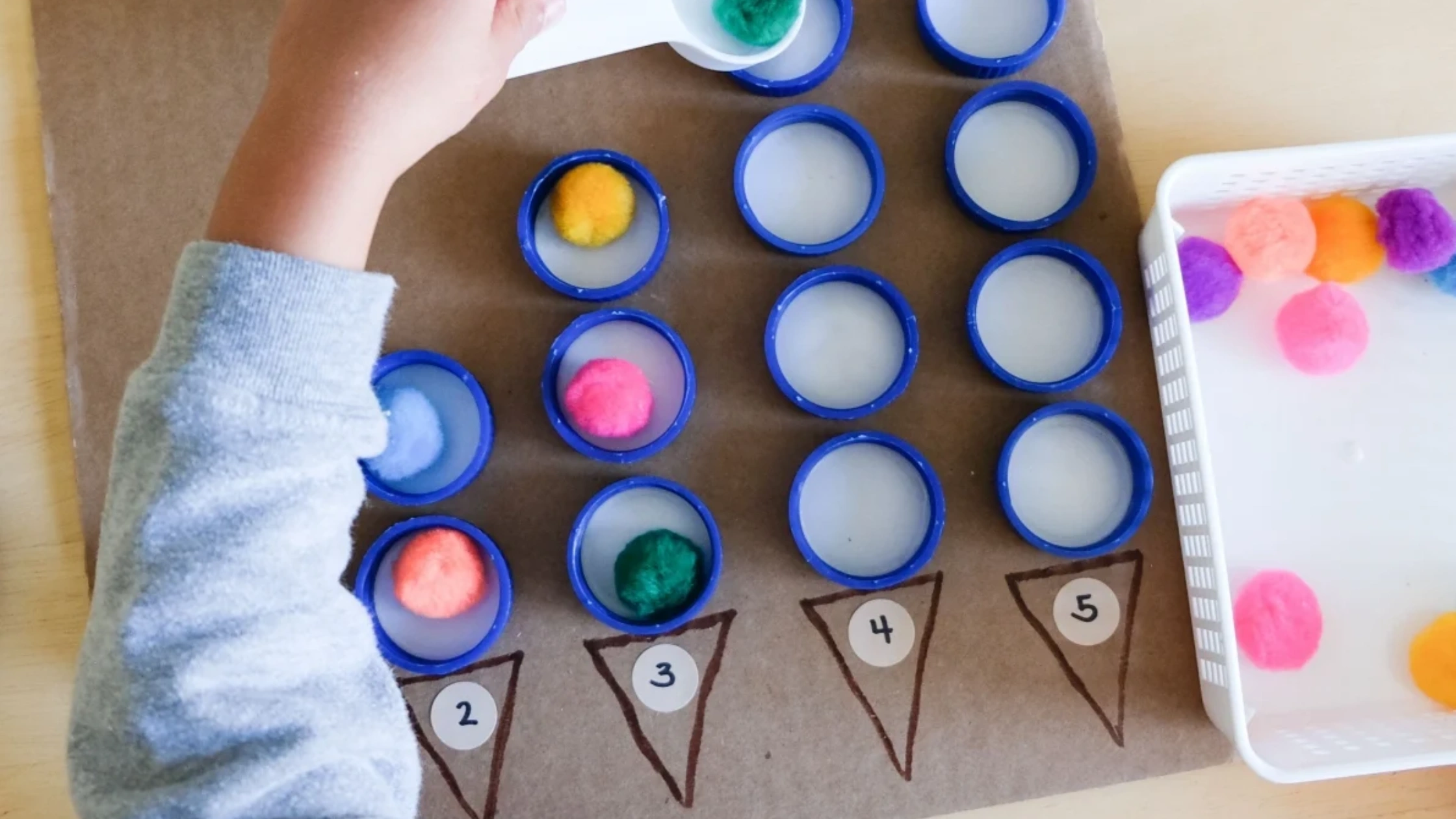
- Counting- Children count from 1 to any number by assigning number value to items or understanding the total count of items in a set.
- Addition and Subtraction- Children perform mental mathematics to understand problems like “You have 1 ball. I give you 2 balls. Now you have 3 balls.
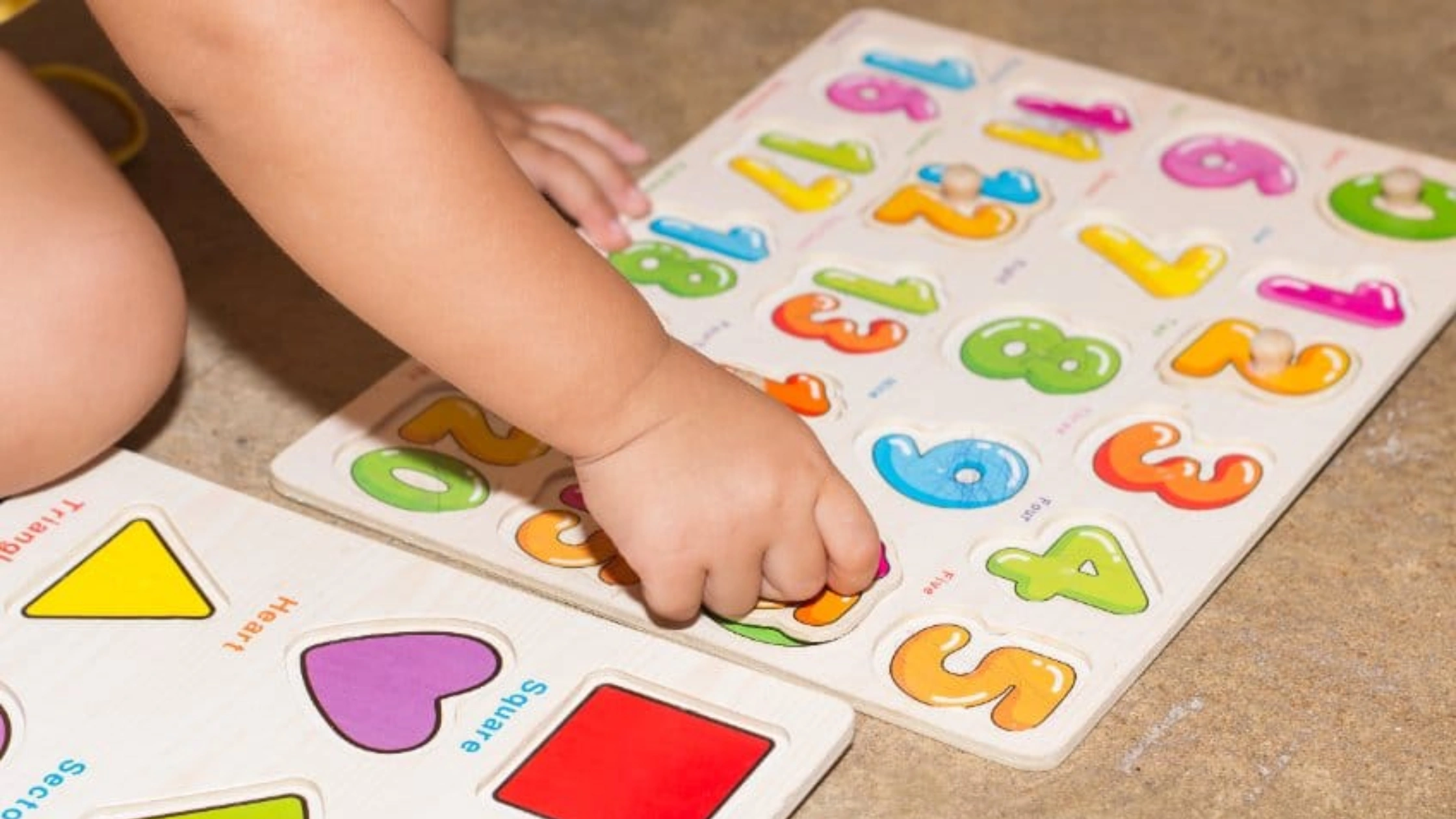
- One-to-One Correspondence- This is when children match the number of objects with their matching number. For example, associating 3 oranges with the number 3.
- Numbers & Symbols- Children start identifying numbers and associating them with their real quantities.
- Parts & Whole- This concept helps children to grasp the relationship between the whole and their parts. It forms the base of learning fractions later.
2. Shapes and Spatial Reasoning
Spatial reasoning is understanding the shapes and patterns of objects. It helps to picture the distance, direction, and position when the objects move or change.
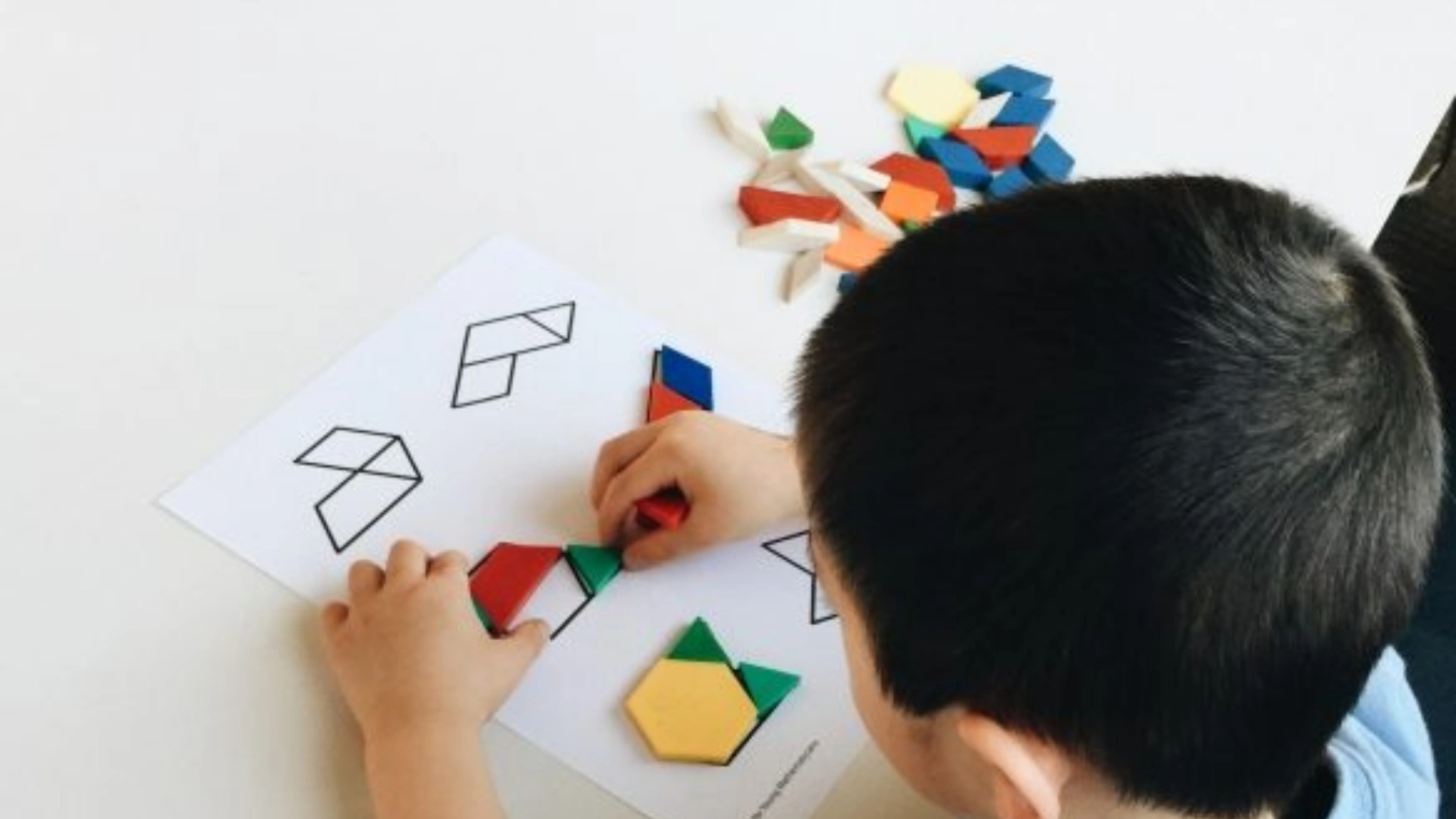
- Shape Identification- Children learn to recognise and classify basic shapes and geometry of shapes like circle, triangle, square, or rectangle.
- Spatial awareness- Children can mentally visualise the object when it changes position, flips, or rotates. They can measure distances and positions like far, near, up, down, inside, or out.
- Geometry- For preschoolers, geometry is simple. It involves identifying shapes, comparing sizes, and remembering their properties.
- Comparing Differences- Children learn to compare by visually identifying if the objects are the same or different in features like size, colour, or shape.
3. Patterns and Sequencing
Recognising a pattern and predicting what comes next helps children to understand maths as well as improve their logical thinking. Sequencing is when children arrange objects in a certain way after understanding this pattern.
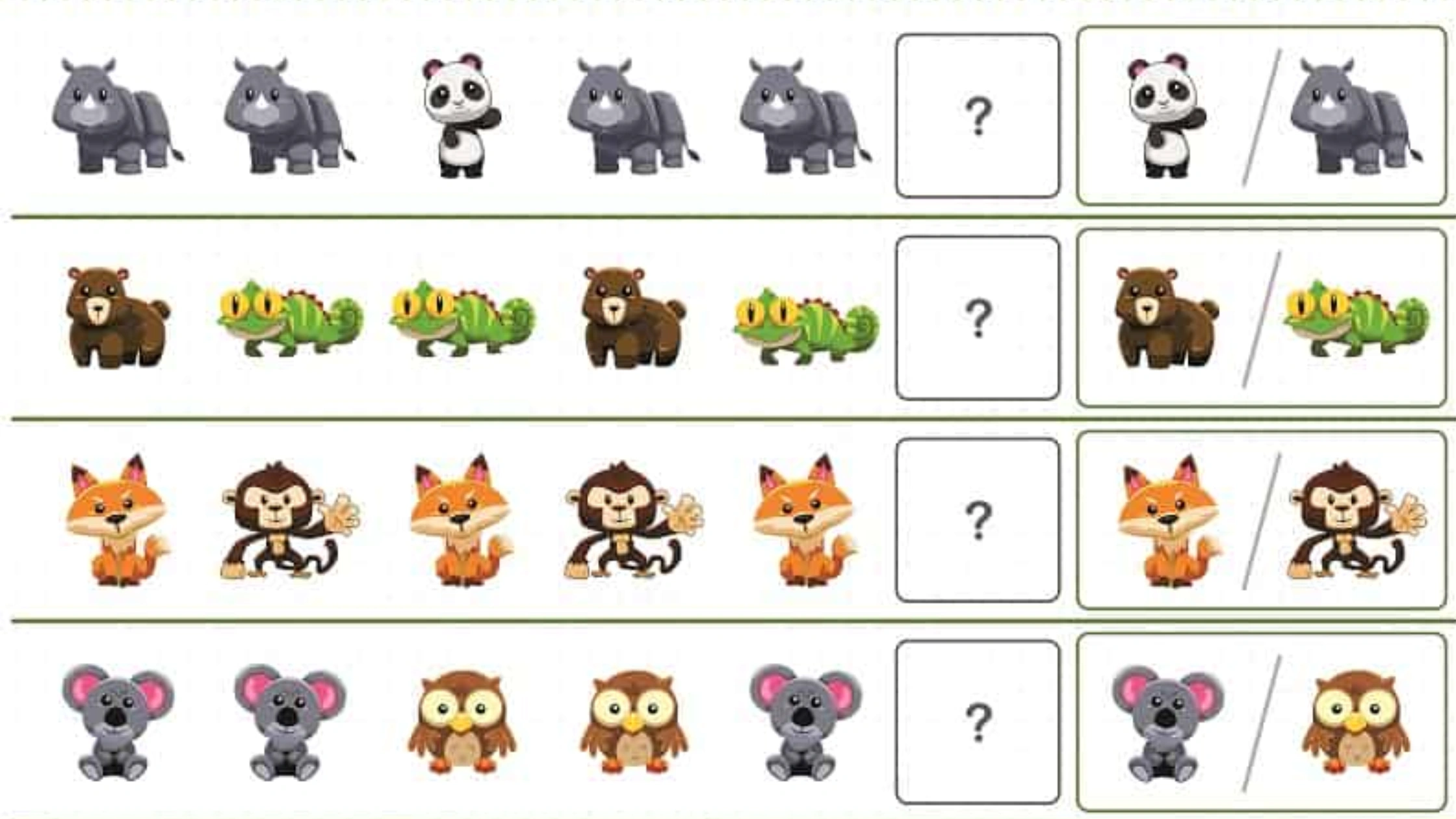
- Identifying Patterns- Children learn to spot repeating patterns around them in speech or sight, like continuing a simple red-blue-red pattern with crayons or using rhythmic sounds like clap-stomp.
- Ordering- Children arrange objects based on some order, like small to big, or short to long.
4. Sort and Classify
Children use their logical skills to compare features of different objects and organise them in groups.
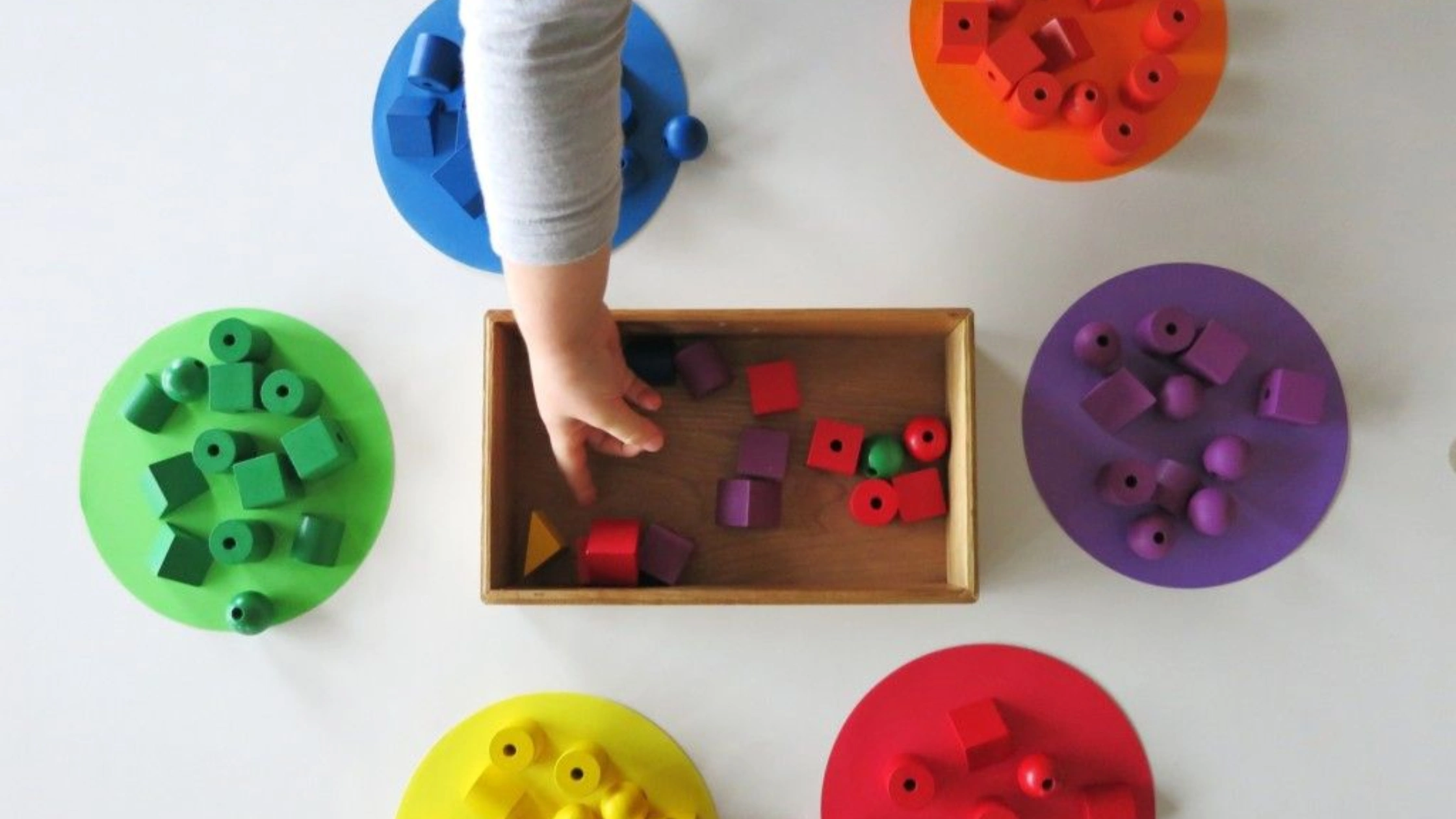
- Sets and Classifying- Children observe items and group them according to their physical features, like colour, shape, size, use, or type.
- Sorting Categorising- Children use their critical thinking skills to understand the differences and similarities of objects and then group them. For example, a clay cup and a clay figurine, although different, will be grouped because of the same texture.
5. Measurement (size and data)
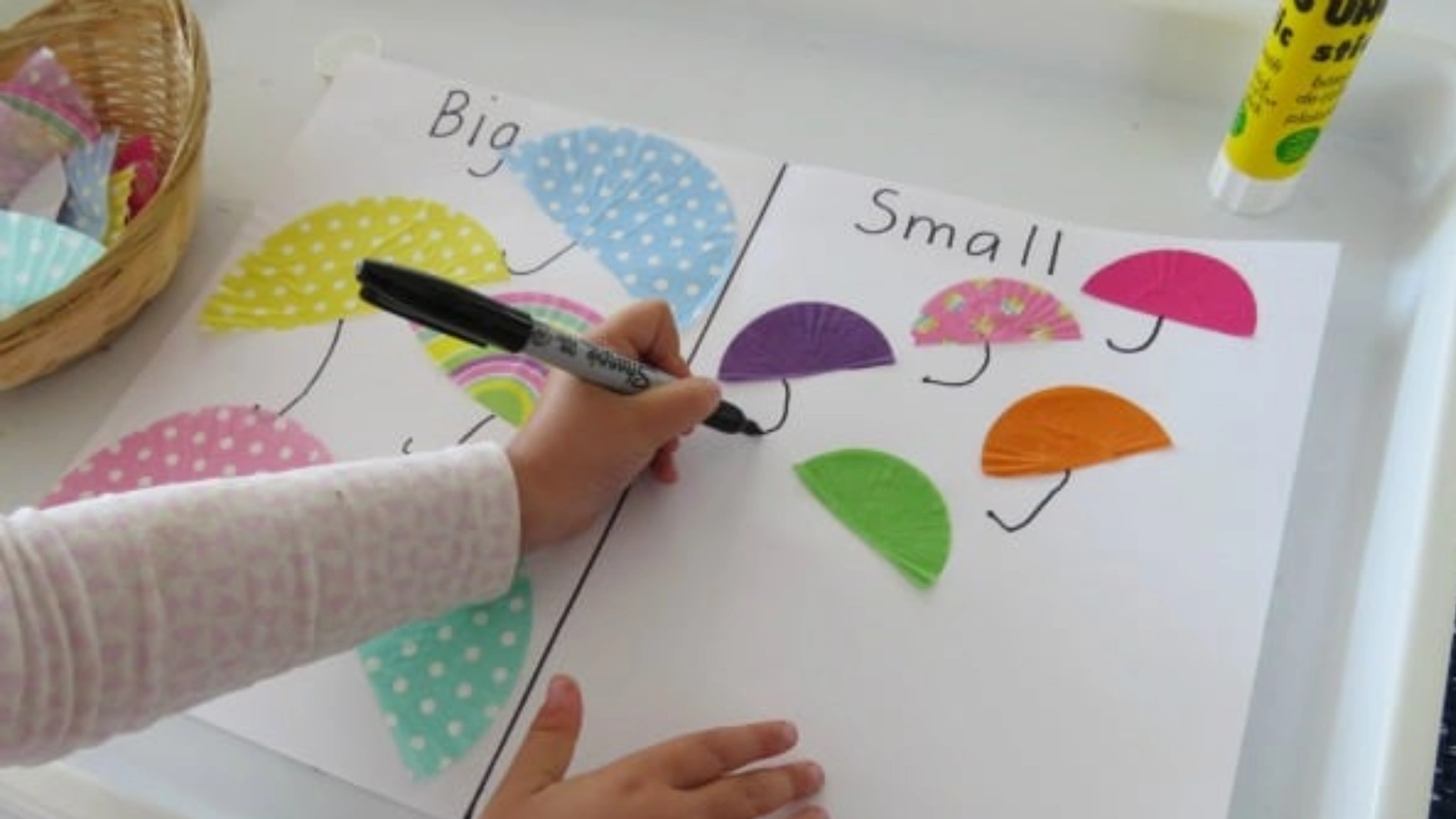
Children understand pre math concepts like length, weight, and volume, size in informal terms like near v/s far, big v/s small, more v/s less, or short v/s long. It helps them to analyse everyday experiences.
Importance of Pre-math Concepts for Preschoolers
Pre-math concepts are important during early years because they build the foundation not just for strong numeracy but also for overall academic and life growth. Children who learn pre-math skills at a young age tend to perform better in maths, reading, playing, critical thinking, and even social development, which goes beyond the classroom.
1. Cognitive Development
Through early exposure to pre math concepts like sorting, arranging, or using logical thinking for number sense, children develop cognitive skills like attention span, memory, and processing information.
2. Problem-Solving
When children play games like catching balls, categorising toys, or sorting shapes, they learn to observe, plan, they use their critical thinking skills to solve problems like finding a perfect position to catch the ball, or sorting toys according to one colour.
3. Lifelong Learning
Pre math skills encourage children to explore multiple solutions for problems or help independent thinking to make decisions like choosing the perfect hat or selecting a favourable career.
4. Numeracy Abilities
If children get a hold of numeracy skills through pre math concepts for nursery, their foundation of maths becomes strong. They develop critical thinking skills and logical reasoning skills, which are not just important for academics but also for everyday life.
How to Develop Pre Math Skills
Young kids learn best when they are having fun. They learn mathematical skills when they are naturally trying their hand at building, throwing, or segregating similar-shaped blocks. Here’s a quick list of some fun math activities for preschool to support children’s pre math skills-
1. Interactive games
Interactive games are fun for children because they provide active participation, such as running, toy hunting, counting, spatial reasoning, or building. Through this, they pick up math concepts without even being taught.
Here are some interactive activity ideas:
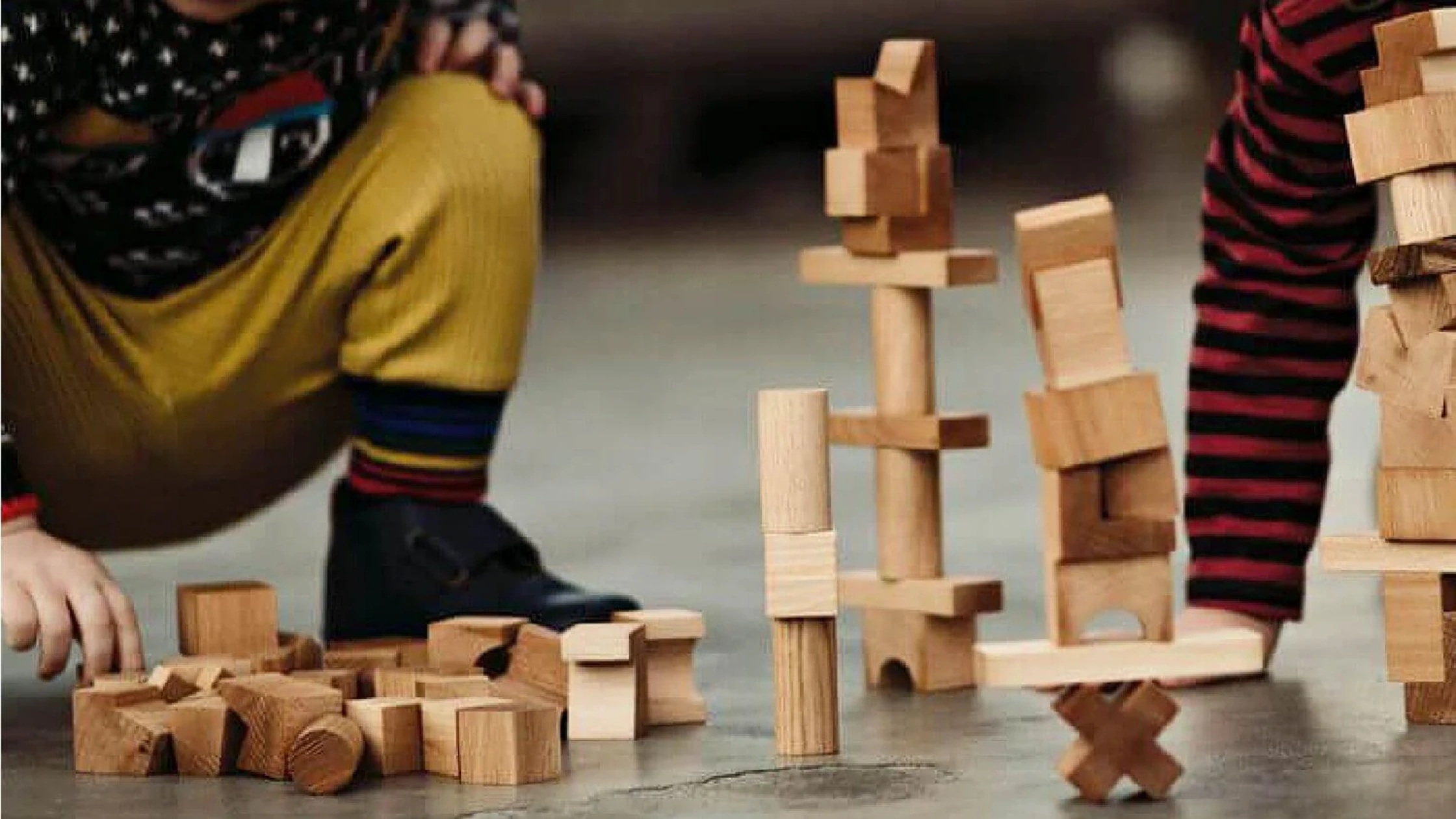
- Block building- Let children sort blocks by colour or shape. Encourage them to create a tower, building, or bridge.
- Bead counting- Provide beads to children and let them play with them freely. Help them count the bead sets or sort them by colours. Check out more counting activities.
- Number board games- Spice up simple dice games to help children practice counting and number recognition.
- Puzzles- Solve board puzzles with the children. Guide them to match the pieces.
2. Real-World Connection
Activities that require real-world connection help children develop socially and critical thinking skills as they interact with friends, families, or educators. It also helps give them a sense of purpose and improve collaboration.
Here are some real-world activities that are full of math opportunities:
- Cooking- While cooking or baking, encourage children to assist them while measuring ingredients. Use words like some, less, few, or more to inculcate the idea of informal data measurement.
- Shopping roleplay- Set up pretend shops with toys or food. Let children switch between playing customer and shopkeeper to learn interaction, calculation, and the concept of money.
- Shape hunting- Encourage children to identify different shapes like circles, squares, or cylinders among the items in the room. Read more shape activities.
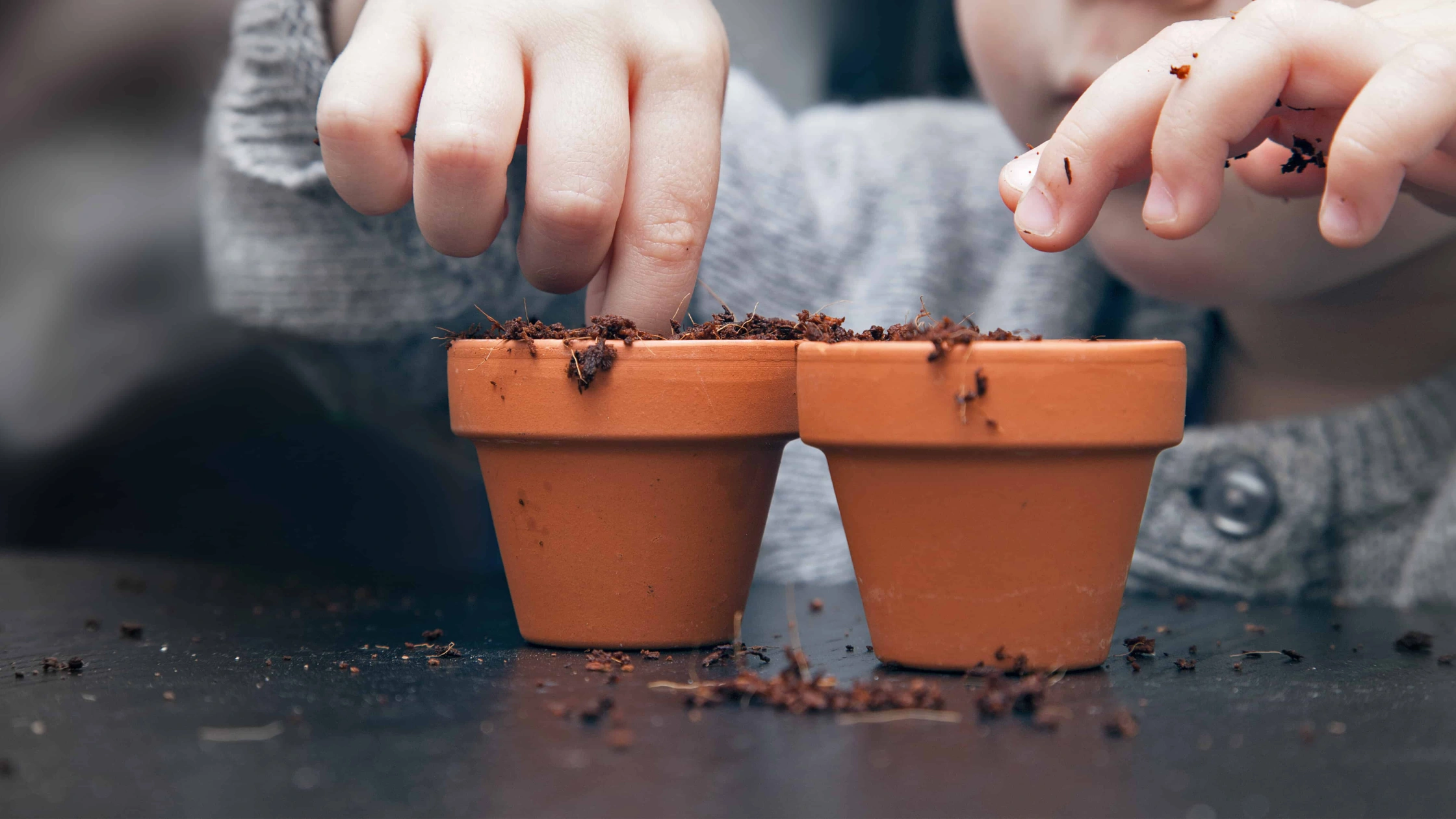
- Gardening- Children count seeds and measure soil for planting the seeds in pots.
3. Questioning
Ask children simple questions that encourage them to observe, collect information, and critically think to find reasons and answers.

- How many- Ask questions like “How many fruits are here?” or “How many crayons do you have?”
- Comparisons- Make comparison questions like “Which box has more crayons?” or “Who is taller- Priya or Vivek?”
- Predictions- Ask questions that require reasoning skills, like “Do you think we can fit more toys in the box?” or “Do you think it will rain today?”
4. Daily Activities
Everyday activities are perfect opportunities for children to use their pre math skills. Maths can be a part of any activity at home or preschool.
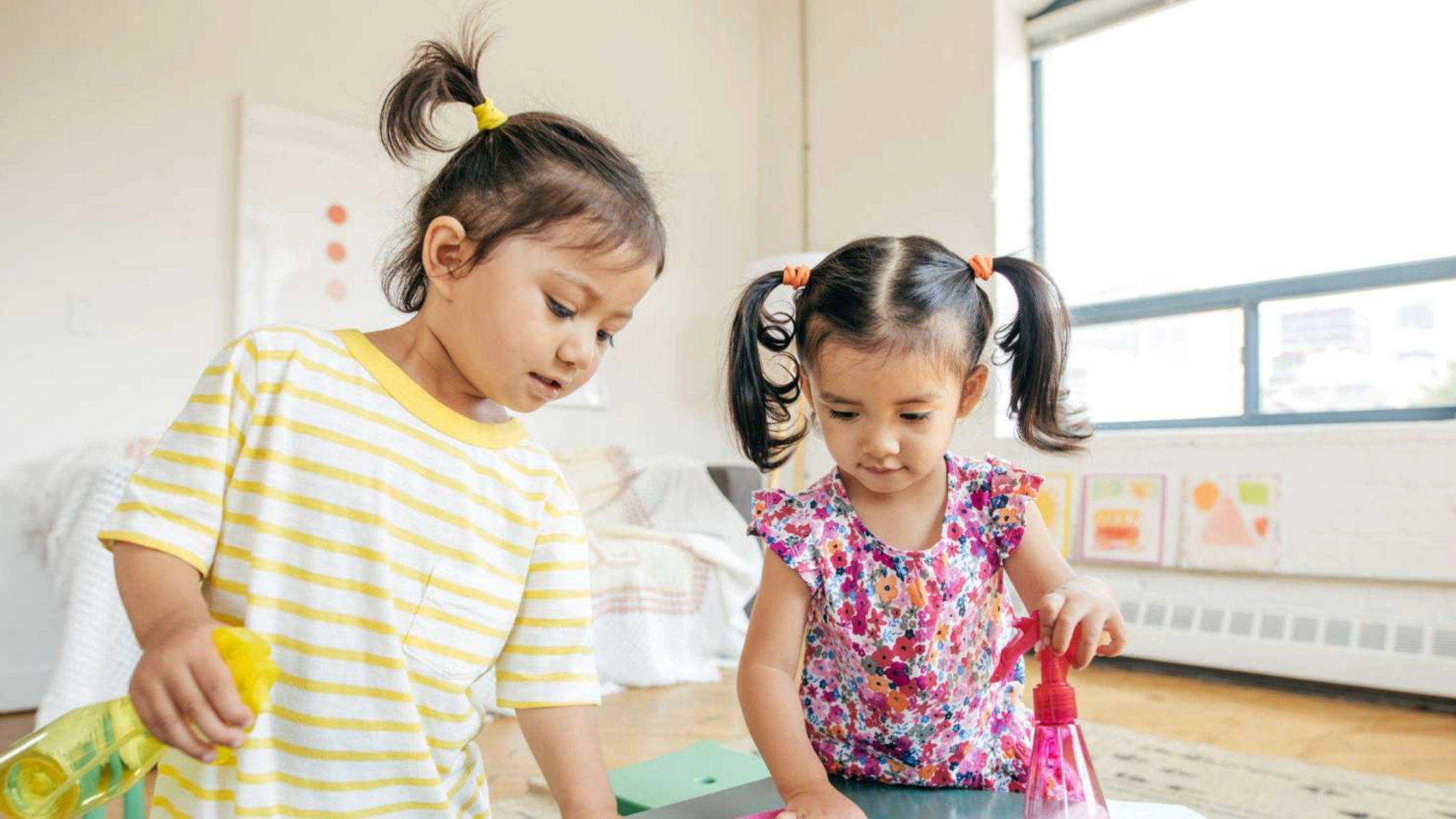
- Sorting clothes- Children group clothes by type, colour, or size by using their critical thinking skills.
- Tidying up- Motivate children to tidy up their room by sorting their toys according to categories like blocks, crayons, cars, or dolls.
- Garden walk- Encourage children to observe around and collect different leaves, pebbles to count, or compare sizes to sort.
5. Storybooks
Stories expose children to a bundle of knowledge and thinking skills. Children improve their logical skills and boost their problem-solving skills as they understand the plot, characters’ decisions, or why things are happening.
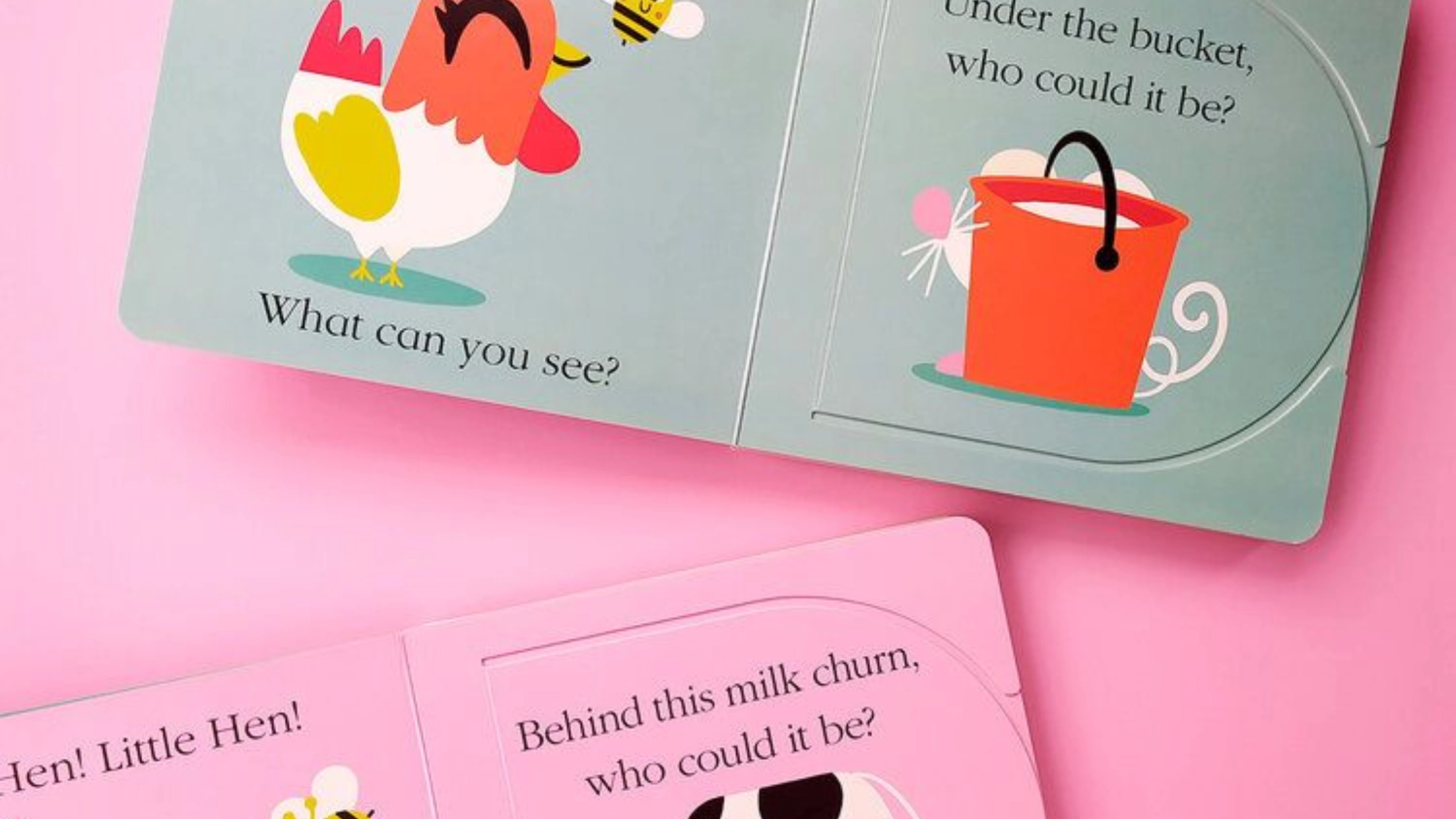
- Counting with Ganesha- Explore story books consisting of stories, rhymes, counting exercises, or activities, with children.
- The Clever Little Parrot- Introduce children to books of problem-solving, sequencing, or counting through simple repetition and memorable narrative.
- Shapes Around Us- Read books that include different shapes or patterns that can be found in their surroundings.
Conclusion
Pre math grows fastest when children stay playful. Learning pre math concepts isn’t about children sitting down with numbers. Children learn it without even trying. When they explore their surroundings, count their toys, sort their crayons, and spot shapes, math magic happens on its own.
As parents or educators, the best way to approach pre math concepts for kindergarten is to keep the children involved in everyday activities. Let them count the veggies on their plate, choose the biggest toy, and spot circle shapes on a garden walk. With some consistency and informal lessons, you can give a child a strong foundation in pre math skills.
FAQs
1. At what age should children learn pre math skills?
Children naturally pick up pre math concepts by the age of 2-3 through conversations, play, getting dressed, eating, or even a walk in the garden.
2. Do we need special materials for pre math learning?
No, pre math learning does need special materials. You can use daily moments like arranging laundry, cooking, walking in the garden, shopping, or playing with puzzles.
3. How do we know children are developing pre math skills?
When you see children choosing the biggest toy, selecting the bigger crayon, or comparing shoe colour with their friends, they are developing pre math skills.
4. What to do if children struggle with pre math concepts?
If children are struggling with pre math concepts, keep it playful and light. Try to be more consistent with more games and new themes every day to keep it interesting. Consistency helps more than speed.








Subscribe to our newsletter
[contact-form-7 id="12706" title="Newsletter Form for post page"]Our Related Blogs
Yoga Benefits, Activities, and Poses for Preschoolers
For preschoolers, yoga isn’t about perfection but about giggles and benefits. So, are you curious how a simple stretch can support a child’s focus, flexibility, and emotional well-being? Let’s roll...
Year-End Reflection and Goal Setting for Children
Parenting is a journey filled with the brightest moments and valuable lessons, both for us and our children. As the year draws to a close, it’s the perfect time to...
Work-Life Balance Solutions for Parents in Emerald Hills Rd, Sector 65, Gurugram: The KLAY Daycare Advantage
Finding the perfect balance between professional commitments and parenting is a challenge for many working families in Gurugram. Parents in Emerald Hills Rd, Sector 65, especially, look for childcare solutions...