



 76767 08888



Key Takeaways
- Introducing capital letters to preschoolers helps build their confidence in reading and writing at an early age.
- Capital letters appear frequently in names, signs, and books, and they are visually simpler and easier for young children to recognise and write.
- Play-based learning with real-world exposure supports stronger letter recognition and print awareness.
- A gradual, pressure-free approach helps children enjoy learning letters without feeling overwhelmed.
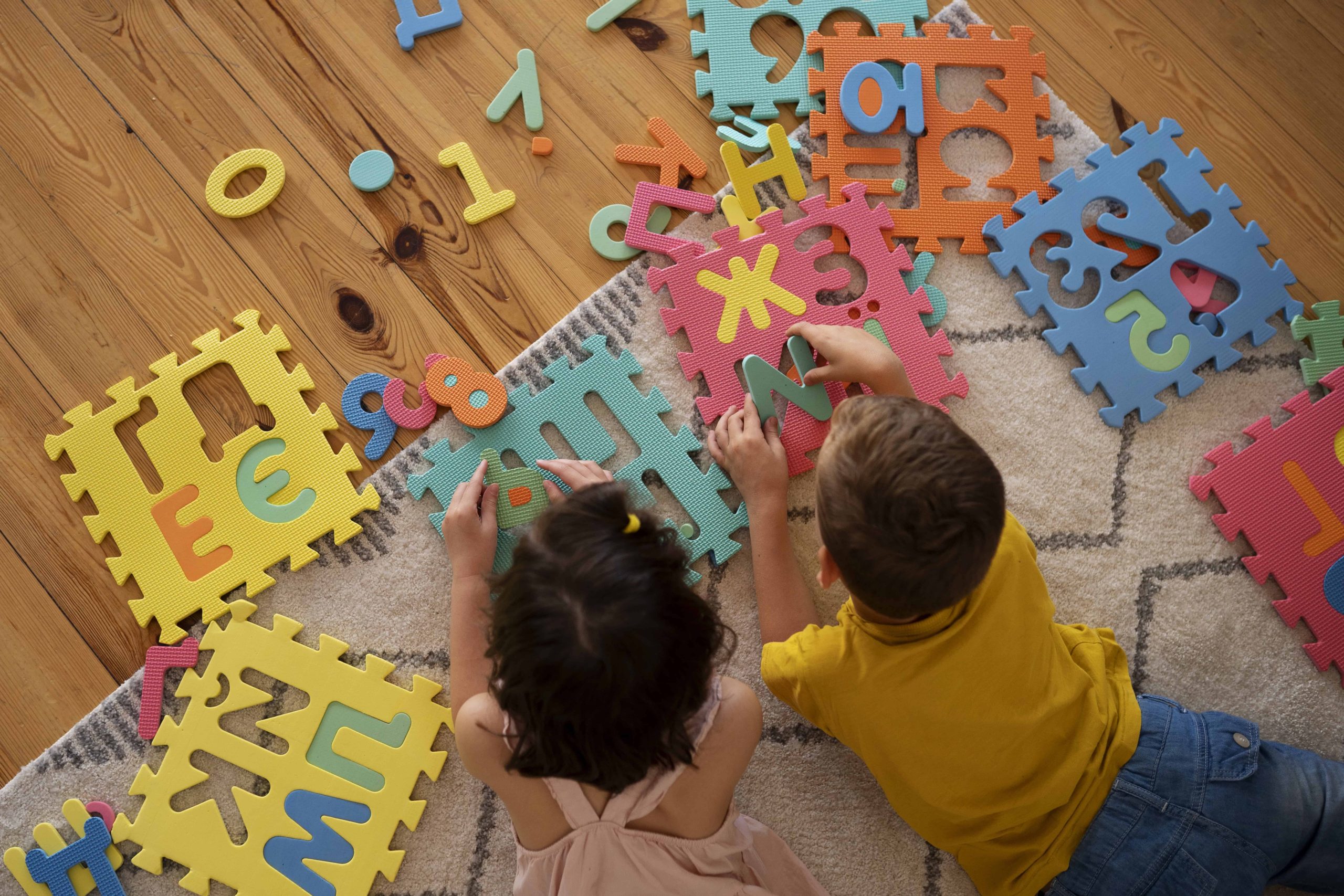
To develop reading and writing skills in kids, it’s essential to start their early literacy journey by introducing capital letters to preschoolers in a way that feels playful, meaningful, and stress-free. By planning simple activities and consistent exposure, you can help kids build familiarity with capital letters, which builds the foundation for language development and school readiness.
What Are Capital Letters?
Capital letters, also known as uppercase letters, are the larger forms of the alphabet. They appear at the beginning of sentences, in names, on signs, and in titles. For preschoolers, these letters are often the first alphabet forms they notice because they stand out clearly.
What’s the Use of Capital Letters for Preschoolers?
Uppercase letters serve an important purpose in written communication. They help readers identify where a sentence begins, recognise names of people and places, and understand emphasis or importance in text.
For young learners, these provide clear visual cues. They help them distinguish letters from one another and understand basic reading rules, even before they start reading independently.
The Importance of Introducing Capital Letters to Preschoolers
Many early-learning experts recommend starting with uppercase letters before introducing lowercase forms. In fact, research shows that children tend to learn uppercase letters before lowercase ones.
Here’s why introducing capital letters to preschoolers is important:
- Visually easier to recognise: Capital letters are made using straight lines and simple curves, which is easier for young eyes to distinguish.
- Common in everyday print: Children frequently see capital letters on signs, labels, names, and books, which strengthens recognition.
- Builds early confidence: Recognising and writing capitals successfully helps children feel capable and motivated.
- Simpler letter formation: Uppercase letters follow consistent shapes, which supports early writing practice.
- Supports early reading skills: Familiarity with letter shapes helps children later recognise words more easily.
Basic Capitalisation Rules for Preschoolers With Examples
Introducing basic rules of capitalisation to preschoolers at an early age lays a solid foundation for their early writing and reading skills. Here are some rules with examples:
| Capitalisation Rule | Correct Usage Example |
| Capitalise the first word of a sentence |
|
| Capitalise people’s names |
|
| Capitalise names of places |
|
| Capitalise company names and trademarks |
|
| Do not capitalise after a colon (unless it’s a proper noun) |
|
| Capitalise days, months, and festivals |
|
| Capitalise most words in titles |
|
| Capitalise acronyms |
|
When to Start Teaching Capital Letters to Preschoolers at Home?
Children are usually ready to explore letters between ages 3 and 4, but readiness depends on interest rather than age alone. When children begin noticing letters, asking questions, or recognising their name in print, it is a good time to introduce capital letters gently. Remember, the focus should always be on recognition and enjoyment, not memorisation or pressure.
How to Teach Capital Letters to Kids
Here are some ways to teach capital letters to kids that don’t feel too stressful or forced:
-
Name-Based Letter Learning
Start with the first letter of a child’s name to create an immediate personal connection. Activities like name cards, tracing initials, or spotting their letter on walls help children feel motivated.
-
Learning Through Environmental Print
Children learn that letters carry meaning when they see them in real life. Signboards, food packets, book covers, and labels help children understand that letters are part of everyday communication.
-
Circle the Letter Activities
Simple games where children circle or point to a specific capital letter in a page or poster strengthen recognition without writing pressure.
-
Making Letters With Hands & Objects
Using clay, sticks, blocks, or finger movements helps children remember letter shapes through touch and movement.
How to Teach Capital Letter Formation the Easy Way
Introducing capital letters to kids is easier when they are explained using simple visuals and friendly language. Here are some ways to help them with memorisation and recognition:
D: Draw one straight line, then add one big round belly.
B: Make one straight line, then add two round bellies.
E: Draw one tall line and add three short arms.
I: Make one straight line standing alone.
T: Draw a tall line and add a small hat on top.
H: Make two tall lines and join them with a bridge.
Q: Draw a big circle and add a small tail.
Conclusion
Introducing capital letters early helps children build strong literacy foundations. You can introduce it gently through play, names, and everyday print.
Explore More
Frequently Asked Questions (FAQs)
-
What are the basic rules of capitalisation?
There are three basic and most important capitalisation rules to follow:
- Capitalise the first word of a sentence
- Capitalise names of people, places, company names, trademarks, acronyms, days, months, and festivals
- Never capitalise words after a colon unless it’s a proper noun
-
What is the purpose of using capital letters?
Capital letters help readers understand sentence beginnings, identify names, and recognise important words clearly.
-
How can adults teach capital letters effectively?
Adults can teach kids capital letters by using names, games, environmental print, tracing, and playful writing activities.
-
Should preschoolers learn uppercase or lowercase letters first?
Uppercase letters are usually easier to recognise and write, making them a suitable starting point for preschoolers.
Enrol Your Child Today









Subscribe to our newsletter
[contact-form-7 id="12706" title="Newsletter Form for post page"]Our Related Blogs
Yoga Benefits, Activities, and Poses for Preschoolers
For preschoolers, yoga isn’t about perfection but about giggles and benefits. So, are you curious how a simple stretch can support a child’s focus, flexibility, and emotional well-being? Let’s roll...
Year-End Reflection and Goal Setting for Children
Parenting is a journey filled with the brightest moments and valuable lessons, both for us and our children. As the year draws to a close, it’s the perfect time to...
Work-Life Balance Solutions for Parents in Emerald Hills Rd, Sector 65, Gurugram: The KLAY Daycare Advantage
Finding the perfect balance between professional commitments and parenting is a challenge for many working families in Gurugram. Parents in Emerald Hills Rd, Sector 65, especially, look for childcare solutions...