





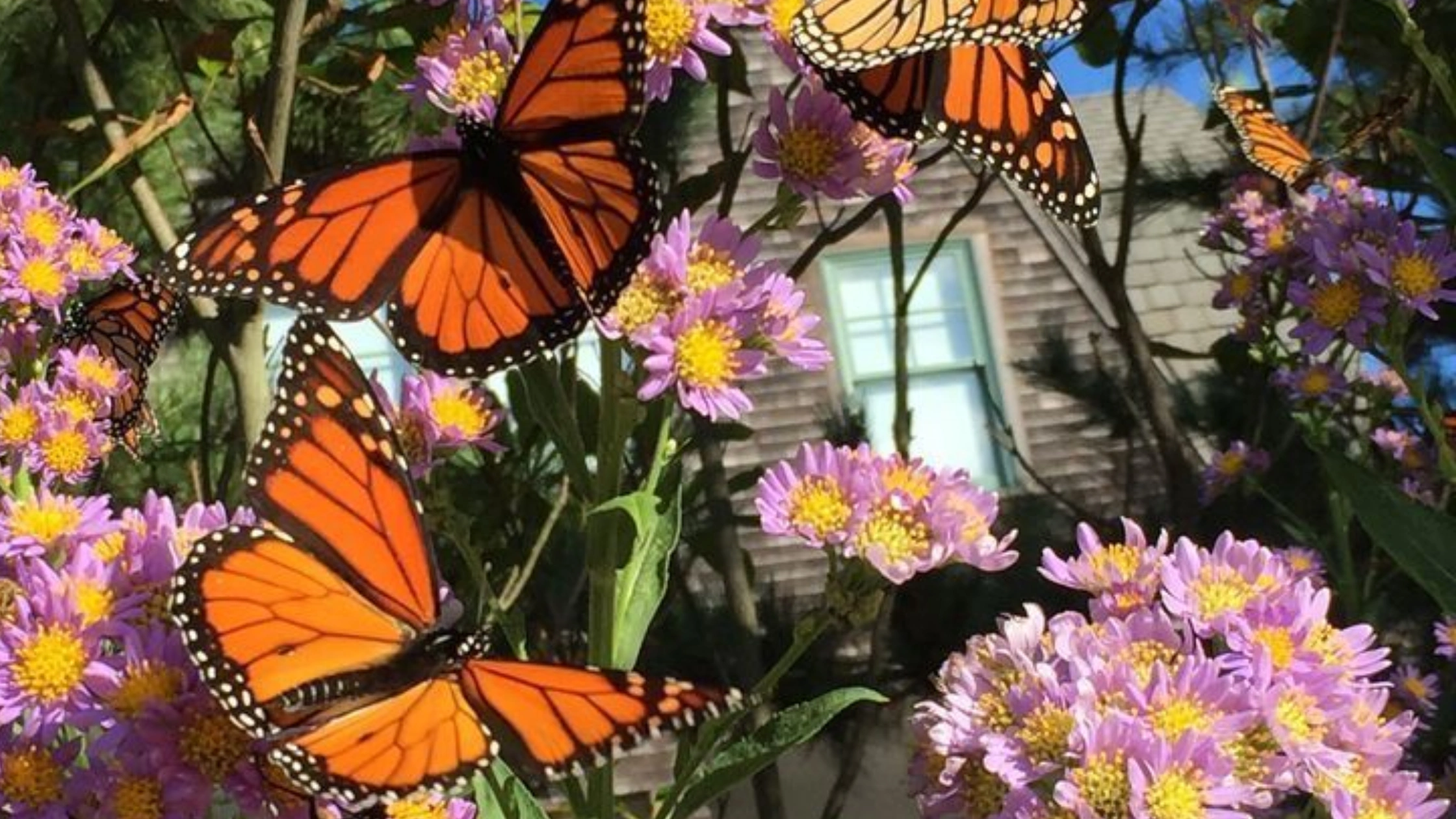
Just last week, my nephew and I were on a walk in a park when a blue butterfly flew past him. His eyes opened wide with wonder. He yelled with excitement, “It’s a tiny fairy!” In that simple, momentary encounter with an insect, my nephew experienced awe, observed the insect’s wings, connected them to the idea of a fairy, and used the correct vocabulary to describe it. I realized insects are not just mere bugs but a perfect learning tool for young learners to imagine, explore, observe, and develop critical thinking skills.
This article is designed to help parents and teachers understand what is an insect for kids, discover a variety of insects, and explore amazing facts about insects for kids.
So, what exactly is an Insect?
\
In simple words, tiny animals with three body parts and six legs are called insects. Typically, insects have two or four wings, such as the blue butterfly. Insects are the largest group of animals on Earth and play an important role in nature. They are found everywhere, from soil to plants, to water, and even in homes.
Example: A butterfly flying in the garden.
Body Parts of An Insect
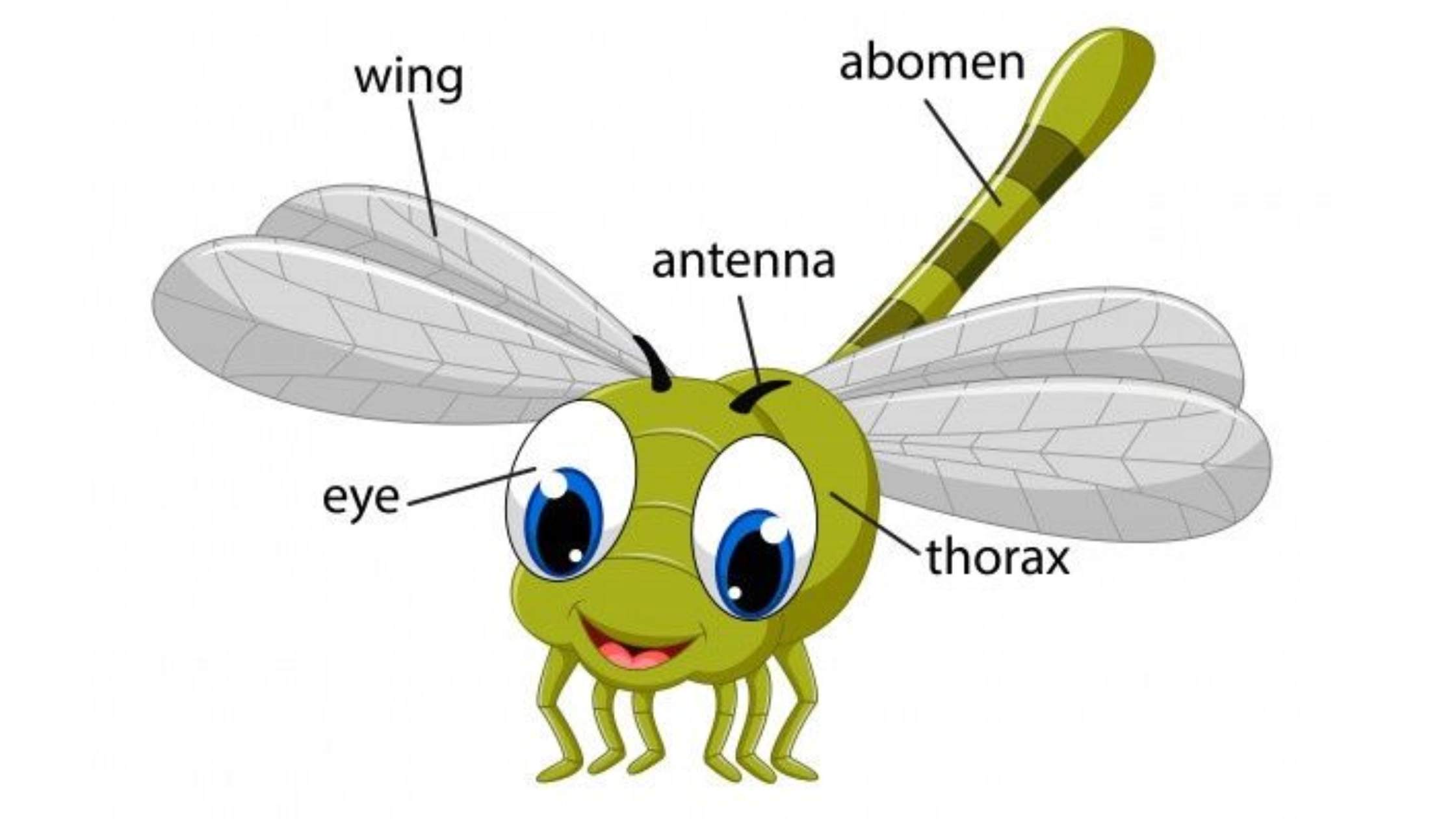
An insect is identified by its body structure. There are three main parts of an insect for kids:
An insect has three main body parts:
- Head- Head includes eyes, mouth, antennas /feelers.
- Thorax- The thorax is the middle section where all six legs are attached. Flying insects like butterflies, houseflies, or bees have wings attached to the thorax.
- Abdomen- Abdomen contains the stomach and breathing organs. Insects like bees and ants also have stings in this part.
Learning Activity: Let them try an insect drawing for kids activity. Encourage children to draw their favourite insect and label their parts.
List of Common Insects for Kids
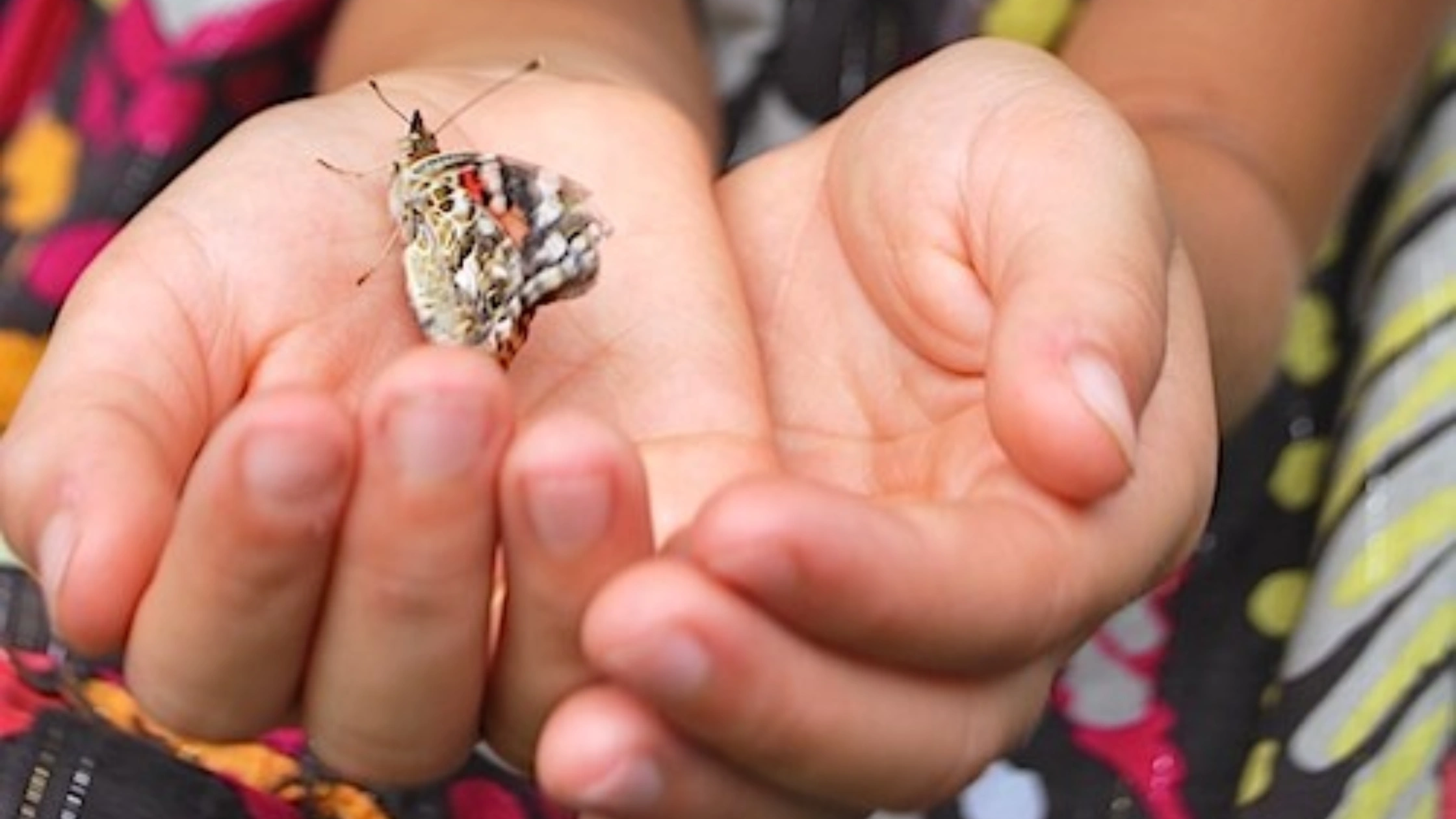
Children often see small crawlers or insects around them when they are playing outside, under a rock, or even in their homes.
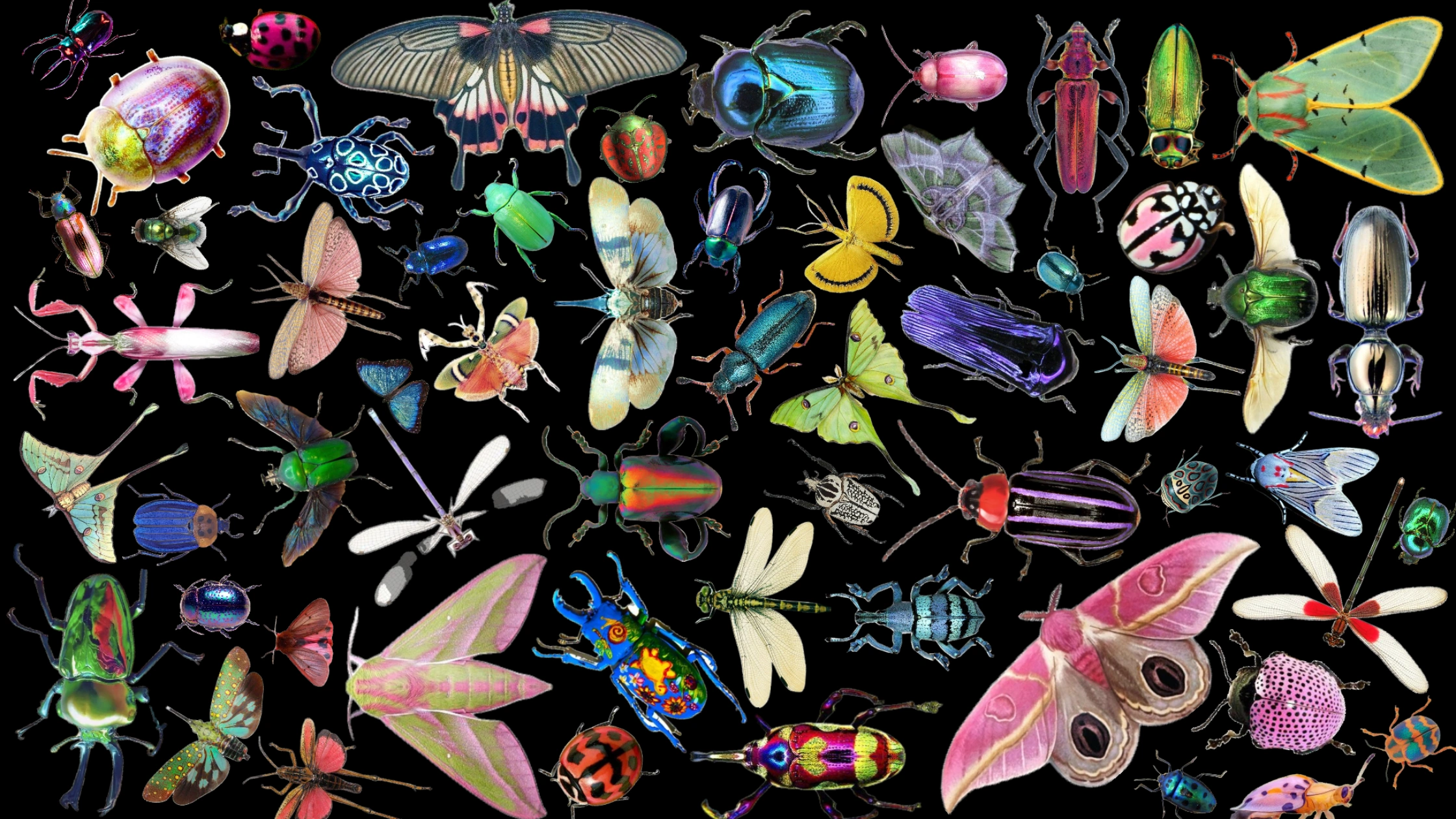
Knowing more about the common insects increases their knowledge, observation, and vocabulary skills. Here is a list of types of insects for kids in an easy way, along with their unique characteristics:
1. Garden Insects
Garden insects are abundantly found in nature. These insects love green leaves, flowers, and grass. They can be of two types- one that is beneficial to plants and helps in pollination and keeping away pests, and the other is pests that feed on leaves and flowers to create havoc.
| Insect Name for Kids | Fun Insect Facts for Kids |
| Ant | Ant lives in big groups called colonies and walk in a line together to carry food. |
| Butterfly | It has beautiful and colourful wings and drinks nectar from flowers. It uses its feet to smell or taste food. |
| Bee | A bee makes honey and helps plants grow by pollinating. They are very important for flowers and plants. |
| Ladybug | It is a tiny, round insect with red colour and black spots. It helps a plant by eating harmful plant insects. |
| Grasshopper | It can jump very high and far. They live on grass and feed on plants. |
| Cricket | It makes ‘Chirp! Chirp!’ music. They have strong back legs that help them jump. |
| Dragonfly | It has a very long body and loves to hover over ponds. It flies very fast and can even fly backwards. |
| Beetle | It has a hard and shiny body shell. They can be both pests and useful. |
| Caterpillar | It is a soft, worm-like insect. It eats leaves to change into a butterfly or a moth. |
| Moth | It looks like a butterfly, but it usually comes out at night. It flies close to a light source. |
2. Insects Found at Home
Insects that live near or inside homes love the warmth, moisture, or food crumbs found inside. These insects are seen as pests and are ridded of, instantly.
| Insect Name for Kids | Fun Insect Fact for Kids |
| Housefly | It is small and grey. It flies around food or trash inside the house. It carries harmful germs. |
| Mosquito | It is a tiny insect that bites and sucks blood. It makes a buzzing sound and causes itching and diseases. |
| Cockroach | It is a reddish-brown insect and is mostly active at night. They love crawling in the kitchen and bathrooms. |
| Termite | It lives in huge groups and eats wooden furniture. They look like ants but are pale in colour. |
| Silverfish | It is a small, shiny, fish-shaped insect. They feed on paper, walls, and even dust. |
| Bedbug | It is a tiny, flat, and reddish-brown insect that hides in bed. It bites to suck blood. |
| Flea | It is a tiny jumping insect that uses its tiny claws to attach to dogs and cats and drink their blood. |
| Louse (Lice) | It is a tiny and contagious insect that sucks blood, causing itching and tickling on the scalp. |
3. Farm And Field Insects
These insects live among crops and fields. Some are helpful, while some are pests. These insects are an important part of the ecological system that help in maintaining healthy soil and crops.
| Insect Name for Kids | Fun Insect Fact for Kids |
| Locust | A type of grasshopper that are big and fly in huge swarms. It is a hungry insect that eats away all crops. |
| Weevil | It is a type of beetle with a long snout. It eats plants, stored grains, or seeds. |
| Aphid | It is black or green in colour and lives in big colonies. It sucks plant juice and, therefore, is bad for plants. |
| Leafhopper | It jumps from leaf to leaf to suck plant juice. It is brightly coloured and hides under the leaves. |
| Stink Bug | It is green or brown and camouflages in plants. It produces a very bad smell when touched. |
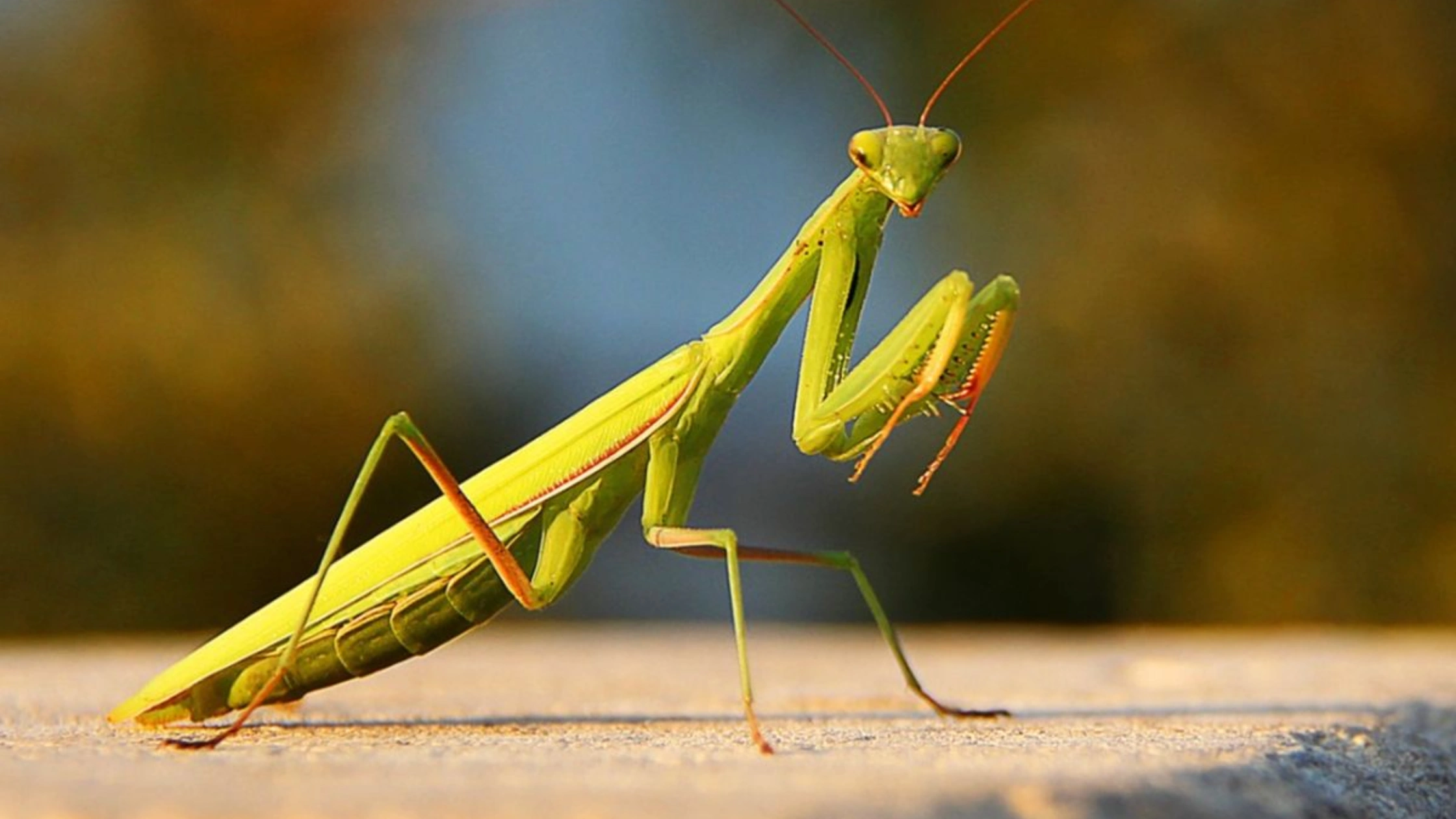
| Praying Mantis | It has very long front legs that are folded and look like praying hands. It eats other insects and has 5 eyes. |
| Stick Insect | It camouflages with plants to look like a stick. It can regrow a limb if it comes off. |
| Firefly | Its abdomen glows to communicate with fellow fireflies. |
4. Water and Wet-Area Insects
These insects live in and around damp areas or stagnant water bodies. These insects spend their baby stage living underwater and their adult life mostly flying near water surfaces.
| Insect Name for Kids | Fun Insect Fact for Kids |
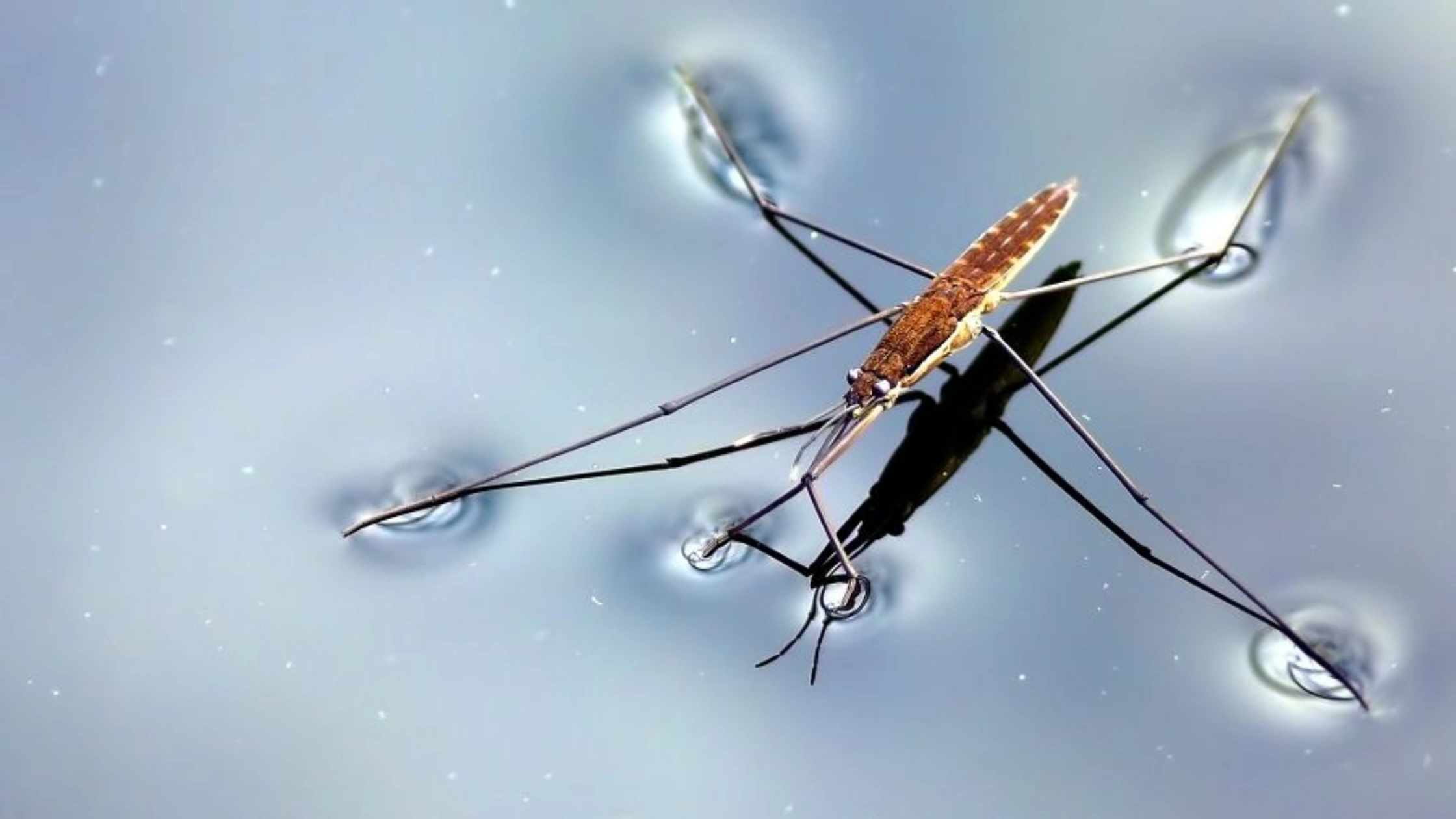
| Water Strider | It has tiny hairs on its long legs that help it to walk smoothly on the water surface. |
| Mosquito Larva | It hatches inside still water and feeds on tiny organisms in the water. |
| Mayfly | Lives near water; adults live only for a day! |
| Caddisfly | Builds homes underwater using tiny stones. |
| Backswimmer | Swims upside down in ponds and pools. |
5. Flying Insects
These insects possess wings and can fly. They have either two pairs of wings like bees and butterflies or one pair like houseflies.
| Insect Name for Kids | Fun Insect Fact for Kids |
| Bee | Their body hair helps them collect pollen from flowers. |
| Butterfly | It flies only during the day and drinks nectar from flowers. It uses its feet to taste the nectar. |
| Moth | It can mimic dead leaves, wasps, bird droppings, spiders, or even a snakehead. |
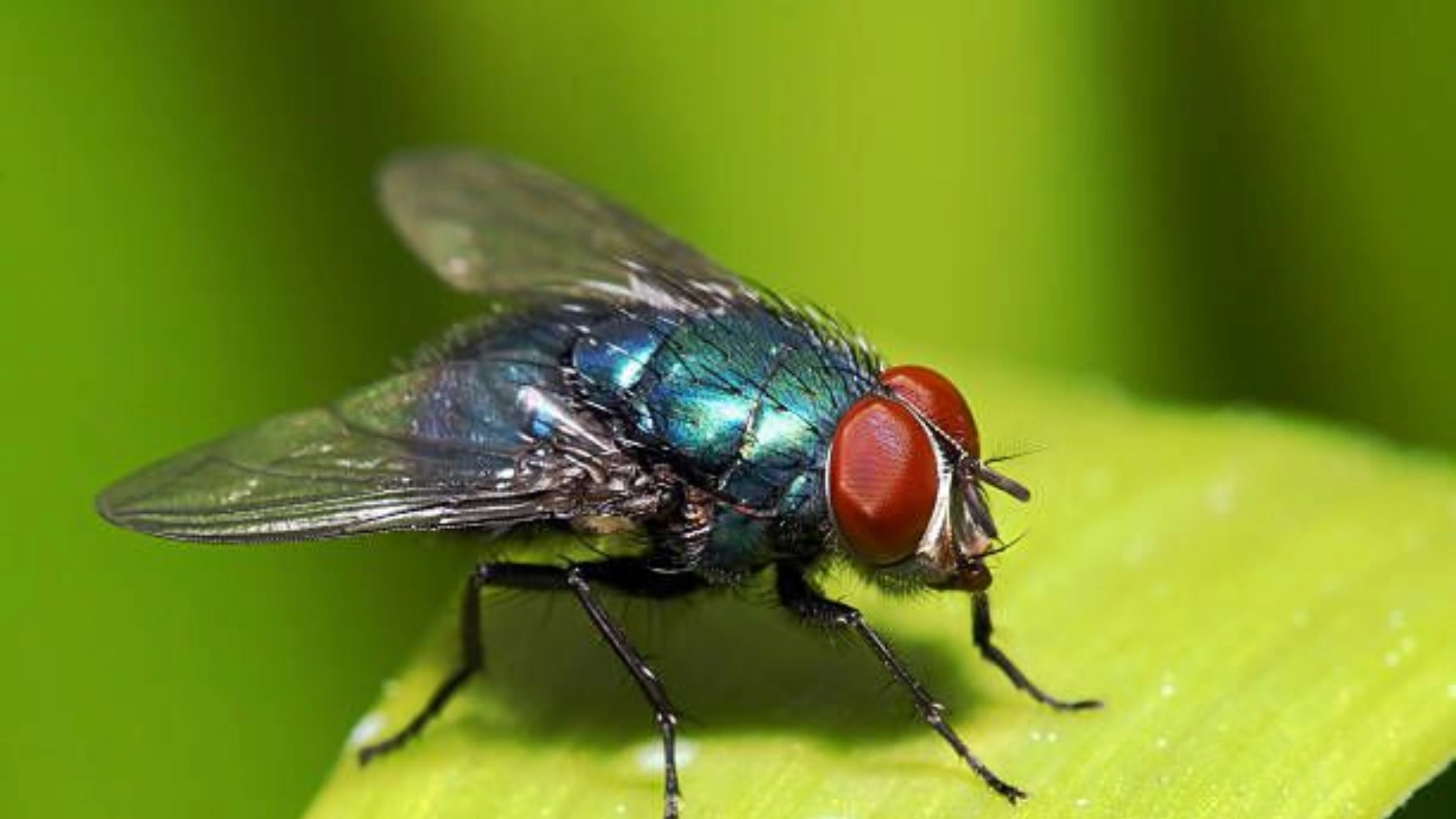
| Fly | It has huge compound eyes, red in colour, that help it to see all around. It does not eat but vomits juice onto the food and eats the resulting liquid. |
| Wasp | It looks similar to a bee but has a slimmer body. It feeds on other insects and stings repeatedly when angry. |
| Hornet | It is stronger and larger than a wasp and lives in colonies. Its sting is very painful. |
| Firefly | Not just fireflies, some eggs or larvae also glow. It produces a bitter chemical that makes them a non-tasty prey. |
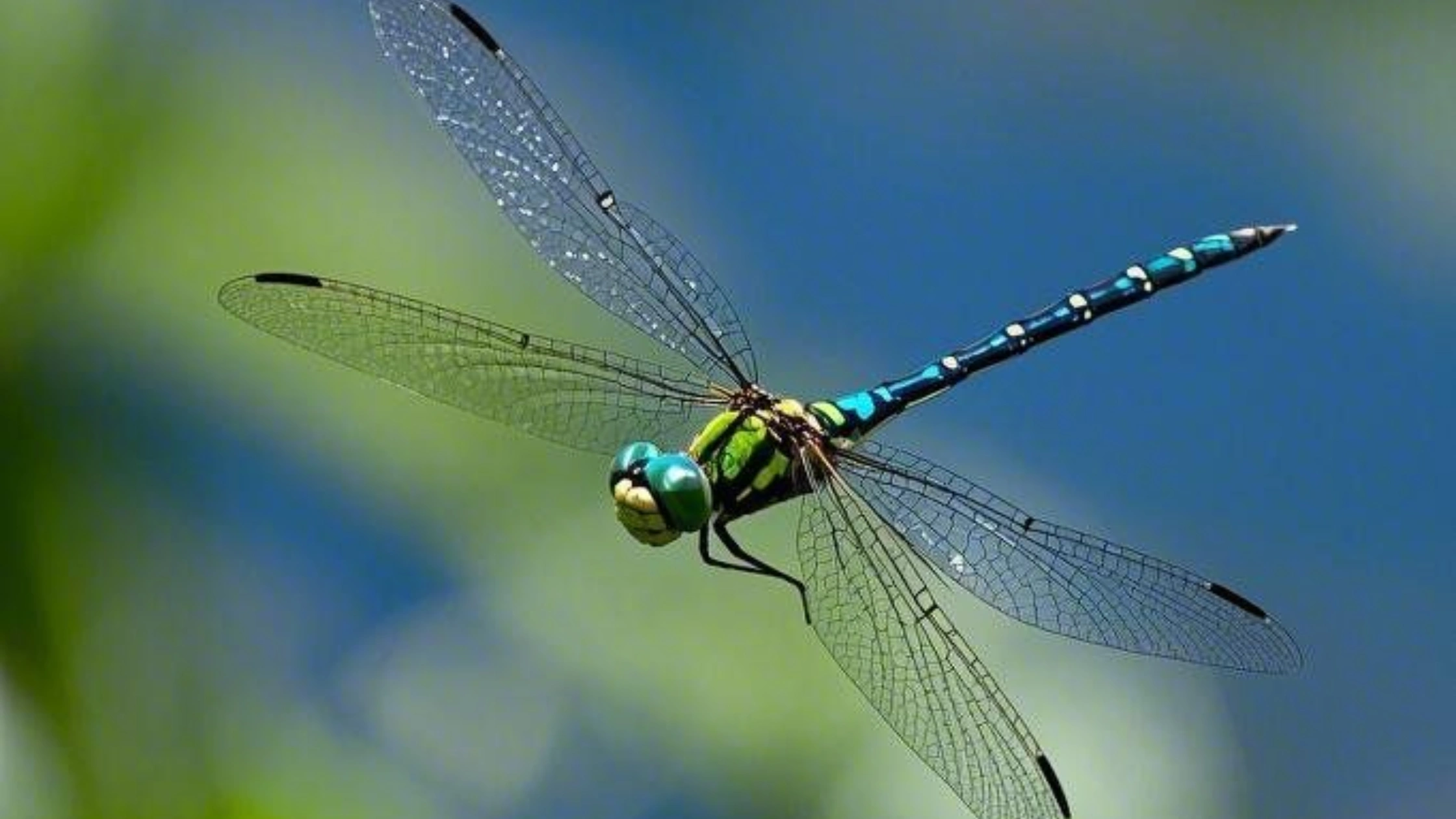
| Dragonfly | It is a fast flyer and has huge eyes that give it a 360-degree vision. It can eat over 100 mosquitoes a day. |
6. Soil And Ground Insects
These insects live close to or under the soil or rocks. They are also found in fallen and dried leaves, flowers, or other plant parts. They naturally recycle dead plants and animals.
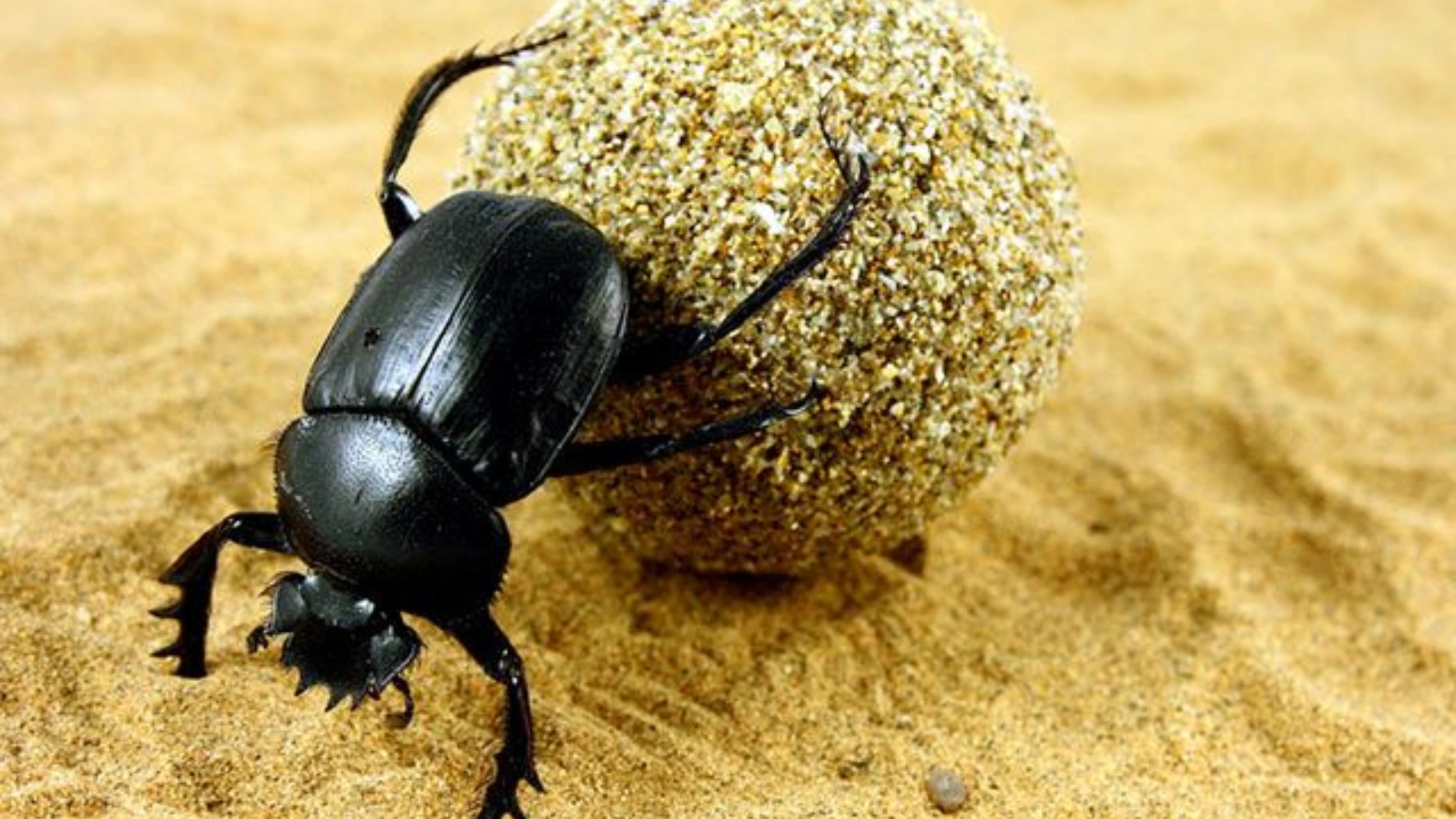
| Insect Name for Kids | Fun Insect Fact for Kids |
| Ant | It finds and brings back food with its fellow ants. It digs tunnels in the soil to build its nests. |
| Beetle (Dung Beetle) | It rolls animal dung into balls and pushes them into burrows underground. |
| Earwig | It has small pincers at the back of its body with which it hunts small insects or feeds on flowers or leaves. |
| Termite | It eats wood and dead plants. It lives in nests under the soil. |
| Ground Beetle | It hunts small insects like slugs and caterpillars. It digs burrows in the soil, helping plant roots to grow healthy. |
7. Other Insects
Not all insects fit in a single group. Some are special because of how they look, or what they eat, or where they live. These different types of insects for kids make it more exciting.
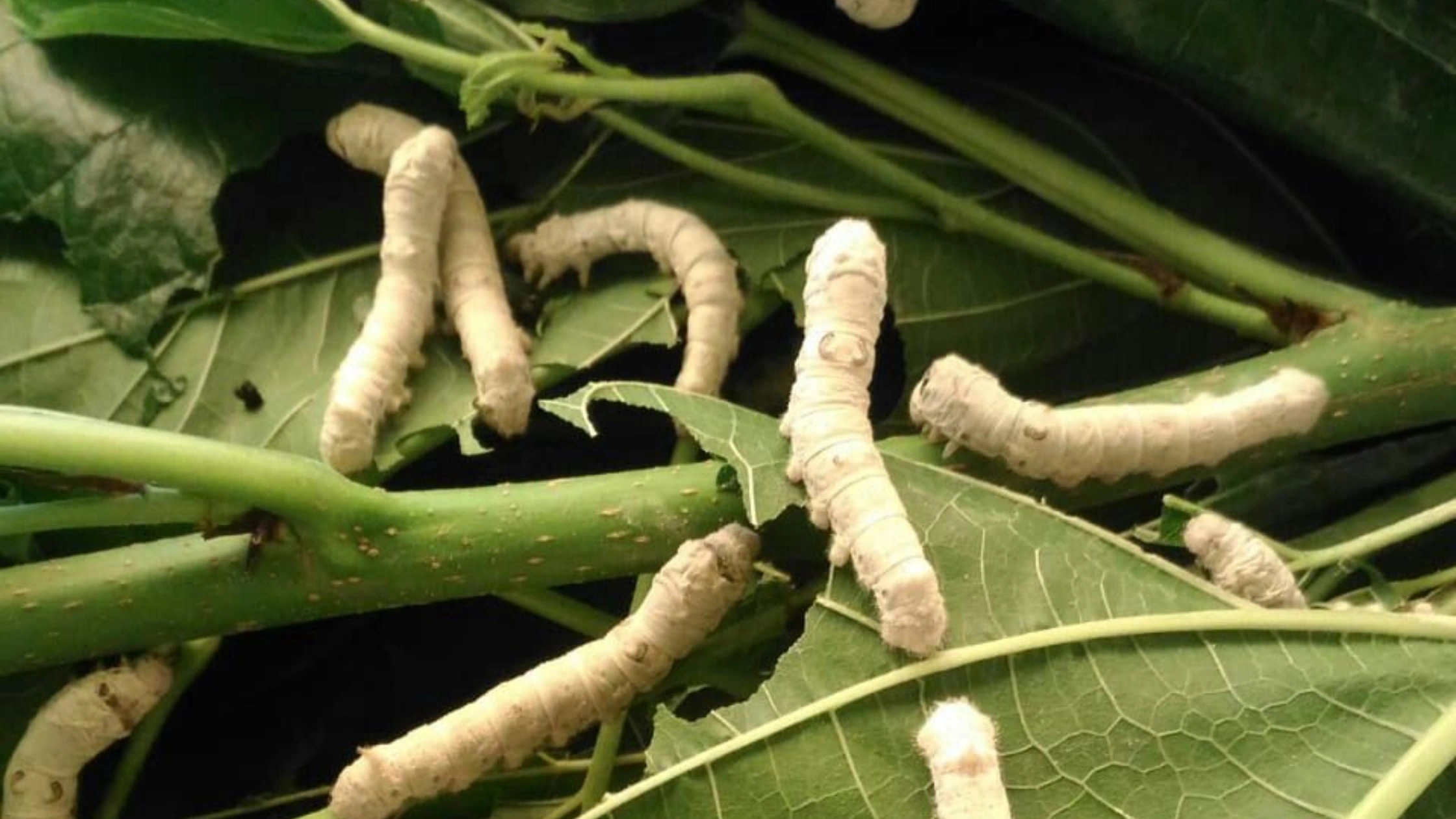
| Insect Name for Kids | Fun Insect Fact for Kids |
| Silkworm | Silkworm is the caterpillar of the silk moth. It is used to make the luxurious fabric silk. |
| Cicada | It makes a loud buzzing sound. It usually lives underground but comes out during the summer. |
| Mantidfly | It looks like a mix of a wasp and a praying mantis. They have good vision and hunt other insects. |
| Bug (Shield Bug) | It has a shield-shaped body. It sprays a stinky liquid to defend itself |
| Scarab Beetle | It is super strong and can lift 850 times its weight. It uses stars to go in a straight line while rolling dung balls. |
| Fire Ant | It has a painful and venomous bite. It forms living rafts with other ants by linking bodies to float safely on water. |
| Carpenter Bee | It has a strong jaw and makes holes in wood to make nests. Unlike a bee, it lives alone and cannot sting. |
These examples of insects for kids show that they come in different colours, shapes, eat, and do different things. The above insect chart for kids helps them to build early observation skills and develop curiosity in a fun and visual way.
Indian Insect Name with Pictures
Now that the kids are familiar with the different types of insects and their characteristics, let’s look at some Indian insects images with names for kids that they can commonly see around their homes or playground. When they have real-life examples and visuals, it is easier for kids to learn.
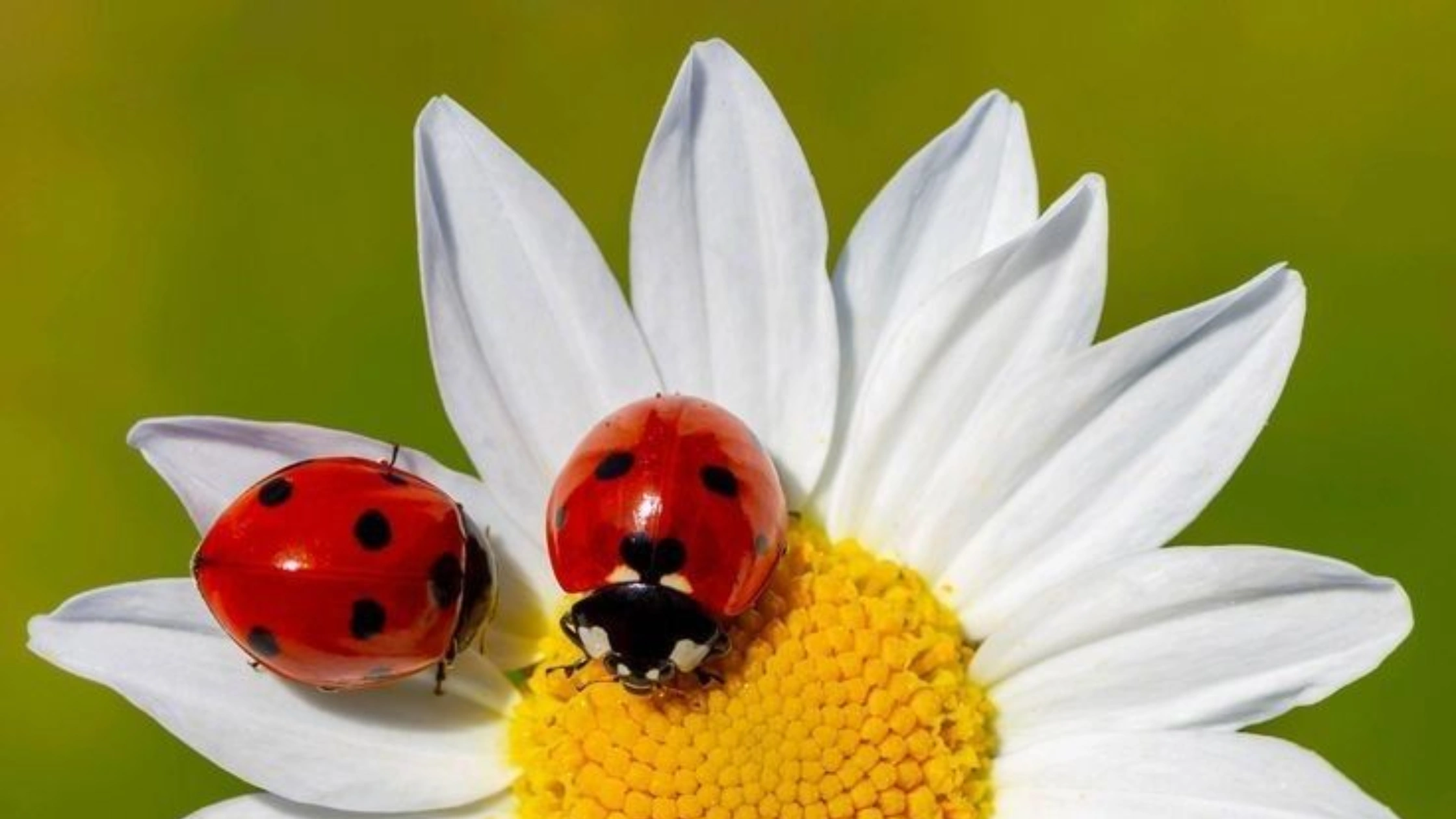
Insect Name for Kids | Where It’s Found | Fun Fact for Kids |
| Ant | Homes, gardens, parks | Collects food in groups |
| Bee | Gardens, farms | Makes honey and helps plants grow by pollination |
| Butterfly | Gardens, near flowers | Comes from a caterpillar and are very colourful |
| Moth | Near lights at night | Like butterflies but active at night |
| Housefly | Around food and waste | Spreads germs as it spits on food |
| Mosquito | Near stagnant water | Sucks blood and can cause diseases like dengue and malaria |
| Cockroach | Homes, kitchens | Hides in dark corners and comes out at night |
| Termite | Wooden furniture, soil | Eats wood and builds mud tunnels |
| Dragonfly | Near ponds and lakes | Eats mosquitoes |
| Grasshopper | Fields and gardens | Jumps high and eats leaves |
| Cricket | Grasslands, fields | Makes chirping sounds at night |
| Ladybug (Ladybird) | On leaves and flowers | Good insect that eats plant pests |
| Beetle | Under leaves, soil | Has a hard outer shell |
| Firefly (Lightning Bug) | Near water at night | Glows in the dark |
| Caterpillar | On leaves | Baby form of a butterfly |
| Stick Insect | Forest areas | Looks like a twig to hide from enemies |
| Praying Mantis | Gardens and farms | Holds its front legs like it’s praying |
| Wasp | Near fruit trees, gardens | Builds paper-like nests and can sting |
| Hornet | Forests, trees | Bigger than wasps; lives in colonies |
| Locust | Agricultural fields | Travels in groups and eats crops |
| Flea | On pets and animals | Small jumping insect that sucks blood |
| Bug (Stink Bug) | Gardens | Sprays stinky liquid when touched |
| Water Strider | Ponds and still water | Walks on water without sinking |
| Weevil | Stored grains, rice | Small beetle that infests food grains, flour or beans |
| Leaf Insect | Forests and gardens | Looks like a flattened green or dried leaf |
| Aphid | On flower buds and leaves | Sucks juice from plants |
| Silkworm | On mulberry leaves | Makes silk threads for clothes |
| Cicada | Trees and forests | Makes a loud buzzing sound |
| Fire Ant | Soil and mounds | Lives in large colonies and defends aggressively |
| Termite Soldier | Inside termite colonies | Protects its group with strong jaws |
| Mud Dauber Wasp | Walls and corners | Builds nests out of mud on walls |
| Dung Beetle | Near cattle areas | Cleans the environment by breaking and recycling dung. |
Learn, Grow, and Shine! Set the right foundation for your child’s success.
Amazing Facts About Insects
Learning about insects becomes more fascinating when kids explore some amazing facts about them. Below are some surprising facts and insects pictures for kids:

- Dragonflies have been on the earth since the time of dinosaurs.
- Caterpillars have 12 eyes.
- A single honeybee hive can produce 100 kg of honey each year.
- Mosquitoes are attracted to sweaty and stinky feet.
- Ants can lift 50 times their own weight.
- Bees can see five times faster than humans.
- Grasshoppers have ears on their stomachs.
- A ladybird eats more than 5000 words in its lifetime.
- Houseflies can reach the speed of 90mph.
- Bees have two stomachs- one for food and one for nectar.
Fun Activities For Kids
For children, discovering insects through facts is not enough. Children learn best when they see, touch, and do. Using insect images for kids, along with some hands-on activities, helps children connect their learning to real experiences. Here’s a list of fun activities that can make lessons enjoyable for children:
1. Insect Hunt
Hunting for insects is a great way to learn and observe nature. Children can engage all their senses to search for and identify insects. They also learn to use their critical thinking and fine motor skills while investigating and catching insects with tweezers.
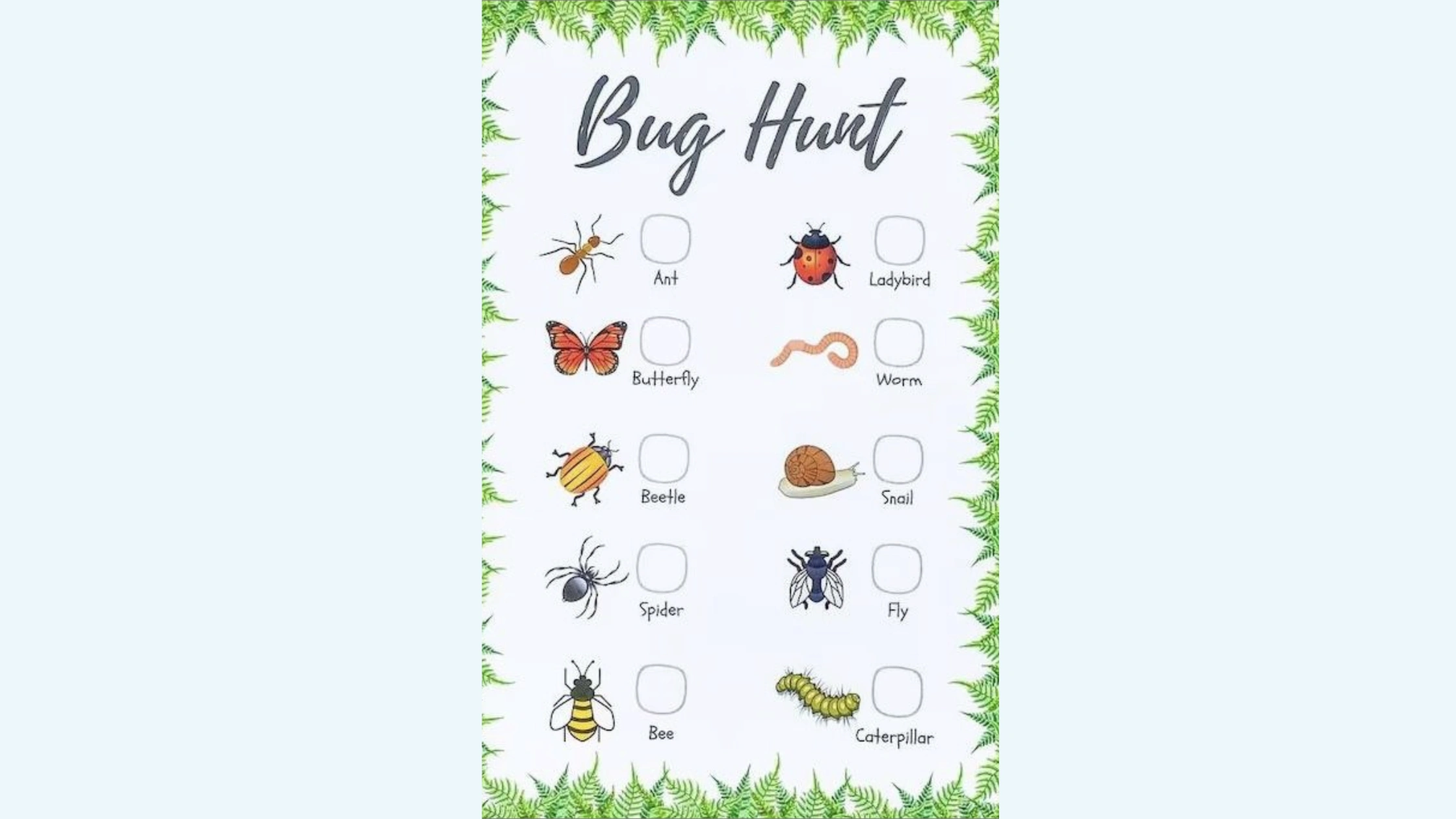
Steps:
- Let the children take a walk in nature.
- Ask questions like ‘Show me a small and round insect’ or ‘Do you see a butterfly?’
2. Insects Craft Corner
Insect crafts for kids help them to boost creativity, learn about their body parts, habitats, and life cycles. They also learn to count legs or wings and identify patterns on insects.
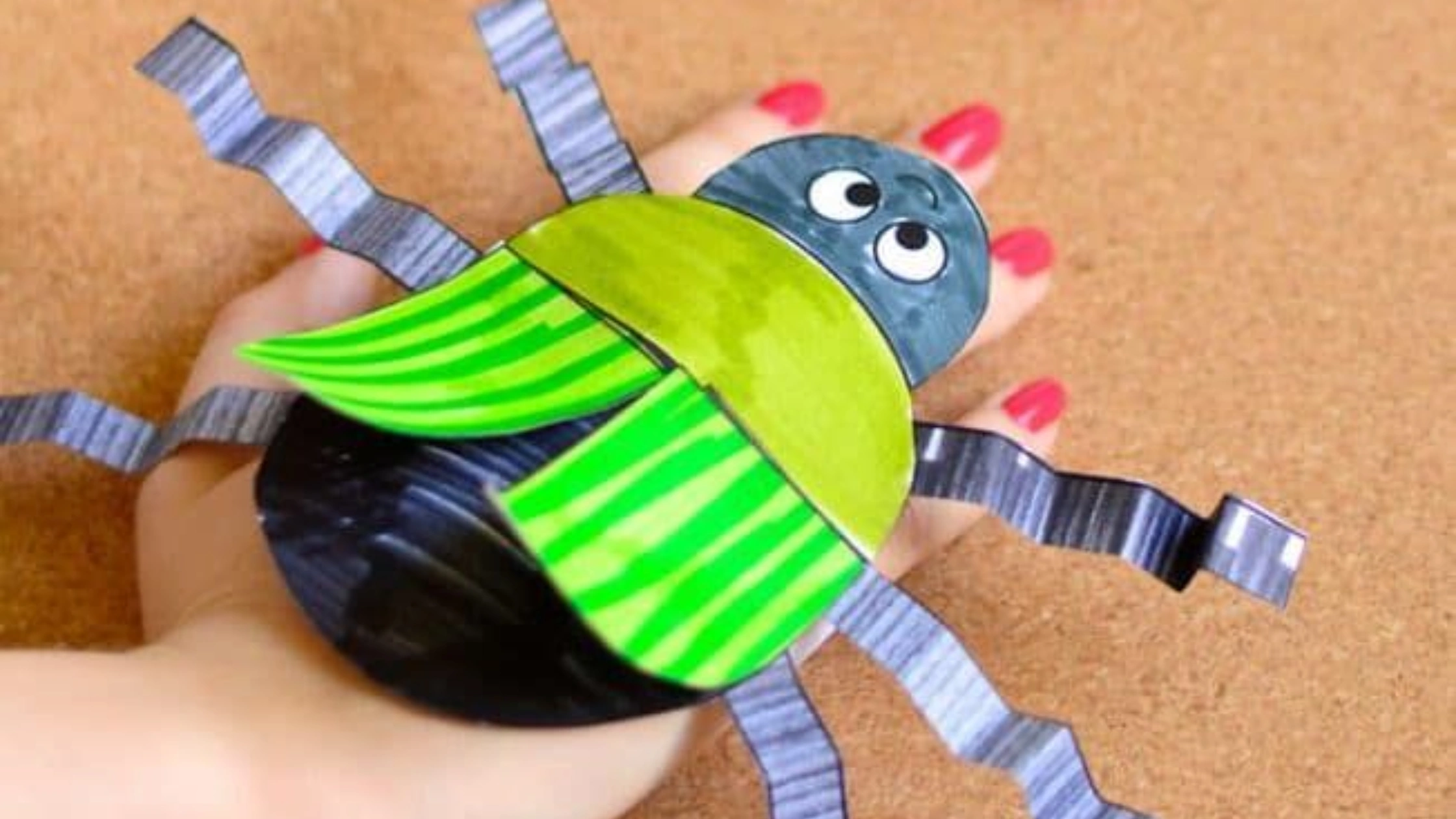
Materials Required
3 paper plates, 2 googly eyes, and crayons
Steps:
- Place 3 paper plates on a straight line as the head, thorax, and abdomen of an ant.
- Let children colour them with their favourite colours.
- Place 2 googly eyes on the first plate.
3. Story Time
Story time helps to remember the characteristics, patterns, and habitats of useful insects for kids. Story time sparks focus and expands the vocabulary of children.
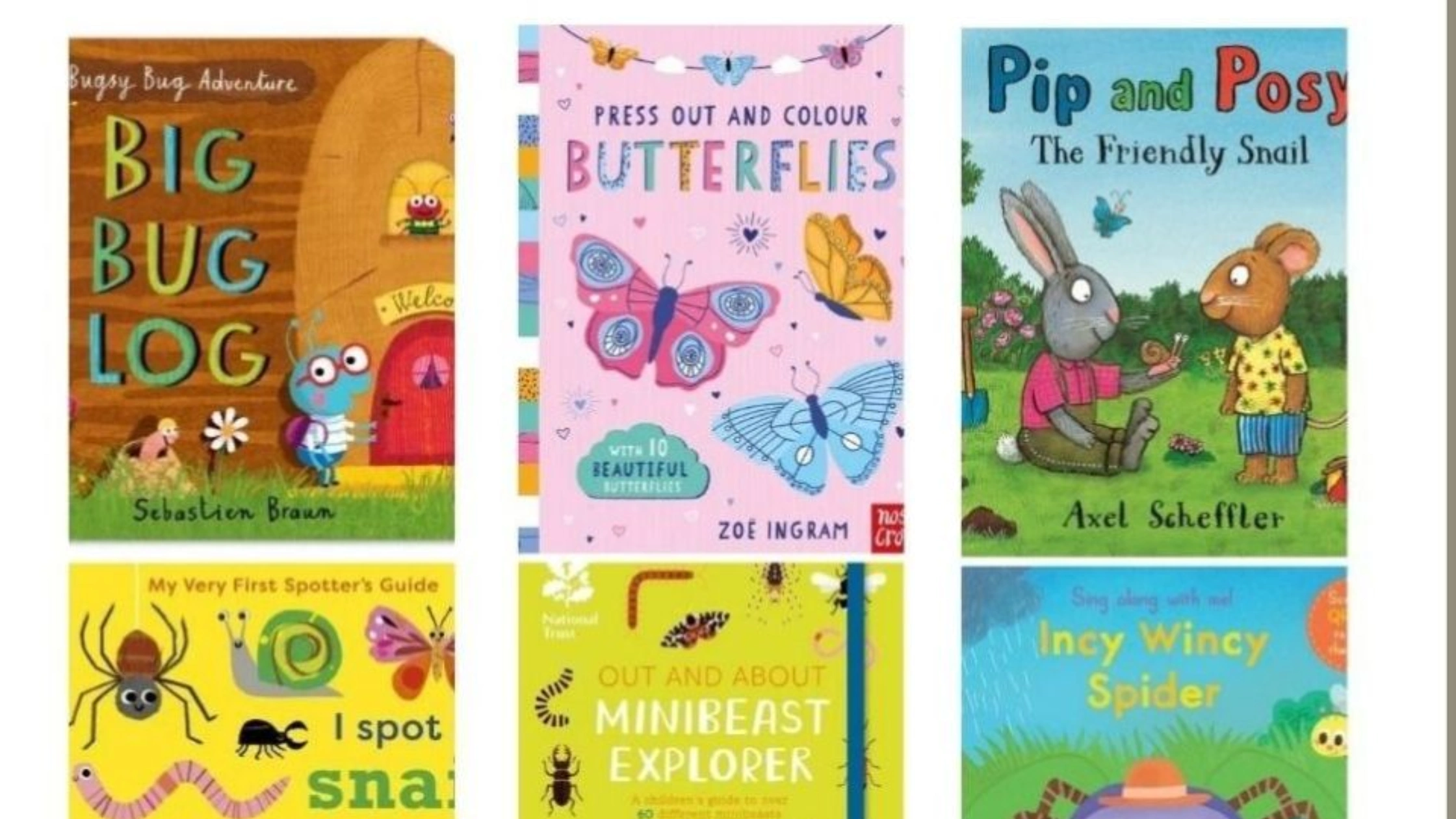
Steps:
- Read stories about common Indian insects like grasshoppers, ants, or bees.
- Include their features and characteristics, like busy bees or hardworking ants.
4. Insect Rhymes
Repetition of words in insect rhymes is good for children’s brains because it improves memory and builds language and vocabulary.
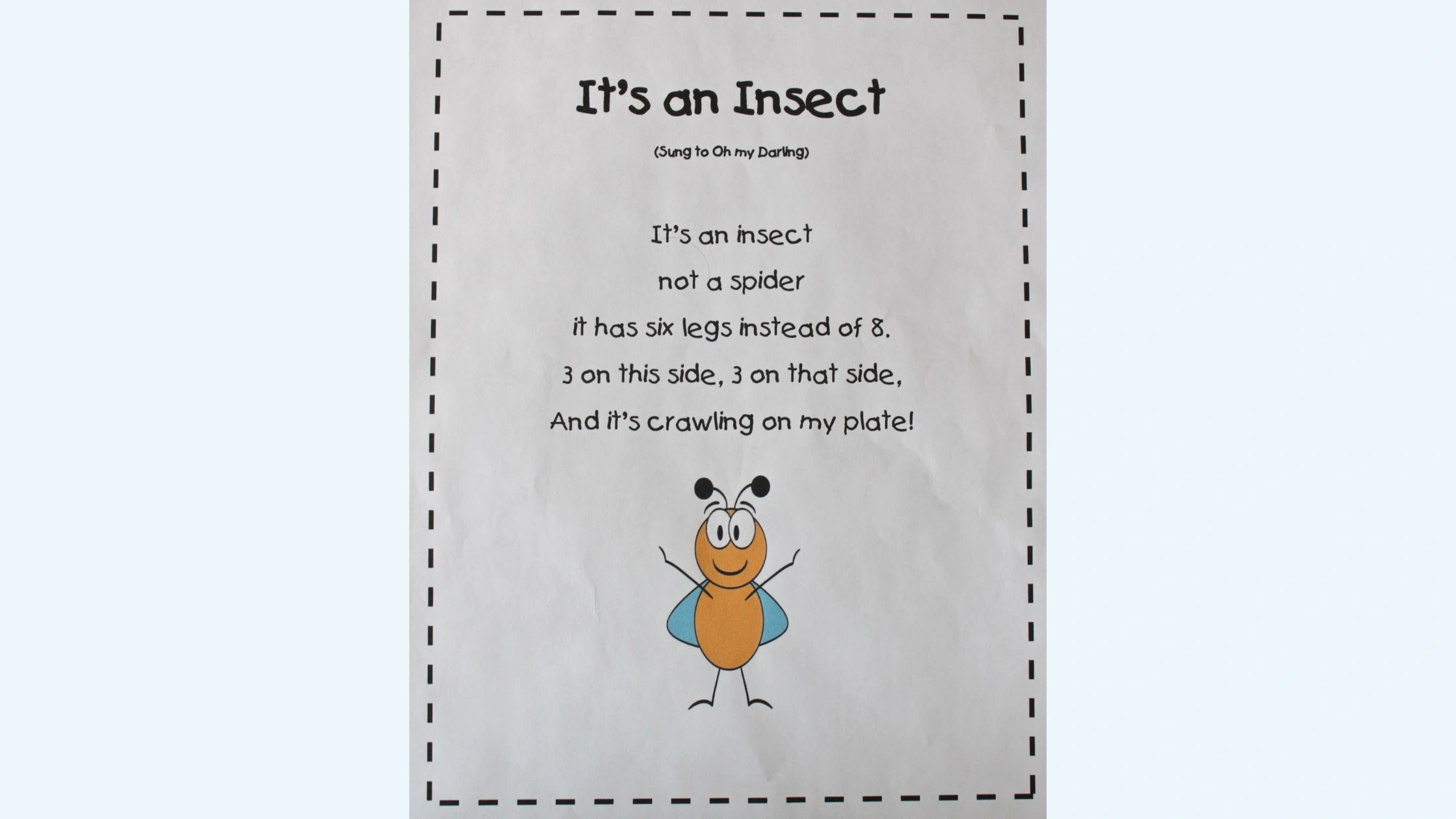
Steps:
- Sing classic rhymes like ‘Itsy Bitsy Spider’ and ‘Ladybug Ladybug’.
- Encourage children to sing along when the words are repeated.
5. Insect Worksheets
Insect worksheets are beneficial for kids because they provide structured learning about insects, develop critical thinking, and fine motor skills. It is also a great way to reduce screen time.
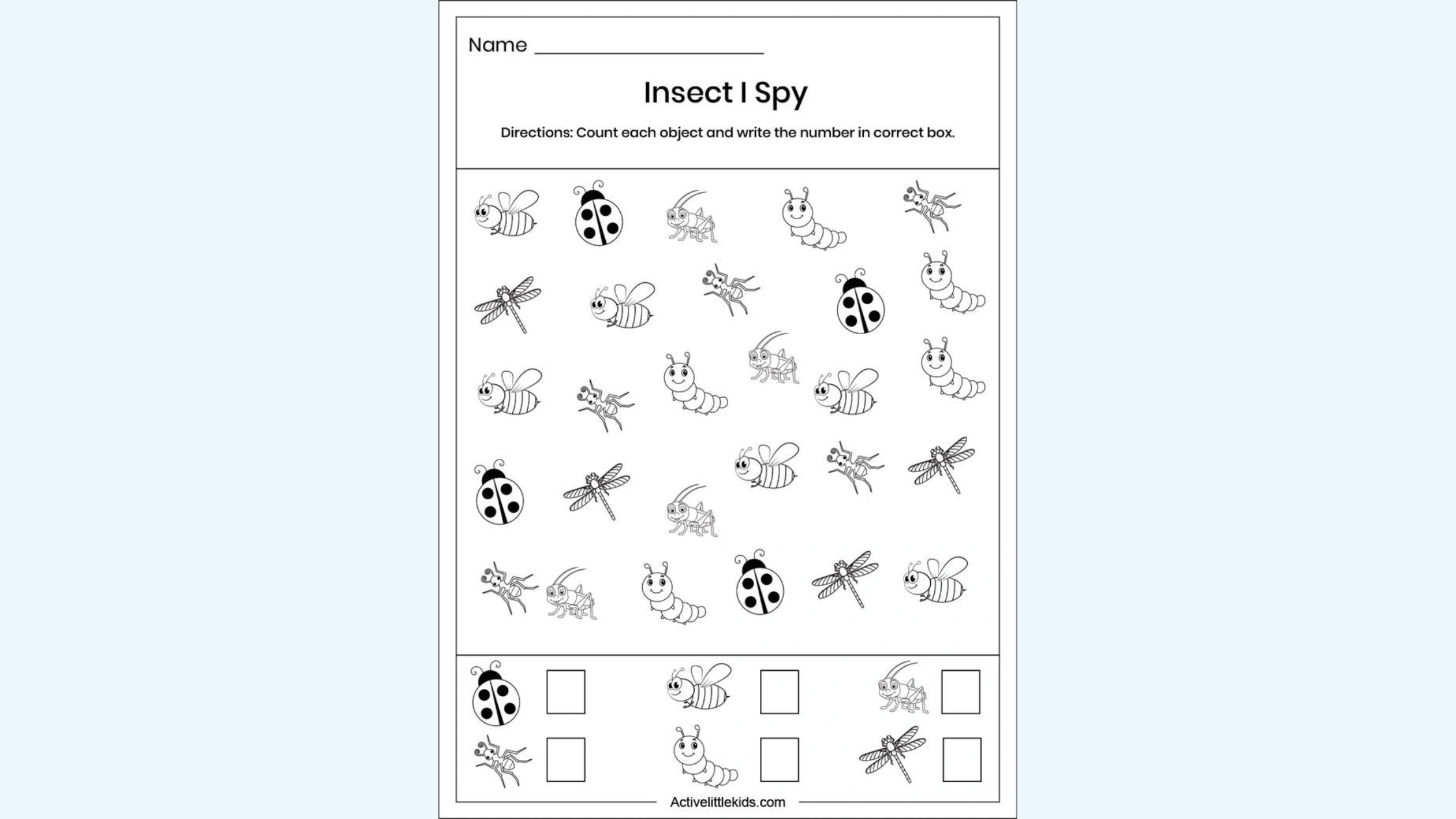
Steps:
- Provide children with worksheets of insects, their body parts, and their habitats.
- Guide children to colour, match pairs, or label the parts of an insect.
Insect Safety and Hygiene to Teach Kids
While the above insect activities encourage children to curiously explore, it is as important to teach them how to stay safe from insects as well. When they observe insects outdoors or take part in activities like an insect hunt, they should also learn simple hygienic habits while enjoying:
- Do not touch unknown insects. Always observe from a distance.
- Keep surroundings clean to help reduce insects like flies, mosquitoes, and cockroaches.
- Wash hands after a walk or outdoor play.
- Always sleep inside mosquito nets.
- Never disturb hives, ant hills, or mounds on the ground.
Conclusion
Insects play an important role in nature and offer children endless opportunities to learn, observe, and explore. From recognizing common insects to understanding different types of insects and their contribution to the environment, this blog helps parents and educators teach young ones about insects through pictures, facts, tips, and fun activities.
At KLAY, we nurture children’s natural curiosity through such age-appropriate activities, visuals, and hands-on experiences.











Subscribe to our newsletter
[contact-form-7 id="12706" title="Newsletter Form for post page"]Our Related Blogs
Yoga Benefits, Activities, and Poses for Preschoolers
For preschoolers, yoga isn’t about perfection but about giggles and benefits. So, are you curious how a simple stretch can support a child’s focus, flexibility, and emotional well-being? Let’s roll...
Year-End Reflection and Goal Setting for Children
Parenting is a journey filled with the brightest moments and valuable lessons, both for us and our children. As the year draws to a close, it’s the perfect time to...
Work-Life Balance Solutions for Parents in Emerald Hills Rd, Sector 65, Gurugram: The KLAY Daycare Advantage
Finding the perfect balance between professional commitments and parenting is a challenge for many working families in Gurugram. Parents in Emerald Hills Rd, Sector 65, especially, look for childcare solutions...