





If you quietly observe a preschool classroom, you will notice something fascinating. Children are constantly asking questions, even when they are not using words like:
- Why does this block wobble?
- What happens if I mix these colours?
- Can I climb this differently?
- Why is my friend doing it that way?
Located at Saket Callipolis, S.No 57/58/1/2 & 3, Sarjapur Main Road, Opposite Wipro, 22 Doddakannhalli, 34A, Sarjapur – Marathahalli Rd, Rainbow Drive, Doddakannelli, Bengaluru, Karnataka 560035.
Google Maps link: https://maps.app.goo.gl/pJTKcW4wJHiPig157
Curiosity is the natural language of childhood.
At KLAY Sarjapur – Saket Callipolis, our days are intentionally designed around this powerful instinct. Because long before children learn facts, they learn how to wonder, explore, test, and discover. And that process begins with making space for curiosity.
Curiosity does not follow a schedule
One of the biggest misconceptions about early learning is the idea that curiosity appears only during “activity time.” In reality, curiosity shows up everywhere, during play, transitions, conversations, problem-solving moments, and unexpected discoveries.
A child may suddenly become deeply interested in how shadows move across the floor. Another might spend long stretches experimenting with stacking objects in unusual ways. A simple question can evolve into a full exploration. That is why our preschool curriculum is built with flexibility at its core. Rather than rigidly directing every moment, teachers allow curiosity to breathe.
Designing environments that invite exploration
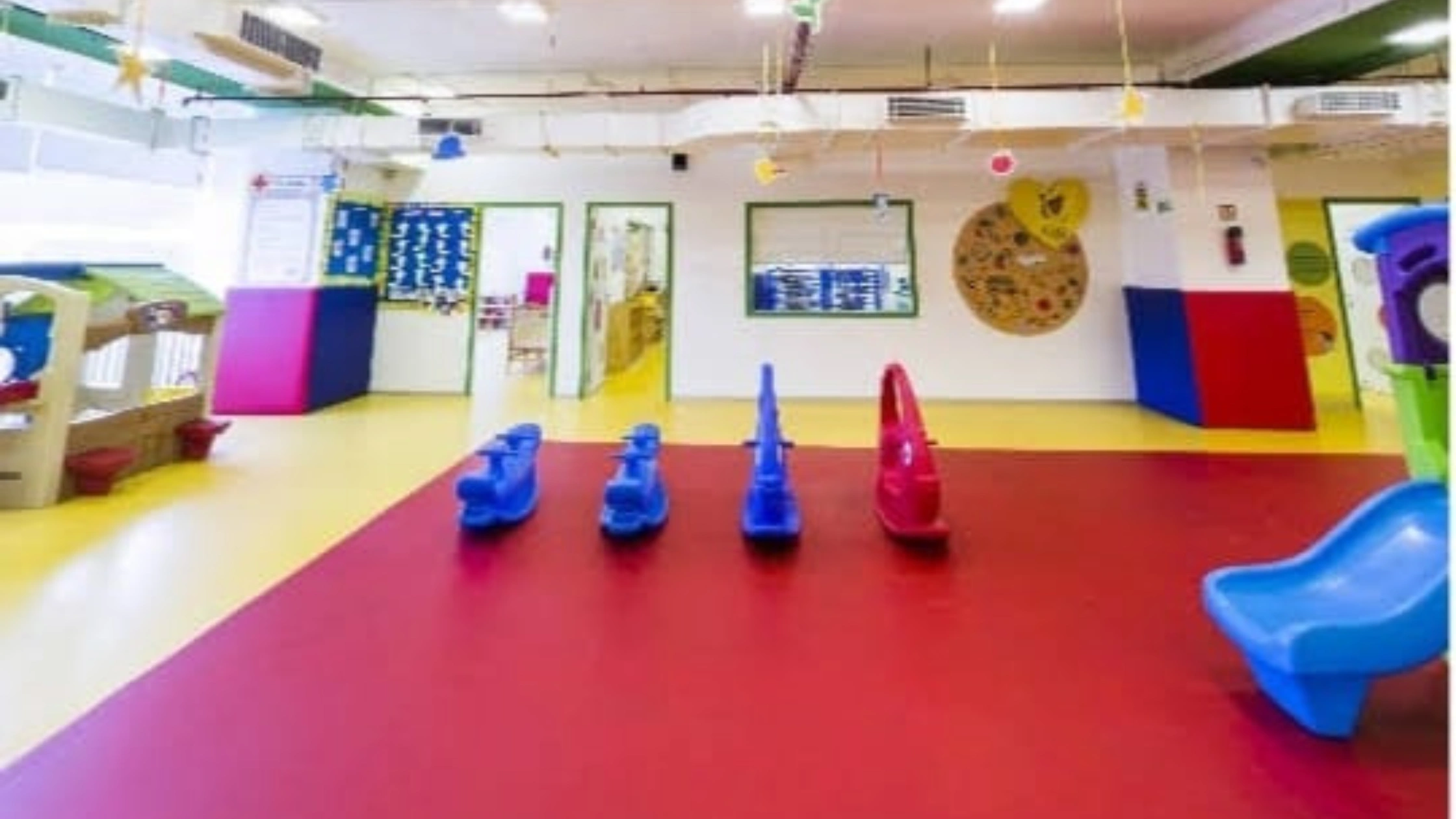
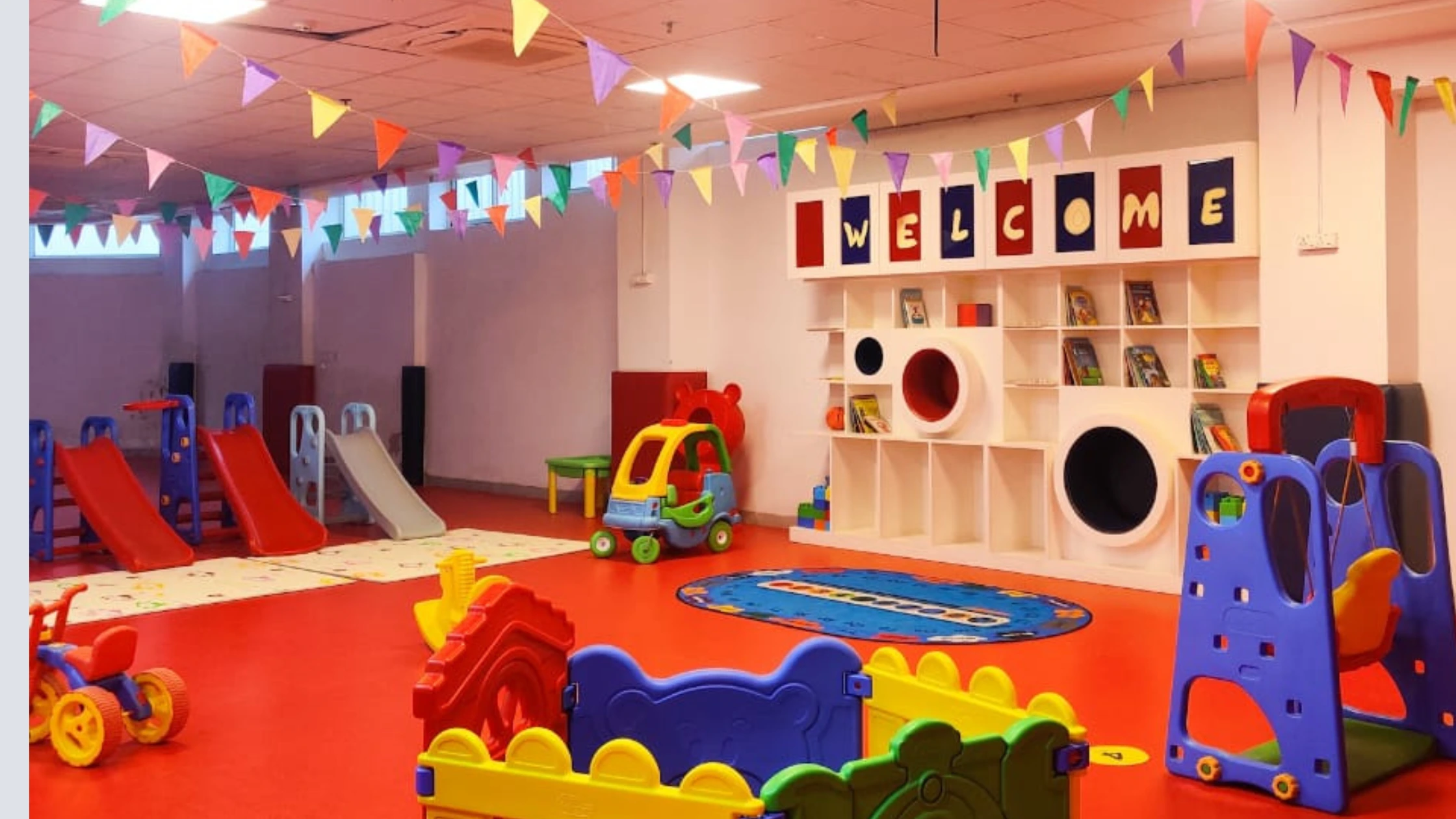
Curiosity thrives when children feel free to engage with their surroundings. At KLAY Sarjapur – Saket Callipolis, classrooms are thoughtfully arranged to spark investigation- materials are accessible, learning corners are inviting, objects are open-ended, and paces encourage movement.
Instead of overwhelming children with excessive stimulation, environments are designed to quietly provoke thinking.
“What can I do here?”
“What happens if I try this?”
The classroom itself becomes a conversation starter
Following the child, not just the plan. While structured learning is important, meaningful discovery often happens in unscripted moments.
A planned art activity might suddenly turn into a sensory exploration. A building exercise may evolve into collaborative problem-solving. A simple story might trigger a wave of imaginative play. Through carefully designed preschool programs, teachers balance intention with responsiveness.
They observe, listen, and adapt. Because curiosity cannot be forced, but it can be nurtured.
Why curiosity is foundational learning
Curiosity is not separate from academics. It is the engine behind them.
When children explore, they develop critical thinking, strengthen problem-solving skills, build cognitive connections, enhance creativity, and improve attention spans
A curious child is an engaged learner. A child who wonders is a child who learns deeply. Our preschool curriculum recognises that lasting understanding grows from exploration rather than memorisation.
Creating psychological safety for curiosity
Curiosity flourishes only when children feel safe to experiment.
Safe to ask questions.
Safe to make mistakes.
Safe to try unconventional ideas.
At KLAY Sarjapur – Saket Callipolis, teachers intentionally cultivate this emotional safety. There are no “wrong attempts.” No rushed corrections. No pressure to perform.
Instead, children experience encouragement:
“Let us see what happens.”
“That is an interesting idea.”
“Would you like to try again?”
Confidence and curiosity grow together.
Curiosity lives in everyday moments
Some of the richest learning experiences are beautifully ordinary.
- Wondering why leaves differ in texture.
- Observing how water behaves when poured.
- Exploring how friendships work.
- Testing physical boundaries on the play structures.
Through thoughtfully structured preschool programs, everyday moments become opportunities for discovery. Learning becomes continuous, not compartmentalised.
What parents often notice first
Parents frequently describe subtle but meaningful shifts:
- “My child asks more questions.”
- “They notice small details.”
- “They explore independently.”
- “They think creatively.”
These changes are reflections of a learning environment where curiosity is protected rather than rushed.
Why this matters during preschool admissions
When families consider preschool admissions, discussions often centre around curriculum structure, academic readiness, and facilities. But curiosity quietly underpins all future learning.
Children who are encouraged to wonder develop:
- Better problem-solving skills
- Stronger independence
- Higher engagement
- Greater confidence
At KLAY Sarjapur – Saket Callipolis, curiosity is not treated as a phase. It is treated as a lifelong skill.
A space where wonder is welcome
For parents searching for a preschool near Sarjapur, Bangalore, the ideal environment often feels like a balance:
- Structured yet flexible
- Guided yet exploratory
- Nurturing yet stimulating
At KLAY Sarjapur – Saket Callipolis, curiosity is woven into the rhythm of every single day. Because when children are allowed to explore freely, something remarkable happens. Learning stops feeling like instruction. And starts feeling like a discovery.








Subscribe to our newsletter
[contact-form-7 id="12706" title="Newsletter Form for post page"]Our Related Blogs
Yoga Benefits, Activities, and Poses for Preschoolers
For preschoolers, yoga isn’t about perfection but about giggles and benefits. So, are you curious how a simple stretch can support a child’s focus, flexibility, and emotional well-being? Let’s roll...
Year-End Reflection and Goal Setting for Children
Parenting is a journey filled with the brightest moments and valuable lessons, both for us and our children. As the year draws to a close, it’s the perfect time to...
Work-Life Balance Solutions for Parents in Emerald Hills Rd, Sector 65, Gurugram: The KLAY Daycare Advantage
Finding the perfect balance between professional commitments and parenting is a challenge for many working families in Gurugram. Parents in Emerald Hills Rd, Sector 65, especially, look for childcare solutions...