



 76767 08888



Every parent has witnessed it – the sudden tears, the unexpected frustration, and the dramatic “NO.” The meltdown that seems to arrive out of nowhere.
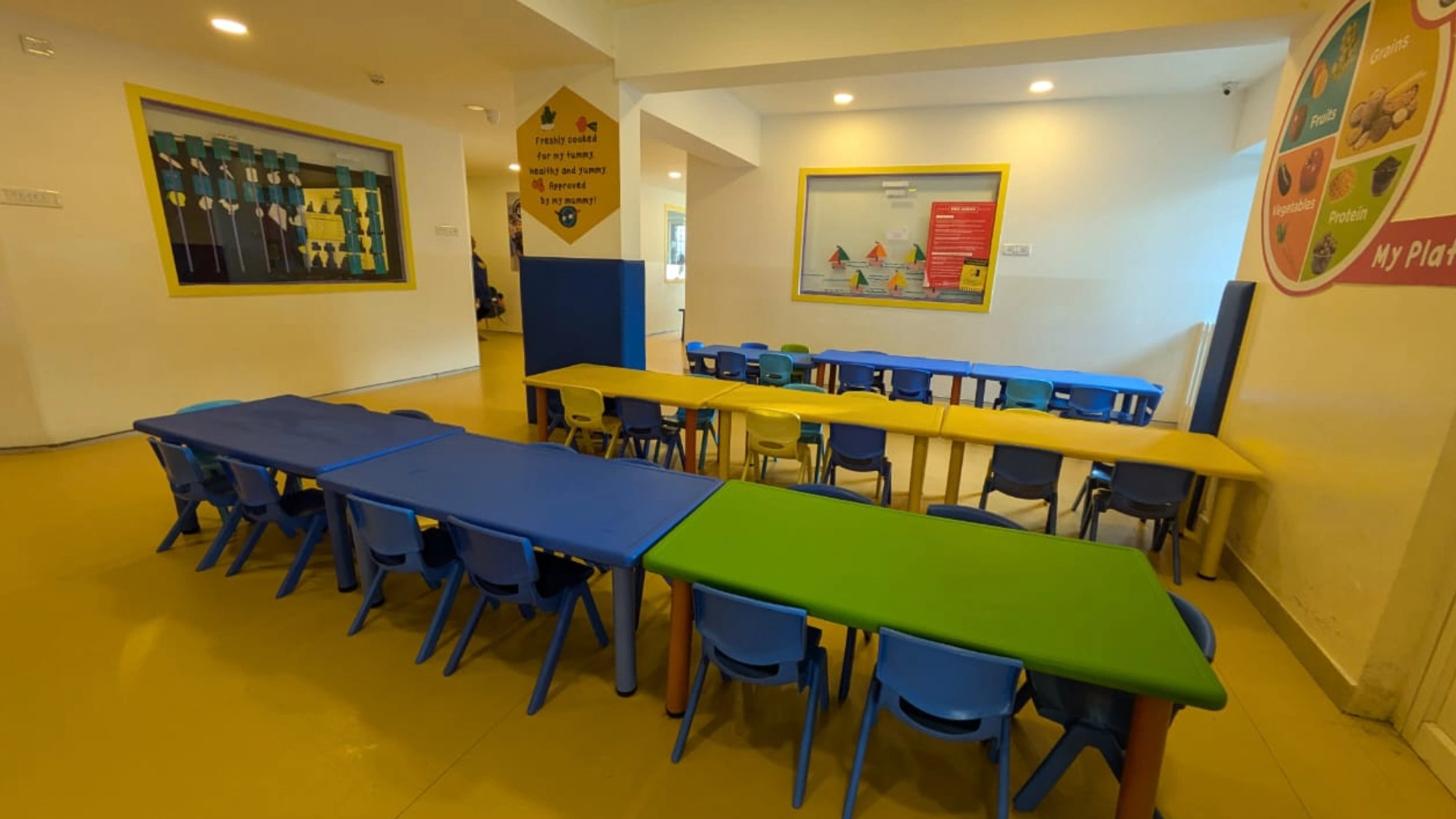
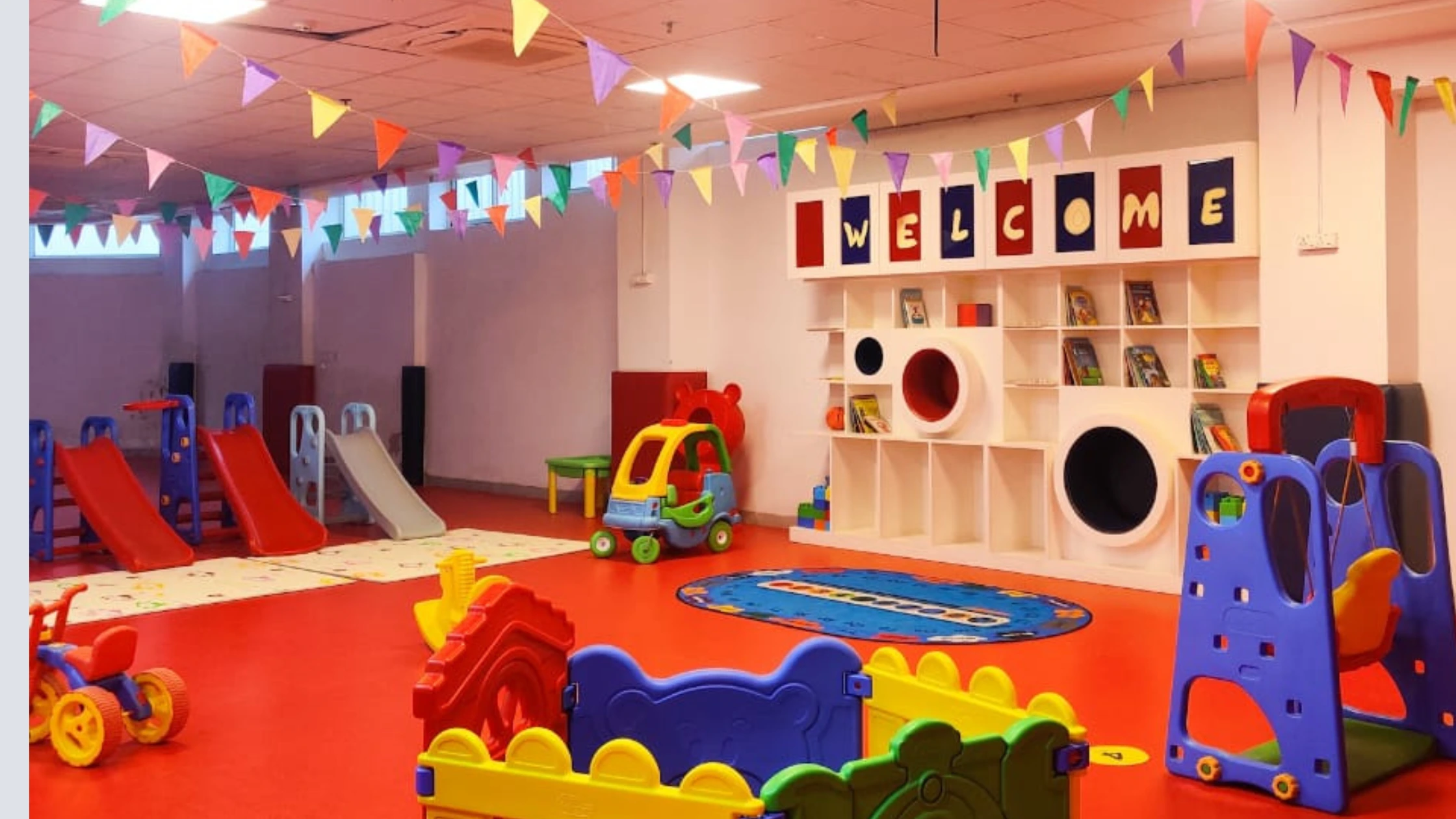
Big feelings are a very normal part of early childhood. In fact, they are not signs of misbehaviour, they are signs of development. Young children are constantly navigating emotions they do not yet have the words, control, or understanding to manage. At KLAY Harlur, handling these big feelings is not treated as a disruption to learning. It is learning.
Google maps: https://maps.app.goo.gl/kpwfZ6WCYVFBDp7N8
Why big feelings are healthy?
Children experience emotions intensely because everything is new. New environments. New expectations. New social interactions. New routines.
Unlike adults, children are still developing emotional regulation skills. Their brains are learning how to pause, process, and respond. Until then, feelings often show up physically, through tears, withdrawal, clinginess, or frustration.
Rather than trying to “stop” emotions, our preschool curriculum, KLAYEdge is designed around helping children understand them. At KLAY we regard emotional literacy is as important as cognitive learning.
Our first response is calm, not correction
When a child is overwhelmed, the instinctive adult reaction is often to immediately fix, distract, or discipline. But children do not always need solutions. They need regulation.
At KLAY Harlur, teachers approach emotional moments with intentional calm. Instead of reacting strongly, they:
- Acknowledge the feeling
- Offer reassurance
- Provide emotional safety
- Help the child regain balance
A simple “I see you are upset” often does more than a hurried “Stop crying.” Because children first need to feel understood before they can feel settled.
Teaching emotional skills happens in real time
Emotional learning is not a scheduled activity. It happens in everyday moments like waiting for a turn, sharing a toy, transitioning between activities, saying goodbye to parents or navigating peer interactions.
Through thoughtfully structured preschool programs, children gradually learn:
- How to express feelings
- How to wait
- How to cope with frustration
- How to recover from disappointment
- How to self-soothe
These are life skills, not classroom rules. And they cannot be taught through instruction alone; they must be experienced.
Why we avoid big reactions?
Here is something fascinating about young children: They borrow emotional responses from adults. When adults react with urgency, frustration, or alarm, children often escalate. But when adults respond with steadiness, children begin to mirror that calm.
At KLAY Harlur, emotional regulation starts with the environment itself.
Teachers model:
- Gentle tone of voice
- Predictable responses
- Consistent reassurance
- Emotional patience
Over time, children internalise these patterns. Calm becomes contagious.
Creating emotional safety in the classroom
Children regulate better when they feel secure. This is why emotional safety is deeply woven into KLAY preschool programs. We understand that:
- Predictable routines reduce anxiety
- Clear transitions reduce confusion
- Warm teacher relationships build trust
- Comfort corners provide quiet reset spaces
Children begin to understand:
- “I am safe here.”
- “My feelings are okay.”
- “I can recover.”
And this sense of security transforms how children handle emotions.
What parents often notice first
Parents frequently share similar observations after enrolment:
- “My child expresses emotions more clearly.”
- “The meltdowns have reduced.”
- “They recover faster.”
- “They talk about feelings.”
This shift is not accidental. It is the outcome of a learning environment where emotional development is prioritised alongside academics. Because confident learners are emotionally secure learners.
Why emotional learning matters when choosing a preschool?
When families explore preschool admissions, conversations often revolve around academics, facilities, or schedules. But emotional development quietly shapes every aspect of a child’s growth. A strong preschool curriculum does not just teach numbers and letters. It teaches resilience, adaptability, confidence and self-regulation. These are the foundations of lifelong learning.
A space where feelings are welcome
At KLAY Harlur, emotions are not seen as problems to be managed. They are signals to be understood. Children are supported through big feelings with patience, warmth, and steady guidance, helping them build the skills to respond rather than react.
For parents searching for a preschool near Ambalipura Bangalore, the goal is often simple: A place where children feel safe, understood, and supported.
Because when children learn that their feelings are accepted, something powerful happens. They do not just feel calmer, they feel secure. And from that security, every other kind of learning naturally grows.









Subscribe to our newsletter
[contact-form-7 id="12706" title="Newsletter Form for post page"]Our Related Blogs
Yoga Benefits, Activities, and Poses for Preschoolers
For preschoolers, yoga isn’t about perfection but about giggles and benefits. So, are you curious how a simple stretch can support a child’s focus, flexibility, and emotional well-being? Let’s roll...
Year-End Reflection and Goal Setting for Children
Parenting is a journey filled with the brightest moments and valuable lessons, both for us and our children. As the year draws to a close, it’s the perfect time to...
Work-Life Balance Solutions for Parents in Emerald Hills Rd, Sector 65, Gurugram: The KLAY Daycare Advantage
Finding the perfect balance between professional commitments and parenting is a challenge for many working families in Gurugram. Parents in Emerald Hills Rd, Sector 65, especially, look for childcare solutions...