



 76767 08888


Key Takeaways:
-
Discipline is about teaching children how to behave appropriately and not simply punishing them when they make mistakes. -
Clear, consistent boundaries can help children understand what is expected of them and why. -
Young children need repeated guidance before they can consistently practise self-discipline on their own. -
Simple responsibilities, such as putting away toys, can help children practise independence and responsibility. -
Parents, grandparents, caregivers, and preschools should aim for similar rules and expectations to give children consistent guidance.
The preschool years can bring plenty of challenging moments. A child may refuse to put away toys, grab something from another child, or have a tantrum when told that screen time is over. These moments can naturally leave any parent wondering whether they should be stricter or more lenient.
However, your main focus should be on understanding the root causes of your child’s challenging behaviour so that you can respond in a more constructive way.
According to Meghna Yadav, Head – Training and Development, Child Psychologist, and Family Counsellor at KLAY Preschools and Daycare, “Children’s behaviour is shaped by various factors. Some behaviours, such as impulsive actions or tantrums, are part of a child’s instinctive repertoire, learned from observing others. Developmental stages also play a role; toddlers, for example, can be egocentric and act impulsively, reacting based on what they believe is best for them. Additionally, environmental factors, like a disorganised home or inconsistent routines, can heighten a child’s stress and lead to disruptive behaviour.”
What Is Discipline, Self-Discipline, & Responsibility in Early Childhood?
While these three ideas are connected, they are not the same.
-
Discipline:
Discipline means teaching children what is right, safe, and appropriate rather than simply punishing them for mistakes. For example, instead of just scolding a child for hitting someone, explain why it is wrong to do so and show them how to properly communicate their emotions instead.
-
Self-Discipline:
Self-discipline is the gradual ability to control an action or response without needing an adult to intervene every time. A preschooler may choose to wait for their turn to play with a toy instead of grabbing it. But note that at this age, self-control is still developing, so children will need plenty of reminders and support.
-
Responsibility:
For a preschooler, responsibility means understanding they have a small role to play and following through. A child might put their shoes on the rack after playing outside or put away a toy before taking out another because they know that is part of the routine.
These behaviours will not appear consistently overnight. Young children develop them gradually through repetition, modelling, clear expectations, and opportunities to practise.
How Self-Discipline & Responsibility May Look in Preschoolers: Age-Wise Chart
Children develop these skills at different rates, so the examples below should be treated as general age-appropriate examples and not as strict milestones.
| Age | What Self-Discipline May Look Like | What Responsibility May Look Like |
| 1–2 years | A child may pause briefly when told “no” or stop an action with adult help. | A child may point to or hand over a toy when asked to help tidy up. |
| 2–3 years | A child may follow one simple rule with reminders and adult support. | A child may complete a simple task, such as putting rubbish in the bin, with reminders. |
| 3–4 years | A child may begin waiting for their turn for short periods, although reminders may still be needed. | A child may complete a small task, such as putting their shoes in their usual place, with less help. |
| 4–5 years | A child may follow familiar daily routines with fewer reminders and begin managing simple impulses with support. | A child may understand a small daily responsibility, such as putting their bag away, and complete it with occasional reminders. |
Why Are Clear Boundaries More Helpful Than Punishment Alone?
Parents may sometimes swing between being very strict and avoiding rules altogether. But neither extreme gives young children the consistent guidance they need. Instead, establishing clear boundaries and explaining the reason behind those boundaries can be of better use.
Here’s why:
-
When Rules Are Too Strict:
A very strict approach gives children little room to understand or participate in the rule. Statements such as “Because I said so” may stop an action in the moment, but they do not explain what the child should do differently or why a certain boundary exists in that particular situation.
-
When Rules Are Too Flexible:
A very flexible approach may involve avoiding “no” or giving in whenever a child becomes upset. For example, allowing a child to skip brushing their teeth every time they protest may avoid an argument that evening, but it does not establish a consistent expectation around the routine.
-
A Balanced Approach:
Neither extreme is likely to provide consistent guidance. Instead, aim for balance. A balanced approach combines clear boundaries with explanation and appropriate choices. For example, a parent could say, “You cannot hit your sister. If you are angry, you can take some time to calm down or come and tell me that you are upset.”
Over time, the balanced approach builds self-discipline as kids are not just told what to do, they’re shown what to do instead. Repeated guidance can help them understand what is expected even when a parent is not standing beside them. And this can develop responsibility in them as they gradually learn to make appropriate choices without needing an adult to enforce every rule.
How Can Parents Make Boundaries Work in an Indian Home?
Every family has its own routines, living arrangements, and support systems. In many Indian homes, parents may also need to manage boundaries across grandparents, caregivers, domestic help, and busy work schedules.
-
Living in an Apartment:
When children live in an apartment with limited indoor space, running, jumping, and playing loudly may not always be practical. Instead of simply saying, “Do not run”, explain where active play is appropriate and offer alternatives, such as playing with blocks or reading indoors while saving running games for a park or play area.
-
Different Rules From Grandparents or Caregivers:
Grandparents and caregivers may have their own ideas about discipline. If one adult says a behaviour is not allowed while another allows it, children may find the boundary confusing. You need to sit together and agree on a few important rules and use similar language when communicating them.
-
Managing Screen Time When Both Parents Work:
Working parents may sometimes rely on screen time when tied up with work. However, that doesn’t mean you cannot set clear limits for your child. Decide when screens are allowed, explain the boundary in clear and simple language, and try to follow the same routine on most days. Consistent and predictable responses can help children know what to expect.
What Should Parents Do When Setting Boundaries for Their Preschooler?
-
Do: Clearly Tell Kids What You Expect
Use clear, positive, and specific instructions whenever possible. Instead of saying, “Do not run,” try, “Please use walking feet indoors.” Clear directions tell children exactly what behaviour you expect.
-
Do: Stay Calm & Consistent
Try to respond to the same behaviour in a similar way each time. Consistency helps children understand that a boundary does not change simply because they protest.
-
Do: Acknowledge Feelings Before Guiding
Name the emotion while keeping the boundary clear. You could say, “I know you are upset, but you cannot hit.” This shows that they are allowed to feel a certain way, but they’re not allowed to use harmful actions to express it.
-
Do: Notice When Children Follow the Boundary
Specific praise helps children understand which behaviour you noticed. Instead of only saying, “Well done,” try, “You waited for your turn. That was so thoughtful of you.”
-
Do Not: Give Long Explanations During a Tantrum
When a child is overwhelmed, they may not be ready to process a long explanation. Keep your words short, maintain the boundary, and talk about what happened once they are calmer.
-
Do Not: Let Different Adults Use Completely Different Rules
Discuss important boundaries and expectations with other family members and caregivers. Children benefit when the adults around them respond consistently.
-
Do Not: Turn a Boundary Into a Threat
A boundary explains what behaviour is expected and what will happen next. A threat relies on fear to control behaviour. Keep your language calm, clear, and focused on the behaviour.
-
Do Not: Punish the Feeling
Children can feel angry, disappointed, or frustrated, but they need to learn that these feelings do not make it acceptable to hurt someone else. Setting a boundary means accepting the emotion while showing your child how to express it safely and appropriately. For example, you can say, “You can be angry, but you cannot hit. We’ll sit down and talk about how you feel.”
How Can a Preschool Reinforce These Boundaries?
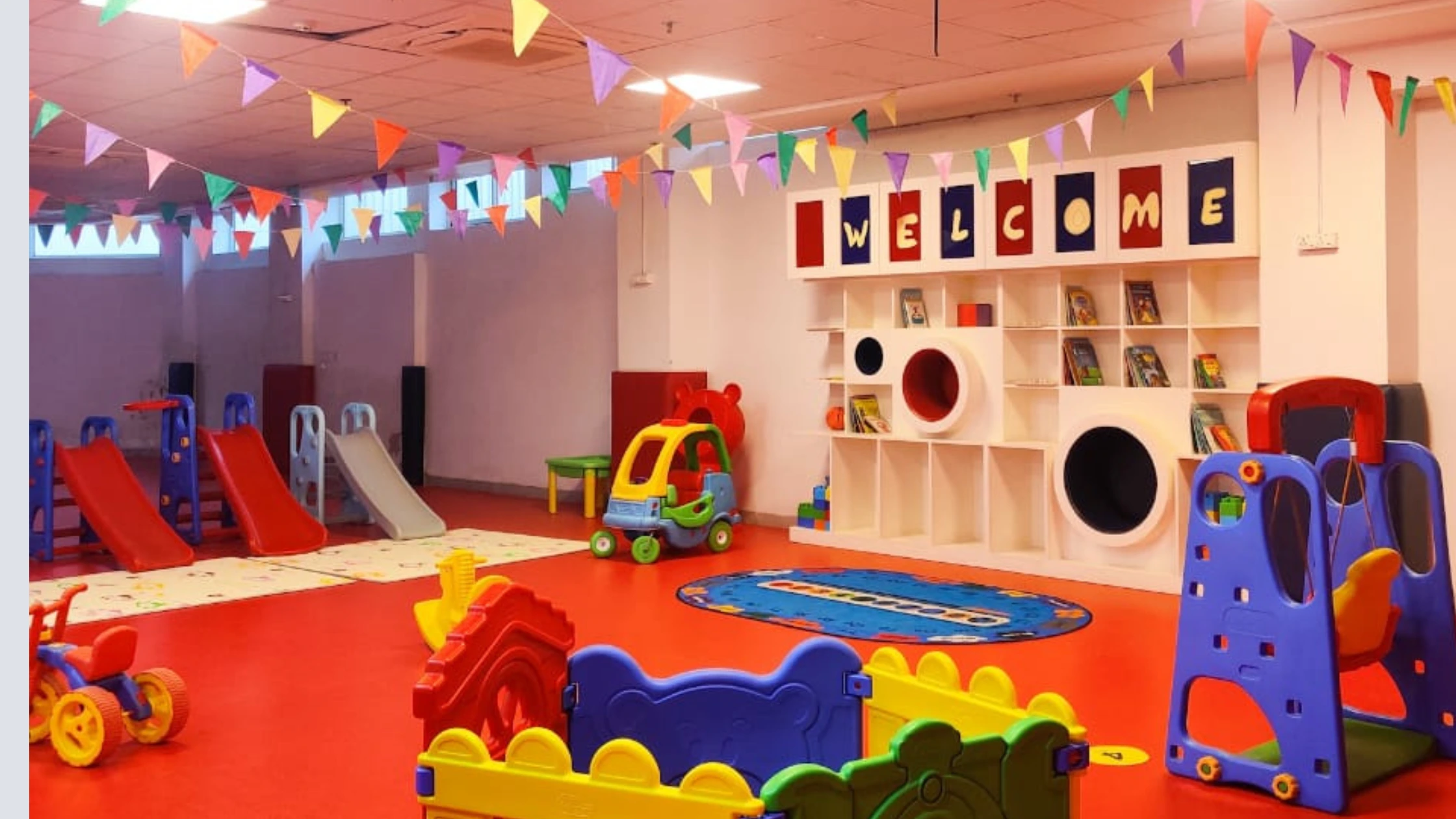
Preschools provide a structured setting where children practise routines, boundaries, cooperation, and age-appropriate responsibilities. But you need to align your expectations with the teachers so consistency is maintained and your child gets repeated opportunities to practise similar behaviours in different situations.
At KLAY, predictable routines and play-based learning experiences can help your child practise following instructions, caring for their belongings, taking turns, participating in group activities, and becoming more independent. This type of consistent daily structure can complement the boundaries parents establish at home.
FAQs:
1. At what age do toddlers start understanding boundaries?
Toddlers begin to understand simple rules and boundaries during the early years, although they may not follow them consistently. By around 2–3 years, many children can follow simple instructions and routines, but they still need frequent reminders and adult guidance.
2. Is it normal for a 2-year-old to ignore rules again and again?
Yes. Two-year-olds are still developing self-control and are also becoming more independent. They may test limits repeatedly, especially when they are tired, hungry, frustrated, or eager to do something themselves. Consistent, simple boundaries and calm redirection can help.
3. What is the difference between a boundary and a punishment?
A boundary tells a child what behaviour is expected or not allowed. Punishment is a response to behaviour intended to impose a consequence. Healthy discipline focuses on teaching appropriate behaviour through clear limits, guidance, and consistent responses rather than relying solely on fear, shame, or harsh punishment.
4. How do I keep rules the same at home and at preschool?
Talk with your child’s teacher about the important boundaries and routines you use at home. You do not need identical rules, but using similar language for key expectations, such as tidying up, taking turns, and using gentle hands, can give your child consistency.
5. What if grandparents don’t follow the same rules I set?
Start by discussing the few boundaries that matter most and explain why you want everyone to follow them. Avoid trying to control every small interaction. For important areas such as safety, hitting, screen time, and routines, agree on a consistent approach that grandparents and other caregivers can follow.








Subscribe to our newsletter
[contact-form-7 id="12706" title="Newsletter Form for post page"]Our Related Blogs
Yoga Benefits, Activities, and Poses for Preschoolers
For preschoolers, yoga isn’t about perfection but about giggles and benefits. So, are you curious how a simple stretch can support a child’s focus, flexibility, and emotional well-being? Let’s roll...
Year-End Reflection and Goal Setting for Children
Parenting is a journey filled with the brightest moments and valuable lessons, both for us and our children. As the year draws to a close, it’s the perfect time to...
Work-Life Balance Solutions for Parents in Emerald Hills Rd, Sector 65, Gurugram: The KLAY Daycare Advantage
Finding the perfect balance between professional commitments and parenting is a challenge for many working families in Gurugram. Parents in Emerald Hills Rd, Sector 65, especially, look for childcare solutions...