



 76767 08888



Key Takeaways:
- Good manners teach children to be respectful and kind from an early age.
- The toddler and preschool years are the best time to introduce positive behaviours that can turn into lifelong habits.
- Modelling good behaviour in front of your child is more effective than simply teaching them what to say.
- Patience, consistency, and positive reinforcement make teaching manners easier.
Children are not born knowing how to say “please,” wait patiently, or share with others. These are skills that develop over time.
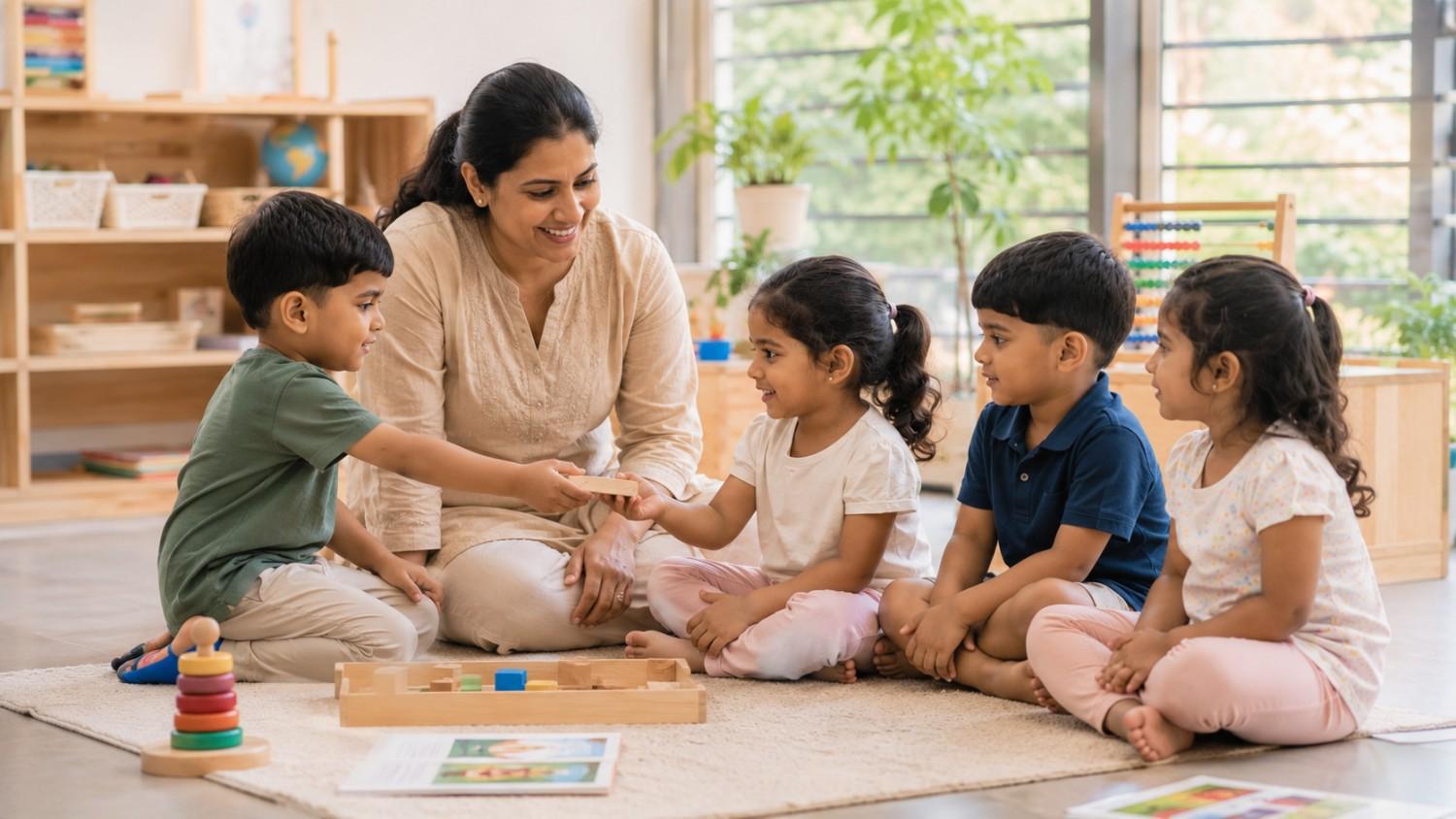
Teaching good manners to kids during the early years lays a strong foundation for healthy relationships and helps them navigate social situations with confidence.
What Are Good Manners for Kids?
Good manners are simple behaviours that help kids build kindness, respect, and consideration for others. They include everyday polite actions such as saying “please” and “thank you,” listening when others speak, sharing, and treating people politely.
Why Teach Good Manners to Kids at an Early Age?
Good manners are much more than polite words. They help children understand how to interact with others with kindness, empathy, and respect.
The importance of good manners for kids goes beyond home and extends to school, playgrounds, and social settings because they:
- Help children treat others with kindness and respect.
- Improve their social skills and strengthen friendships.
- Encourage self-discipline and self-control.
- Make children feel more comfortable and confident around others.
List of 15 Good Manners for Kids: Everyday Habits Every Child Should Learn
Children do not need to master everything at once. Introducing one habit at a time and practising it regularly can make learning easier and more enjoyable. Here are some examples of good manners for kids that parents can start teaching from an early age:
Jump to a section:
| Habit | Best Age to Start | Why It Matters |
|---|---|---|
| 1. Please & Thank You | 2+ yrs | Builds gratitude and respect |
| 2. Excuse Me | 2–3 yrs | Encourages respectful communication |
| 3. Apologise (Sorry) | 2.5–3 yrs | Builds responsibility and empathy |
| 4. Greet People Politely | 2+ yrs | Builds courtesy and confidence |
| 5. Avoid Interrupting | 3+ yrs | Develops patience and listening |
| 6. Speak Kindly, Gentle Voice | 2–3 yrs | Shows respect, clearer communication |
| 7. Ask Before Taking Things | 2.5–3 yrs | Teaches respect for boundaries |
| 8. Knock Before Entering | 3+ yrs | Builds awareness of privacy |
| 9. Share & Take Turns | 2–3 yrs | Builds cooperation skills |
| 10. Avoid Teasing & Hurtful Words | 3+ yrs | Builds empathy and compassion |
| 11. Help with Small Tasks | 2.5–3 yrs | Builds a sense of responsibility |
| 12. Good Eating Habits | 2–3 yrs | Prepares kids for social settings |
| 13. Wash Hands Before/After Meals | 2+ yrs | Builds lifelong hygiene habits |
| 14. Cover Mouth When Coughing/Sneezing | 2–3 yrs | Promotes healthy habits |
| 15. Be Patient | 3+ yrs | Builds self-control and emotional regulation |
Ages are general starting points, not fixed milestones — every child develops at their own pace.
Communication & Politeness
These six habits form the words and tone children use every day to interact with others.
1
Remember to Say “Please” & “Thank You”
Simple words like “please” and “thank you” teach children gratitude and respect. For example, saying, “Thank you for helping me”, shows appreciation and encourages kindness.
2
Use “Excuse Me” When Appropriate
Children should learn to say “excuse me” when they need attention politely or accidentally bump into someone. This helps them communicate respectfully without being rude.
3
Apologise When They Make Mistakes
Teaching children to say “sorry” helps them understand responsibility and empathy. It teaches them how a sincere apology can help repair relationships and build emotional awareness.
4
Greet People Politely
Saying “hello” or “good morning,” or responding when someone greets them, teaches children courtesy and confidence.
5
Avoid Interrupting Others
Children are naturally excited to talk about topics that interest them and may interrupt conversations. Teaching them to wait until someone finishes speaking helps them develop patience and listening skills.
6
Speak Kindly & Keep Their Voice Gentle
Using polite words and speaking in an indoor voice shows respect for others. It also helps children communicate their thoughts clearly without shouting.
Respect for Boundaries
These habits teach children that other people, and their belongings, have boundaries worth respecting.
7
Ask Before Taking Someone Else’s Things
Children should learn that not everything belongs to them. Asking permission before borrowing toys or belongings teaches them how to respect personal boundaries.
8
Knock Before Entering a Room
Knocking before entering teaches children about privacy and consideration for others. It is a small habit that encourages respect at home and elsewhere.
9
Learn to Share & Take Turns
Sharing toys and waiting for their turn are important social skills. These habits help children cooperate and enjoy playing with others.
10
Avoid Teasing & Hurtful Words
Children may not always understand how their words affect others. Teaching them to speak kindly and avoid bad language helps them develop empathy and compassion.
Responsibility & Hygiene
Small daily responsibilities and hygiene routines that build independence and health.
11
Willingly Help with Small Tasks
Simple responsibilities like putting toys away or helping set the table teach children responsibility. They also learn that contributing to the family is important.
12
Practise Good Eating Habits
Basic table manners for kids include sitting properly, chewing with their mouth closed, and eating neatly. These habits make family meals more pleasant and prepare children for social settings.
13
Wash Hands Before & After Meals
Good hygiene is an important part of developing good manners in kids. Washing hands before and after eating helps children stay healthy and develop lifelong hygiene habits.
14
Cover Their Mouth When Coughing or Sneezing
Teaching your child to use a tissue or cover their mouth with their elbow when sneezing or coughing shows consideration for others and promotes healthy habits.
Self-Control
The hardest skill on this list, and the one that ties all the others together.
15
Be Patient
Whether standing in a queue or waiting for a chance to speak, patience is a valuable life skill. Learning to wait calmly helps children develop self-control and emotional regulation.
Simple Ways to Teach Good Manners to Kids Every Day: Practical Tips for Parents
Children learn best when manners become part of everyday life. Here are a few ways parents can make learning easier:
- Be a Role Model: Children often copy what they see adults doing. Model the behaviour and habits you want your child to develop.
- Keep Your Instructions Simple: Use age-appropriate language that young children can understand.
- Teach One Habit at a Time: Introducing too many rules at once can feel overwhelming. It’s best to begin slow, with one habit at a time.
- Practise Manners During Daily Routines: It’s best for kids to practise what they learn every day by incorporating it into their daily routines, as this creates learning opportunities that feel natural.
- Praise Positive Behaviour: Kids thrive on encouragement because it motivates them to repeat good manners.
- Stay Patient & Consistent: Learning manners takes time. Be patient and consistent with your child.
FAQs About Good Manners for Kids
1. At what age should children start learning good manners?
Children can begin learning simple manners as early as two years old. Repetition and gentle guidance help these habits develop naturally.
2. How do I teach good manners to my toddler in a fun way?
Kids learn best when the learning doesn’t feel like a lesson. Include fun ways to teach them manners by adding songs, stories, and pretend play to the equation.
3. Is it normal for preschoolers to struggle with manners?
Yes. Young children are still developing self-control and social skills. So be patient with them and keep reminding them time and again.
4. How do I reinforce good manners without being too strict?
Encouragement often works better than punishment. Praise positive behaviour, lead by example, and gently remind children when they forget.
5. What are the most important manners to teach first?
Saying “please” and “thank you,” greeting others, sharing, waiting for turns, and speaking politely are among the most important early habits.









Subscribe to our newsletter
[contact-form-7 id="12706" title="Newsletter Form for post page"]Our Related Blogs
Yoga Benefits, Activities, and Poses for Preschoolers
For preschoolers, yoga isn’t about perfection but about giggles and benefits. So, are you curious how a simple stretch can support a child’s focus, flexibility, and emotional well-being? Let’s roll...
Year-End Reflection and Goal Setting for Children
Parenting is a journey filled with the brightest moments and valuable lessons, both for us and our children. As the year draws to a close, it’s the perfect time to...
Work-Life Balance Solutions for Parents in Emerald Hills Rd, Sector 65, Gurugram: The KLAY Daycare Advantage
Finding the perfect balance between professional commitments and parenting is a challenge for many working families in Gurugram. Parents in Emerald Hills Rd, Sector 65, especially, look for childcare solutions...