



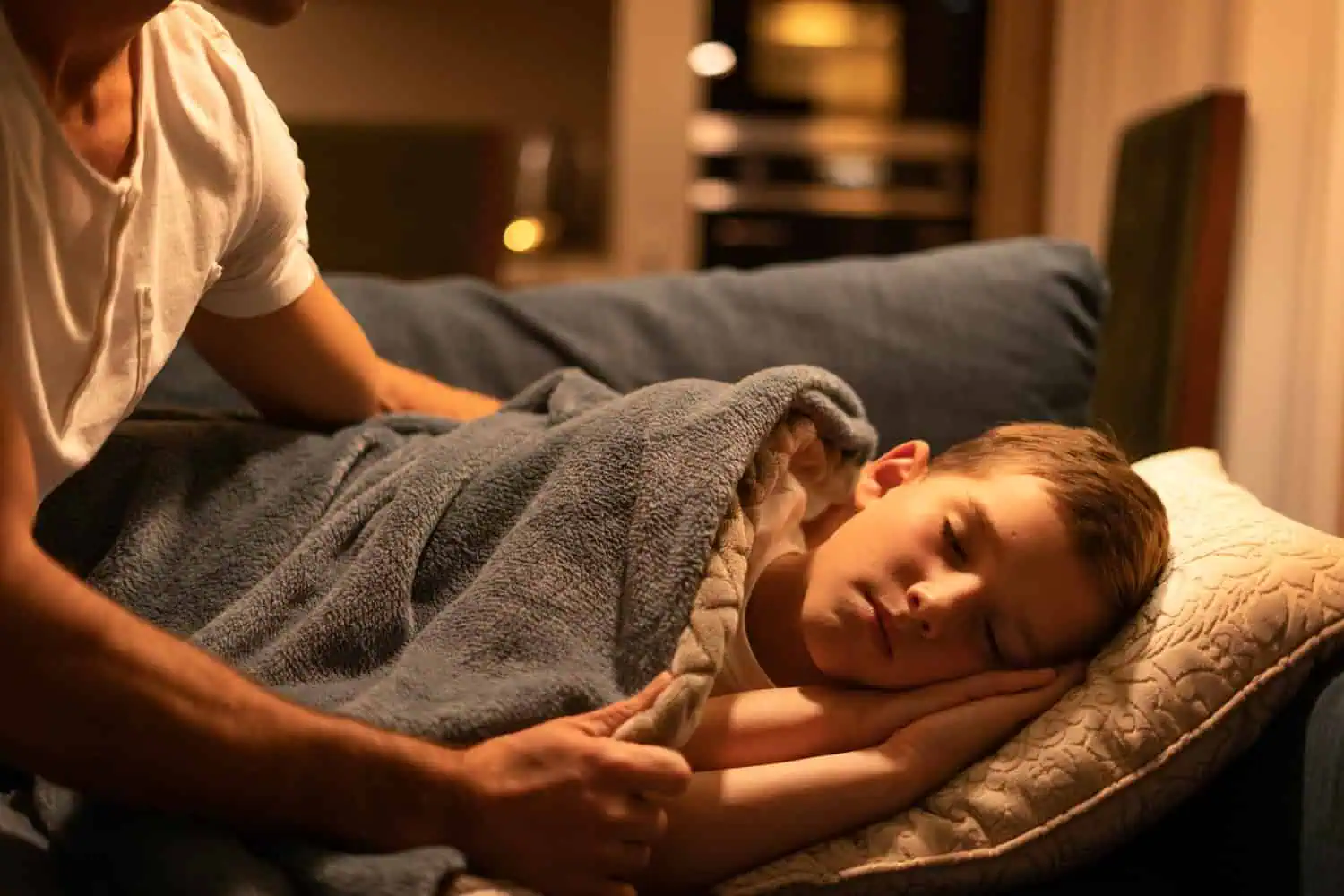


Sleep is more than just downtime for children; it’s when their bodies grow, brains develop, and emotions find balance. But if you’re a parent wondering how much sleep children really need and how to ensure your little one gets it, you’re not alone. From newborns to preschoolers, understanding your child’s sleep needs at every stage can make a world of difference in their mood, learning, and overall well-being.
In this blog, we’ll help you understand how much sleep children need at different ages, why sleep is important, what happens when kids don’t get enough of it, and how to make your child fall asleep faster and better.
Toddler Sleep: What You Need to Know
Every stage of childhood comes with its own sleep needs. Understanding how much sleep children need helps parents support healthy growth, emotional balance, and learning readiness. Here’s a simple age-wise breakdown from the American Academy of Sleep Medicine (AASM):
| Age Group | Age Range | Recommended Hours of Sleep |
| Newborns | 0-3 months | 14-17 hours (including naps) |
| Babies | 4-12 months | 12-16 hours (including naps) |
| Toddlers | 1-2 years | 11-14 hours (including naps) |
| Preschoolers | 3-5 years | 10-13 hours (including naps) |
| School Kids | 6-12 years | 9-12 hours |
| Teenagers | 13-18 years | 8-10 hours |
Newborns (0-3 months):
Newborns sleep most of the day and night, waking frequently for feeds, ideally every 2 to 3 hours. Their sleep patterns are irregular but vital for brain and physical growth.
Babies (4-12 months):
By this age, babies start developing a more predictable routine. Consistent naps and early bedtimes support memory formation and emotional regulation. But they still need around 12 to 16 hours of sleep each day.
Toddlers (1-2 years):
Toddlers thrive on steady sleep schedules. A mix of daytime naps and nighttime sleep fuels learning, movement, and mood regulation, making 11 to 14 hours of sleep necessary.
Preschoolers (3-5 years):
At this age, a child needs a set routine to further adjust to formal school settings. Hence, a proper sleeping schedule of 10 to 13 hours (including naps) is ideal.
School Kids (6-12 years):
Sleep-deprived school kids may struggle with concentration, emotional control, and classroom engagement. That’s why they need at least 9 to 12 hours of sleep.
Teenagers (13-18 years):
Teens often need more rest than they realise to maintain balance and health, making 8 to 10 hours of sleep non-negotiable.
Why is Sleep Important for Children?
Sleep is the body’s way of recharging and growing. For children, it plays a vital role in supporting both physical and emotional development. When kids sleep well, they wake up ready to explore, learn, and enjoy their day.
Here’s why sleep matters so much for children:
- Supports physical growth
- Boosts brain development and learning
- Strengthens the immune system
- Enhances emotional well-being
- Improves focus and attention
Age-Wise Breakdown of Sleep Benefits for Kids:
Infants (4-12 months)
Infants need proper sleep to fuel rapid brain growth, language acquisition, and memory formation. During both naps and nighttime rest, they build neural connections, mature essential brain functions, and release growth hormones critical for physical development. Moreover, adequate sleep helps regulate their mood and immunity, making them less susceptible to illness.
Toddlers (1-2 years)
For toddlers, sleep consolidates memory, advances motor skills, and supports emotional regulation. Well-rested toddlers tend to have fewer tantrums, better focus, and a stronger curiosity to explore safely, which are some key milestones at this stage.
Preschoolers (3-5 years)
Preschoolers rely on quality sleep to strengthen impulse control, attention, and emotional balance. Sufficient rest enhances their ability to learn, engage socially, and manage transitions throughout the day.
School Kids (6-12 years)
For school-aged children, sleep underpins learning and physical health. It improves knowledge retention, decision-making, and mood stability, helping them thrive academically and socially.
Teenagers (13-18 years)
Teenagers experience hormonal and emotional changes that make quality sleep even more essential. Adequate rest helps regulate mood, enhance focus, and support healthy growth, reducing the risk of anxiety, depression, and fatigue.
Toddler Sleep Problems: What Happens When Kids Don’t Get Enough Sleep?
Lack of sleep in kids can make them cranky and affect their daily functioning, along with their growth. Even small amounts of lost sleep can build up over time, impacting their mood, focus, and physical health.
Here’s what you might notice when your child isn’t getting enough rest:
- Changes in Mood: Sleep-deprived kids often become irritable, emotional, or unusually quiet. They may throw tantrums or struggle to manage frustration.
- Trouble Concentrating: Lack of sleep makes it harder for children to pay attention, remember instructions, and stay engaged in learning or play.
- Crashing Before Bedtime: If you catch your child dozing off before their regular bedtime, they’re likely overtired, which is a common sign of sleep deprivation.
- Difficulty Waking Up: Struggling to wake up in the morning or falling back asleep after waking are signs of sleep debt.
- Weakened Immune System: Poor sleep can reduce the body’s ability to fight off common colds and infections. If your child is frequently ill, lack of sleep might be one of the main culprits.
- Slower Reaction Times & Reduced Coordination: Sleep deprivation affects motor skills and balance, which can increase the risk of small accidents or falls during play.
How to Make Kids Sleep Fast (and Well)
If bedtime feels like a battle, you’re not alone. While no magic wand exists, you can make bedtime easier and faster by following these science-backed strategies:
Create a Bedtime Routine
A routine signals your child that it’s time for sleep. Bath, storytime, cuddles, and lights out. Repeat the same pattern every night.
To make storytime even more calming and effective, you can choose from these 25+ best bedtime books for toddlers that are specially curated to help little ones relax and fall asleep faster.
Adjust Nap Times
Making kids fall asleep fast is hard. But making adjustments here and there can help you. Start by adjusting their nap time. Long or late naps can make it harder for toddlers to sleep at night.
Aim for a nap that ends by mid-afternoon. If they ask to sleep more, try to wake them up slowly with your love and affection! But make sure you don’t give in to their cuteness — they need their sleep cycle to be regular.
Allow Comfort Items
Letting your child take a favourite toy or blanket to bed can ease separation anxiety and make bedtime less daunting.
Encourage Sleeping Independently
Avoid letting your toddler sleep in your bed, especially if you’re trying to figure out ways to get your toddler to sleep in their own bed.
But don’t be harsh upright. Gradually encourage independent sleeping by staying close initially, keeping that safe parental presence, and then slowly reducing your presence over nights (camping out technique).
Keep the Bedroom Comfortable
Make sure the room is cool, dark, and quiet. A dark environment helps signal the body that it’s time to produce melatonin, which is the sleep hormone. This can help your child sleep faster and better.
Respond Smartly to Night Wakings
If your child calls out, wait a minute before responding. Often, toddlers settle back on their own if given a chance.
Conclusion
Sleep plays a vital role in your child’s health, learning, and emotional stability. Whether it’s your infant adjusting to naps or your preschooler developing independence, every hour of quality sleep contributes to growth and happiness.
FAQs
Why do toddlers sometimes struggle with sleep?
Toddlers can struggle with sleep for several reasons. Sometimes it’s physical discomfort, like teething pain or illness, while at other times it’s emotional, such as separation anxiety or fear of the dark. Changes in their routine, developmental milestones, and an increasing sense of independence can also disrupt sleep patterns. Understanding the root cause can help you find the right strategy to support your child’s sleep needs.
Why does my toddler grind teeth while sleeping?
Teeth grinding in toddlers, also known as bruxism, may be linked to teething discomfort, stress, or even misalignment of the teeth. For toddlers and pre-schoolers, it is quite common and harmless. However, if you notice severe grinding or signs of tooth damage, you should consult your child’s dentist.
Why does my toddler jerk/twitch while sleeping?
Sleep starts, or hypnic jerks, are sudden movements that toddlers or young children experience while sleeping. These are a natural part of your child’s brain and body development. They help the brain understand and coordinate limb movements. However, if your toddler jerks excessively when awake or seems uncomfortable, it’s best to discuss it with your paediatrician.
Can low iron cause sleep problems in toddlers?
Yes, iron deficiency has been linked to restless leg syndrome and poor sleep in children. If you suspect this, consult your doctor.
Do daytime naps affect the night sleep of toddlers?
Yes, daytime naps can impact how well toddlers sleep at night. If your toddler’s nap is too long or taken too close to bedtime, it might become difficult for them to fall asleep at night. Maintaining a balanced nap schedule during the day helps promote better nighttime sleep.
Why do toddlers move a lot while sleeping?
Toddlers often toss around a lot in their sleep, which is typically normal. As they grow and develop, their sleep cycles change, leading to more tossing and turning. Some toddlers even travel all over their beds during the night. It’s usually nothing to worry about unless it affects their sleep quality or safety.
What is the 5-3-3 rule for sleep?
The 5-3-3 rule is a sleep training approach where a baby sleeps for five hours, stays awake for three hours, and then sleeps for another three hours. This sleep approach helps them build a consistent sleep-wake rhythm.
What happens if my child doesn’t sleep enough?
Lack of sleep can trigger hyperactivity, irritability, or attention issues in kids that may be mistaken for behavioural disorders. Long-term lack of sleep affects growth, immunity, and emotional health.
Is 7 hours of sleep enough for kids?
No, seven hours may be enough for adults, but kids and teenagers need at least 8 to 14 hours of sleep, depending on age, to support their development and focus.








Subscribe to our newsletter
[contact-form-7 id="12706" title="Newsletter Form for post page"]Our Related Blogs
Yoga Benefits, Activities, and Poses for Preschoolers
For preschoolers, yoga isn’t about perfection but about giggles and benefits. So, are you curious how a simple stretch can support a child’s focus, flexibility, and emotional well-being? Let’s roll...
Year-End Reflection and Goal Setting for Children
Parenting is a journey filled with the brightest moments and valuable lessons, both for us and our children. As the year draws to a close, it’s the perfect time to...
Work-Life Balance Solutions for Parents in Emerald Hills Rd, Sector 65, Gurugram: The KLAY Daycare Advantage
Finding the perfect balance between professional commitments and parenting is a challenge for many working families in Gurugram. Parents in Emerald Hills Rd, Sector 65, especially, look for childcare solutions...