



 76767 08888



Key Takeaways for Parents:
- When kids learn about their body parts, it builds self-awareness, communication skills, and vocabulary.
- Preschoolers understand body parts best through visual, movement-based, and play-led learning.
- Introducing external body parts first makes learning more relatable.
- Simple explanations help preschoolers understand their internal body parts without creating confusion.
Learning about their own body parts is one of the first steps in early childhood education. Teaching kids about their body parts helps them understand themselves, communicate clearly, and develop basic self-care awareness.
But how to teach them these concepts effectively?
Why Does Learning Body Parts Matter for Preschoolers?
When kids learn about their body parts, they understand themselves better, communicate more clearly, develop motor skills, and become more aware of hygiene and health.
- Builds Self-Awareness: When preschoolers learn about their body parts, they can recognise their own body and understand how it functions.
- Supports Clear Communication: Learning the names of their body parts helps kids express their needs or discomfort clearly. They can better express when they feel uneasy or in pain.
- Strengthens Hygiene: With the awareness of their body parts, kids can follow hygiene routines like washing hands and brushing teeth.
- Improves Motor Skills & Coordination: Identifying arms, legs, hands, and feet supports movement-based learning such as running, jumping, balancing, and using fine motor skills.
- Expands Vocabulary & Thinking Skills: Learning about the words used to describe their body parts, kids can improve their language development and better describe their actions, feelings, and experiences.
- Supports Social Interaction & Play: Knowing body parts helps children follow instructions during games like “Simon Says” and participate better in group activities.
- Builds Safety Awareness: When preschoolers know correct body part names and understand personal boundaries, they are better equipped to express discomfort and communicate clearly if something feels unsafe.
Understanding Basic Body Parts for Kids
External Body Parts for Preschoolers:
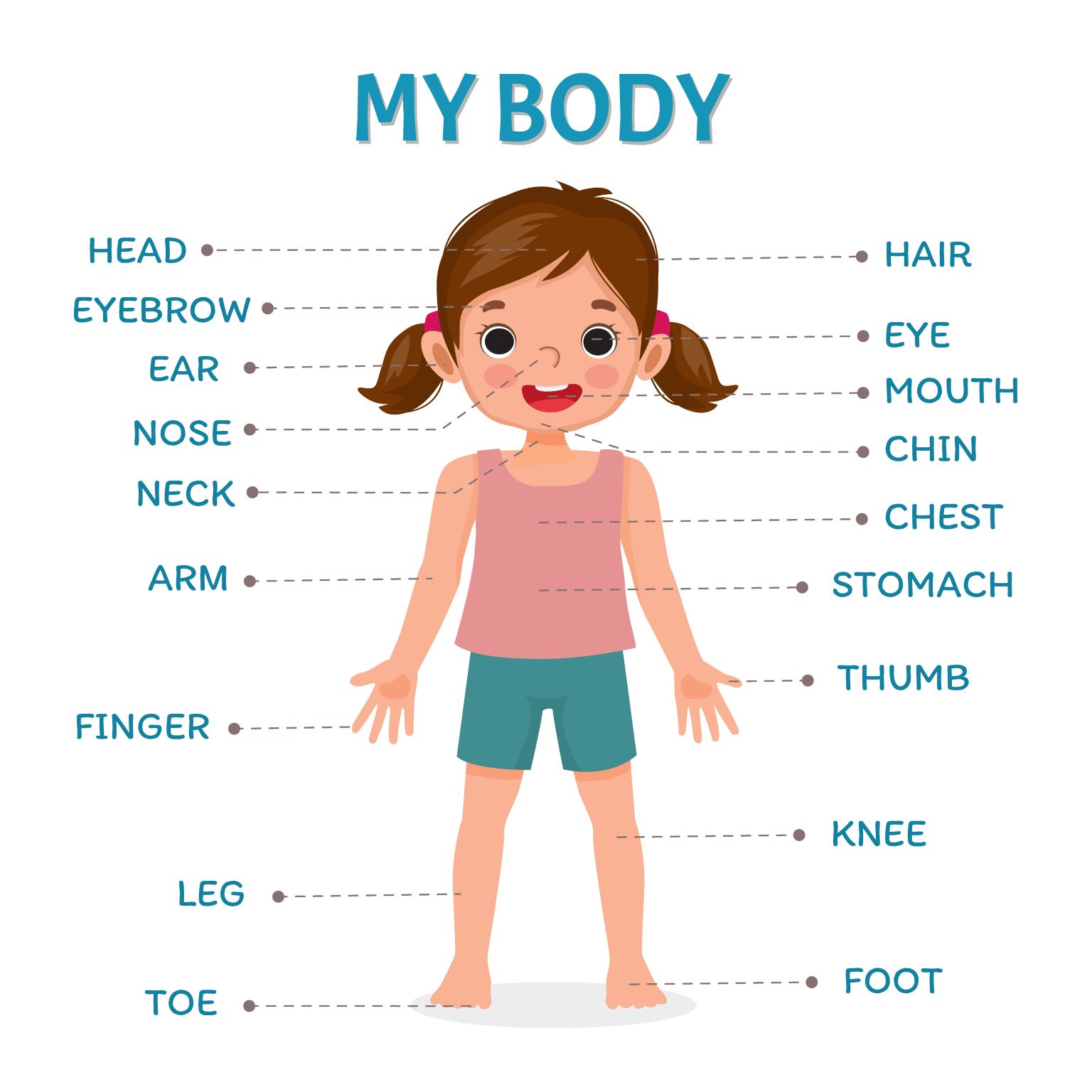
External body parts are the parts of the body that a child can see, touch, and move. These parts are easy to recognise and help them understand how their body works in daily activities. Teaching external body parts first makes learning fun for kids because they can relate them to their own movements and routines.
| External Body Parts for Kids | What It Does |
| Head | Helps you think, see, hear, smell, and speak. |
| Hair | Protects the scalp from heat, dust, and cold. |
| Eyes | Helps you see colours, shapes, people, and everything around you. |
| Ears | Helps you hear sounds. |
| Nose | Helps you smell food and other things. |
| Mouth | Helps you speak and eat. |
| Face | Helps you use your senses and express feelings. |
| Neck | Supports the head and allows it to move, turn, and bend easily. |
| Arms | Helps you lift, carry, throw, and perform daily activities. |
| Hands | Helps you hold, draw, write, and feed. |
| Elbows | Allows the arms to bend and straighten. |
| Legs | Helps you walk, run, jump, and sit. |
| Feet | Helps maintain balance, support body weight, and move the body forward. |
-
Head
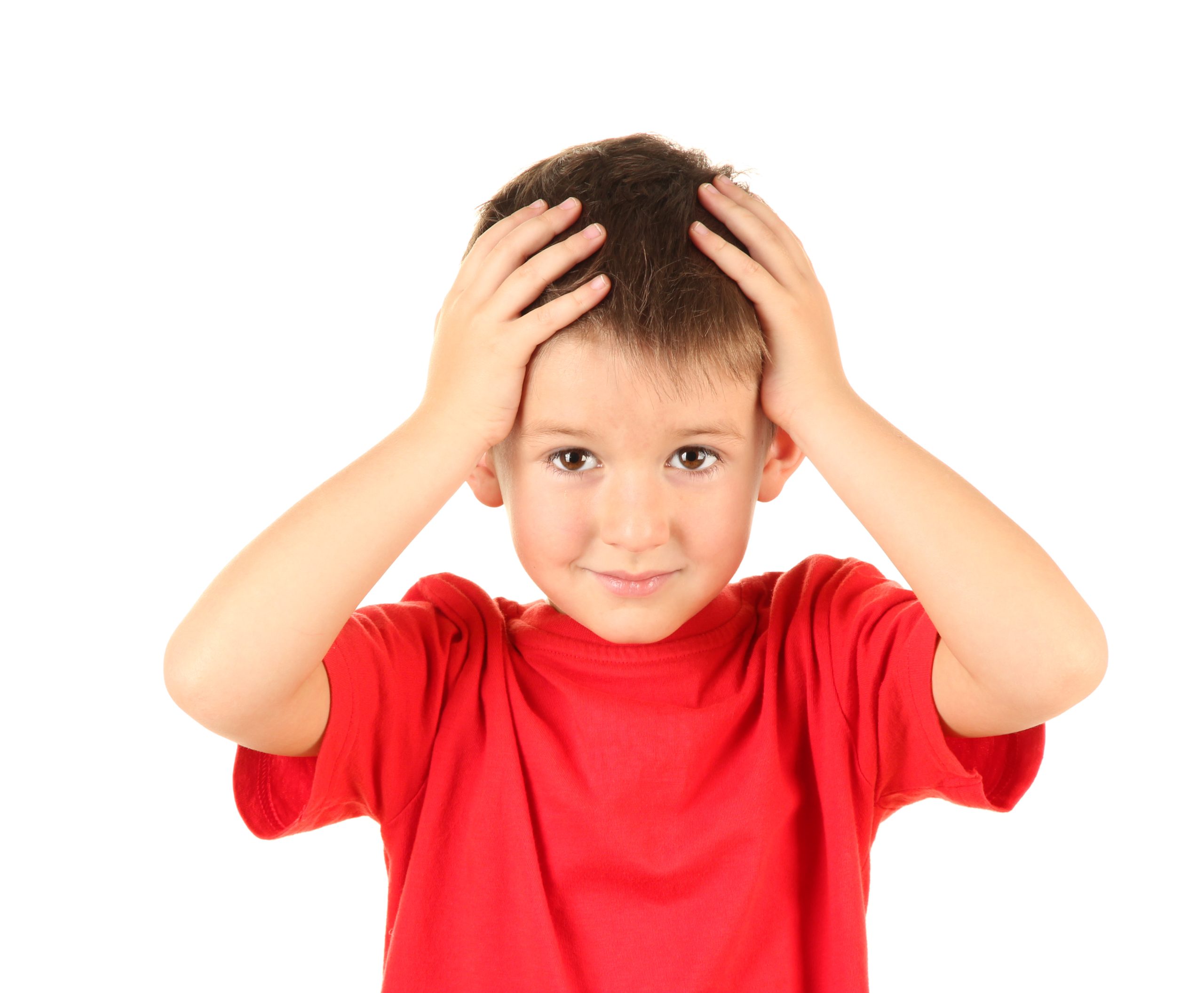
Location: The head is located at the uppermost part of the body, above the neck.What it does: The head holds important sensory organs such as the eyes, ears, nose, and mouth. It helps a preschooler see, hear, smell, taste, think, and express emotions.
-
Hair
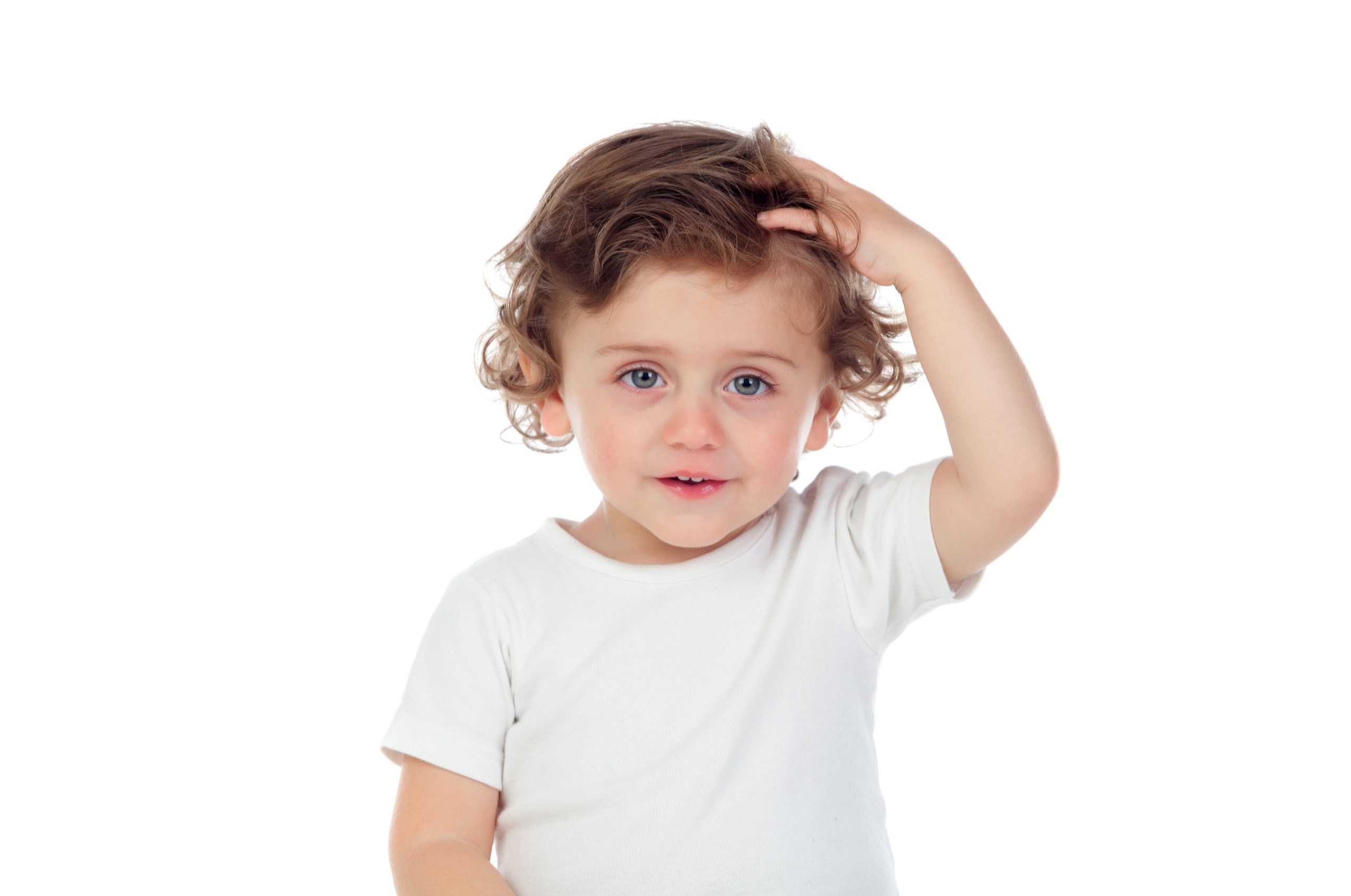
Location: Found on the top of the head.What it does: Hair helps protect the scalp from sunlight, dust, and cold. It also keeps the head comfortable and warm.
-
Eyes
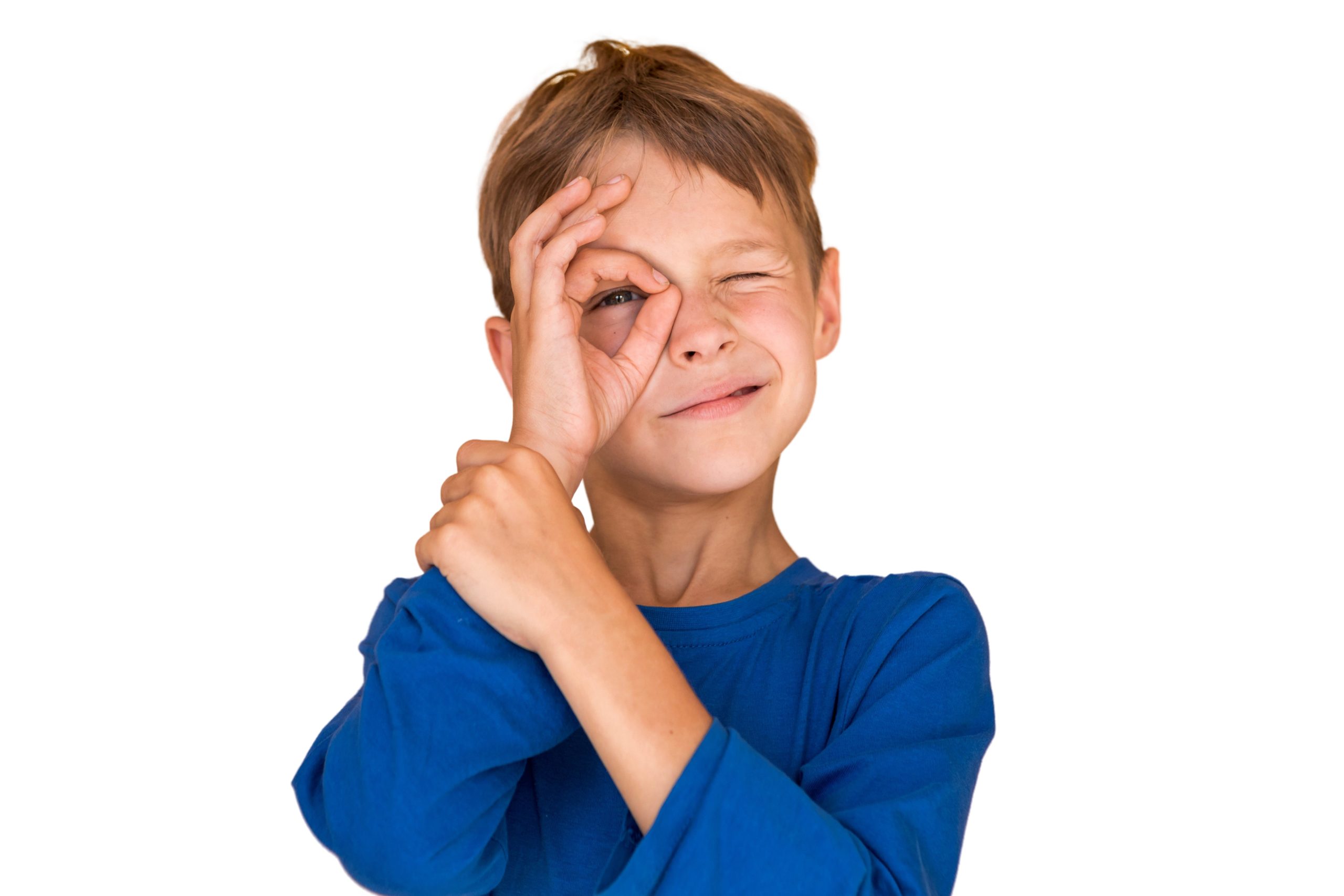
Location: Eyes are located on the face, below the forehead and above the nose.What it does: Eyes help kids recognise colours, shapes, people, and movements. They also support learning by helping children observe and explore their surroundings.
-
Neck
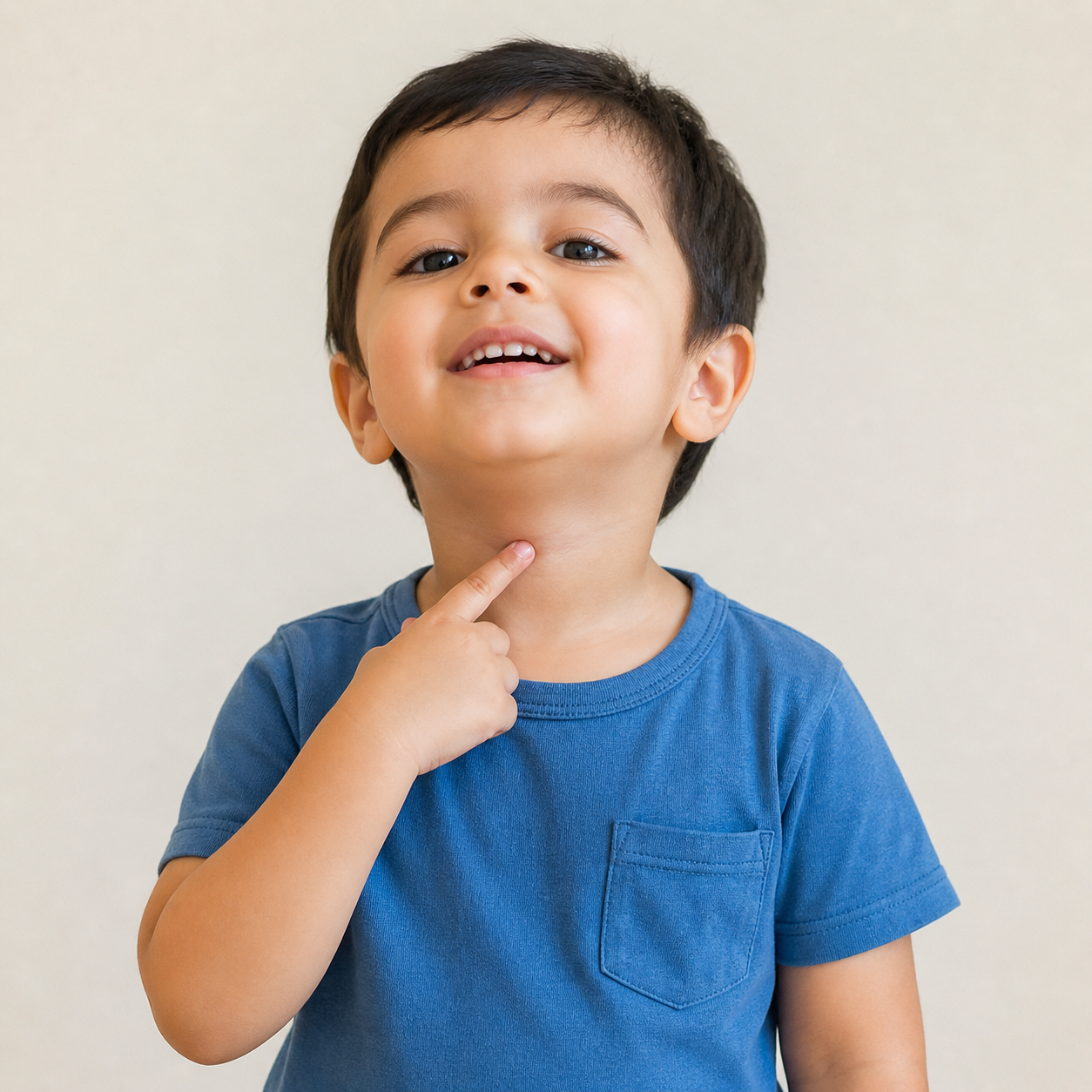
Location: Located below the head and above the shoulders.What it does: It supports the weight of the head and allows it to turn, bend, and move in different directions.
-
Mouth

Location: The mouth is located in the lower part of the face.What it does: It helps kids speak, chew food, taste flavours, and express emotions through smiling or talking.
-
Nose
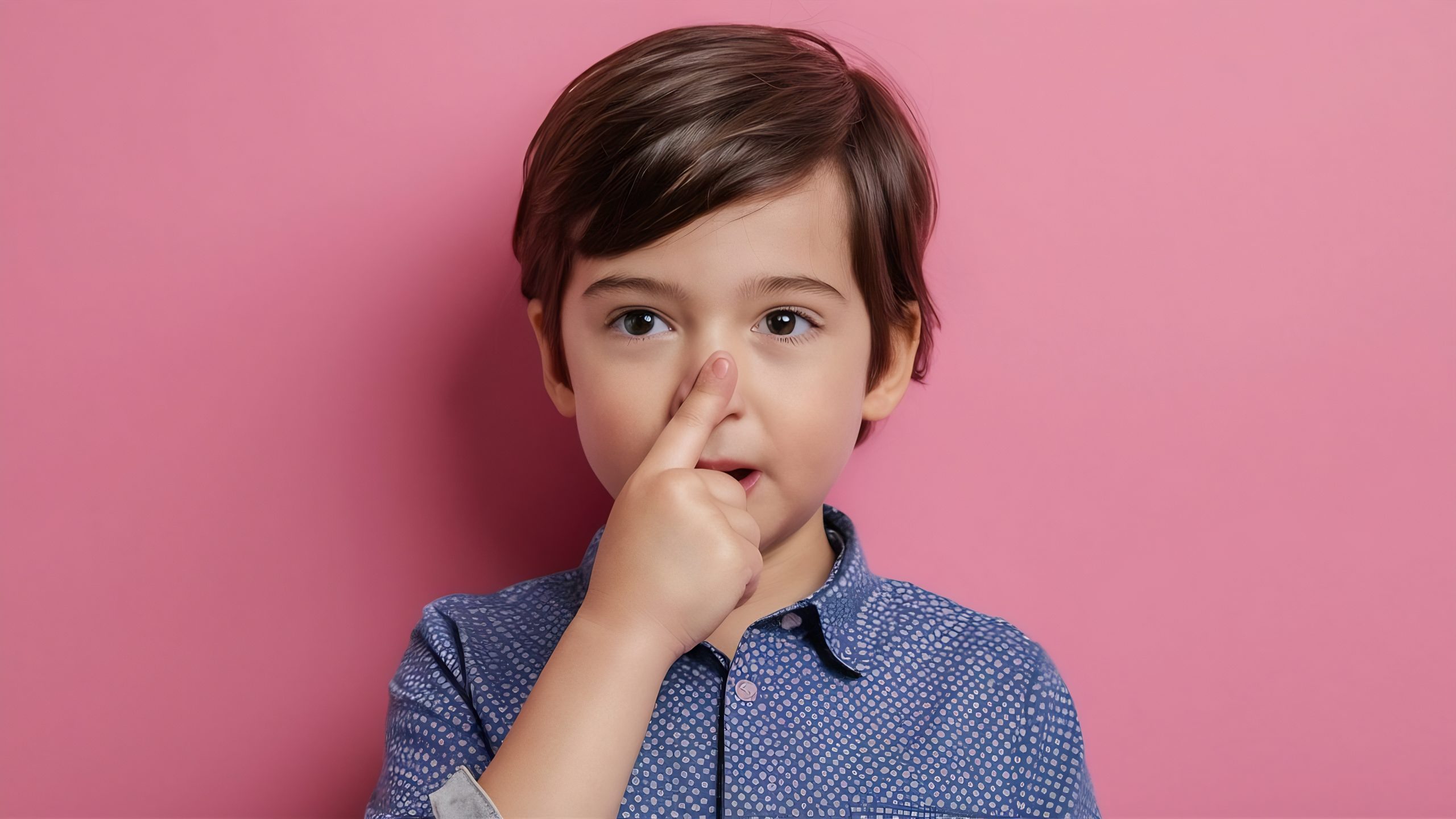
Location: The nose is located in the centre of the face, between the eyes and above the mouth.What it does: It helps smell different things and supports breathing.
-
Ears
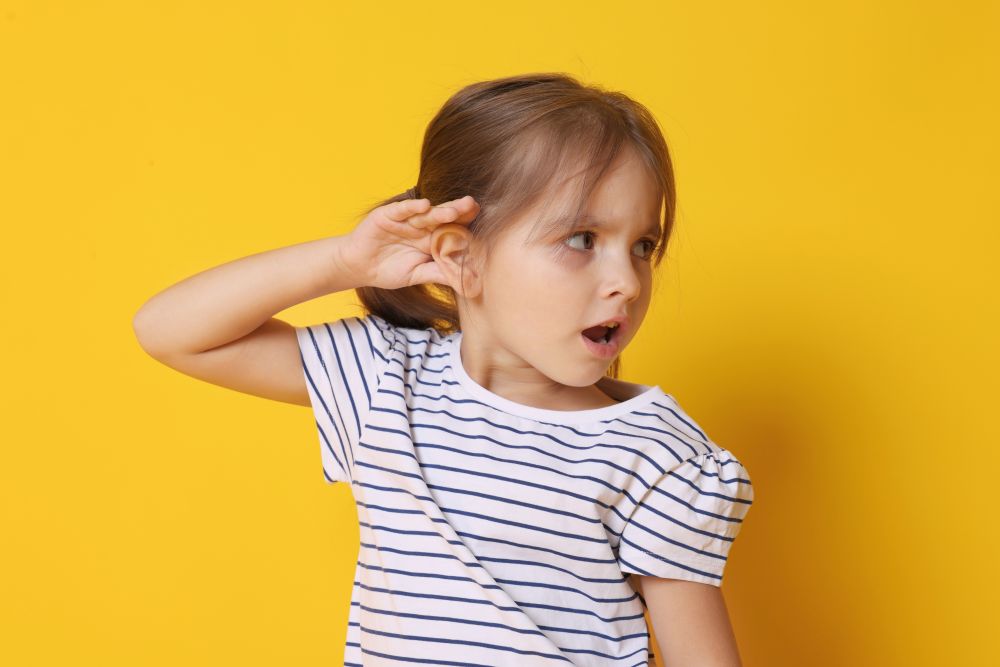
Location: Ears are located on both sides of the head.What it does: Ears help children hear sounds, understand speech, and maintain their balance while moving.
-
Face
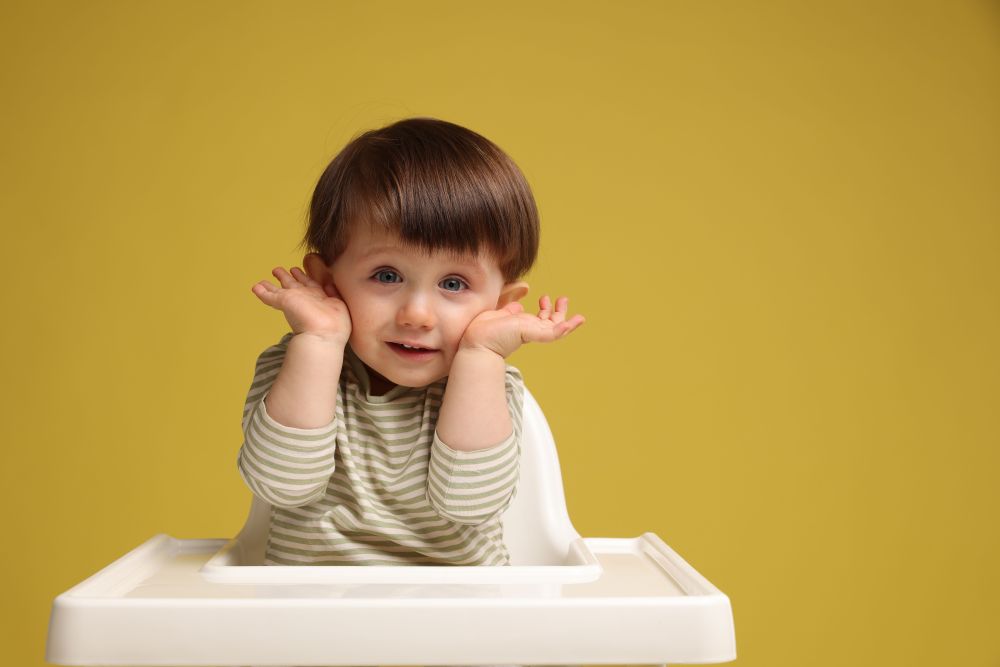
Location: The face is located at the front of the head.What it does: The face helps children use their five senses and communicate feelings through expressions such as smiling, laughing, or frowning.
-
Hands
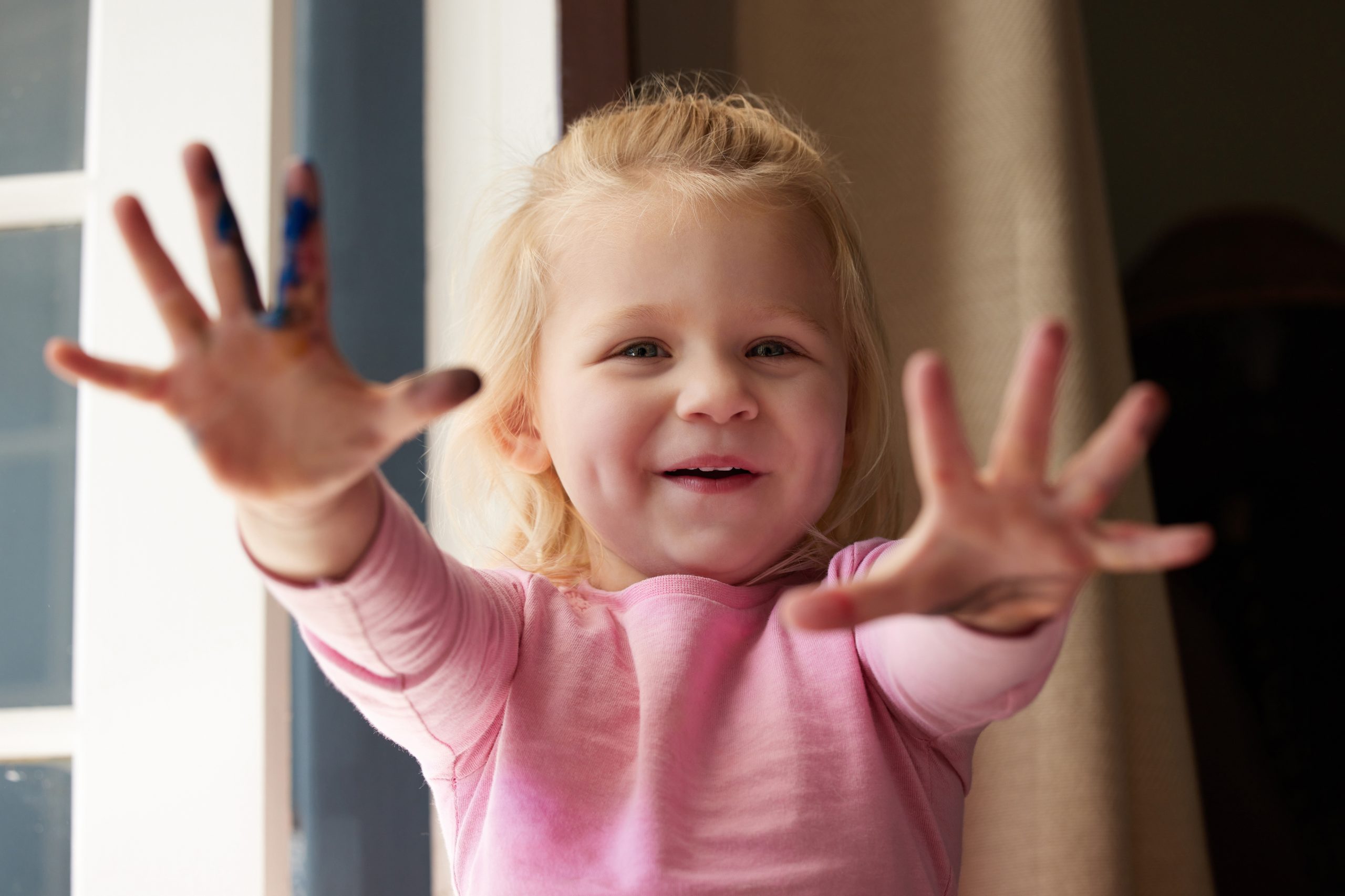
Location: Hands are connected to the wrists.What it does: Hands help children perform fine motor skills such as holding toys, drawing, writing, feeding themselves, and buttoning clothes.
-
Arms
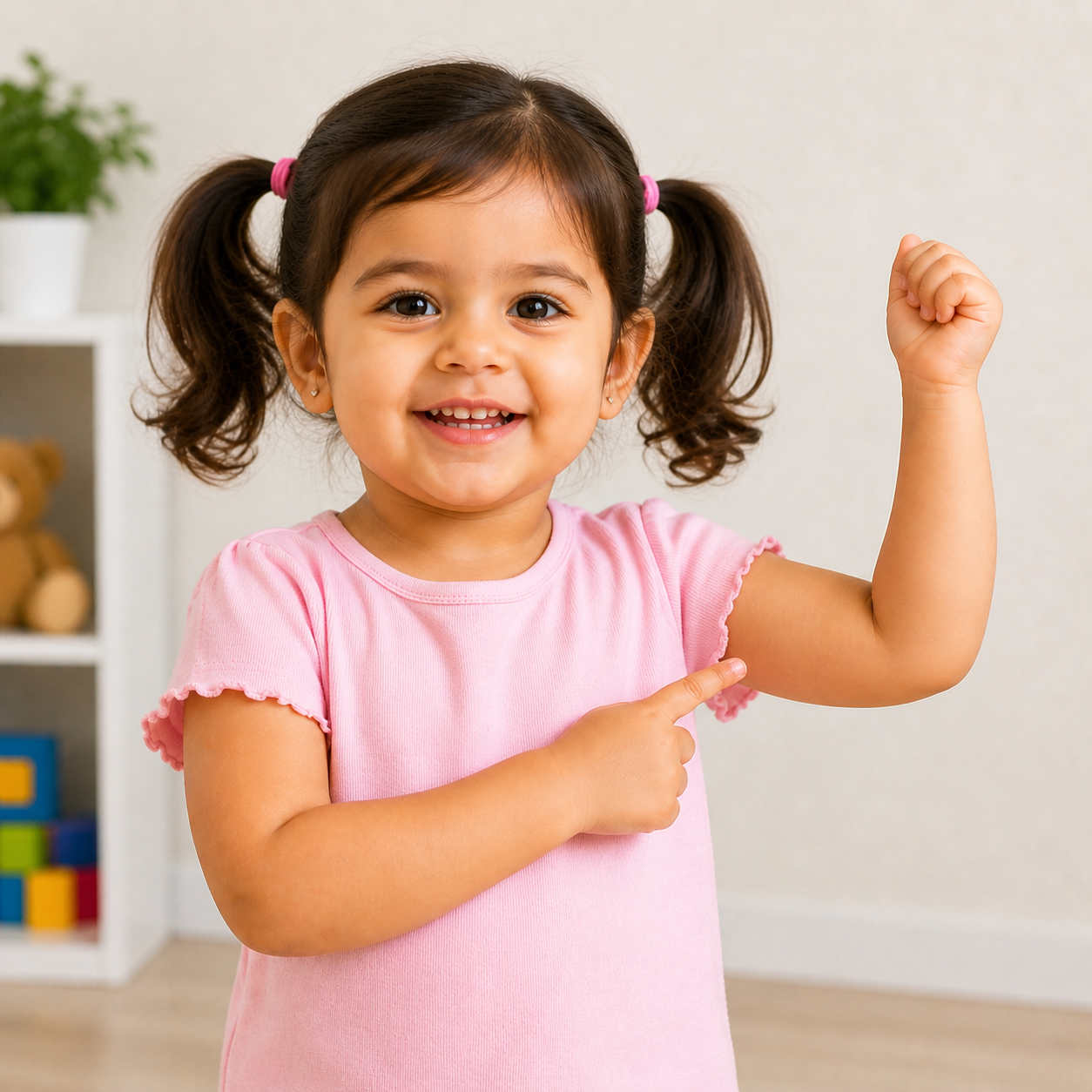
Location: Arms are located on either side of the torso.What it does: They help children lift, carry, throw, and perform many daily activities that involve movement.
-
Elbows
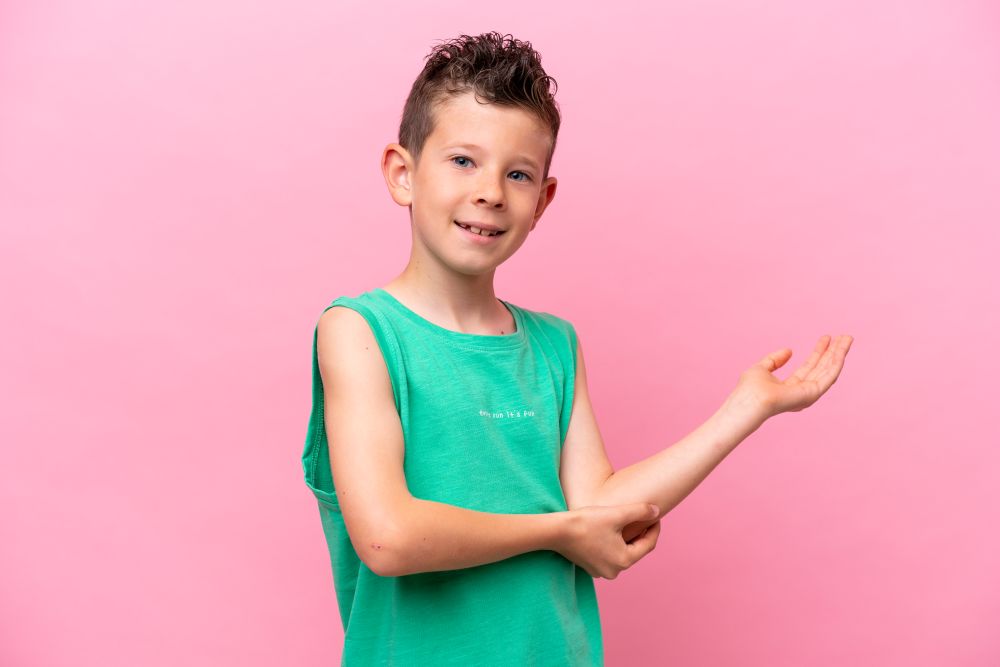
Location: They’re located between the upper arm and the forearm.What it does: Elbows allow the arm to bend and straighten, helping children lift, hold, and move objects easily.
-
Legs
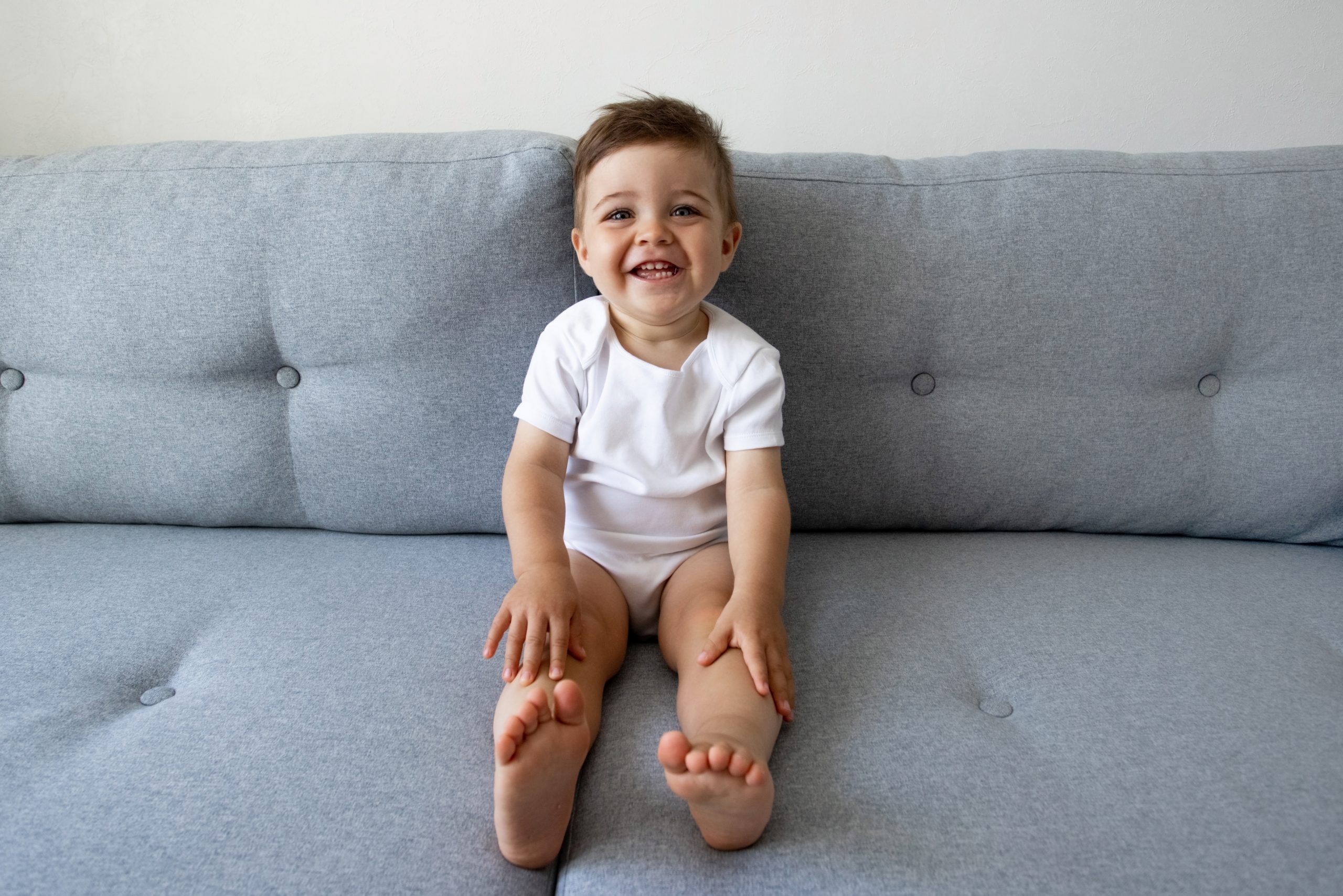
Location: Legs are located below the torso and above the feet.What it does: They support the body’s weight and help preschoolers walk, run, jump, and sit.
-
Feet
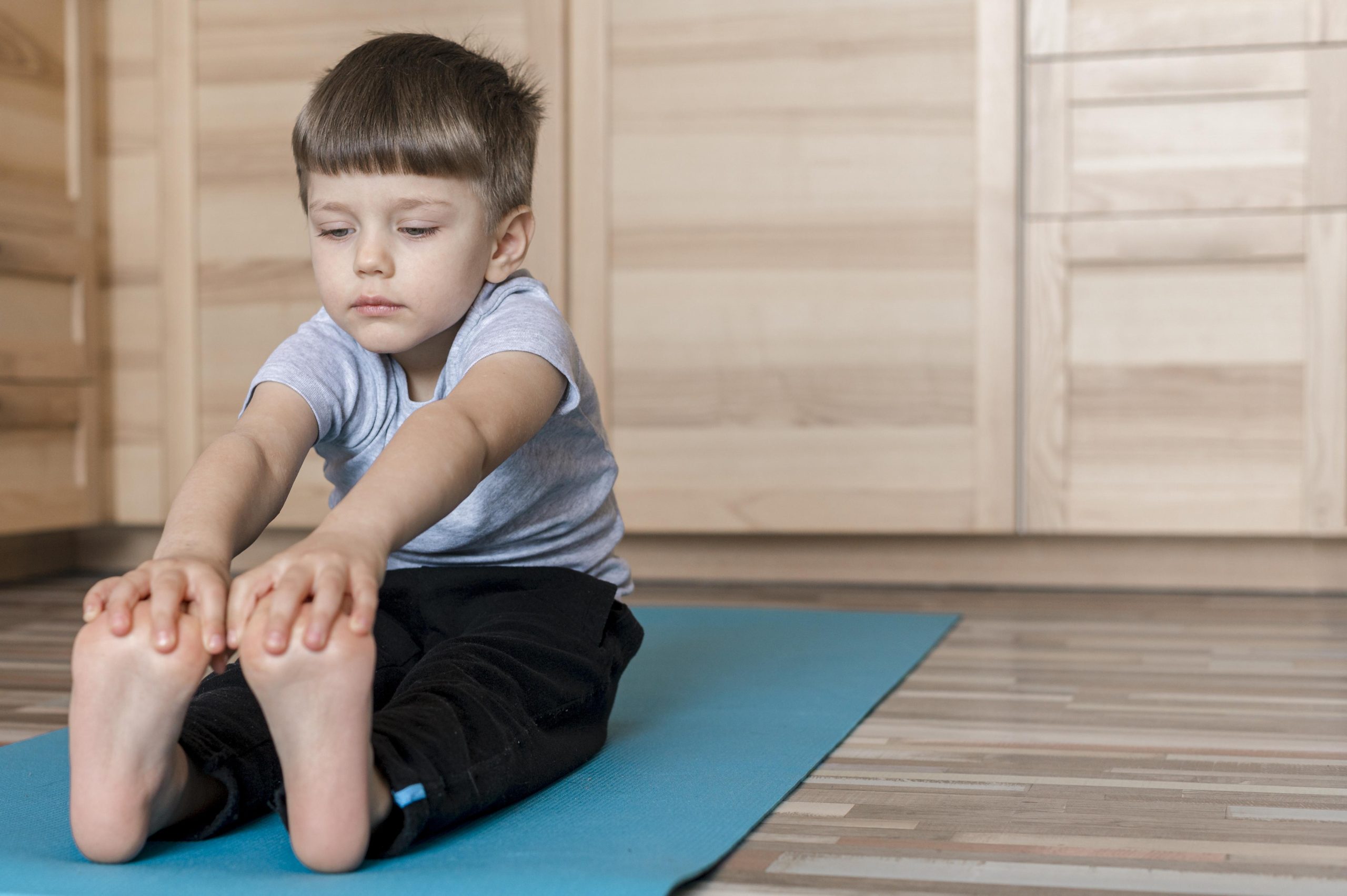
Location: Feet are located below the ankles.What it does: With the help of feet, kids can maintain their balance and support their body weight.
Internal Body Parts for Preschoolers:
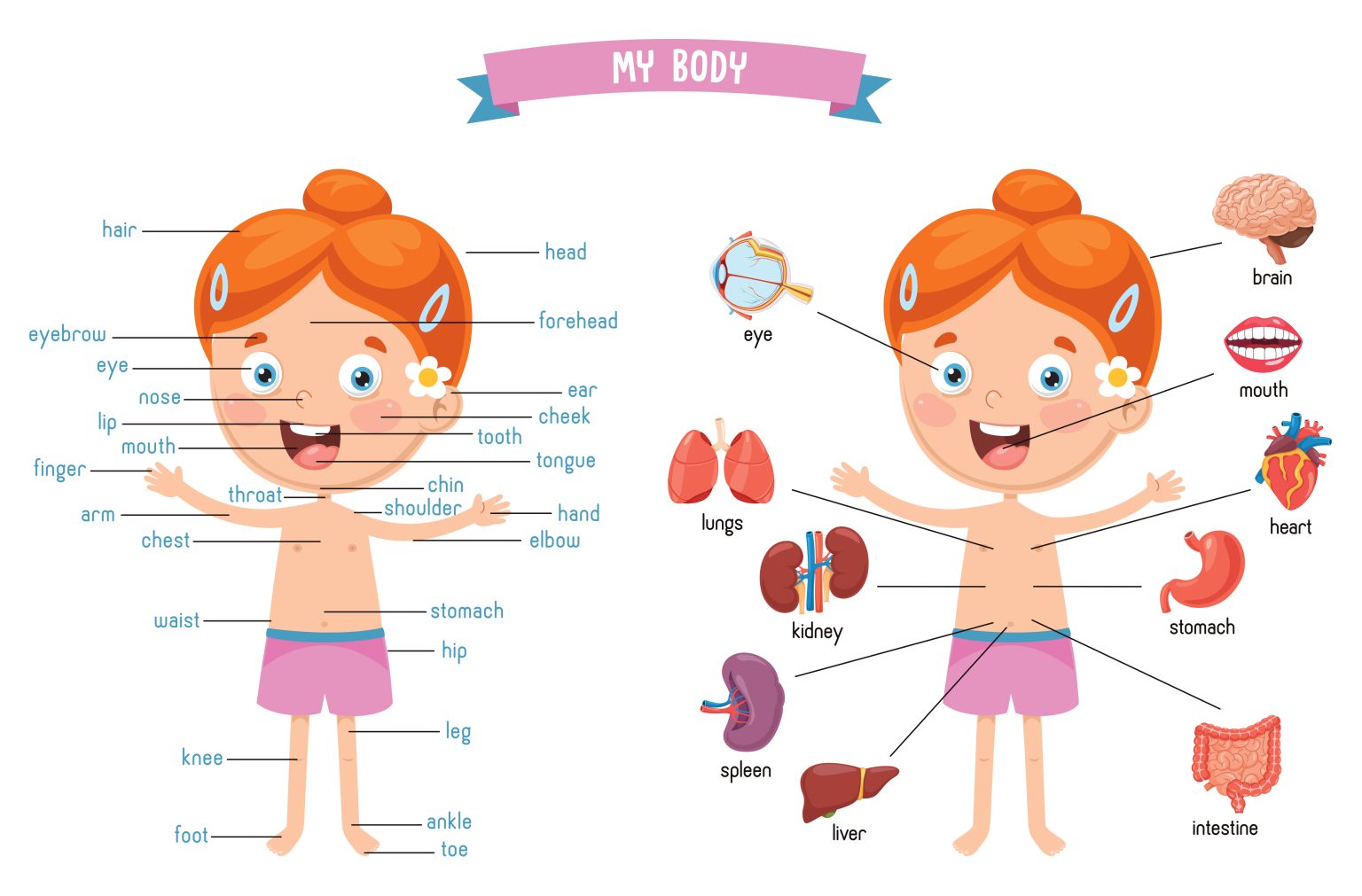
Internal body parts are inside the body and cannot be seen from the outside. Even though kids cannot see these parts, they help the body grow, move, breathe, and stay healthy. These parts should be explained using simple actions and feelings that children can understand.
| Internal Body Parts for Kids | What It Does |
| Brain | Controls thinking, learning, feelings, and body movements. |
| Heart | Pumps blood around the body to keep all body parts working. |
| Lungs | Help the body breathe by taking in air and releasing it. |
| Stomach | Breaks down food so the body can use it for energy. |
| Intestines | Absorb nutrients from food and remove waste from the body. |
| Liver | Helps clean the body and supports digestion. |
| Kidneys | Remove waste and extra water from the body to keep it healthy. |
| Blood | Carries oxygen and nutrients to different parts of the body. |
| Pancreas | Produces juices that help break down food. |
| Bones | Give shape and support to the body and protect internal organs. |
-
Stomach
The stomach helps break down food and turns food into energy so the body can grow and stay active.
-
Lungs
The lungs help in respiration. They take in oxygen when breathing in and release air when breathing out.
-
Liver
The liver produces bile and removes waste. It helps digest food and keeps the body healthy.
-
Blood
Blood transports oxygen and nutrients. It carries oxygen and food to all body parts so they can work properly.
-
Pancreas
The pancreas creates juices to break down food. It helps the body use food for energy.
-
Brain
The brain controls all the body parts and organs. It helps kids think, learn, move, feel, and remember.
-
Heart
The heart pumps blood. It moves blood around the body to keep all parts working.
-
Intestines
These help digest food. The intestines absorb nutrients from food and remove waste from the body.
-
Kidneys
Kidneys remove waste and extra fluids. They help keep the body clean and balanced.
-
Bones
Bones give shape and support to the body. They help children stand, move, and protect important organs inside the body.
Explaining Body Systems to Kids in a Simple Way:
Body systems are groups of body parts that work together to help a preschooler move, breathe, eat, and stay healthy. Explaining these systems in simple terms helps children understand how their bodies function as a whole.
| Body System | What It Does |
| Skeletal System | It’s made of bones that give shape to the body to help a child stand, sit, and move, while also protecting important organs like the brain and heart. |
| Muscular System | The muscular system includes muscles that help the body move. They work with bones to allow actions such as running, jumping, lifting, and holding objects. |
| Circulatory System | The circulatory system includes the heart and blood vessels. It moves blood around the body to carry oxygen and nutrients to all body parts. |
| Respiratory System | The respiratory system helps a child breathe. It includes the nose, windpipe, and lungs, which take in air and help the body get oxygen. |
| Digestive System | This system helps break down food. It turns food into energy that helps the body grow, move, and stay healthy. |
- Skeletal System: Includes bones that support and protect the body.
- Muscular System: Includes muscles that help the body move.
- Circulatory System: Includes the heart and blood vessels.
- Respiratory System: Includes the nose, windpipe, and lungs.
- Digestive System: Includes the mouth, stomach, and intestines.
How to Teach Young Kids Body Parts in 5 Simple Ways
Preschoolers learn body parts best when teaching is visual, interactive, and connected to their daily routines. These simple methods can make learning fun and easy to understand for them.
-
Use Visual Aids
Body charts, flashcards, and posters help preschoolers see and recognise different body parts clearly. This visual repetition supports memory and helps children connect names with the correct body parts.
-
Connect Learning to Real-Life Situations
Naming body parts during everyday activities like bathing, dressing, or eating is a natural way to help them understand their body parts.
-
Teach Through Songs & Rhymes
Singing songs and rhymes is the best way to improve a child’s recall skills and make learning enjoyable for them. Action songs such as “Head, Shoulders, Knees, and Toes” help them learn body parts through movement.
-
Encourage Drawing & Colouring
Colouring body part worksheets help children visually identify and remember different parts of the body. Drawing activities also strengthen fine motor skills while reinforcing learning.
-
Use Games & Interactive Activities
Simple games like “Simon Says” or “Touch your nose” help preschoolers follow instructions using body part names. Play-based learning keeps children engaged and improves their listening and coordination skills.
How Preschools Support Kids in Body Awareness Learning
Preschools build the foundation of early learning for kids.
At KLAY, children learn human body parts through play-based activities, songs, routines, and guided interaction. These age-appropriate explanations and hands-on learning help preschoolers understand their bodies in a fun and interactive way while building confidence, safety awareness, and communication skills.
Frequently Asked Questions (FAQs)
-
What are the basic body parts every child should know?
Children should first learn about their external body parts, like head, eyes, ears, nose, mouth, hands, legs, and feet, as these are the parts they can see. It makes it easier for them to learn and remember their functions.
-
How can body parts be taught effectively to toddlers?
Songs, rhymes, charts, and interactive games help toddlers learn body parts through play-based learning.
-
Are worksheets helpful for teaching body parts?
Yes, colouring, matching, and labelling worksheets make learning body parts for kids fun and engaging.
-
When should children start learning body parts?
Children can begin learning body parts as early as one year old when they start recognising themselves.
-
What are good activities to teach body parts at home?
Simple games like “Touch your nose,” drawing activities, and flashcards work well to teach kids body parts.









Subscribe to our newsletter
[contact-form-7 id="12706" title="Newsletter Form for post page"]Our Related Blogs
Yoga Benefits, Activities, and Poses for Preschoolers
For preschoolers, yoga isn’t about perfection but about giggles and benefits. So, are you curious how a simple stretch can support a child’s focus, flexibility, and emotional well-being? Let’s roll...
Year-End Reflection and Goal Setting for Children
Parenting is a journey filled with the brightest moments and valuable lessons, both for us and our children. As the year draws to a close, it’s the perfect time to...
Work-Life Balance Solutions for Parents in Emerald Hills Rd, Sector 65, Gurugram: The KLAY Daycare Advantage
Finding the perfect balance between professional commitments and parenting is a challenge for many working families in Gurugram. Parents in Emerald Hills Rd, Sector 65, especially, look for childcare solutions...