



 76767 08888



Key Takeaways
- Choosing preschool or keeping your child at home is not about right or wrong, but about their readiness and your family’s needs.
- Staying at home offers comfort and bonding, but preschool introduces social learning and independence.
- Early exposure to group environments helps children build confidence and communication skills.
- The right preschool supports emotional security while gently preparing children for the outside world.
Choosing to enrol your child in preschool or keep them at home is not just a practical decision but also an emotional one. This is not about comparing the two options, but about understanding your child’s readiness, your family situation, and the feelings that come with letting go, even a little.
What Does Staying at Home Really Mean for Toddlers?
At this age, staying at home simply means growing up in a familiar, loving environment without stepping into a school setting yet.
- Their day will often follow their natural rhythm, filled with play, rest, and spontaneous activities.
- Learning will happen through everyday experiences like watching cooking, going for walks, or listening to family conversations.
- They will receive focused attention from you or their grandparents, which builds a strong emotional bond.
- There won’t be a fixed routine, no separation anxiety, and no expectation to “perform” or follow instructions.
But bring in the angle of a preschool, and you are hit with the question: Is separation anxiety natural?
Separation Anxiety Is Natural – For You & Your Little One
When you think of enrolling your child in preschool, your child (and sometimes even you) may experience separation anxiety. This is completely normal.
- It is common for children to cry during drop-off, but this does not mean they are unhappy or not ready.
- With consistent routines and caring teachers, most children adjust within a few weeks.
- That adjustment process helps kids build resilience and emotional strength.
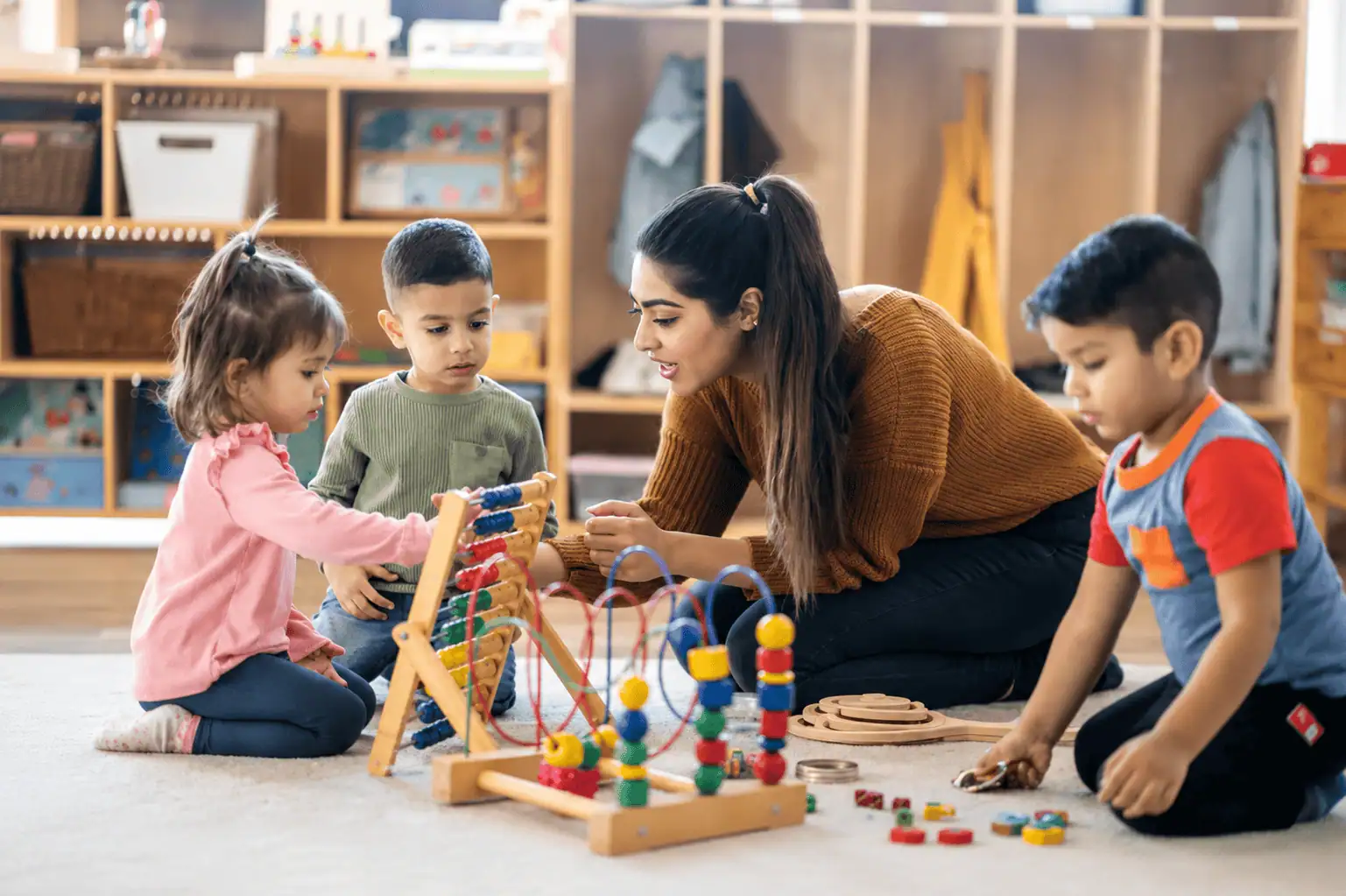
At KLAY, children are introduced to a safe and nurturing environment where they gradually explore the world beyond home. With warm caregivers, engaging activities, and familiar routines, children begin to feel secure, make friends, and enjoy being part of a group.
What Your Child May Miss When They Stay Home Longer
Staying at home can be a good choice if you feel your child is not yet ready. But if they’ve hit the right age for preschool and are emotionally and mentally prepared to dive into the world of classroom learning, here’s what they might miss if they stay home longer:
-
Limited Peer Interactions
At home, children may not get regular chances to interact with other kids of the same age. Group settings teach sharing, waiting, and understanding others.
-
Slower Emotional Development
When children are around other children and adults (who are not their parents or grandparents), they learn to express feelings like frustration, excitement, or empathy. This emotional vocabulary often develops faster in social environments.
-
Reduced Exposure to Independent Experiences
Being away from home, even for a short time, builds great confidence in your child. It teaches them that they can feel safe, happy, and capable even without constant parental presence. This also raises their sense of independence.
What Should Indian Families Consider When Choosing Preschool or Staying at Home?
For Indian families, the decision around preschool and staying at home comes with unique dynamics.
- For years, Indian homes have followed the practice of grandparents playing an active role in taking care of the toddler. They’ve been there to create a nurturing and supportive environment for them while you’re away at work. This makes staying at home for your child feel like a complete and fulfilling choice.
- However, nuclear families are on the rise, especially in urban areas. This is why modern parents often need additional support. Preschool becomes not just an option but a meaningful extension of a child’s environment.
- Mothers are also taking an active part in the modern workforce. But despite being independent, they often experience guilt and question whether they are choosing work over their child.
The option of preschools is a means of additional support to such mothers and nuclear families.
If you choose to enrol your child in a preschool when they are ready, you are choosing opportunities for your child to grow socially, emotionally, and independently.
- India’s preschool sector is expanding rapidly, from $4.2 billion in 2023 and projected to nearly double to $10.2 billion by 2032. This reflects a shift in mindset among parents who recognise the importance of early childhood experiences. [Source: Financial Express]
- With the NEP 2020 formally including early education from age 3, there is growing awareness that these early years matter deeply.
Comparing the Benefits of Preschool vs Staying at Home for Toddlers
| Benefits of Preschool | Benefits of Staying at Home |
| Daily interaction with other children | Strong one-on-one bonding with parents |
| Guidance from trained educators | Learning at a natural, self-paced rhythm |
| Routine helps build structure and confidence | Flexible and relaxed daily schedule |
| Exposure to early language and number concepts | Familiar and emotionally secure environment |
| Helps children express emotions better | Parents have full involvement and visibility |
| Prepares children for formal schooling | More time for family bonding |
How to Know If Your Child Is Ready for Preschool
- Your child can follow simple instructions like “pick up your toy and come here.”
- They show curiosity or interest when they see other children playing.
- They can stay away from you for short periods without extreme distress.
- They are beginning to express needs like hunger, tiredness, or discomfort.
- They show interest in books, toys, or simple activities.
Conclusion
There is no right answer when it comes to preschool vs stay-at-home for your toddler. Every child, every parent, and every family situation is different.
What matters most is understanding your child’s needs, your support system, and what environment will help them grow better.










Subscribe to our newsletter
[contact-form-7 id="12706" title="Newsletter Form for post page"]Our Related Blogs
Yoga Benefits, Activities, and Poses for Preschoolers
For preschoolers, yoga isn’t about perfection but about giggles and benefits. So, are you curious how a simple stretch can support a child’s focus, flexibility, and emotional well-being? Let’s roll...
Year-End Reflection and Goal Setting for Children
Parenting is a journey filled with the brightest moments and valuable lessons, both for us and our children. As the year draws to a close, it’s the perfect time to...
Work-Life Balance Solutions for Parents in Emerald Hills Rd, Sector 65, Gurugram: The KLAY Daycare Advantage
Finding the perfect balance between professional commitments and parenting is a challenge for many working families in Gurugram. Parents in Emerald Hills Rd, Sector 65, especially, look for childcare solutions...