



 76767 08888




The early years of a child are full of surprises and filled with little wins and big emotions. One moment they are proudly saying sharing is caring and sharing their toys with their peers, and the next, you find them melting down over the wrong-coloured cup. In this beautiful chaos, we as parents often wonder how to guide them towards good habits without constant reminders or warnings.
And that’s where preschool and their teachers could come to your rescue with behaviour chart for preschool. Many preschools use a behaviour chart for preschool as an important part of the curriculum. It may seem like a simple and insignificant thing, but it actually plays a crucial role in shaping the children’s social and emotional development. What looks like a colourful sheet in the classroom actually helps children understand expectations, celebrate small successes, and gradually build habits that last.
What is a Behaviour Chart?
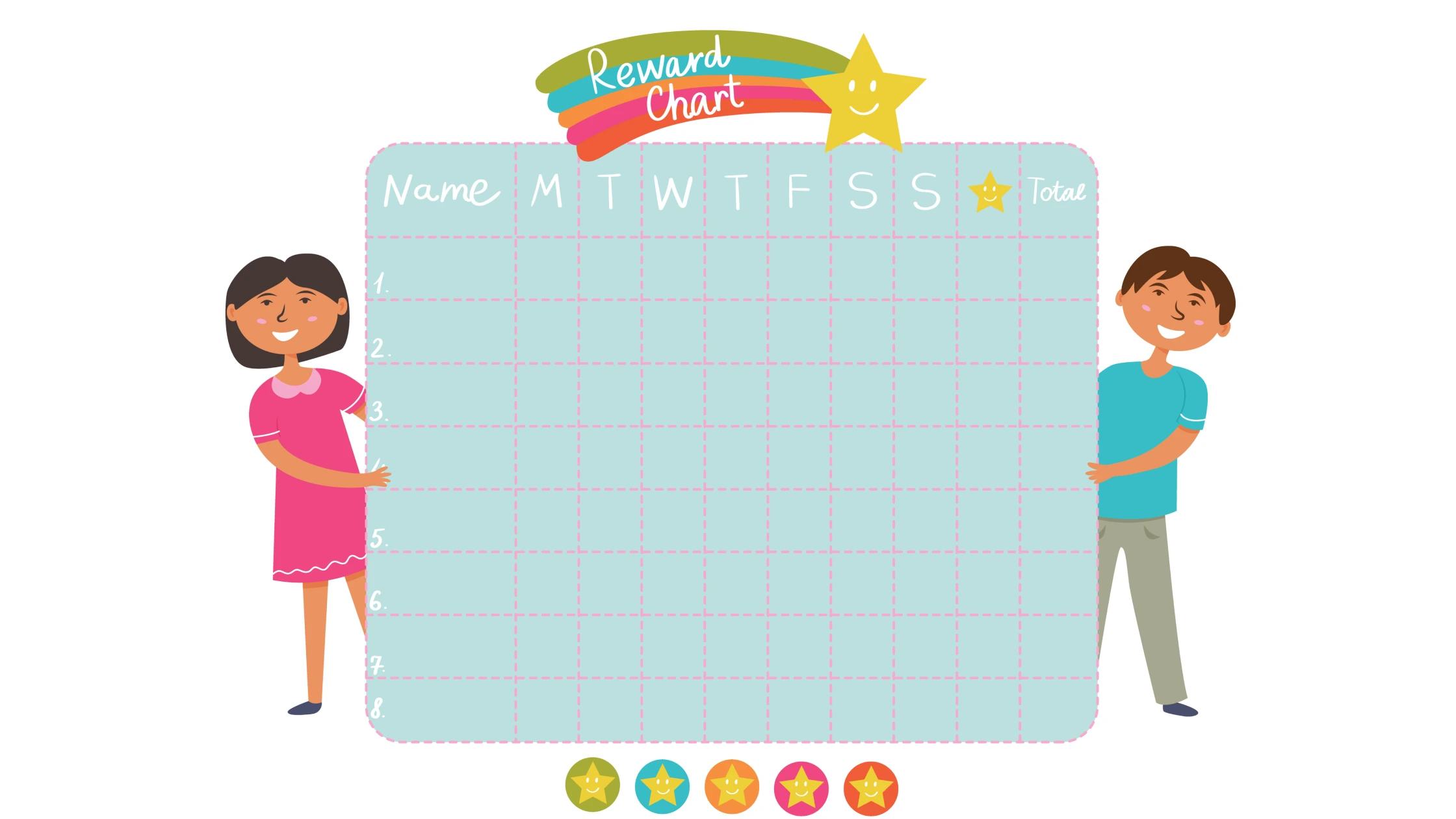
A behaviour chart is a visual graph used by teachers at preschool to guide behaviour of children in preschool and encourage positive practices and manners. By using stickers and complement children get immediately rewarded for their positive behaviour which in turn acts as motivation for them to imbibe the importance of positive behaviour and encourages them to be nice.
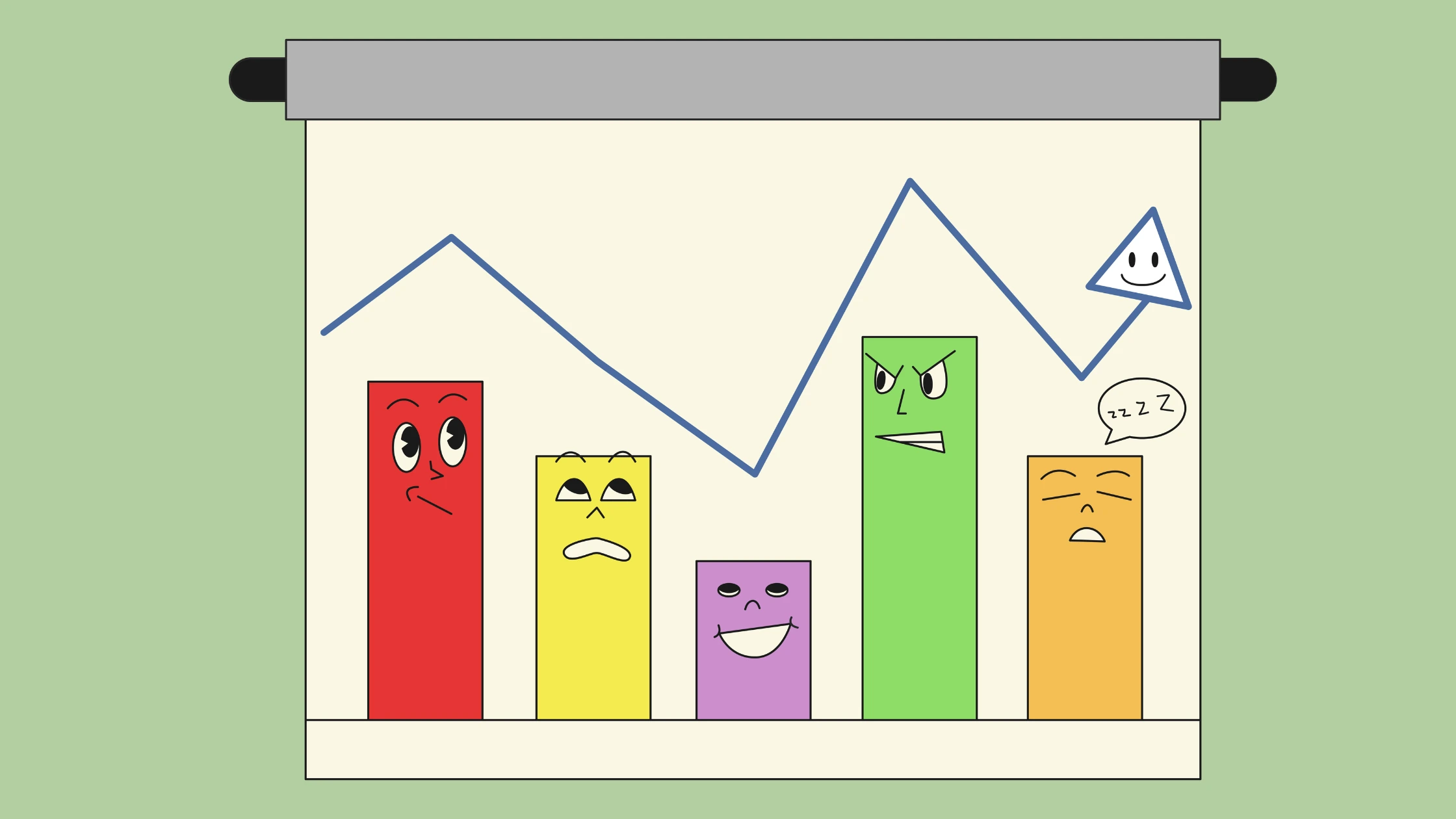
This behaviour reward chart approach is a proven method of positive reinforcement and helps children develop good routines and habits in a structured, age-appropriate way.
Importance Of Behaviour Management in Preschool
Behaviour management in preschool forms the base for a strong social and emotional growth. It helps children understand boundaries, practice self-control, and learn cooperation skills, in equal importance with academic readiness. When children learn to manage their behaviour effectively, they also learn how to regulate their emotions, and this gives them an upper hand in adapting to different social situations.
Types of Behaviour Charts Suitable for Preschoolers
Let’s dive into diverse types of behaviour chart for kindergarteners that can be used to strengthen their good behaviour:
1. Chore Charts
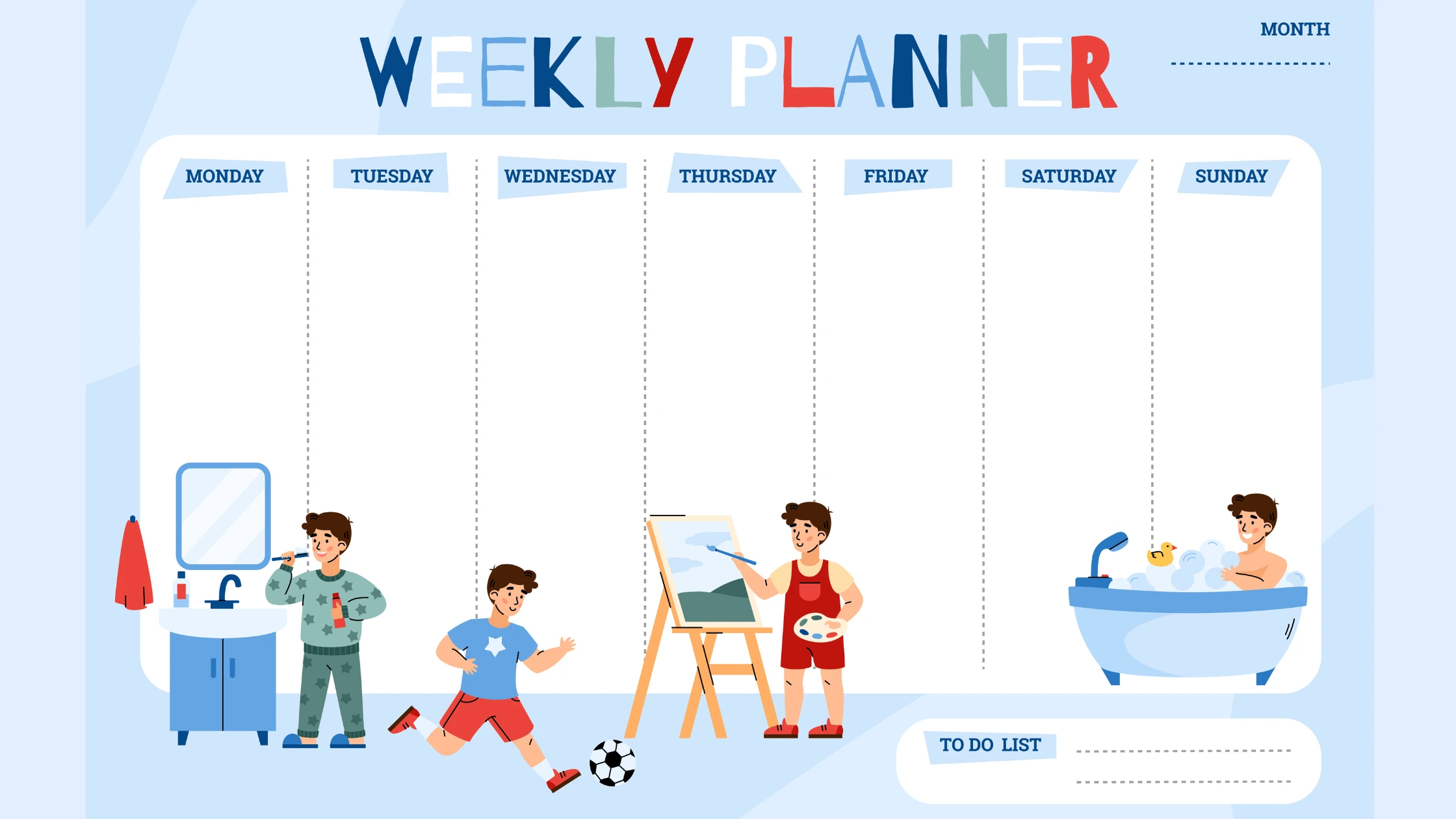
A chore chart includes checklists like expected routines, homework, and other regular chores, like keeping their toys or brushing their teeth. The children can visually track their actions and behaviour.
2. Sticker Charts
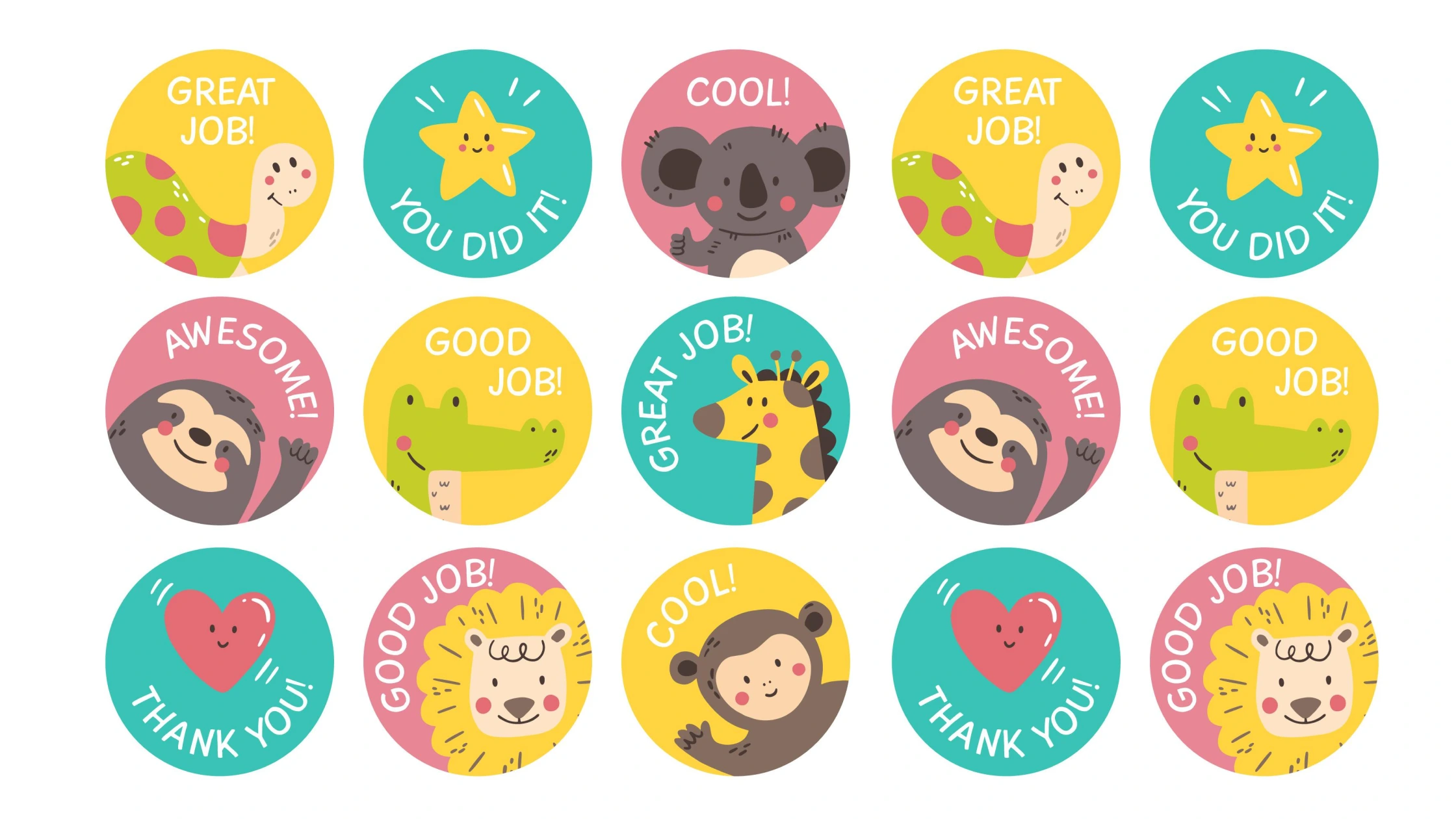
Sticker charts list specific tasks like “Keep your toys in the cupboard” instead of vague instructions like “Keep your room clean.” Each completed task earns an instant reward, helping children connect good behaviour with positive reinforcement.
3. Colour Behaviour Chart
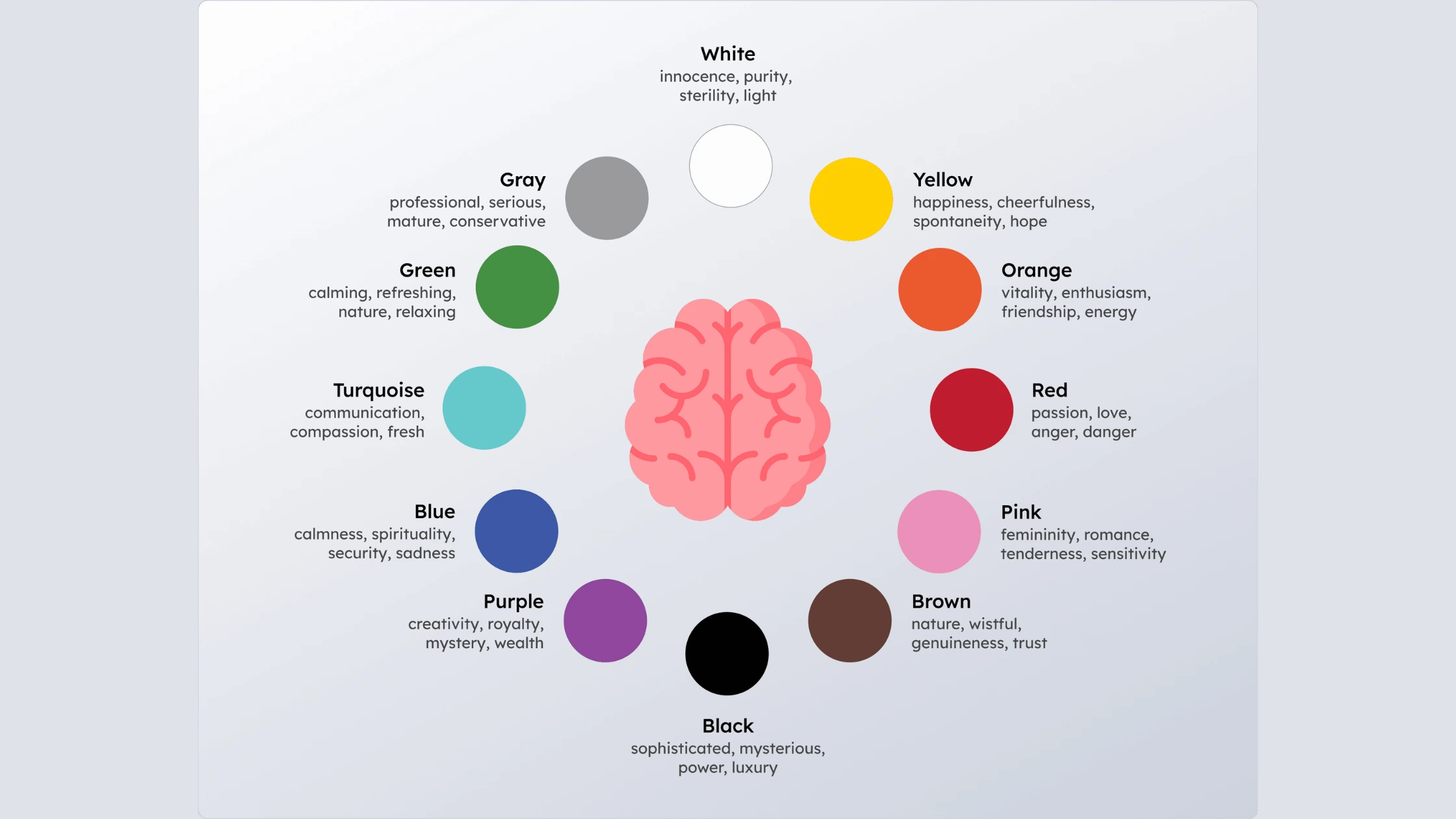
As the name suggests a colour behaviour chart is comprised of different colours being used to label different behaviour levels. For example, blue for being helpful, pink for caring, orange for friendly, red for areas of improvement, and so on. This colourful, visual approach makes it easy for children to understand their choices and identify how they can do better.
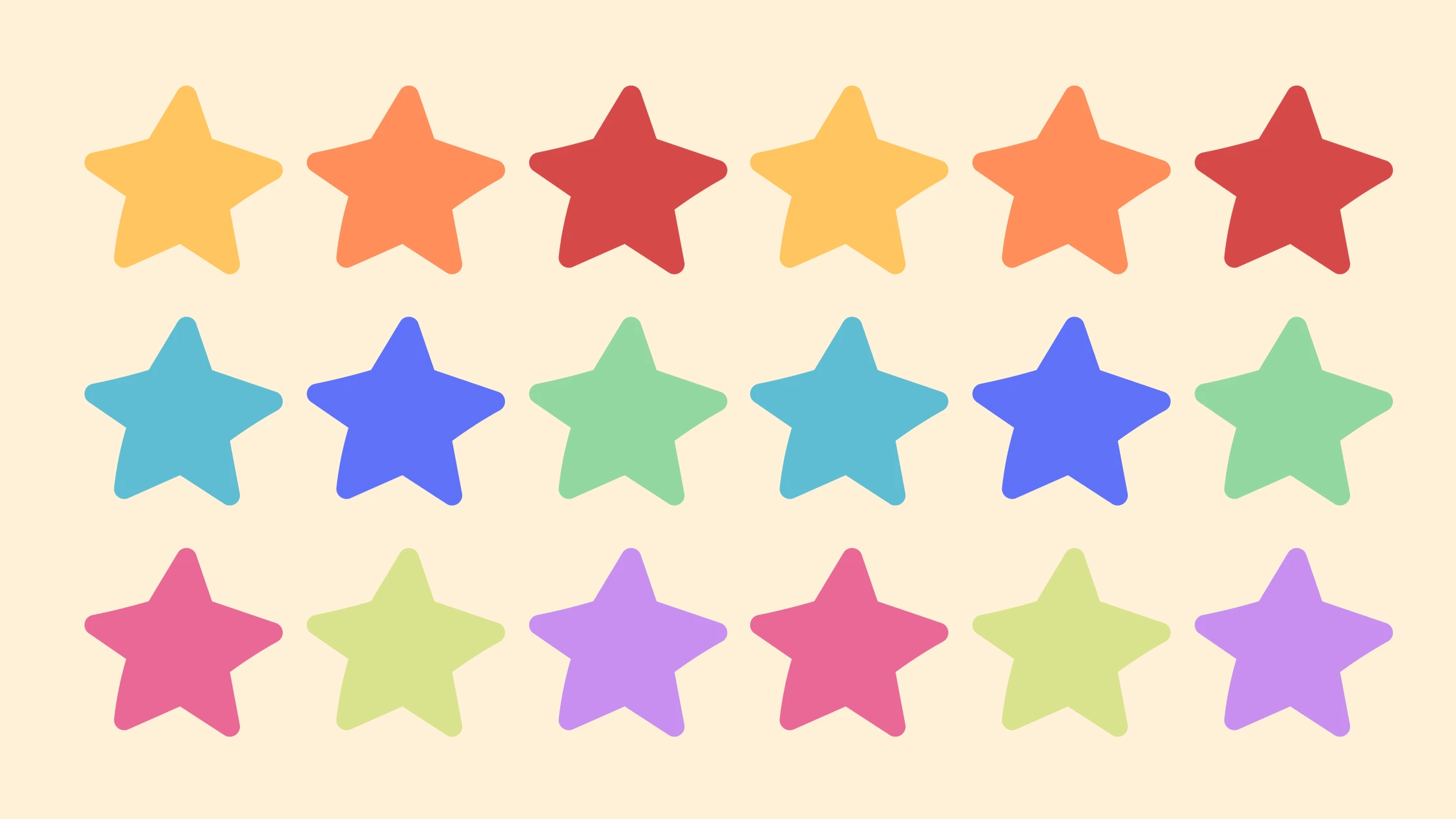
4. Star Charts
In this behaviour chart, children earn stars for doing positive actions for simple tasks like saying thank you, listening actively, or helping their friends. The more stars children collect, the bigger the reward they receive, like extended playtime or their favourite snack.
5. Rewards Systems Charts
In this system, children collect points for each good action. When they reach a certain number, they can exchange these points for privileges like extra play time, movie night, or an ice cream.
What Should Be Included in a Preschool Behaviour Chart?
The first thing while creating a preschool behaviour chart is that it should be simple, clear, and age appropriate.
- Set a specific goal like ‘arrange your toys’ or ‘don’t eat in bed.’ Avoid vague goals that could get them confused. Keep these as simple as possible.
- The targeted goal should be small and achievable, like ‘brush your teeth’ or ‘clean your feet’ rather than ‘clean yourself up.’
- The goal should be age-appropriate to keep them interested, like ‘keep the spoons on the table’ and not ‘set the table.’
- Use visuals so it is easier for children to understand the goals/expectations.
- Focus on one goal at a time so that they are not overwhelmed.
Why do Teachers Use Preschool Behaviour Management Practices?
Behaviour management practices are used by teachers to educate little preschoolers to make them aware of good habits and behaviour. Listed below are some very important reasons as to why these practices are important.
1. Visual Reinforcement
Kids understand better when they observe rather than read text. When they see praises in the form of visuals on a behaviour chart for preschool, they can see their own progress and rectify their behaviour accordingly.
2. Avoiding Unwanted Behaviour
Children tend to throw more tantrums when being scolded for their behaviour. So instead of nagging them about their bad behaviour, educating them through rewards for positive behaviour works effectively.
3. Applauding Positive Behaviour
When the children are praised for their good actions, they feel motivated and confident.
4. Personalised Feedback
A behaviour chart for preschool helps teachers keep a track of each child’s behaviour. It helps them to provide a detailed, personalised feedback and adjust teaching strategies accordingly.
Benefits of Behaviour Charts
1. Promotes Clarity and Predictability
Behaviour charts clearly define what behaviour is expected, helping children understand rules and routines. It enables them to use their logical thinking to understand what is expected of them and how to adjust their behaviours in social settings.
2. Encourages Self-Regulation and Independence
As children see their own progress in charts, they become aware of their actions. They learn to track their activity and take responsibility of their behaviour. With behaviour reward charts, they tend to start taking care of their actions and regulate their emotions in an independent manner.
3. Promotes Positive Reinforcement
Behaviour charts focus on positive reinforcement rather than punishment. When good manners and actions are celebrated, it motivates them to repeat the same actions again.
4. Boosts Self-esteem and Confidence
The visual progress gives children a sense of capability of being better and therefore increases their self-esteem.
5. Supports Social-emotional Development
Behaviour charts that target specific tasks like helping, caring, being patient, or sharing. Children develop a better sense of behaving socially and emotionally when with others.
Challenges of Behaviour Charts for Preschoolers and How to Overcome Them
1. Risks Intrinsic Motivation
Challenge: Using too many stickers, compliments, and awards can spoil them. Rather than being motivated to be morally good, they may focus only on privileges and awards.
Solution: Praise their efforts. When a child tries but fails, tell them ‘I like how you tried to help your friend.’ Recognising these small efforts motivates them to try again.
2. Creates Unhealthy Competition
Challenge: As the behaviour charts are public, some children may feel discouraged while looking at others’ progress. It may create unhealthy competition as children may compete against their friends just for the sake of rewards.
Solution: Using group goals like rewarding all the kids who completed their tasks and cooperative rewards for teamwork, turn-taking, and sharing makes everyone feel motivated.
3. Over-reliance on Rewards
Challenge: Children tend to complete their tasks or do good deeds only if there is a reward for them.
Solution: As children start to take in the new tasks as a habit, gradually remove the rewards, replace them with hugs and praises, and let them face the natural outcome.
4. Masks Underlying Issues
Challenge: A child’s tantrums or resistance may stem from other deep issues like anxiety, fear, hunger, or more. In such a situation rewards system may camouflage their behaviour temporarily and the underlying issues could go unnoticed.
Solution: Such issues can be addressed by empathetic communication with the kid. When a child sees that people understand them and their situation, it makes them feel emotionally safe and open to change.
When Can You Use a Behaviour Chart for Young Children?
Below are some examples of situations where a behaviour chart could become handy for building better habits:
1. Potty Training
Using stickers or stars to celebrate their every effort and progress in getting better at their potty habits. A simple star chart could help them to be consistent.
2. Chore Completion
Using a chore completion chart for daily tasks invokes a sense of responsibility and discipline in children. It helps children take pride in themselves for completing their tasks independently.
3. Creating A Routine
Toddlers thrive on predictability. Routine-based charts add predictability in their routine and helps in reducing tantrums and helping them transition smoothly.
Conclusion
A behaviour chart for preschool is more than just stickers and rewards. At KLAY Preschools and Daycare, every classroom is equipped with golden precepts behaviour chart that says, we do not hurt feelings, we focus and pay attention, we take turns and share, and we are responsible. These precepts encourage children to model positive behaviour and connect their actions with consequences. They learn to analyse their own behaviour and adapt better habits.
While no method is perfect, behaviour charts play a powerful role in nurturing confident, capable, and emotionally aware young learners.









Subscribe to our newsletter
[contact-form-7 id="12706" title="Newsletter Form for post page"]Our Related Blogs
Yoga Benefits, Activities, and Poses for Preschoolers
For preschoolers, yoga isn’t about perfection but about giggles and benefits. So, are you curious how a simple stretch can support a child’s focus, flexibility, and emotional well-being? Let’s roll...
Year-End Reflection and Goal Setting for Children
Parenting is a journey filled with the brightest moments and valuable lessons, both for us and our children. As the year draws to a close, it’s the perfect time to...
Work-Life Balance Solutions for Parents in Emerald Hills Rd, Sector 65, Gurugram: The KLAY Daycare Advantage
Finding the perfect balance between professional commitments and parenting is a challenge for many working families in Gurugram. Parents in Emerald Hills Rd, Sector 65, especially, look for childcare solutions...