



 76767 08888

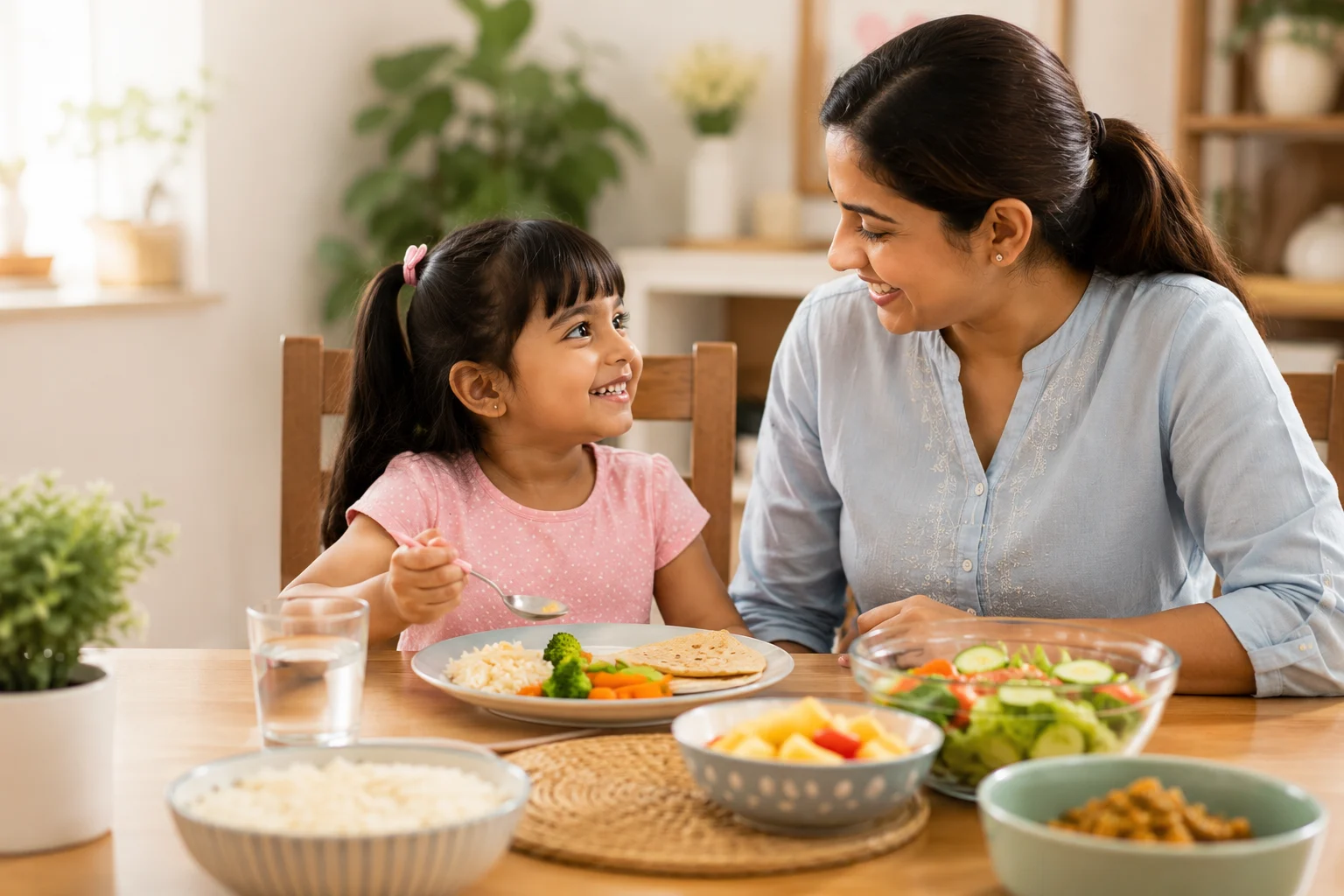


Teaching table manners to preschoolers teaches them self-control and responsibility, which are important parts of discipline. As they learn how to behave appropriately during meals, they also become more confident in social situations and group settings.
In this guide, we’ll explore why teaching table manners to preschoolers early on matters, the basic habits children should learn, and some practical tips to make the process easier.
Why Do Table Manners Matter During the Preschool Years?
Teaching good manners at the dining table helps children develop important life skills that go beyond eating. These habits shape how they behave around others and build their confidence in different situations.
Here’s why teaching table manners to kids at a young age is important:
-
They Teach Respect & Self-Discipline
Learning to wait for their turn and follow simple mealtime rules teaches kids patience and respect for others. These habits also encourage discipline from an early age.
-
They Encourage Healthy Eating Habits
Structured mealtimes help children develop a regular eating routine. Over time, this creates a positive relationship with food and promotes healthier habits.
-
They Help Children Feel Comfortable Around Others
Children who develop table manners at a young age often feel more comfortable eating with others, be it at family gatherings, birthday parties, or school meals. They are less likely to feel shy or unsure about what to do, making social interactions easier and more enjoyable for them.
-
They Promote Independence
As children learn to feed themselves, hold their spoons properly, or clean up after finishing a meal, they begin to feel more capable. These small habits help them become more confident and independent over time.
Essential Table Manners Every Young Child Should Know
Here are some basic table manners for kids that parents can begin teaching during the preschool years:
-
Wash Hands Before & After Eating
Washing hands before meals helps children understand the importance of cleanliness and hygiene. Cleaning up afterwards also teaches responsibility and healthy habits.
-
Sit Properly at the Table
Getting children into the habit of sitting at the table during meals can make a big difference. It helps reduce distractions and turns mealtimes into a more enjoyable family experience.
-
Use Hands or Spoons Neatly
Every family has its own eating traditions. Some may prefer eating with their hands, while others may use spoons. Teaching your child to use whichever method your family prefers helps them eat neatly and comfortably. They become more confident and less messy during mealtimes.
-
Avoid Talking with Food in Their Mouth
Your tiny tot would definitely be the most excited at dinner time, trying to share everything about their day with you! While listening to them talk is the highlight of every parent’s day, teaching them to finish chewing before speaking is important.
Apart from preventing choking, this simple habit teaches them to be considerate of others during family meals.
-
Chew Food Slowly
Eating slowly and chewing food properly are simple habits that children can carry with them into adulthood. With regular practice, they learn that mealtimes are not something to rush through, but an opportunity to slow down and enjoy their food.
-
Not to Waste Food
Young children often do not realise how much food they actually need. Encouraging them to start with smaller portions and take more if needed helps them develop mindful eating habits from an early age.
-
Wait for Others Before Beginning
In many homes, mealtimes are a chance to sit together and catch up after a busy day. Encouraging children to wait for everyone before starting their meal teaches them patience.
How to Teach Table Manners to Preschoolers: 5 Practical Tips for Parents
-
- Lead by Example: Children naturally imitate parents and elders. When they see adults practising good manners, they are more likely to copy those behaviours. So, you must project the right table manners for your child to pick them up early on.
- Make Mealtimes Fun: Adding fun to learning can make the process enjoyable for your child. Stories, role-playing, and simple conversations can turn teaching table manners into a positive experience.
- Focus on Progress Instead of Mistakes: Constantly pointing out mistakes can discourage children and make mealtimes stressful. Instead, focus on positive reinforcement to motivate them to repeat good habits.
- Teach One Habit at a Time: Trying to introduce too many rules at once can overwhelm children. Teaching one behaviour at a time helps them understand and remember it better.
- Stay Consistent with Daily Routines: Consistency is one of the best tips to teach table manners to toddlers. Repeating the same expectations during every meal helps children develop good manners naturally.
Frequently Asked Questions About Table Manners for Kids:
-
-
- At what age should preschoolers start learning table manners?Children aged 2-3 naturally begin copying what they see around them. So everyday family meals become a natural opportunity to introduce basic table manners.
- How do I teach table manners to a child who refuses to sit at the table?Many preschoolers find it hard to sit still for long periods, which is normal. Keep your mealtimes short and enjoyable. As your child becomes more comfortable, they will usually manage longer mealtimes without feeling pressured.
- Is it normal for my preschooler to make a mess while eating?Yes. Learning to feed themselves takes practice, and spills and crumbs are part of the process. So, rather than aiming for perfectly tidy meals, focus on steady progress and growing independence.
- Should I correct my child during meals?Yes, but don’t be too harsh on them. Gentle reminders are usually enough. Children respond better to calm guidance and consistent routines than to criticism or repeated scolding.
- How can I teach manners without making mealtimes stressful?Noticing and praising small successes can go a long way. Children are more likely to keep practising when their small efforts are appreciated.
-









Subscribe to our newsletter
[contact-form-7 id="12706" title="Newsletter Form for post page"]Our Related Blogs
Yoga Benefits, Activities, and Poses for Preschoolers
For preschoolers, yoga isn’t about perfection but about giggles and benefits. So, are you curious how a simple stretch can support a child’s focus, flexibility, and emotional well-being? Let’s roll...
Year-End Reflection and Goal Setting for Children
Parenting is a journey filled with the brightest moments and valuable lessons, both for us and our children. As the year draws to a close, it’s the perfect time to...
Work-Life Balance Solutions for Parents in Emerald Hills Rd, Sector 65, Gurugram: The KLAY Daycare Advantage
Finding the perfect balance between professional commitments and parenting is a challenge for many working families in Gurugram. Parents in Emerald Hills Rd, Sector 65, especially, look for childcare solutions...