



 76767 08888

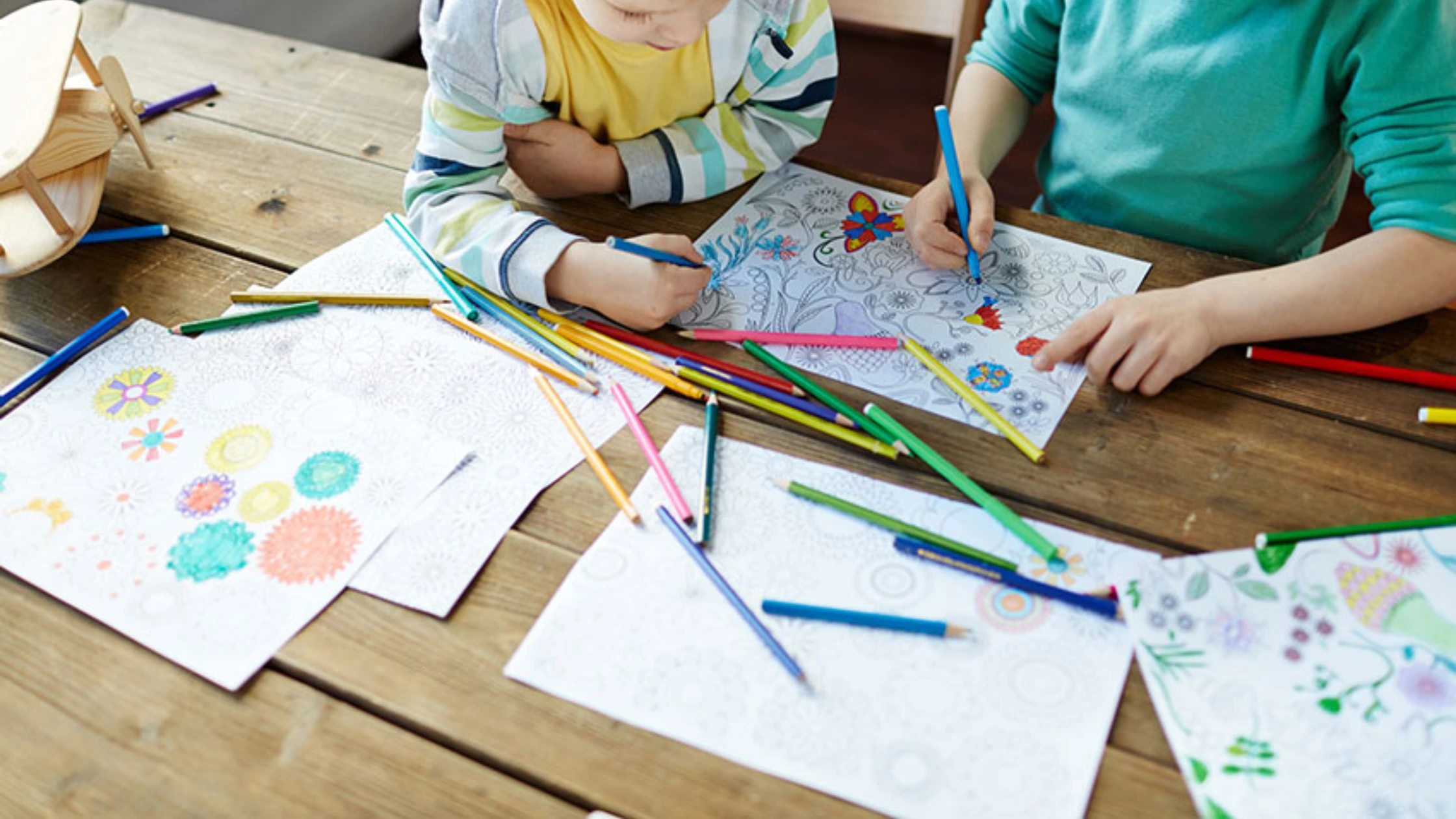


From my visit to a KLAY classroom, I still remember a moment that many parents can relate to. A two-year-old child, Sagar, picked up a crayon and proudly announced, ‘blue,’ even though it was red. And yet it was his excitement and confidence that stood out.
These small moments show that children are always learning. When it comes to how to teach kids colours, it is not about getting the right names initially, but the willingness to explore.
When do kids start learning colours?
Learning colours begins in the simplest ways, like surroundings, toys, clothes, food, or conversations. These small experiences gradually strengthen strong colour recognition skills.
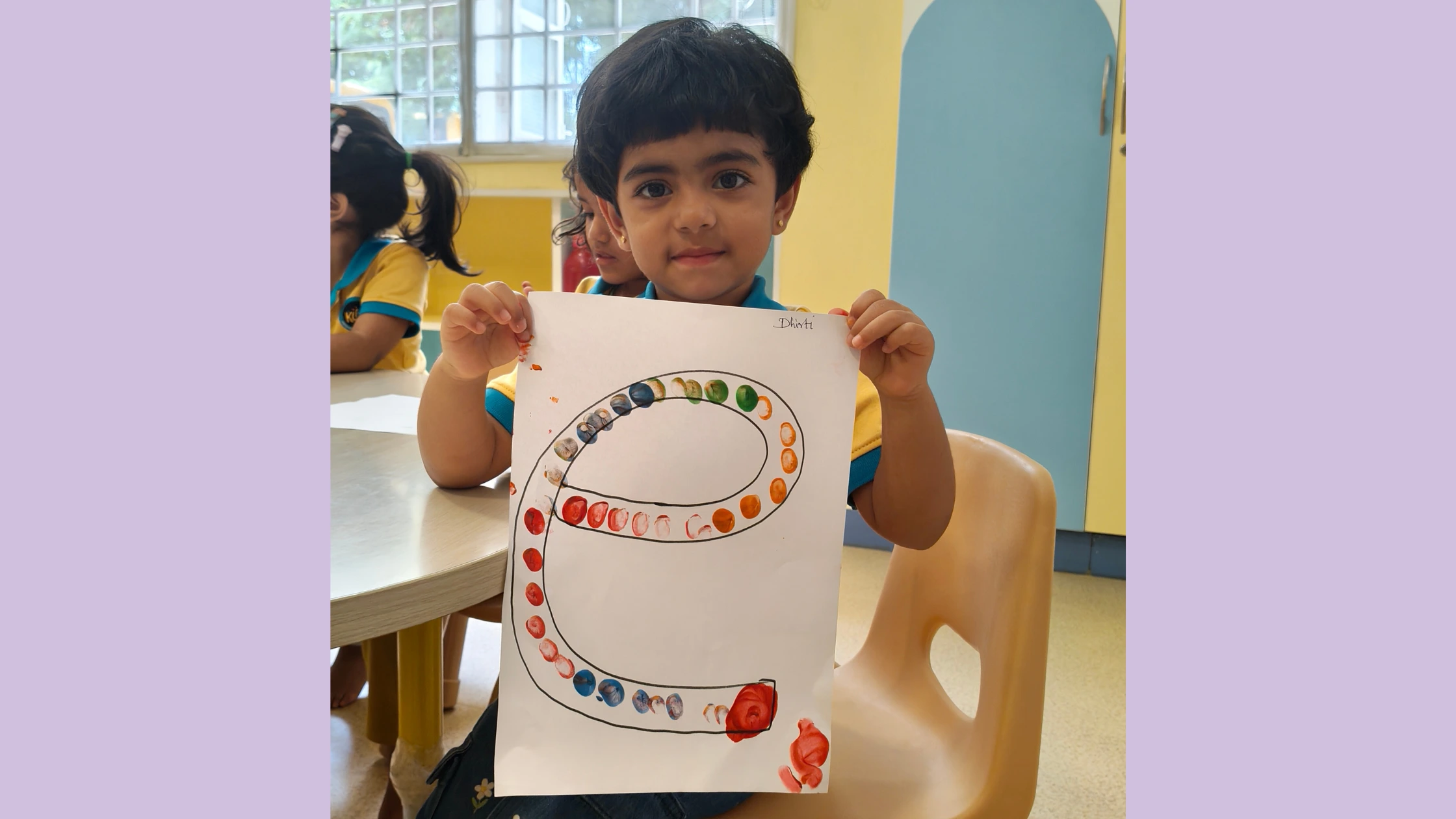
The colour recognition age is generally between 2 and 4 years old, when they begin identifying and sorting colours. At this age, they can recognise colours but may not be able to name them. For example, they may sort red and blue blocks in separate groups but may not be able to say ‘blue’ or ‘red’ at this early age.
Best ways to teach colours to kids at home
Teaching colours should feel like a part of everyday life rather than structured lessons. Here are some simple ways to teach colours for kindergarten kids at home:
1. Primary colours
Begin with basic colours for kids like red, blue, and yellow, which are the primary colours. Keep it limited so that children are not overwhelmed. Let children start exploring these colours first.
2. Everyday things
Include everyday objects like clothes, toys, fruits, and vegetables to familiarise the children with common colours. Use statements like, ‘This is a red apple’ or ‘This is a yellow flower.’
3. Conversations
Have regular conversations about colours during everyday moments, such as walking in the park or shopping. Ask easy questions like ‘What colour is this flower?’ or ‘Can you see a blue packet of chips?’
4. Colour-themed books
Children’s books with bold and bright colours are a great idea for teaching colours. You may let children point and name the coloured objects together. This helps in both building vocabulary and colour recognition for toddlers.
5. Colour songs and rhymes
It is proven that children memorise better with songs. Teach children colour rhymes like ‘Twinkle twinkle rainbow star’ or ‘If you are wearing red today.’ These rhymes support colour recognition for preschoolers.
6. Visual help
Use visual materials like flashcards, charts, and posters with colours. When children see these colours every day, it becomes easy for them to recognise colours. These cues help in colour identification and child development a lot.
7. Exploring nature
Go for regular walks with children outdoors. Let them look at leaves, flowers, birds, and small animals. Let them point out the colours of all the things that they see. This is one of the easiest colour recognition activities for toddlers that builds real-life connections for better learning.
8. Technology
Let children use safe apps that are designed for colour learning. Show videos that talk or sing about and show colours. Choose interactive and engaging apps and videos but keep screen time limited.
Teaching colours through play-based learning
At an early age, learning anything should not feel like a task. It should feel natural and enjoyable. That is where KLAY comes in with play-based learning that transforms colour activities for kindergarten fun. Let’s see how to make teaching colour activities for children exciting:
1. Sorting and matching games
Make piles of coloured building blocks. Ask the children to sort the blocks according to colours or match the same colours. This activity helps children to recognise colours, logically think, and solve problems.
2. Colour hunt
During outdoor walks with children, ask them to find specific colours around them. Colour hunt improves observation skills, cognitive skills, and keeps the brain alert.
3. Art and craft
Activities like finger painting, collage making, popsicle sticks, origami, and bead stringing encourage fine motor and hand-eye coordination.
Colouring activities for kids
Hands-on colouring activity is the best way to learn about colours and art. The colouring activities below help children to use their creativity and imagination:
1. Colouring sheets
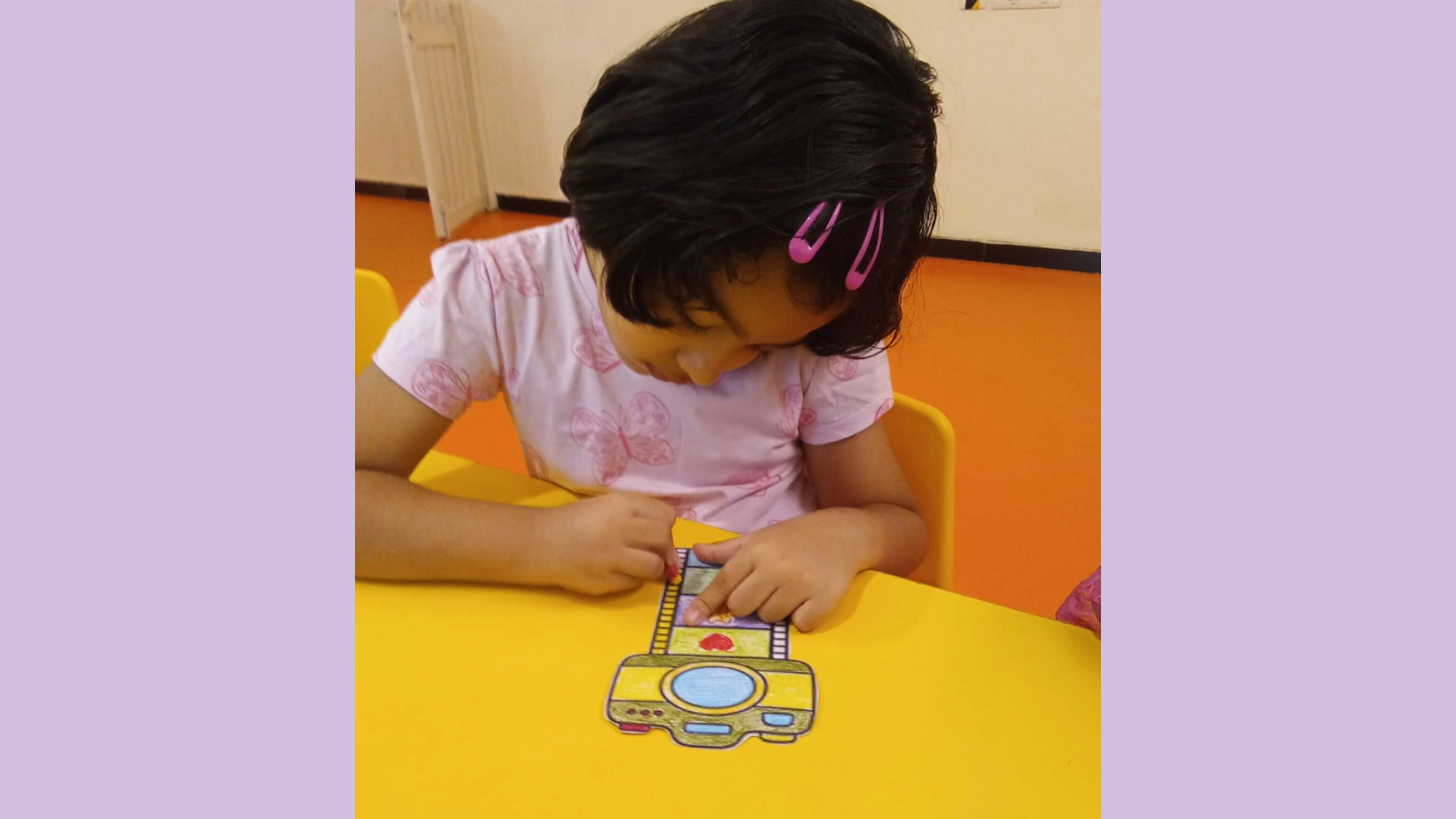
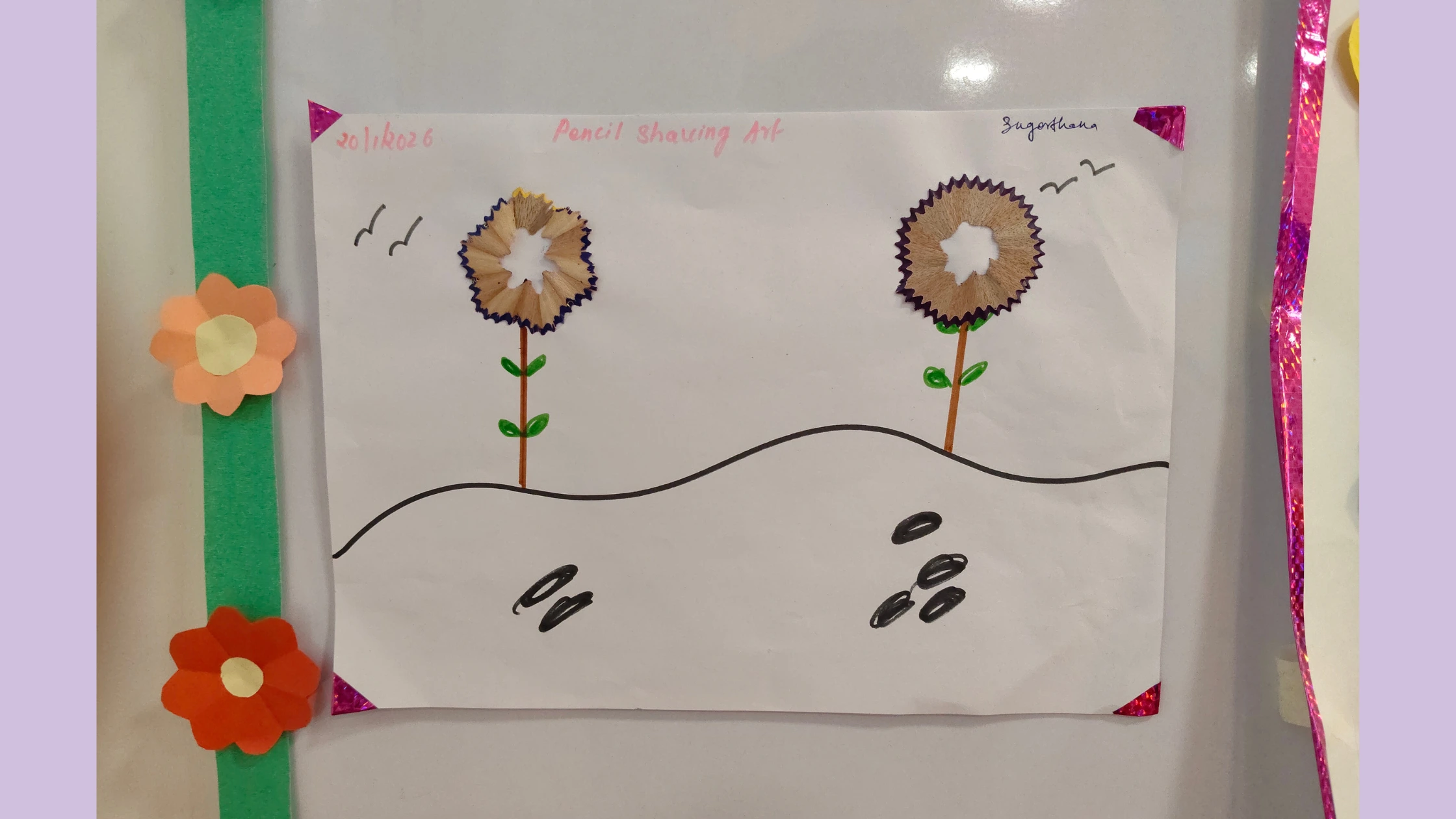
Use colouring sheets with large and familiar shapes that have clear outlines, like a triangle, an apple, or a flower. Let the children use one or two colours at a time to make it easy.
2. Free colour time
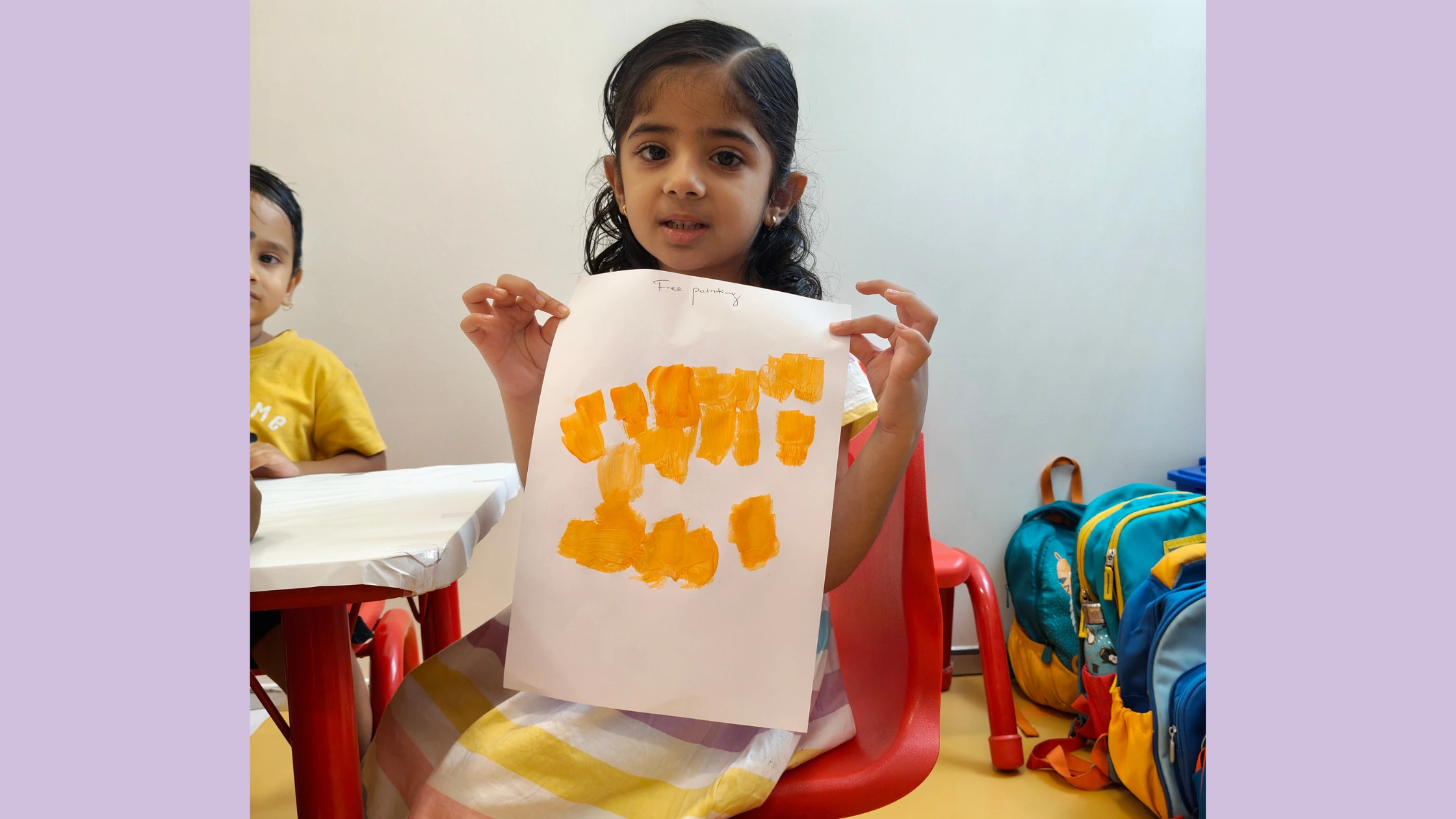
Provide blank drawing sheets and colours to children. Let them use their creativity and imagination to fill the sheet with colours. It also helps them to enhance their fine motor skills.
3. Themed colouring
Use colouring sheets for kids that include specific themes like fruits, vegetables, vehicles, animals, or birds. Themed colouring activities for kids connect colours to the world around them. It builds their knowledge of environmental awareness.
4. Colour-by-object
Provide colouring sheets with missing colours on objects like leaves, wheels, flower petals, or body parts. Such sheets help children to logically think, identify, and predict patterns with colours.
Age-wise colour learning activities
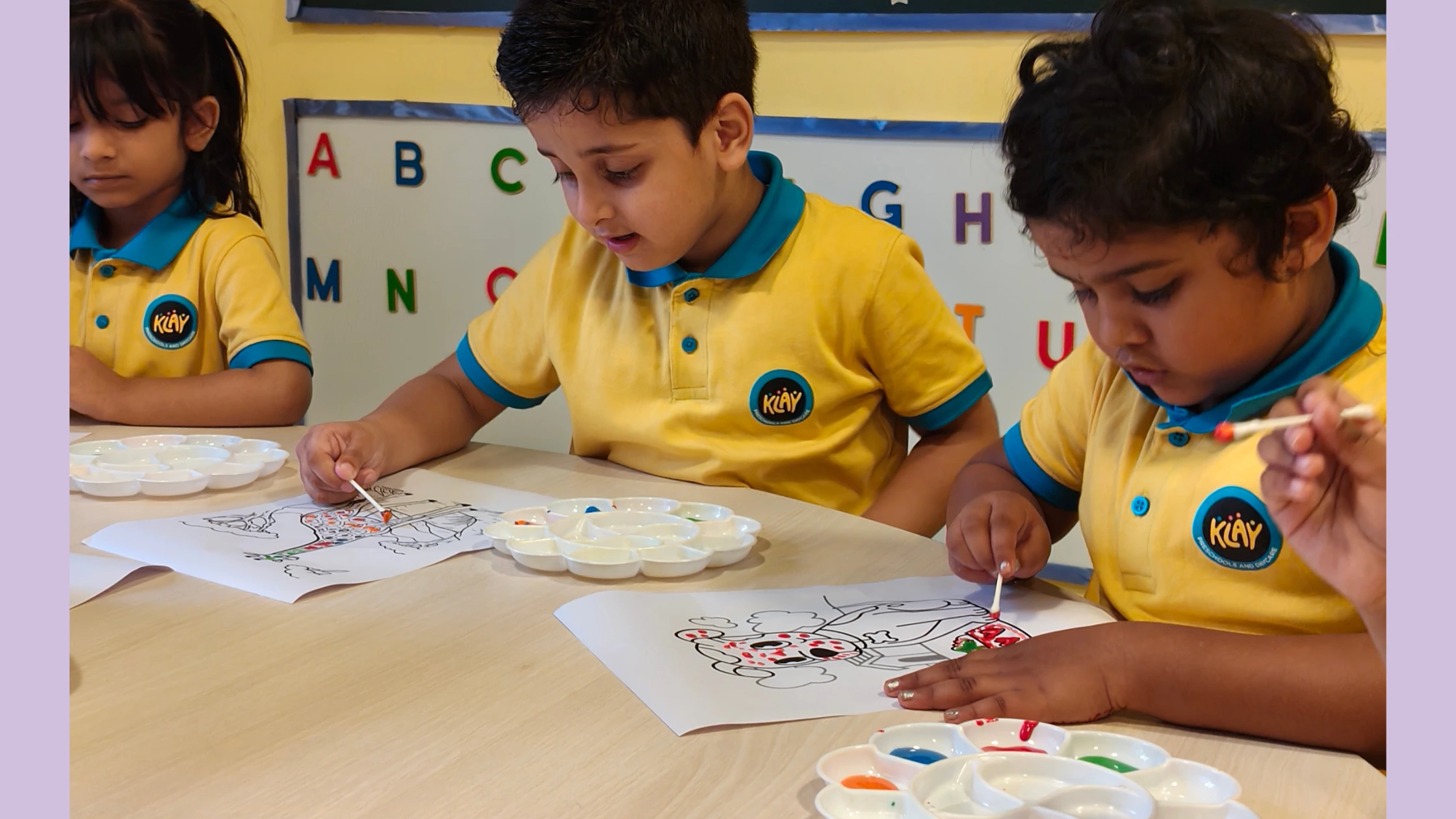
Every age group has its own learning pace and style. Below, we have a guide on how these colouring activities help build life skills in children at KLAY age-wise.
1. 1.5-2.5 years
At this age, infants are exposed to colours and can recognise colours. They may not be able to name or remember them as their brains have just started developing.
How to help:
- Be verbal while doing daily tasks like ‘Pick your red shoes’ or ‘This is a red apple.’
- Give objects one at a time so that they can explore the colours.
- Point at colours on objects, saying, ‘yellow banana’ or ‘blue ball.’
2. 2.5-4 years
At this age, children start to name, sort, and group colours.
How to help:
- Play sorting games where they can sort different coloured toys in separate piles.
- Give colouring tasks related to familiar objects, like colouring the apple red or colouring the sun yellow.
- Play colour hunt and ask questions like ‘Find something green or spot something red.’
3. 4-6 years
Children at this kindergarten age start exploring logical thinking and experimenting.
How to help:
- Mix two primary colours like yellow and red. Let children observe the change and name the new colours.
- Let children colour in patterns like red-blue-yellow-red-blue-yellow. It helps to experiment with patterns.
- Let children colour based on statements like ‘yellow flower’ or ‘green leaf’. This activity helps them to improve their listening and understanding of instructions.
Tips for parents and educators: Every child learns at their own pace, but constant exposure to colour preschool activities and play helps children to grasp colours easily.
Why learning colours is one of the first early childhood milestones
Learning colours is not just fun for children, it helps in overall colour identification child development.

1. Cognitive development
When children differentiate and group colours, they are strengthening visual discrimination and mathematical skills. As they link colours to objects, they are using their memory and recall skills.
2. Language and literacy
As children see and describe colours like ‘blue sky’ or ‘yellow shirt’, they improve their vocabulary and knowledge.
3. Emotional and social growth
When children start exploring colours, they identify how each colour affects their mood. They also help children to understand that colours evoke emotions like red for angry, yellow for happy, or black for sad.
4. Creativity
Colours help children to imagine scenarios and paint like green for nature, blue for sky, or black for hair.
5. Problem-solving
Children learn to organise information based on colours, like using red colour for ‘stop,’ differentiating between identical items based on colours (sorting red and green apples), or identifying their items (blue for me, red for my brother).
FAQs
1. When should I start teaching colours to children?
Children start recognising basic colours after the age of 18 months, so it is recommended to start exposing them to colours around this age.
2. Is it normal for children to mix up the names of colours?
It is completely normal for children up to the age of 4 to make mistakes while naming colours. They may often take the wrong names as they are still developing their recall skills.
3. How many colours should be taught at once?
It is best to start with one colour for the first time. The exposure should be slow and focused, as too many colours at once can be overwhelming.
4. What if children are not interested in colouring?
It is normal for children to be uninterested in colouring activities. It is simply a personality preference. Remember, the colouring activity is for logic and recognition, not for the act of colouring. Let them free play, and over time, they will pick up what they want to do with colours.
5. Should the child be corrected when they name the wrong colour?
If a child names a colour wrong, do not say that they are wrong, as it will simply discourage them. Gently guide and redirect them.
Conclusion
Colours are just the beginning of a child’s learning journey, and the right approach shapes how well they learn. Learning colours becomes easier when it becomes part of their everyday life. At KLAY, we believe children learn best through play and hands-on exploration. While the colouring activities for kids are helpful, if we at KLAY combine them with real-life moments, it makes learning more meaningful.
With KLAY’s play-based approach, a child learns not just colours but also more through fun and exploration.
| Start your child’s journey with KLAY. |










Subscribe to our newsletter
[contact-form-7 id="12706" title="Newsletter Form for post page"]Our Related Blogs
Yoga Benefits, Activities, and Poses for Preschoolers
For preschoolers, yoga isn’t about perfection but about giggles and benefits. So, are you curious how a simple stretch can support a child’s focus, flexibility, and emotional well-being? Let’s roll...
Year-End Reflection and Goal Setting for Children
Parenting is a journey filled with the brightest moments and valuable lessons, both for us and our children. As the year draws to a close, it’s the perfect time to...
Work-Life Balance Solutions for Parents in Emerald Hills Rd, Sector 65, Gurugram: The KLAY Daycare Advantage
Finding the perfect balance between professional commitments and parenting is a challenge for many working families in Gurugram. Parents in Emerald Hills Rd, Sector 65, especially, look for childcare solutions...