



 76767 08888



Key Takeaways for Parents:
- Building essential hygiene habits for preschoolers is important to help reduce the chances of illness for them, build their confidence, and prevent the spread of germs.
- Early hygiene routines lay the foundation for lifelong health and cleanliness.
- Both home and preschool environments play an important role in shaping personal hygiene habits in kids.
- Consistent routines, positive modelling, and gentle reminders help hygiene habits develop naturally.
Building healthy habits in kids at a young age is crucial for their health. Preschoolers are impressionable, and with consistent routines and gentle reminders, they can learn the importance of cleanliness and hygiene at a young age, helping them in the long run.
What Are Hygiene Habits for Preschoolers?
Hygiene habits are daily practices that help maintain cleanliness and prevent the spread of germs. For preschoolers, these habits include washing hands, brushing teeth, bathing regularly, and keeping personal belongings clean. Developing them at an early age is necessary to support lifelong healthy habits and good health.
What Is the Importance of Hygiene Habits for Preschoolers?
As kids start going to preschool, they actively explore the environment around them and interact with other children. They touch shared surfaces, play together, and often eat in group settings. Without good hygiene routines, germs can spread quickly.
Building good hygiene habits helps kids reduce common illnesses, lower absenteeism, and support consistent participation in learning activities. Beyond physical health, hygiene routines also build a sense of cleanliness, which contributes to the child’s self-esteem and independence.
7 Necessary Hygiene Habits Preschoolers Should Build
Teaching and reinforcing hygiene habits to preschoolers builds responsibility and allows them to take charge of their own hygiene at a young age. Here are the seven important hygiene habits to build:
-
Building Hand Hygiene Routines
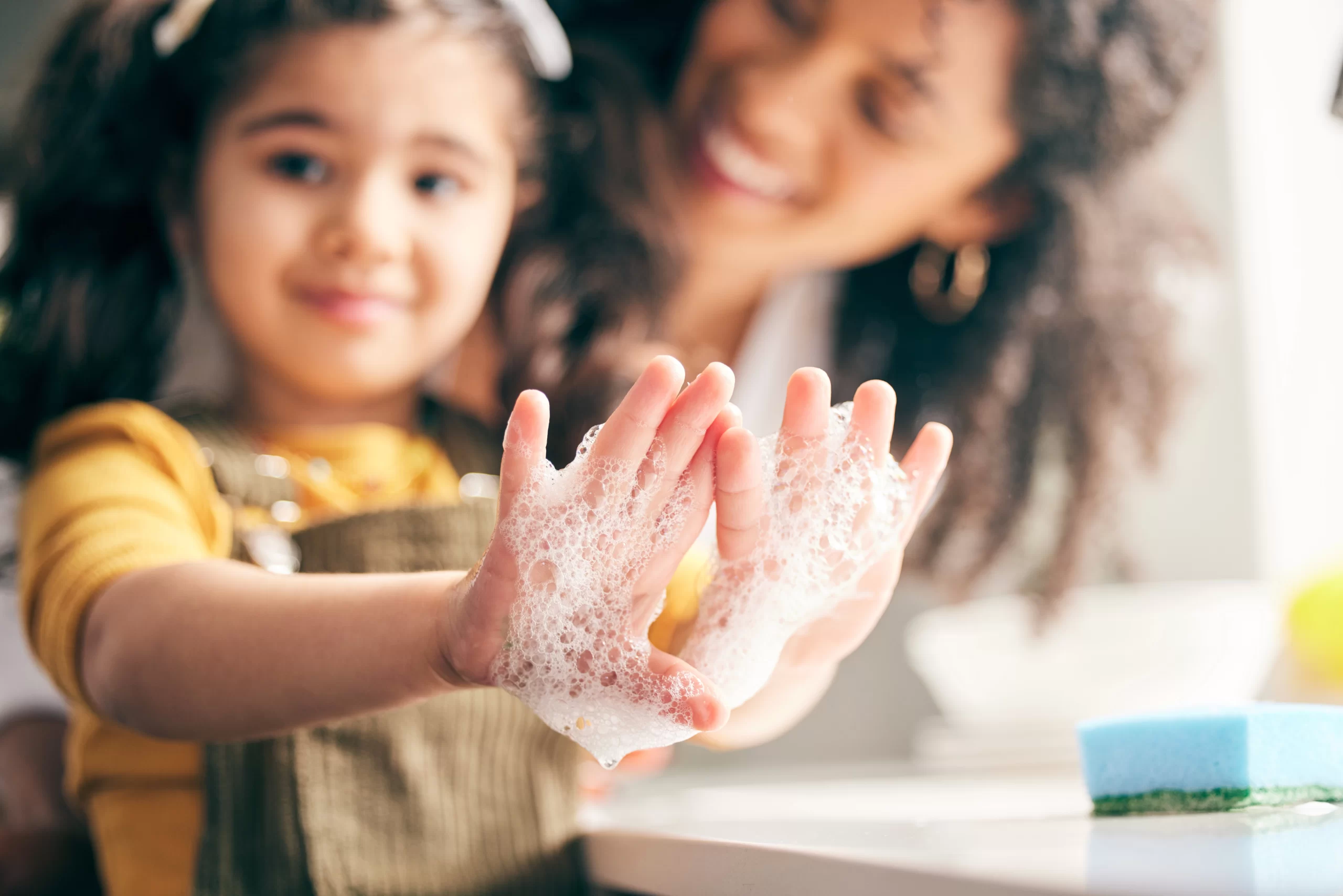
Children should learn to wash their hands before meals, after outdoor play, after using the toilet, and after coughing or sneezing.
Teach them how to use soap and wash their hands correctly for at least 20 seconds to remove germs effectively. You can make this handwashing process fun with songs or counting to encourage consistency without resistance.
-
Establishing Dental Care Habits
Oral hygiene is as important as maintaining overall body hygiene. Preschoolers should be encouraged to brush their teeth twice daily using child-safe toothpaste. Rinsing the mouth after meals and limiting sugary foods support healthy teeth and gums. Kids should be taken for regular dental check-ups from an early age so that they become more comfortable with oral care routines.
-
Maintaining Body Cleanliness
Regular bathing helps remove sweat, dirt, and germs accumulated during play. A daily bath or wash keeps a child feeling fresh and comfortable. Using mild, skin-friendly soaps is important to avoid irritation, especially for young children with sensitive skin.
-
Developing a Hair & Nail Care Routine
Preschoolers should be taught how to wash and brush their hair regularly to maintain cleanliness. Further, it’s important to teach them the importance of nail cleanliness. Nails should be trimmed short to prevent dirt buildup and reduce the risk of infections.
Teaching these hygiene habits to kids gently helps them understand that grooming is part of personal hygiene, not a punishment or chore.
-
Practising Respiratory Hygiene
Preschoolers should be taught to cover their mouth and nose with their elbow or a tissue when coughing or sneezing. Used tissues should be disposed of properly, followed by handwashing.
These small habits significantly reduce the spread of infections in group settings.
-
Teaching Toilet Hygiene Basics
Proper toilet hygiene includes correct toilet use, wiping practices suited to the child’s age, flushing, and washing hands afterwards. Clean hand drying habits, such as using a personal towel, also support hygiene learning. These routines help preschoolers develop independence.
-
Keeping Clothes & Personal Belongings Clean
Children should change clothes when they become dirty or sweaty. Also, it’s important to teach kids not to share their personal items like towels, napkins, and water bottles to reinforce cleanliness and personal responsibility.
Benefits of Building Good Hygiene Habits in Preschoolers
Developing good hygiene habits in preschoolers goes beyond keeping children clean. These play an important role in physical health, emotional well-being, social comfort, and learning readiness.
-
Health-Related Benefits
- Reduced Risk of Common Illnesses: Regular handwashing, bathing, and oral care help limit the spread of germs, lowering the chances of frequent infections such as colds, flu, and stomach-related illnesses.
- Healthier Skin & Teeth: Consistent bathing and tooth brushing help prevent skin irritation, rashes, cavities, and gum problems, keeping kids comfortable and healthy.
-
Developmental & Emotional Benefits
- Improves Self-Confidence: When a preschooler feels clean and fresh, they are more likely to feel comfortable in social settings, which supports their positive self-esteem and emotional security.
- Encourages Independence: Having hygiene routines helps children learn to take responsibility for their own cleanliness, empowering them to care for their bodies.
- Builds Lifelong Healthy Habits: Kids become familiar with routines such as washing hands and brushing teeth, laying the foundation for long-term health and well-being.
- Supports Social Comfort & Acceptance: Good hygiene reduces issues like body odour or visible dirt, helping children feel confident around peers and participate more freely in group activities.
-
Learning & School-Readiness Benefits
- Improves School Attendance: Fewer illnesses mean fewer missed school days, allowing preschoolers to engage consistently in learning and classroom routines.
- Develops Responsibility & Self-Care Skills: Hygiene routines teach discipline, awareness, and self-care, which are essential life skills that extend beyond early childhood.
Tips on How to Teach Hygiene Habits to Preschoolers at Home and School
Below are some tips for parents and teachers to help teach hygiene habits in preschoolers more smoothly:
- Make Learning Fun: Use songs, visual charts, and rhymes to turn hygiene routines into engaging activities. Sticker charts or simple rewards encourage participation without pressure.
- Create Hygiene Routines: Kids work best when there’s a routine for them to follow. Setting specific times for hygiene activities helps children know what to expect. Routines before meals, after play, and before bedtime support habit formation through consistency.
- Lead by Example Every Day: Preschoolers are easily influenced. They learn by observing adults. When parents and teachers practise good hygiene themselves, children are more likely to imitate these behaviours naturally.
How Preschools Help in Teaching Preschoolers Importance of Hygiene Habits
A structured preschool environment supports hygiene habits in preschoolers naturally, without making it look like compliance. Here’s how:
- The play areas and all the toys used in preschools are regularly cleaned to reduce germ exposure. This habit teaches kids that keeping their surroundings clean is a normal part of daily life and not a chore.
- You’ll notice how everywhere around a preschool, you’ll find the presence of posters and charts serving as visual reminders for kids. There are even short hygiene-focused activities done to help children remember steps easily.
- The presence of child-friendly sinks, soap dispensers, and toilets allows children to practise hygiene independently and confidently.
Common Challenges & Solutions for Teaching Hygiene Habits to Preschoolers
Teaching something new to kids is always a challenge. Here are some common ones along with their practical solutions:
- Some preschoolers may resist hygiene routines. The best way to tackle this is to introduce games, stories, or role-play, which can make these activities more appealing.
- Kids can forget their routines. This challenge can be addressed through visual reminders or short jingles.
- Teaching preschoolers to avoid sharing their personal items at an age where you also teach them that sharing is a good habit can be tricky. The key to building this hygiene habit for kids is by developing a consistent handwashing routine and reminding them constantly of things they can and cannot share.
- For children with sensory sensitivities, use gentle soaps and soft towels to make hygiene routines more comfortable for them so that it doesn’t feel like a chore to them.
Creating Healthy Hygiene Habits for Kids That Last
Helping your preschooler develop hygiene habits at a young age is an essential part of early childhood care and education. When taught gently and consistently, these habits support health, confidence, and independence.
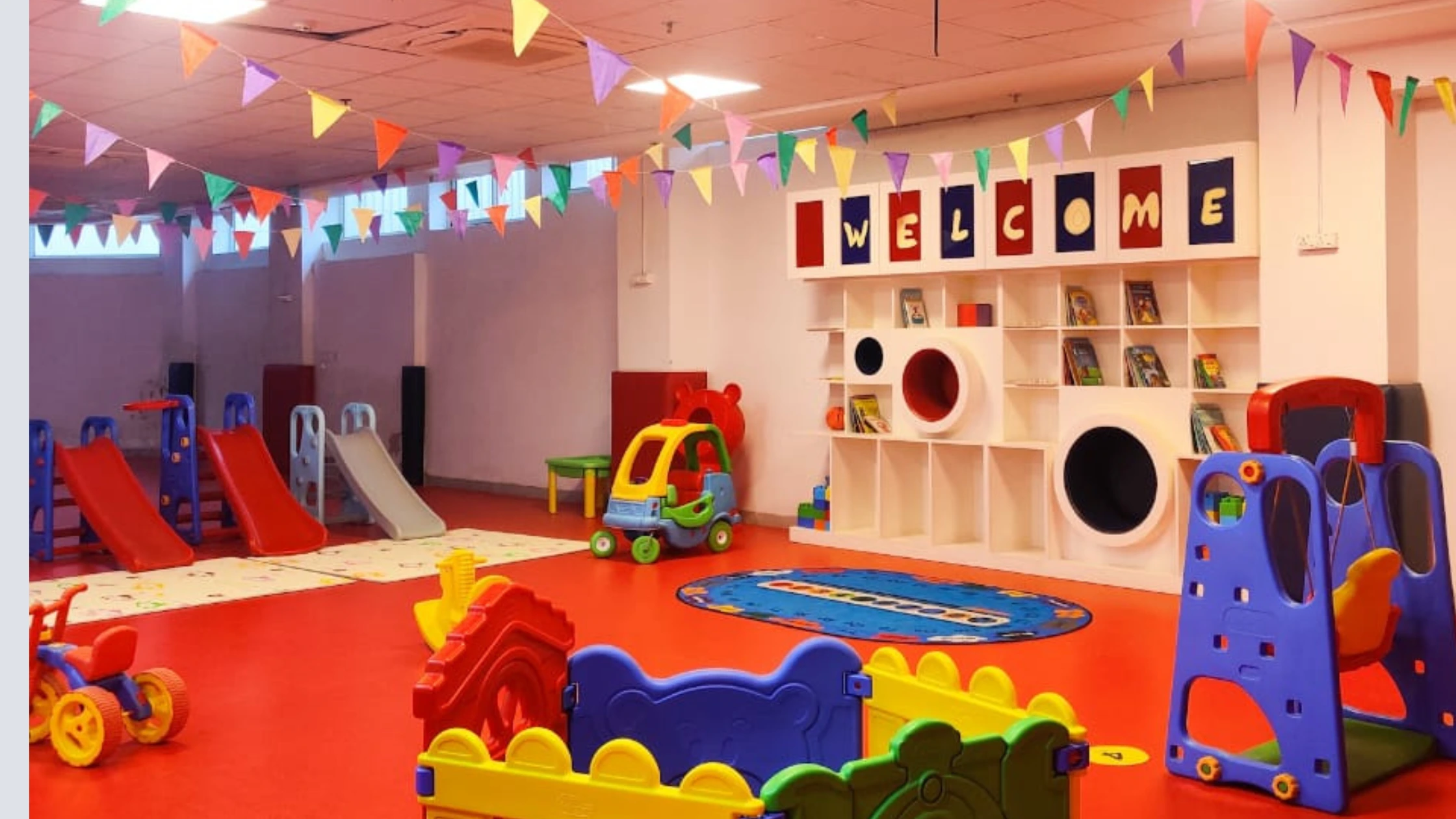
At KLAY Preschools, hygiene practices are integrated naturally into your child’s daily routine through child-friendly environments, guided supervision, and age-appropriate learning. This balanced approach helps preschoolers adopt healthy habits that support their growth well beyond the classroom!










Subscribe to our newsletter
[contact-form-7 id="12706" title="Newsletter Form for post page"]Our Related Blogs
Winter’s in the air. Make a Khichdi of it!
Winter’s In The Air. Make a Khichdi Of It! With the northern winds playing a peek-a-boo on chilly mornings, it is time to keep your little ones warm with loads...
Why Patience Is A Key Teaching Skill In Early Years At KLAY, Kanakapura Road
When parents think about what makes a great early years teacher, qualities like warmth, creativity, and care often come to mind. But there is one skill that quietly shapes every meaningful learning...
Why KLAY Golf Course Road Could Be Your Best Preschool Choice?
Choosing the right preschool is one of the first big steps in your parenting journey. Between managing work, home, and family life, finding a safe yet dedicated learning place for...