Understanding Fairness in Early Childhood
Fairness is one of the earliest social concepts children begin to explore. It often starts with simple moments such as sharing toys, waiting for a turn, or deciding who goes first in a game. At KLAY Sector 51, Gurgaon, fairness becomes a meaningful part of everyday learning through guided interactions and purposeful play. These early experiences help children build a strong sense of empathy, cooperation, and respect.
Sharing as the First Step Toward Fairness
For young children, fairness frequently begins with sharing. A child who offers blocks to a friend or divides crayons equally during an activity is learning how balance works in social settings. At KLAY Sector 51 Gurgaon, educators gently guide children through these situations, helping them understand that fairness supports friendship and trust. Through repetition and encouragement, children begin to internalise the idea that everyone deserves consideration.
Google maps: https://maps.app.goo.gl/h9GzQNekSkNcnbKU9
Taking Turns Builds Patience and Respect
Turn-taking during games and group activities plays a vital role in developing fairness. Waiting patiently while another child speaks or plays reinforces self-regulation and respect for others. In circle time discussions, role play corners, and outdoor play sessions, children practise waiting, listening, and responding thoughtfully. These experiences strengthen both social skills and emotional maturity.
Role Play Encourages Perspective Taking
Dramatic play offers powerful opportunities to understand fairness from different viewpoints. When children engage in pretend scenarios such as running a store or working in a community setting, they explore ideas of rules, roles, and responsibility. At KLAY Sector 51 Gurgaon, structured role play activities help children recognise that fairness involves understanding how actions affect others. This perspective taking supports empathy and cooperation.
Resolving Conflicts with Guidance
Conflicts naturally arise during play, and these moments become valuable learning opportunities. Instead of immediately solving disagreements, educators guide children to express feelings, listen to peers, and find solutions together. Through these conversations, children learn that fairness involves communication, compromise, and accountability. Over time, they develop the confidence to resolve minor conflicts independently.
Classroom Practices That Reinforce Equality
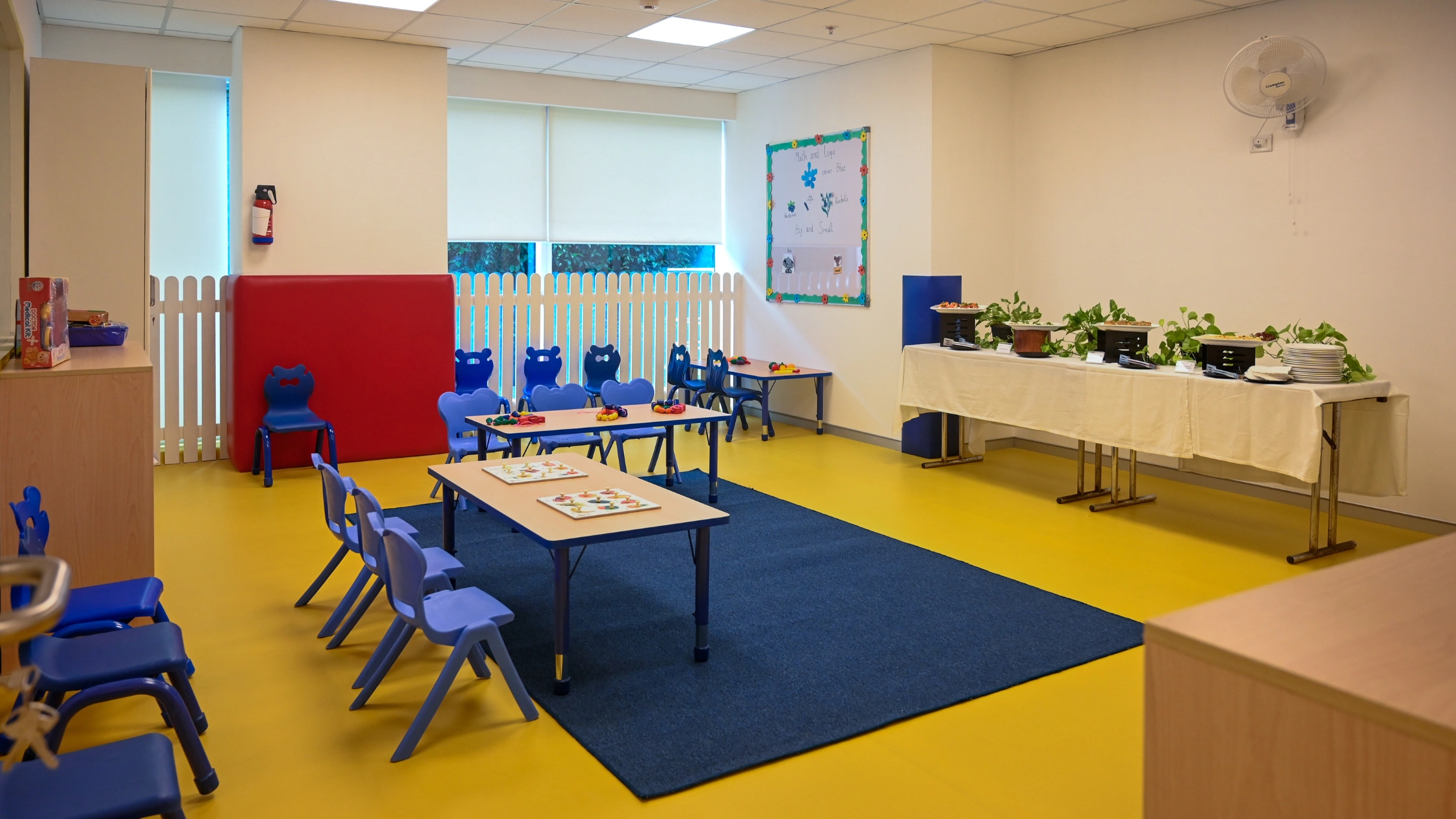
Fairness is reinforced through daily routines and classroom norms. Equal participation in activities, shared responsibilities, and inclusive group discussions ensure that every child feels valued. At KLAY Sector 51 Gurgaon, the classroom environment is thoughtfully designed to promote belonging and mutual respect. When children experience fairness consistently, they begin to model it in their own behaviour.
Building Foundations for Lifelong Values
The lessons children learn about fairness during preschool extend far beyond the classroom. Through sharing, turn taking, collaborative play, and guided conflict resolution, children develop strong social and emotional foundations. At KLAY Sector 51, Gurgaon, purposeful play nurtures these essential values in a natural and engaging way.
Fairness, when learned early, becomes a lifelong strength. Through everyday play experiences, children grow into individuals who understand respect, empathy, and responsibility, qualities that support both academic success and meaningful relationships.




 76767 08888













Subscribe to our newsletter
[contact-form-7 id="12706" title="Newsletter Form for post page"]Our Related Blogs
Yoga Benefits, Activities, and Poses for Preschoolers
For preschoolers, yoga isn’t about perfection but about giggles and benefits. So, are you curious how a simple stretch can support a child’s focus, flexibility, and emotional well-being? Let’s roll...
Year-End Reflection and Goal Setting for Children
Parenting is a journey filled with the brightest moments and valuable lessons, both for us and our children. As the year draws to a close, it’s the perfect time to...
Work-Life Balance Solutions for Parents in Emerald Hills Rd, Sector 65, Gurugram: The KLAY Daycare Advantage
Finding the perfect balance between professional commitments and parenting is a challenge for many working families in Gurugram. Parents in Emerald Hills Rd, Sector 65, especially, look for childcare solutions...