



 76767 08888

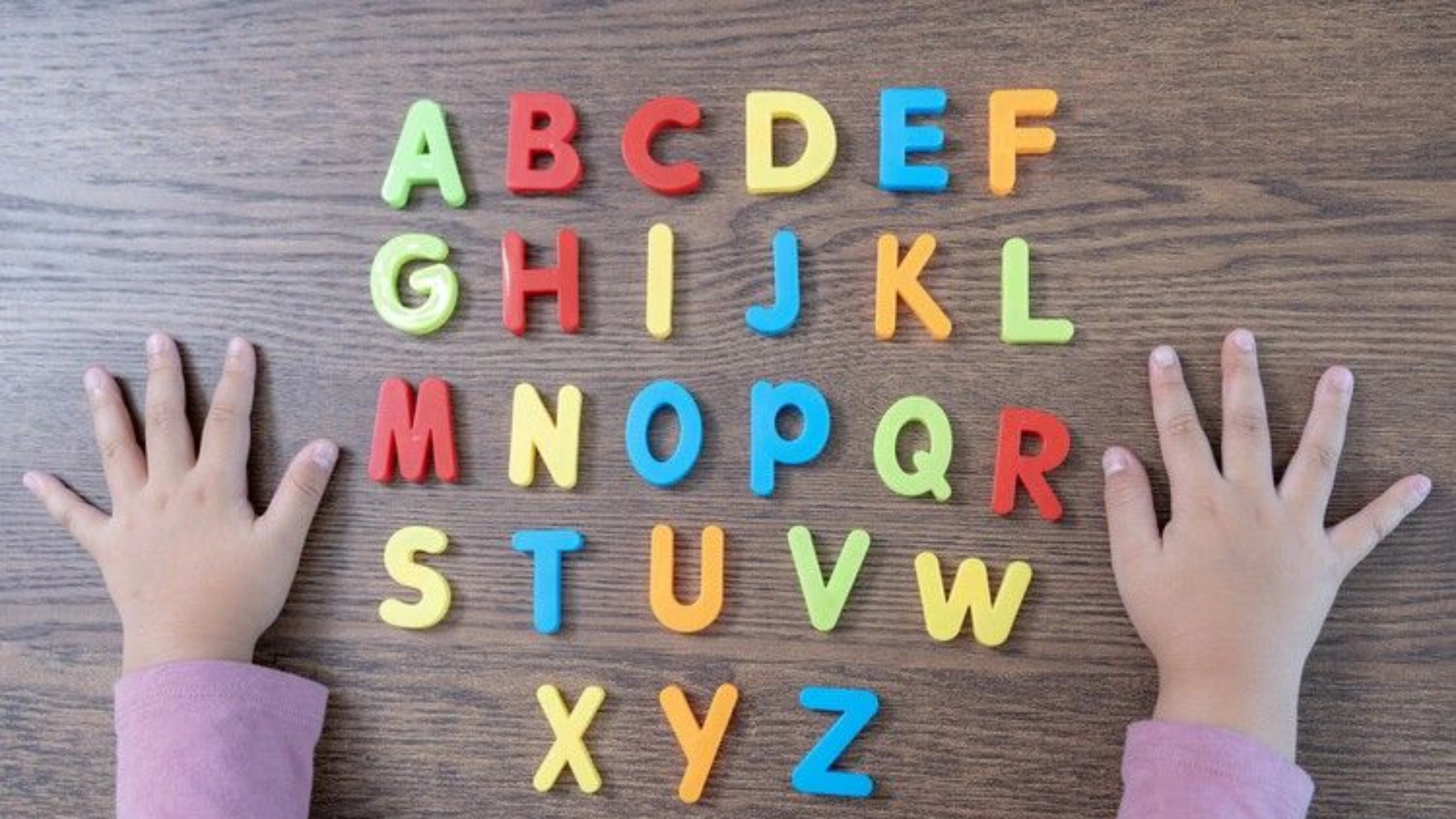


There is nothing more heartwarming than a toddler trying to pronounce a new word for the first time. Whether it’s a soft ‘mama’ or an excited repetition of a word that they hear often, it shows that the kids are beginning to understand how sounds come together to form a word.
This is where the understanding of vowels and consonants for Preschoolers becomes important because they form the base of every word that the children will eventually speak, read, or write.
This blog breaks down vowels and consonants for kids in simple ways for both parents and educators.
What are Vowels and Consonants?
In the English language, letters are divided into two groups- vowels and consonants.
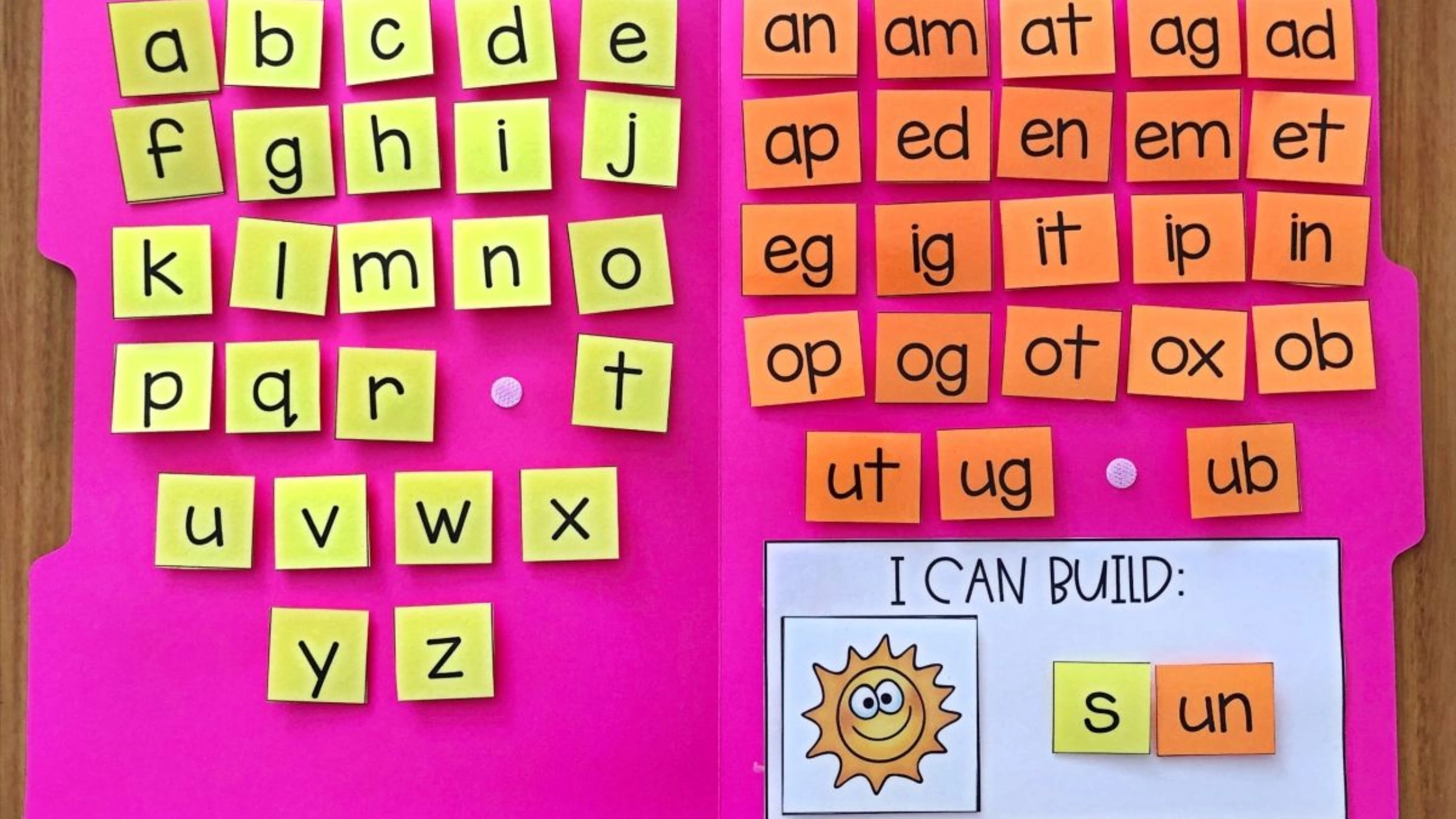
Vowels form the core of a syllable or the pronunciation of a word. There are only five vowels- a, e, i, o, and u. Consonants are all the other letters. They join the vowels to make a word or syllable.
Why Are They Important for Language Development?
Understanding the vowels and consonants in English is very crucial as it forms the very base of reading, pronouncing, and writing the language. They form the base of phonics and pronunciation. If children are strong in phonics, they can understand the words, read, write and eventually express themselves better.
For a detailed guide on the language development of children, refer to this.
Vowels and consonants are important in the following ways:
1. Building Blocks of Language
Vowels and consonants are the building blocks of the English language. Every word that a child speaks, be it a babble or a two-letter word, they rely on these to form a speech.
2. Better Reading Fluency
When children recognise the vowel and consonant letters and sounds, they improve their reading fluency. They can understand new words and blend words correctly and independently.
3. Recognising Patterns
As children start to recognise vowels and consonants, they start to predict phonics of unfamiliar words and even grasp the rules of spelling. Children become more intuitive and confident with reading and speaking.
4. Foundation of Understanding English
When children know about vowels and consonants in alphabets, and how to use them to form words, it makes it easier for them to build or break down new words, which is the foundation of understanding English.
The English Vowels
There are two types of vowels in English:
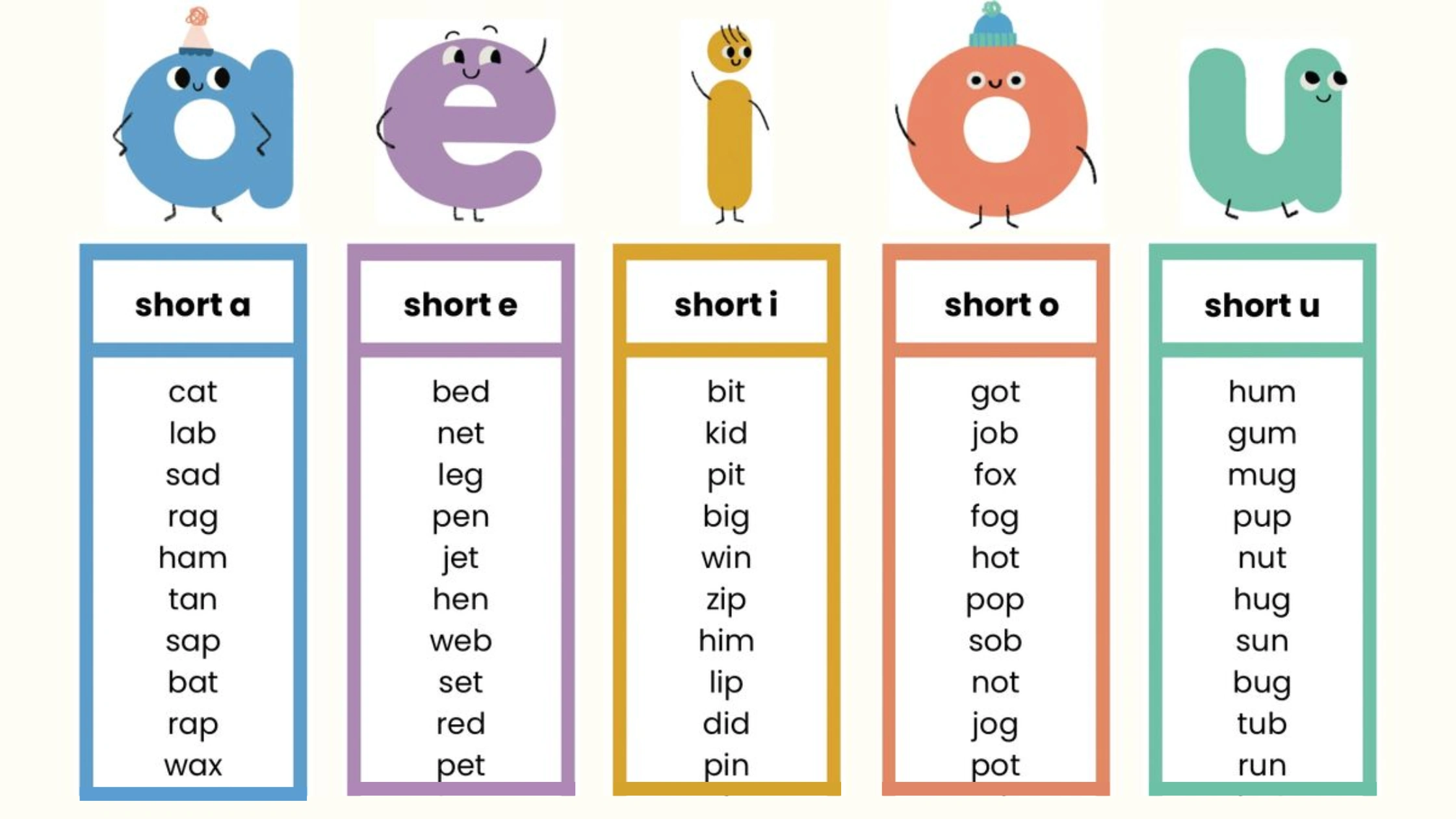
1. Short Vowels
Short vowels consist of quick and short sounds. They are often in closed syllables of CVC (Consonant-Vowel-Consonant). For example- /a/ in cat, /e/ in ten, /i/ in bin, /o/ in pot, and /u/ in cut.
2. Long Vowels
Long vowels have a longer duration. Usually, they have the same sound as the letter, like /a/ in cake, or /e/ in key, or /i/ in bike, /o/ in pose, or /u/ in cube.
List of Vowels
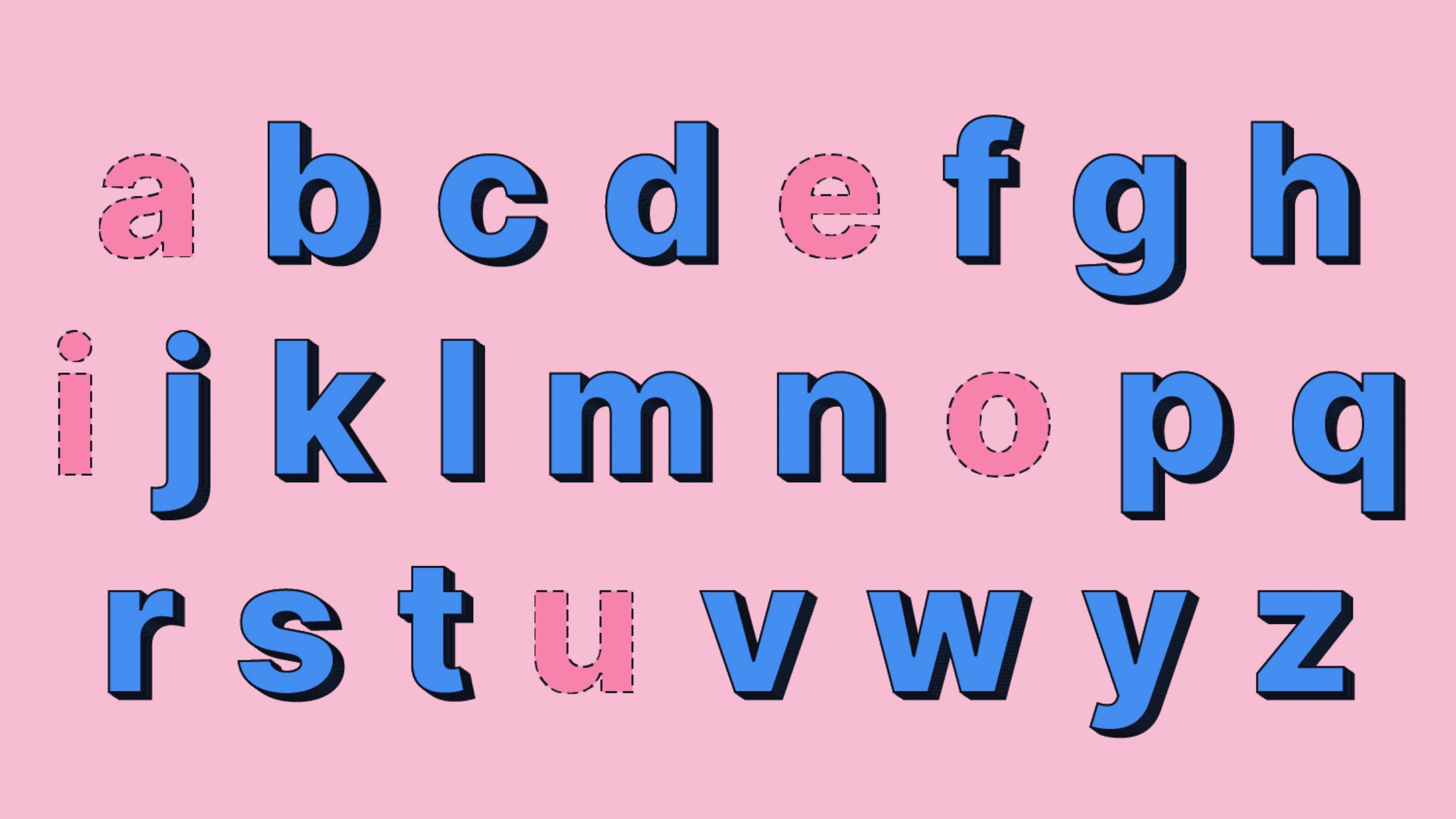
As discussed earlier, English vowels consist of a, e, i, o, u, and sometimes y because it acts as both a consonant and a vowel.
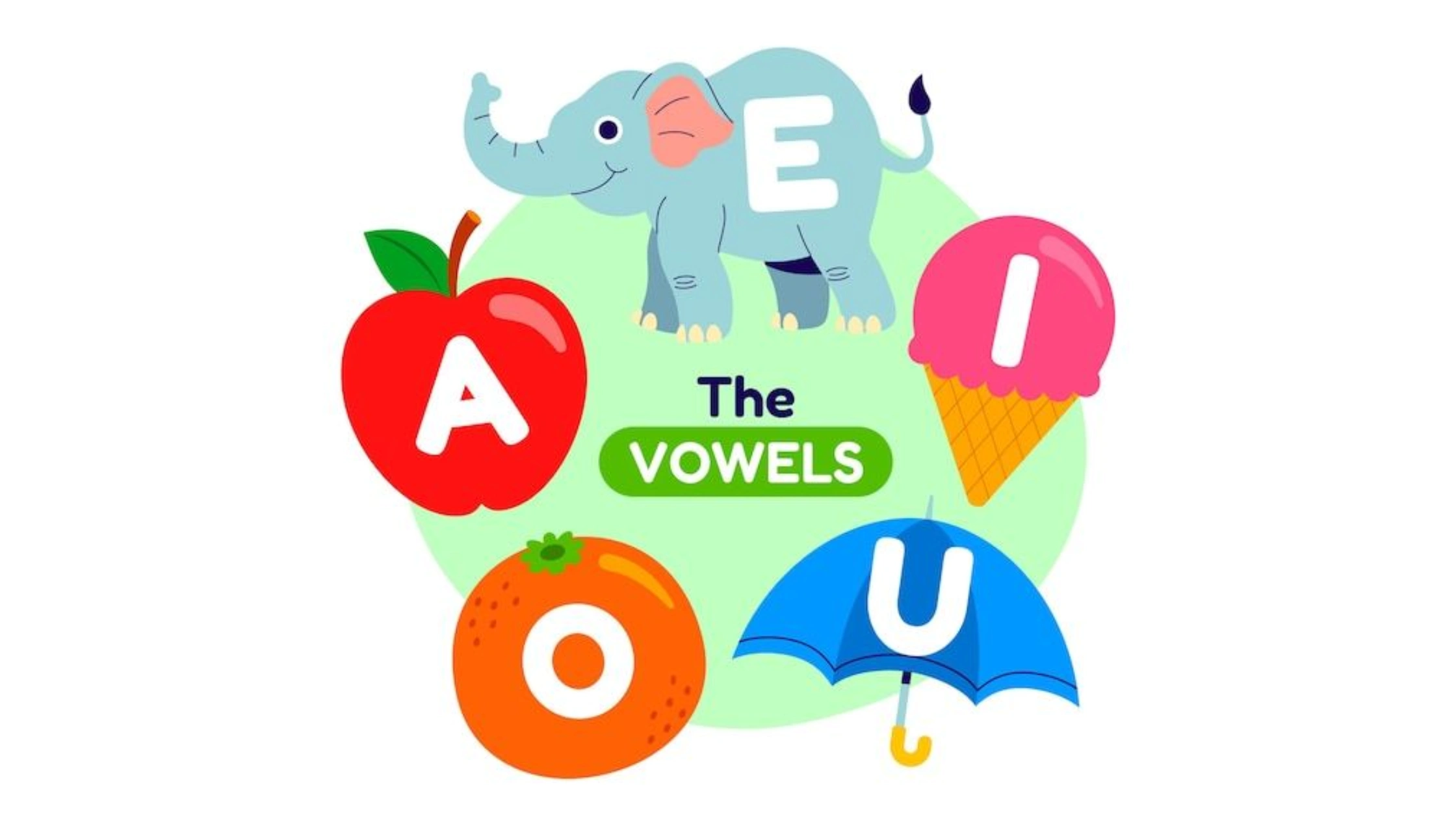
/a/- cat, sat, tan
/e/- pen, leg, red
/i/- pin, kid, lid
/o/- rod, hot, fog
/u/- tub, mug, jug
Y is considered a vowel when it makes the ‘i’ or ‘e’ sound in the middle, like sky, my, or happy. It is considered a consonant when the word starts with the ‘yuh’ sound like yellow, year, or yes.
What Are the Types of Vowel Sounds?
Mastering vowel and consonant sounds helps children to speak the English language more smoothly and fluently. The English language has basically two types of vowel sounds:
1. Monophthongs
Monophthongs are single and pure word sounds produced by a consistent sound by keeping the position of the tongue and mouth the same. For example- /a/ in car or /e/ in see.
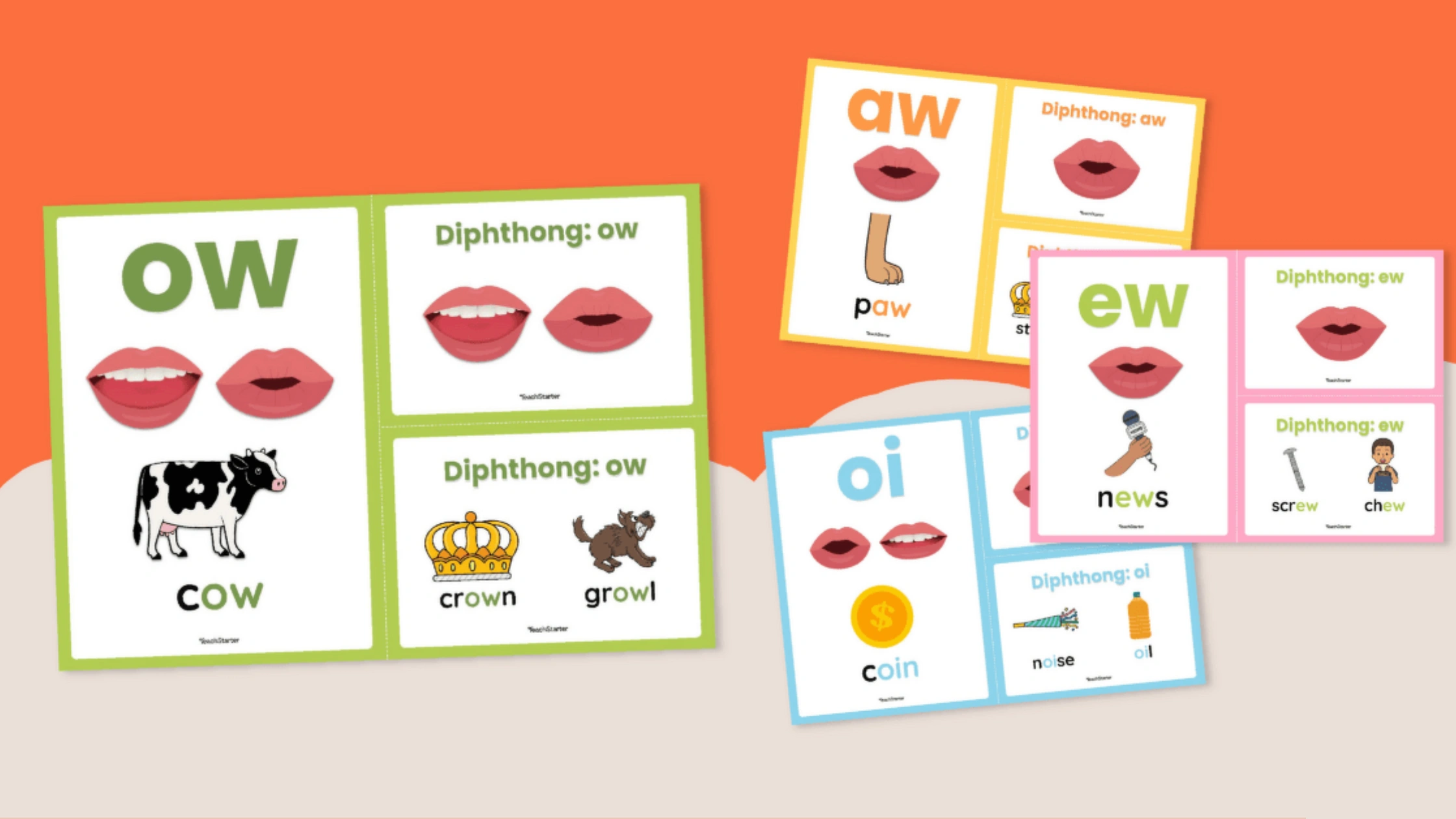
2. Diphthongs
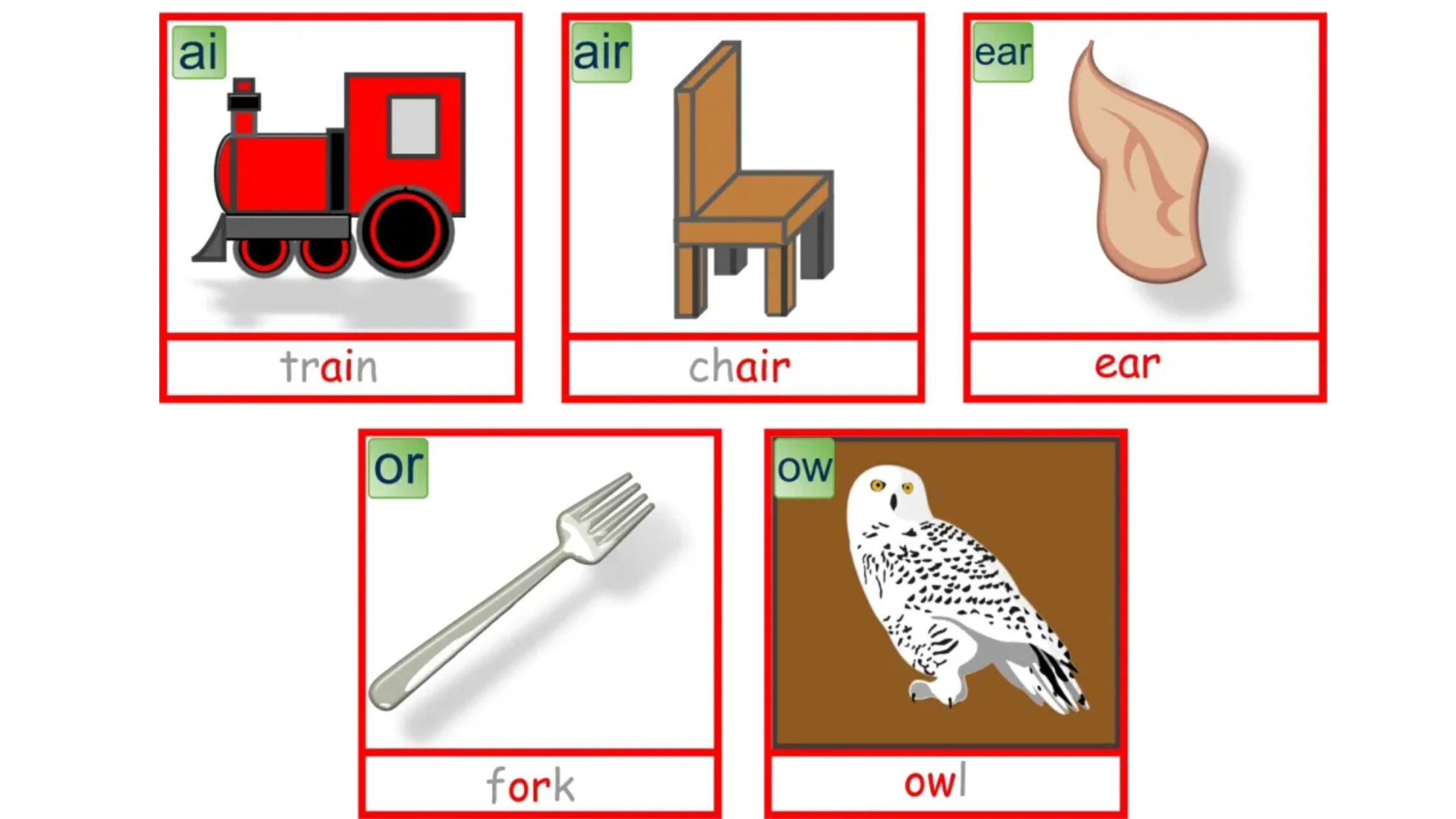
Diphthongs consist of two vowels that are blended smoothly to form a word like /ai/ in rain or /oi/ in coin.
The English Consonants
All the 21 English alphabets except a, e, i, o, and u are consonants.
List of some consonants
Consonants involve b, c, d,f, g, h, i, j, k, l, m, n, p, q, r, s, t, v, w, x, y, and z.
/b/- box, mob, or bee
/c/- cab, call, or cry
/k/- king, kit, or lake
/l/- lint, lip, bill, and so on.
Consonants are pronounced by controlling mouth airflow.
Examples:
/b/- pronounced with lips together
/t/- tongue touches behind the front teeth
/j/- tip of the tongue touches the ridge behind the upper front teeth
What is the difference between Vowels and Consonants?
The core difference is that vowels are the letters pronounced with an open mouth without blocking the air, whereas consonants are pronounced by partially blocking the air with the tongue or lips.
Common Challenges in Learning Vowels and Consonants
Although there is a huge difference between vowels and consonants, young children generally face some common difficulties in their learning.
1. Difficulty With Sound Differentiation
It is common for children to get confused between similar sounds like vowels /e/ and /i/ because they have identical sounds with a subtle distinction, which may become hard to grasp. They may also face difficulty pronouncing words with /c/ and /k because they represent the same sound. These confusions are normal and improve with practice.
2. Struggles With Blending Sound
Blending vowels and consonants to form words may be confusing at first due to the type of vowel or their sound, like ‘go and to although they have the same form, they are pronounced differently. As children get more exposed to more words and language, they overcome this stage.
How To Teach Vowels and Consonants to Children?
Children are taught vowels and consonants at a young age so that they can easily grasp the language when they grow up. Here are some interesting and hands-on methods for teaching children:
1. Vowels and Consonants Chart
Create a colour-coded colourful vowel and consonant chart for the classroom or room. Practice letters with your kids by looking at the chart. Visuals speed children’s letter recognition.
2. Vowels and Consonants Worksheets
Create or download hands-on worksheets with various words. Children can colour vowels and consonants in different colours for recognition.
3. Spot Vowels
Provide children with word cards. Encourage them to spot and say aloud words that contain specific vowels. Such activities help children with accurate pronunciation.
4. Before & After Consonant
Provide some worksheets with pictures and words, and guide children to recognise the consonants that come before or after a specific consonant.
5. Matching Vowel Game
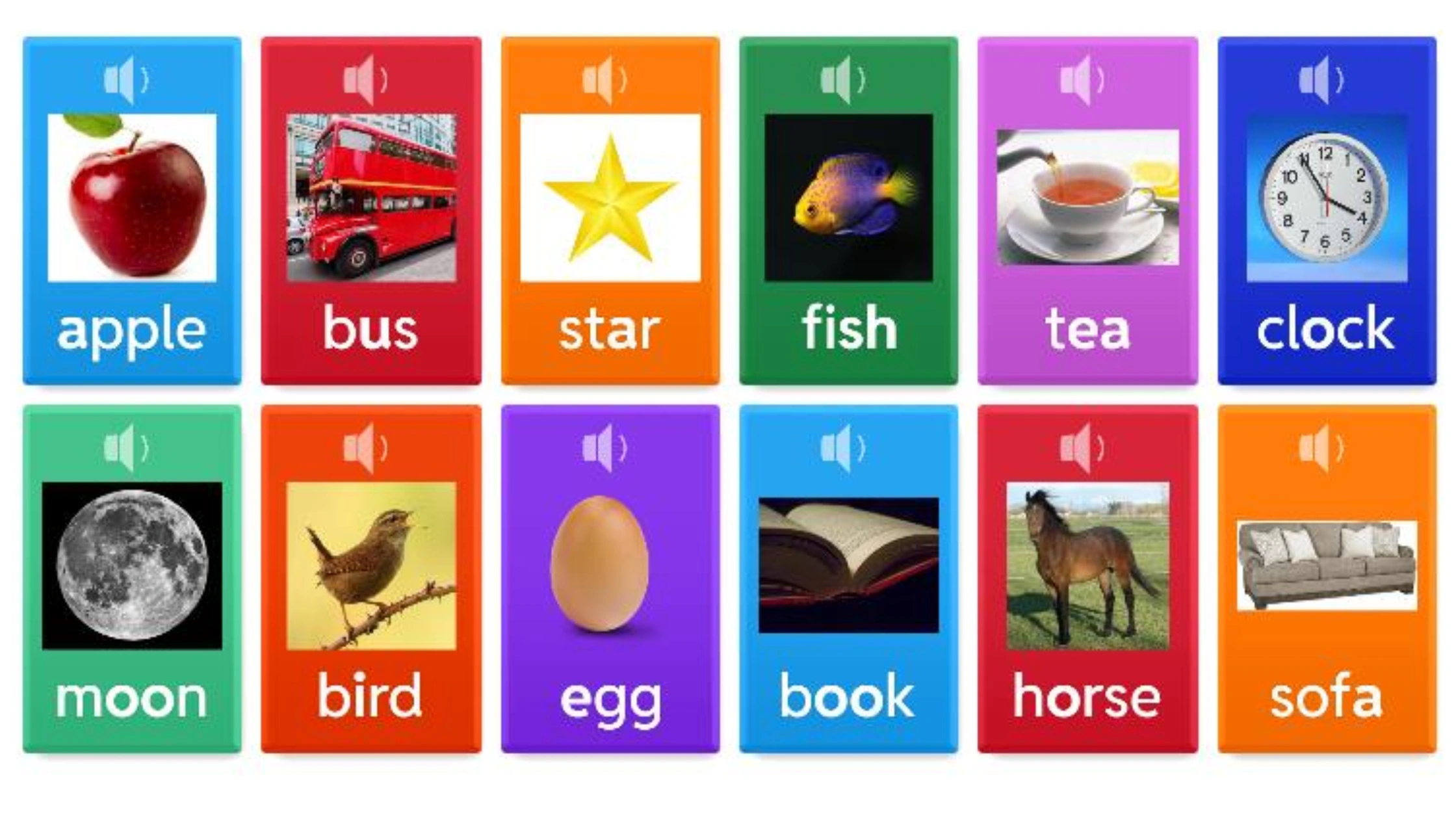
Encourage the children to match the picture cards with the starting vowel, like apple for a, or egg for e. This game helps children understand the pattern of spellings and phonics.
6. Phonics-Based Song
Enjoy phonics songs with children that focus on the sound of each letter, like a-a-a-a for apple. The repetition in such songs helps children to remember the letter sounds and patterns.
7. Flashcard Games
Use flashcards with vowels and consonants and their corresponding words. Let children spell out the words, along with spotting the vowels and consonants. Flashcards help children learn letters practically and quickly.
Conclusion
Today, we all understand the importance of learning the English language. Children are taught English from a young age so that they can easily grasp the language. Vowels and Consonants form the foundation of English reading and writing. At KLAY Preschools, expert educators introduce early phonics through playful and practical concepts. Every child learns at their own pace, and hurdles are always a part of the process. But with consistent exposure through KLAY’s hands-on activities, children grasp early literacy with confidence.
With little guidance and fun games, children become more confident with their language, vocabulary, and vowels and consonants.
FAQs
1. At what age do children usually start recognising vowels and consonants?
Mostly, children start identifying letters by the age of 2-3. They begin understanding basic vowel-consonant patterns by the age of 4-5.
2. Why are learning vowels and consonants important at an early age?
Learning vowels and consonants at an early age helps children improve their speaking clarity and reading skills.
3. How can we help children differentiate between vowels and consonants?
Use simple methods like flashcards, letter charts, and phonics charts. Exaggerate sounds like ‘aaaapple’ or ‘seeee’ while speaking, to help them understand the difference.
4. What should I do if children are struggling with phonics?
If children struggle with phonics, keep the learning consistent but in short sessions. If the struggle persists, consult the experts who can guide you with appropriate strategies.










Subscribe to our newsletter
[contact-form-7 id="12706" title="Newsletter Form for post page"]Our Related Blogs
Yoga Benefits, Activities, and Poses for Preschoolers
For preschoolers, yoga isn’t about perfection but about giggles and benefits. So, are you curious how a simple stretch can support a child’s focus, flexibility, and emotional well-being? Let’s roll...
Work-Life Balance Solutions for Parents in Emerald Hills Rd, Sector 65, Gurugram: The KLAY Daycare Advantage
Finding the perfect balance between professional commitments and parenting is a challenge for many working families in Gurugram. Parents in Emerald Hills Rd, Sector 65, especially, look for childcare solutions...
Work-Life Balance Solutions for Parents in Bangalore HSR Layout Sector 6: The KLAY Daycare Advantage
Managing work commitments while ensuring your child receives quality care is one of the biggest challenges for modern parents. In bustling neighbourhoods like HSR Layout Sector 6, Bangalore, where many...