



 76767 08888




As parents, we know that today, screens have become an important part of the children’s lives. Whether the kids are watching cartoons, animated stories, a tutorial for paper planes, or even video calling their grandparents, screen time has become an inescapable part of the children’s routine.
When it comes to young toddlers, screen time can affect the way that they speak, act, and move. Managing a kid’s screen time may seem like an impossible task, but it is equally important because, as much as technology is useful, it can slow down learning as well.
What is Screen Time?
Screen time means watching the screen without any physical activity. Often, we have seen kids sitting or lying on bed watching screens with no to less amount of doing anything physically. Engaging in such active screen time leads to impaired eyesight and can lead to delayed brain and physical development as they are not engaging in any physical activity.
Such a sedentary lifestyle in kids increases the risk of obesity, poor sleep, eye problems at a very young age. If screen time for preschoolers becomes their primary entertainment, it’s time to look for alternatives to screen time.
Why is Reducing Screen Time Important?
In this era, screen time is becoming one of the important concerns of parents. Screen time is a blessing when you need to distract your child from anxiety, pain, or even tantrums while eating. But this quick fix can gradually become the only source of their entertainment and reliability. This makes the child physically lazy, less focused, and mentally tired, which hinders their development and growth.
You can give your kid a chance to activate their senses and body to have a healthy growth when you look at alternatives to screen time.
Studies on Screen Time and Children
Various studies carried out on screen time for children proves that excessive screen time for pre-schoolers negatively affects their moods, behaviour, social skills, and sleep patterns. Let’s have a look at what these studies say:
- A NIH study found that kids who have more than 2 hours of screen time every day can lower their thinking and vocabulary skills.
- A BMJ study suggests that increased screen time by the age of 5 increases behavioural issues.
- According to UNICEF, high screen time in kids lowers the attention span and later leads to developmental issues.
- A NIH study found that screen time is the main factor for depression and anxiety in kids.
- Screen time also increases the risk of constant headache, dry, itchy eyes, and even loss of vision due to staring at the screen closely.
According to The American Academy of Pediatrics the acceptable amounts of screen time limit for children of different age groups is as follows:
– No screen time for children under 2
– One hour per day for children 2 to 12
– Two hours per day for teens and adults
Screen Free Alternatives
Screen time is fine as long as it does not obstruct a child’s mental and physical well-being and growth. Let’s see some screen time alternatives to reduce screen time:
1. Outdoor Play
Outdoor games like hide and seek, obstacle courses, hopscotch, or cricket keep a child engaged and happy. They significantly improve a child’s physical and mental health, unlike children spending time on screens.

2. Art & Crafts
Art & Crafts are an awesome option when it comes to improving fine motor skills and creativity. It keeps a child’s muscles active and also encourages focus and mindfulness.

3. Develop Language and Communication Skills
In contrast to screen time, interacting with family members or social interactions with shopkeepers or neighbours hone their vocabulary and communication skills.

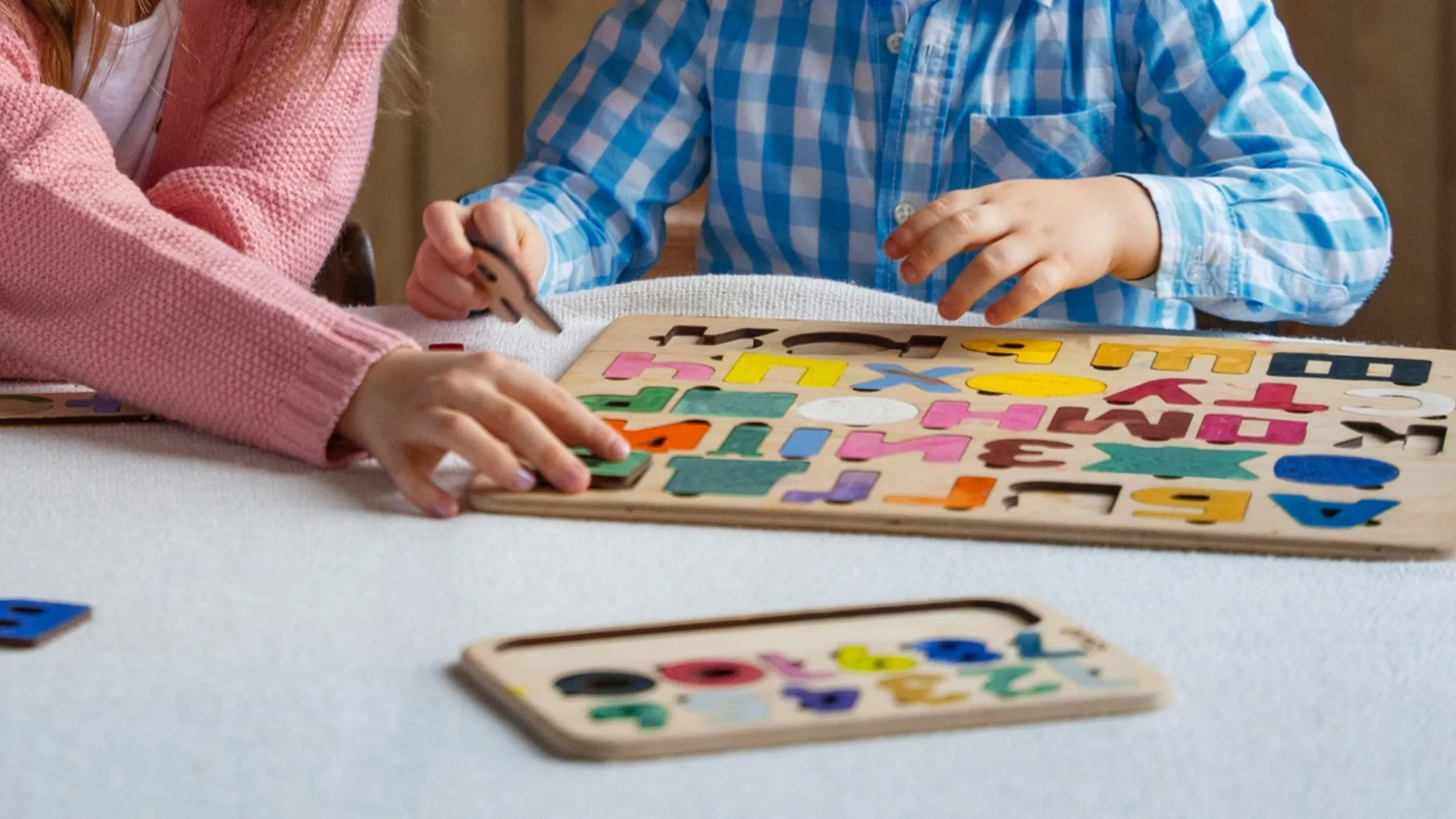
4. Puzzles And Board Games
Puzzles and board games require active and critical thinking. Kids get to improve their problem-solving skills while solving puzzles which becomes helpful in academics.
5. Build Anything
Building towers with blocks or making your own DIY cards are activities that kids find interesting and fun. The building activities eagerly boost mood, give satisfaction, and improve fine motor skills.

6. Helping Around the House
When kids participate in household chores with their families, they learn responsibility, to take care of themselves, and discipline. They also become familiar with tasks such as cleaning, washing, or gardening, which are essential life skills.

7. Read and Write
When screen time is replaced by reading and writing activities, it improves a child’s concentration, literacy skills, and ability to learn more.
8. Science Experiments
Rather than seeing scientific videos on screens, when a child participates in simple science experiments like a soda volcano or lava lamp, it invokes their natural curiosity to explore and learn more about the world.
9. Gardening
Kids love messy play and getting their hands dirty. And gardening is one of those fun activities that ends with muddy hands. It teaches the life cycle of plants, improves sensory learning, and provides one-on-one time with their parents.

10. Music And Movement Activities
Unlike watching videos of dancing and singing, kids can engage in their own music and dance sessions where they can sing and dance freely. This promotes cognitive and physical growth.
11. Storytelling And Roleplaying
Storytelling improves imagination, creativity, moral, and critical thinking skills. Roleplaying, along with props, helps kids understand social skills and vocabulary and strengthens bonds between players.
12. Learning New Skills
Learning new skills, like playing a musical instrument, learning a new language, or playing football, gives kids a sense of satisfaction and achievement. Learning a new skill improves cognitive development as well as boosts one’s confidence.
Proven Ways to Control Screen Time for Your Kids
If you are looking for proven ways to control or reduce screen time for kids, we have come up with a basic checklist that can help you:
1. Set Fixed & Consistent Time Slots
A routine with a fixed time teaches kids what to expect next. A consistent routine with timings like 2 hours of screen time only, or one hour of TV time, builds self-control and predictability, which helps to reduce their emotional outbursts.
2. Set Clear Boundaries
Boundaries like ‘no touching phones after 7 pm’ or ‘not using tablet during bedtime’ communicate clearly what is expected of them. Such boundaries help children to grasp the concept of boundaries.
3. Lead By Example
Making up rules and setting mere boundaries is not enough. Children practice what they see. Be careful not to break your own rules so that the kids learn from your discipline.
4. Encourage Outdoor Play
Whenever kids insist on watching cartoons or playing games on devices, distract them to play outdoor games like blindfold, badminton, or handball. With time, they get engaged with outdoor games and reduce screen time on their own.
5. Put Away Hand-held Devices
Put the phones, tablets, and laptops away from sight when the kids are enjoying their screen-free time. If they are near, they will definitely attract the kids’ attention, and they may go back to surfing the devices.
6. Encourage Responsibility
Take a step back after introducing the screen-free boundaries and rules to them. Let them follow it on their own and guide only when necessary. This will make the kid responsible for their own tasks and actions.
Summary
At KLAY, we believe in using technology wisely and to the fullest, but not excessively. Healthy habits like learning a new skill through the internet or researching an animal are the most important that children should be taught at a young age. At KLAY, we support teaching kids’ life skills and academic skills without using screens while they are at school. We encourage active movement, creative art sessions, public speaking, reading, and social learning to ensure their growth.
We understand that finding a screen time alternative for both kids and adults is certainly impossible, as the world runs on it. But through our screen-free approach and curriculum, we can maintain a healthy approach between real-life experiences and on-screen time.











Subscribe to our newsletter
[contact-form-7 id="12706" title="Newsletter Form for post page"]Our Related Blogs
Yoga Benefits, Activities, and Poses for Preschoolers
For preschoolers, yoga isn’t about perfection but about giggles and benefits. So, are you curious how a simple stretch can support a child’s focus, flexibility, and emotional well-being? Let’s roll...
Year-End Reflection and Goal Setting for Children
Parenting is a journey filled with the brightest moments and valuable lessons, both for us and our children. As the year draws to a close, it’s the perfect time to...
Work-Life Balance Solutions for Parents in Emerald Hills Rd, Sector 65, Gurugram: The KLAY Daycare Advantage
Finding the perfect balance between professional commitments and parenting is a challenge for many working families in Gurugram. Parents in Emerald Hills Rd, Sector 65, especially, look for childcare solutions...