



 76767 08888


What Are Extracurricular Activities for Kids?
Extracurricular activities for kids are structured activities outside regular academics that help children develop essential life skills such as creativity, confidence, teamwork, and problem-solving. From sports and music to coding and drama, these activities play a crucial role in a child’s overall development.
In schools, extracurricular activities not only support academic performance but also help children discover their interests, build friendships, and grow into well-rounded individuals.
Why Are Extracurricular Activities Important in School?
Extracurricular activities play a critical role in a child’s holistic development. Schools today increasingly integrate these activities because they go beyond textbooks and exams.
10 Best Extracurricular Activities for Kids
Here are some of the most effective extracurricular activities that support child development:
1. Sports (Football, Swimming, Cricket)
Builds physical fitness, teamwork, and discipline.
2. Music & Dance
Enhances creativity, rhythm, and emotional expression.
3. Art & Craft
Improves imagination, focus, and fine motor skills.
4. Drama & Theatre
Boosts confidence, communication, and storytelling skills.
5. Coding & Robotics
Develops logical thinking and problem-solving abilities.
6. Public Speaking & Debate
Builds confidence, articulation, and critical thinking.
7. Chess & Strategy Games
Improves concentration and decision-making.
8. Science Clubs
Encourages curiosity and hands-on learning.
9. Storytelling & Reading
Enhances language skills and creativity.
10. Gardening & Nature Activities
Teaches responsibility and environmental awareness.
How to Choose the Right Extracurricular Activity for Your Child
Every child is unique, so choosing the right activity is key.
Follow these simple steps:
- Understand your child’s interests
Observe what excites them naturally - Avoid overloading
1–2 activities are enough for young children - Focus on skill development, not competition
- Give time before switching activities
- Encourage, don’t force participation
Key Benefits of Extracurricular Activities:
- Improves Academic Performance – Children involved in activities often show better focus and discipline in studies.
- Builds Confidence & Self-Esteem – Performing, competing, or creating helps children believe in their abilities.
- Enhances Social Skills – Activities encourage teamwork, communication, and collaboration.
- Encourages Creativity & Innovation – Art, music, and storytelling unlock imagination.
- Develops Leadership Skills – Group activities teach responsibility and decision-making.
- Supports Emotional Well-being – Helps reduce stress and improves overall happiness.
The Role of Co-Curricular Activities and Enrichment Plans
Co-curricular activities and after-school enrichment plans are not mere add-ons; they are catalysts that shape children into well-rounded individuals, ready to face the multifaceted challenges of life. These activities provide children with opportunities to explore their passions, cultivate new skills, and connect with peers in a supportive and encouraging environment. Beyond textbooks and lectures, these activities open doors to experiential learning that goes beyond the confines of traditional education.
Boosting Learning with Co-Curricular Activities
The impact of co-curricular activities on learning is far-reaching. These activities are not just diversions; they serve as enhancers of
- Cognitive Abilities
- Educational Outcomes and
- Time management skills
as children learn to juggle multiple commitments. Additionally, many co-curricular activities like debate clubs or science projects hones
- Critical thinking
- Problem-solving
- Analytical Thinking and
- Research Abilities
which in turn reinforces academic skills.
Similarly, team sports foster collaborative skills and communication proficiencies that are essential for succeeding in group projects or delivering presentations. Moreover, these activities become avenues for self-expression and creativity, allowing children to develop communication abilities through activities such as public speaking or creative writing.
Building Character through Co-Curricular Activities
Co-curricular activities contribute significantly to the character-building journey of children. They offer opportunities to develop essential life skills like
- Leadership
- Teamwork and
- Self-Confidence
These activities encourage children to step out of their comfort zones, embrace challenges, and uncover latent talents.
Participation in clubs, sports teams, or community service initiatives instills the values of leadership, decision-making, and motivation. This fosters a sense of
- Responsibility
- Interpersonal Skills
- Impact of their Actions and
- Accountability
preparing children for future professional environments where teamwork is paramount. Moreover, co-curricular activities emphasize teamwork by necessitating collaboration with individuals from various backgrounds. Additionally, engaging in these activities nurtures self-assurance by providing opportunities to showcase talents outside the traditional classroom, contributing to the development of self-esteem and self-worth.
Broadening Horizons: Expanding Knowledge and Interests through After School Enrichment Plans
After school enrichment plans serve as gateways to unexplored interests. These programs allow children to immerse themselves in areas like
- Art
- Coding
- Drama or
- Entrepreneurship
that they may not have encountered within their regular curriculum. This exposure facilitates a well-rounded education that goes beyond bookish knowledge, opening doors to future avenues and opportunities.
Engaging in after-school enrichment plans not only expands children’s horizons but also instills crucial life skills that they can carry into their academic journeys and beyond. These programs foster personal growth, instilling
- A passion for lifelong learning, and
- Cultivating in children an insatiable curiosity to explore the world around them.
Social Skills and Emotional Well-being: The Social Benefits of Co-Curricular Activities
In the ever-evolving social landscape, the importance of developing social skills and emotional intelligence cannot be overstated. Co-curricular activities are instrumental in nurturing these aspects. By participating in
- Group discussions
- Collaborative projects and
- Leadership roles
children acquire the art of effective communication, active listening, and cooperation.
The dynamics of these activities encourage children to work together, share ideas, and collectively achieve common goals. These interactions foster
- Empathy
- Understanding and
- Respect for diverse perspectives
promoting harmony and unity among peers. Furthermore, these experiences provide a safe space for children to build relationships, strengthening their emotional well-being and equipping them with essential social skills for future interactions.
How KLAY Supports Holistic Development Through Activities
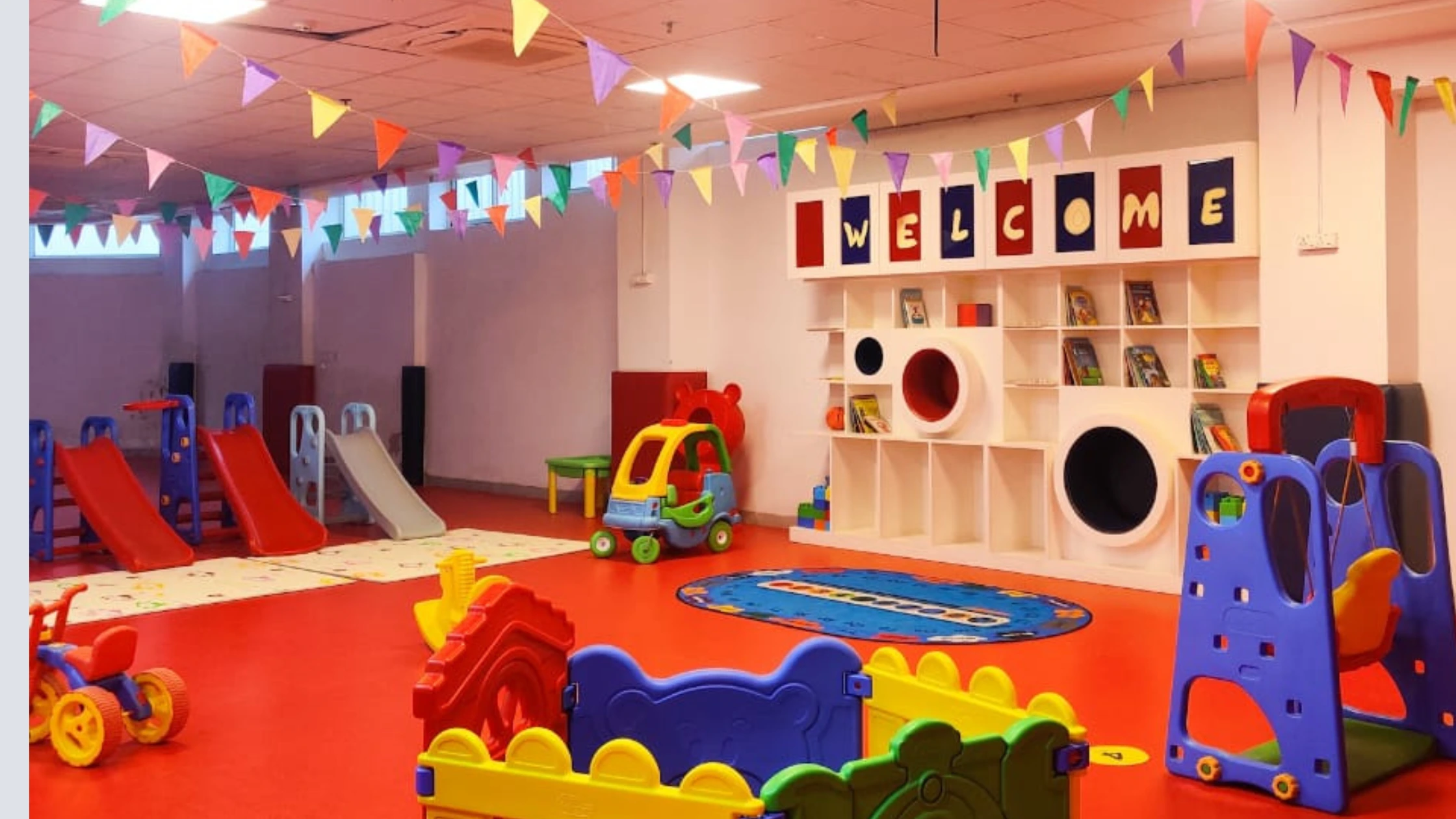
At KLAY, extracurricular activities are thoughtfully designed to nurture every aspect of a child’s growth.
- Age-appropriate programs
- Focus on creativity and exploration
- Safe and engaging learning environments
- Balanced approach to academics and activities
👉 Our goal is to help children discover their interests early and build confidence for life
Balancing Academics with Recreation: How After School Enrichment Plans Promote Work-Life Balance for Children
In the whirlwind of academic pursuits, the concept of work-life balance often takes a back seat. However, after school enrichment plans introduce a harmonizing element to this equation. These plans offer a breath of fresh air, a chance for children to strike a balance between their studies and leisure activities.
These activities aren’t just about having fun – they also teach a crucial skill: time management. Engaging in diverse activities after school, be it art or sports, imparts the ability to handle both academic responsibilities and personal interests effectively. These plans become invaluable tools, empowering children to navigate the demands of their academic journey while indulging in activities that bring them joy and relaxation.
Embrace the Magic of Co-Curricular Activities and After School Enrichment Plans
In essence, co-curricular activities and after-school enrichment plans are not mere supplements; they are integral components that infuse vibrancy and dynamism into the educational experience. They foster learning, character-building, and personal growth, all while promoting work-life balance and enhancing social skills.
By embracing these activities, parents, educators, and the educational ecosystem at large can create a nurturing environment where children thrive holistically. It’s a commitment to preparing children not only for academic success but for life itself. As we tread this path, we plant the seeds for a future generation equipped with confidence, creativity, and a profound understanding of the balance between learning, growth, and well-being.
KLAY’s After School Enrichment Care Program is a no brainer when it comes to screen free constructive engagement of children beyond academics with activity partners such as Go Alpha and Bangalore School for Performing Arts.
Frequently Asked Questions
What are extracurricular activities in school?
Extracurricular activities are activities outside the academic curriculum that help children develop additional skills such as creativity, teamwork, and leadership.
Why are extracurricular activities important for kids?
They support overall development, improve confidence, enhance social skills, and help children discover their interests.
What are examples of extracurricular activities?
Examples include sports, music, dance, art, coding, storytelling, and public speaking.
How many extracurricular activities should a child do?
Ideally, 1–2 activities are enough to maintain a healthy balance between learning and play.








7 Comments
Subscribe to our newsletter
[contact-form-7 id="12706" title="Newsletter Form for post page"]Our Related Blogs
Yoga Benefits, Activities, and Poses for Preschoolers
For preschoolers, yoga isn’t about perfection but about giggles and benefits. So, are you curious how a simple stretch can support a child’s focus, flexibility, and emotional well-being? Let’s roll...
Year-End Reflection and Goal Setting for Children
Parenting is a journey filled with the brightest moments and valuable lessons, both for us and our children. As the year draws to a close, it’s the perfect time to...
Work-Life Balance Solutions for Parents in Emerald Hills Rd, Sector 65, Gurugram: The KLAY Daycare Advantage
Finding the perfect balance between professional commitments and parenting is a challenge for many working families in Gurugram. Parents in Emerald Hills Rd, Sector 65, especially, look for childcare solutions...