



 76767 08888


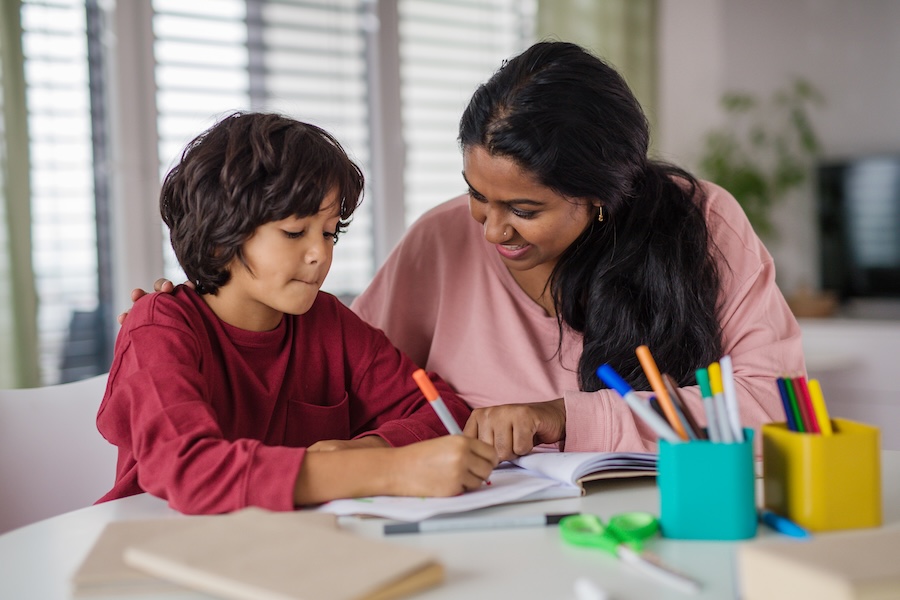


It’s the last day of preschool. You watch your child finish their final day with mixed emotions of nervousness, excitement, pride in how the younger one is growing up and anxiety about what will happen next.
Until now, the learning was play-based in a nurturing school environment. What comes next requires a little more attention from your side, especially as the child moves into something more structured, longer hours and a fixed timetable.
That shift is actually bigger than you think, both for you, as well as your kid. The good news is that there are some everyday habits which can make this transition a lot smoother, and that’s exactly what this guide covers. It also walks you through how you can make your child feel genuinely excited about what’s ahead and get ready for it.
What Actually Changes in Class 1?
The changes are quite significant and noticeable when your child actually goes through them for the first time. Here’s what they look like:
- Schooling methodology gets more structured now from the play-led rhythm of play school.
- Children are expected to manage small things independently. One-on-one attention becomes less likely simply because of larger batch sizes.
- Larger class sizes result in less one-on-one attention than it used to be.
- Ownership of small, independent tasks like organising their school books, asking questions in front of a class or making new friends.
From Play to Formal Learning: The Academic Shift
Apart from the changes in schedule and structure, there are some academic changes as well. Class 1 introduces formal writing, reading and assessments. These are the things the kids haven’t seen before.
Preschool typically introduces letters and numbers through play, songs and rhymes. Class 1 moves into structured reading practice and handwriting through simple written work, with a focus on the pace and accuracy of the child.
That said, foundational skills like comfort in holding a pencil, reading paragraphs without hesitation, and solving simple problems for a short stretch of time can genuinely produce great results in the long term.
This academic shift should not come at the expense of everything else the child has been building. Social and emotional learning carries the same importance as academic learning.
Preparing Your Child Before the First Day
The one thing that matters the most for a perfect head start is confidence. Children naturally settle in smoothly if they’re made capable of being away from a parent for a whole day, asking questions in class, or trying something unfamiliar. This maturity matters far more than being good at numbers or reading books.
Confidence like this doesn’t build in one day, and it also isn’t built through lectures alone. It grows through small, repeated experiences of figuring things out on their own and getting confidence for the next time. Everyday habits that build over time are the deciding factor in how a confident child is raised.
Examples of such low-stakes tasks include answering questions from a relative instead of letting you answer for them, talking to strangers confidently, organising their study shelves, etc.
Everyday Habits That Make the Transition Smoother
Small, practical habits can make the first few weeks a lot easier, for your child and for you as well.
- Shift the bedtime and wake-up time to match the new school schedule. Don’t try making the change in one day.
- Make them practice self-help skills like opening a lunch box and fine motor skills at home.
- Read storybooks together.
- If possible, visit the school before the term starts. Even a short walk around the ground can make an unfamiliar place feel a little familiar.
A simple checklist before day one
Below are a few small things worth sorting out before the term begins:
- Labelled belongings like a water bottle, lunch box and uniform so that they are easy to identify if misplaced
- A short visit to the school campus
- A practice of the morning routine
- Letting them organise course material and notebooks on their own
How to Support Your Child in the First Few Weeks
Once the session begins, a few small changes can help your child get used to the new routine.
- Keep the goodbyes and drop-offs brief. A long, drawn-out goodbye often makes separation harder.
- Don’t just ask them “How was the day?” Connect with them and ask useful questions to understand what’s actually going on.
- Stay in touch with the new teacher during the first few weeks. Even a short conversation can result in useful insights from both sides.
- Be patient if there’s a dip in behaviour or mood. Adjusting to an entirely new environment can take time even if your child is coping well at school.
Conclusion
Starting class one is definitely a milestone in your child’s academic as well as your parenting journey. It marks the end of one stage and the beginning of something new. The journey comes with a mix of nerves and excitement, and that’s absolutely normal.
With a little preparation, a few easy day-to-day activities, and patience through the first few weeks, most children settle in far more quickly than you’d expect. The preparation is genuinely worth it because what stands on the other side is a child who has grown a little more capable and a little more ready for whatever comes next.
Frequently Asked Questions (FAQs)
How long does it usually take for a child to settle in?
Most kids settle within 2-4 weeks. A gradual improvement, with occasional dips in motivation, is a good sign. However, persistent, worsening distress beyond a month is worth discussing with the teacher.
At what age do children usually start Class 1?
Most children start Class 1 around the age of 6. The conventional learning ladder is Play School, LKG/UKG, Class 1.
How can I make the first day less stressful as a parent?
A few practical ways to avoid a rushed or chaotic morning include a calm, consistent morning routine, familiar belongings like a water bottle or school bag, and a warm goodbye.
What skills does my child need before starting Class 1?
There’s no fixed checklist at this young age. Basic familiarity with letters and numbers, discipline with day-to-day tasks and following simple instructions can help.
Is it normal for a child to get excited one day and anxious the next?
Yes, this back and forth is absolutely normal. There’s a big change in the weeks before and weeks after starting the ‘big school’, and mixed feelings often arise even in those children who’re doing well in school.









Subscribe to our newsletter
[contact-form-7 id="12706" title="Newsletter Form for post page"]Our Related Blogs
Yoga Benefits, Activities, and Poses for Preschoolers
For preschoolers, yoga isn’t about perfection but about giggles and benefits. So, are you curious how a simple stretch can support a child’s focus, flexibility, and emotional well-being? Let’s roll...
Year-End Reflection and Goal Setting for Children
Parenting is a journey filled with the brightest moments and valuable lessons, both for us and our children. As the year draws to a close, it’s the perfect time to...
Work-Life Balance Solutions for Parents in Emerald Hills Rd, Sector 65, Gurugram: The KLAY Daycare Advantage
Finding the perfect balance between professional commitments and parenting is a challenge for many working families in Gurugram. Parents in Emerald Hills Rd, Sector 65, especially, look for childcare solutions...